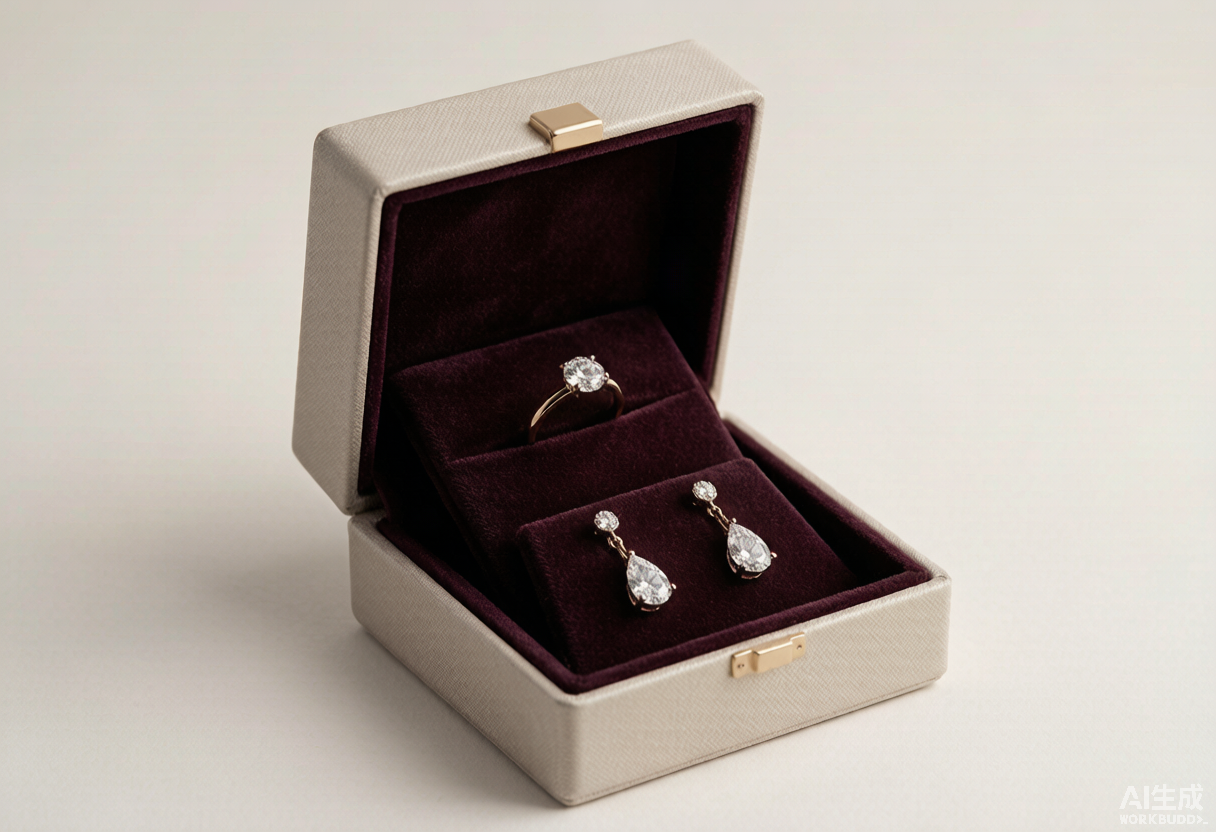
烫金工艺:首饰盒上的点睛之笔 Foil Stamping: The Finishing Touch on a Jewelry Box
一只首饰盒递到客人手里,最先被注意到的往往不是盒子本身,而是那一道恰到好处的金线。烫金(foil stamping)是珠宝包装里最古老也最考手艺的工艺之一,做得好,品牌质感瞬间拉满;做得糙,再贵的纸也显廉价。很多品牌在珠宝盒定制时把预算花在面料上,却忽略了这道"金线"才是第一眼的高级信号。
一、烫金到底是什么:不是印刷,是"压"上去的
烫金利用金属箔(金、银、镭射、彩箔)在温度和压力作用下转移到纸面,靠的是热压转印,不是油墨印刷。它最大的特点是:有真实的金属光泽和微微的浮雕触感,且不会像普通印刷那样因摩擦掉色。对做珠宝包装设计的客户,烫金常用于品牌名、LOGO、边框线——它是"这是一家认真的品牌"的视觉信号。传统电化铝箔由 PET 基膜承载金属层,转移后基膜剥离回收,金属层留在纸上;这也意味着回收时要考虑这层金属与纸的分离。
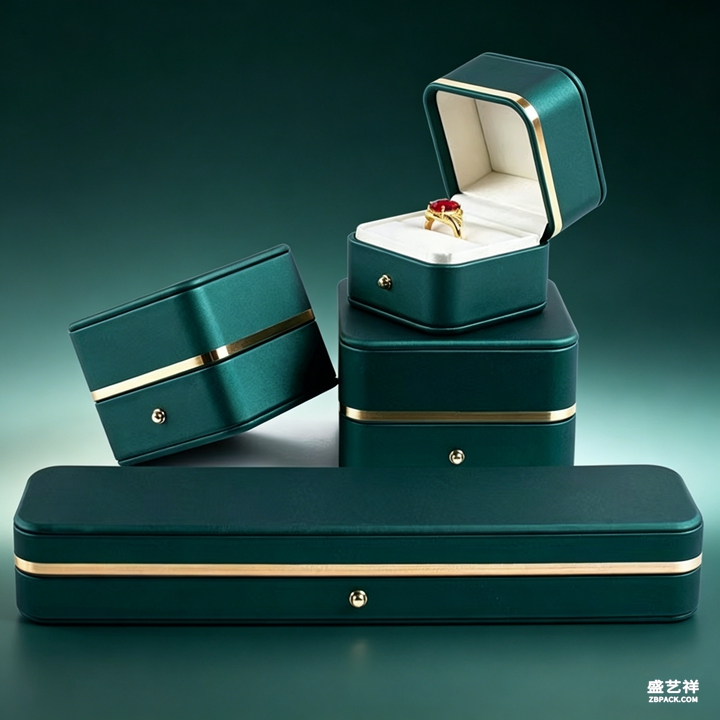
二、平烫、凸烫、镂烫:三种常见玩法
平烫最基础,箔面平整贴附;凸烫(击凸+烫金)先做浮雕再压箔,指尖能摸到立体感,是高定的常用手法;镂空烫则把图案做成镂空再填箔,适合花纹与图腾。盛艺祥在高端首饰盒上偏好"细线凸烫+局部填箔",既克制又有记忆点。需要提醒的是,凸烫对纸张厚度有要求,过薄的纸经不起两次压力,易穿孔或显白,通常建议 300g 以上卡纸或裱糊灰板。
三、为什么珠宝包装特别适合烫金
珠宝本身是贵金属与光的游戏,包装上的烫金与之呼应,形成统一的"光感语言"。相比满版印花,局部烫金更省料、更显贵,也契合当下"高端简约更受顾客青睐"的趋势。从成本看,烫金模具一次性投入,量大后单盒溢价可控,是小批量珠宝袋加工与礼盒都能用得起的工艺。一颗戒指的包装预算有限,把金线用在刀刃上,比铺满整面更聪明。
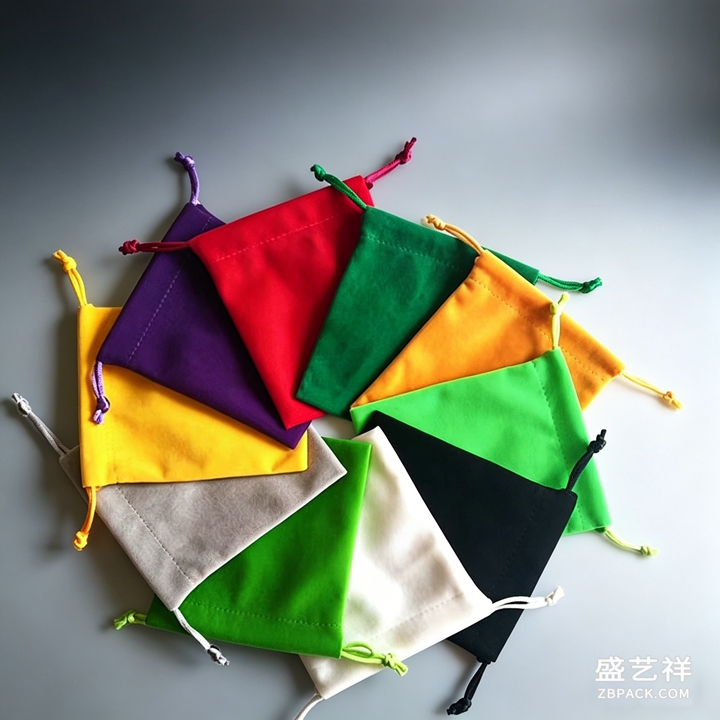
四、避坑:烫金翻车的三个常见原因
第一,纸张不对:太粗糙或太薄的纸吃不住箔,易掉金;优选涂布充分的卡纸或特种纸。第二,面积过大:大面积实地烫金易产生"沙眼"(点状露白),细线和小字更稳。第三,忽略环保:传统电化铝含 PET 基膜,回收时要分离;现已有可降解烫金箔可选,欧盟 PPWR 对可回收性评级也会关注这类复合层。盛艺祥建议:把烫金当"点睛"而非"铺面",少即是多。
五、烫金与其他工艺的搭配顺序
工艺不是越多越好,顺序也讲逻辑。常见组合是"印刷底色→击凸→烫金→局部 UV",每加一道都增加良品率风险。我们建议新手品牌先用"单色印刷+细线烫金"打底,验证市场反响后再升级。对做珠宝盒定制的客户,盛艺祥会先出工艺样(白盒+真实烫金),让老板摸到实物再定稿,避免大货翻车。记住:客人记不住你用了几种工艺,只记得"这盒子摸起来很贵"。
六、烫金的报价陷阱与验收
找工厂报烫金,要问清三件事:箔的品牌(进口电化铝更稳)、是否含击凸、起订面积。很多低价烫金用回收箔,金色发暗、易氧化,半年就掉色。验收时拿样品在光下斜看,真金箔有连续镜面反光,假箔呈颗粒感。盛艺祥对每批烫金留样比对,确保大货与签样一致。建议品牌把“烫金色号+箔品牌”写进采购单,别只写“烫金”,否则工厂自由发挥,批次间色差会毁掉识别。还有一个常被忽略的细节:烫金温度与压力要随纸张含水率微调,梅雨季纸张偏潮,压力需略增,否则金线边缘起毛。老练的工厂会按批次测含水率再调机,新手则一刀切,这就是同样刀版不同厂出品天差地别的原因。
本文为原创内容,版权归盛艺祥所有。如需转载请注明出处。
盛艺祥(Shengyixiang)——高端珠宝包装设计与定制专家,为品牌护航。
When a jewelry box reaches the client, what catches the eye first is often not the box but a perfectly placed gold line. Foil stamping is one of the oldest and most craft-dependent finishes in jewelry packaging — done well it elevates the brand instantly; done poorly even expensive paper looks cheap. Many brands spend their jewelry box customization budget on fabric yet overlook that this "gold line" is the first premium signal.
1. What foil stamping actually is: not printing, but "pressing"
Foil stamping transfers a metallic leaf (gold, silver, holographic, colored) onto paper using heat and pressure — a hot-foil transfer, not ink printing. Its signature is a real metallic sheen and a slight embossed feel, and unlike normal print it does not rub off. For jewelry packaging design clients, foil is used for the brand name, logo and border lines — a visual signal that "this is a serious brand." Traditional laminate foil carries metal on a PET base film; after transfer the base peels away for recycling, but the metal layer left on paper complicates separation.
2. Flat, raised and die-cut foil: three common moves
Flat foil is the baseline; raised foil (emboss + foil) adds a tactile relief and is a staple of haute couture packaging; die-cut foil fills a cut-out pattern, ideal for motifs. Shengyixiang prefers "fine-line raised foil with partial fill" on high-end jewelry boxes — restrained yet memorable. Note raised foil demands thicker paper; too thin a sheet cannot take two pressures and may perforate or show white, so we recommend 300gsm+ board or pasted grey-board.
3. Why jewelry packaging suits foil so well
Jewelry is a game of metal and light; foil on the packaging echoes that, creating a unified "light language." Versus all-over printing, localized foil is more economical and more premium, and fits the trend that "high-end minimalism wins customer favor." On cost, the die is a one-time investment and per-box premium stays manageable at volume — usable for both small-batch pouch processing and gift boxes. With a limited packaging budget for a ring, spending the gold line where it counts beats covering the whole surface.
4. Pitfalls: three reasons foil goes wrong
First, wrong paper: too rough or too thin and the leaf will not bond, causing flaking; choose well-coated board or specialty paper. Second, too much area: large solid foil invites "pinholes" (white specks); fine lines and small type are safer. Third, ignore eco: traditional laminate foil has a PET base that must be separated for recycling; degradable foil leaves now exist, and the EU PPWR's recyclability grading will also police such composite layers. Shengyixiang's rule: treat foil as the finishing touch, not the surface — less is more.
5. Foil and other finishes: the right order
More finishes is not better, and sequence matters. A common stack is "print base → emboss → foil → spot UV," each added layer raising defect risk. We advise new brands to start with "mono print + fine-line foil," validate the market, then upgrade. For jewelry box customization, Shengyixiang makes a process proof (white box + real foil) so the owner feels the实物 before finalizing, avoiding mass-run disasters. Remember: clients do not recall how many finishes you used, only that "this box feels expensive."
6. Foil quoting traps and acceptance
When quoting foil, ask three things: foil brand (imported laminate is steadier), whether emboss is included, and the minimum area. Many cheap foils use recycled leaf, the gold looks dull and oxidizes, fading within months. On acceptance, tilt the sample under light: real gold leaf shows continuous mirror reflection; fake shows a grainy feel. Shengyixiang keeps a retained sample per batch to match mass run to the signed proof. We advise brands to write the foil color code and foil brand into the purchase order, not just the word foil, otherwise the factory improvises and batch color drift ruins identity.
One detail often missed: foil temperature and pressure must be tuned to the paper moisture. In the plum-rain season paper runs damp, so pressure needs a slight increase, or the gold edge goes fuzzy. Experienced factories measure moisture per batch and adjust the machine; novices use one setting for all, which is exactly why the same die from two factories looks worlds apart. Another practical tip: ask for a "foil drawdown" sample on your actual board before committing, because the same foil reads differently on coated versus uncoated stock. The cost of one extra proof is tiny next to a ruined 5,000-box run. Treat foil as a tuned process, not a flat fee, and your boxes will keep their shine for years. In the end, foil is the cheapest way to make paper feel like money.
This is original content. Copyright belongs to Shengyixiang.
Shengyixiang — your expert in high-end jewelry packaging design & customization.