开放陈列的尺度 How Jewelry Stores Balance Open Display and Security
开放式陈列能把珠宝的诱惑力放大,却也让"丢货"成了悬在店主头上的风险。防盗与诱惑,真的只能二选一吗?答案不是"开或锁",而是"如何开放着把风险压到最低"。
Q1:开放式陈列值得冒这个险吗?
值得,但要"开放+设防",而不是"开放+裸奔"。美国零售联合会(NRF)2023 年《国家零售安全调查》显示,全美零售商平均损耗率 1.6%,折合 1121 亿美元损失;到 2024 年这一数字升至 1.68%,行业损失超过 1400 亿美元。珠宝、腕表、家居等品类整体损耗率虽低于 1.5%,但高单价小件恰恰是被重点盯防的对象——RFID 行业测算珠宝零售损耗通常在营收的 1.5%–2.5% 之间,一家年营收 5000 万美元的连锁店,每年因偷盗与错漏直接损失 75 万–125 万美元。问题的另一面是:把东西锁进玻璃柜,顾客就失去了"拿起来、掂一掂、感受分量与质感"的机会。Dragonguard 的案例显示,顾客每多握持一件高单价小件 10 秒,购买概率就上升约 12%。所以真正的命题不是"开还是锁",而是"如何在开放的同时把风险压到最低"。其中,外部偷盗(含组织化零售犯罪)约占损耗的 36%,内部偷盗约 29%——也就是说,近三分之二的损耗来自"人",而非系统误差。把陈列做得既开放又可控,正是把"人"的风险降到最低。这正是珠宝陈列道具要解决的第一个矛盾。
Q2:什么该锁、什么该敞开?
用"价值密度+冲动程度"给道具分层。单价极高、限量或孤品,放进带锁智能展台或随取随锁的抽屉;中高客单的戒指、耳钉,用开放式托盘配隐形精密标签——标签可做到 15mm,甚至 6×4mm 的微嵌体,贴附在价签或内衬上,不伤金属表面;低价引流款与冲动购小件,则完全敞开、随手可取。珠宝损耗高度集中在"小、贵、易顺手"三类,精准给这几类上标签,远比把整柜锁死更经济,也把最好的触达体验留给了真正会买的顾客。分层之后,店员的服务动作也更清楚:高价值件随叫随开、展示即仪式;开放件则鼓励自取试戴,导购从"开锁的人"变成"顾问"。盛艺祥在给门店做珠宝摆台方案时,通常建议把"可裸展"的面积留给转化主力款,把"须设防"的面积留给高价值展示。
Q3:为什么高端简约的陈列反而更"安全"?
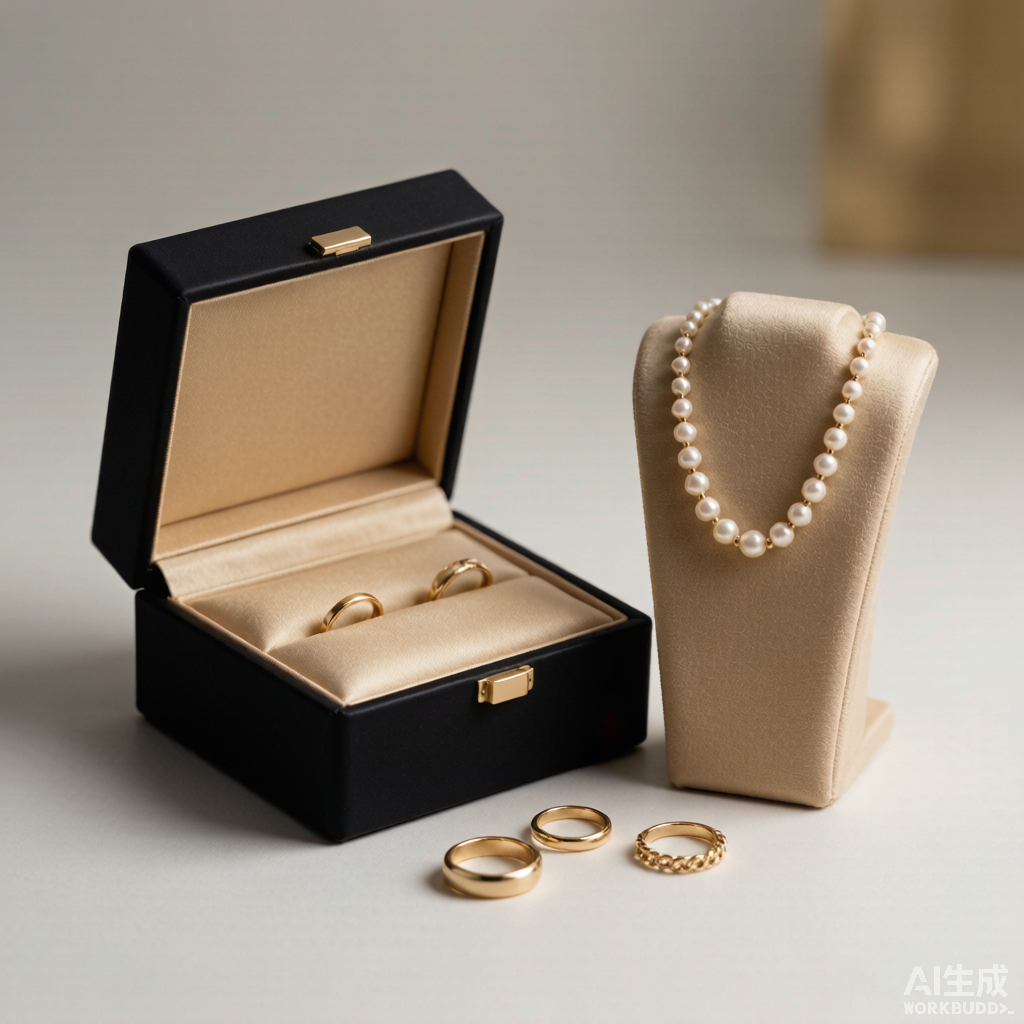
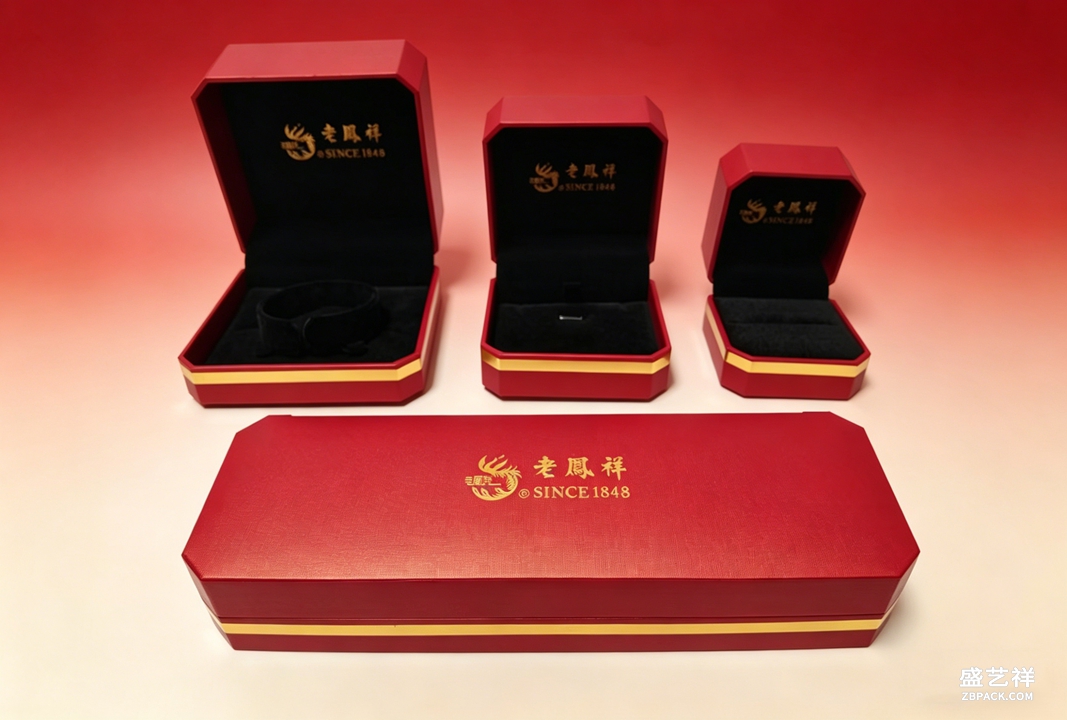
这正是老板常提的那句话——高端简约珠宝首饰品包装设计,更容易被顾客青睐——放到陈列上同样成立。极简的珠宝陈列道具意味着更少的褶皱、夹层与视觉死角,店员一眼就能看清每件货的去向,也减少了"顺手牵羊"可借力的遮挡;同时,开放但不堆砌的台面传递的是一种"被信任"的高级感,顾客愿意停留、愿意被服务,而不是隔着玻璃被防备。少即是多,在这里既是美学,也是风控:视觉越干净,监控与人眼越省力,诱惑力反而更高。饰品包装盒与陈列道具共用同一套克制语言,顾客从柜台到拎走礼盒,体验是连贯的。
Q4:防损技术到底怎么选?
主流正从传统 EAS(电子防盗天线)升级到 UHF RFID(超高频射频识别,865–928MHz)。一枚微型标签嵌进价签或托盘,智能展柜能记录每一次"拿起—放回",出口闸门在未经授权带离时即时报警;盘点也从几天压缩到十几分钟,库存准确率从人工的 65%–85% 提升到 99%–99.9%。RFID-UK 与多家部署案例显示,珠宝 RFID 的失窃与损耗可降低 15%–95%(多篇案例达 94%–95%),销售因可得性提升而上浮 15%–20%,投资回收期多在 3–18 个月。对盛艺祥这样的珠宝盒工厂与道具供应商而言,趋势是"标签即道具的一部分"——把识别能力预先做进托盘与内衬,门店无需二次改造。标签单价已降到几美分至几美元,单店基础读头系统可控制在万美元以内,对高单价小件的珠宝业态,投入产出比远高于多数零售品类。
Q5:展柜材质与灯光,怎么兼顾"防"和"诱"?
玻璃选低反射夹胶,既防砸又避免反光晃眼、遮住店员视线——反光本身会给顺手牵羊留视觉盲区;锁具与报警模块尽量隐蔽,不破坏台面整洁;灯光仍按品类走:黄金古法金 2700–3000K、白色金属与钻石 3500–4000K、显色指数 CRI>90,好光既能把珠宝衬得更诱人,也让店员把细节看得更清。珠宝摆台的材质(亚克力、木质、金属)本身要固定牢靠、不留可撬动的缝隙。换句话说,安全不该长一张"我很紧张"的脸,而应该藏在精致里。
Q6:怎么衡量这套陈列的回报?
别只看损耗率,要同时看转化率。Dragonguard 的精品店对比很说明问题:从"全锁玻璃柜"切到"精密标签+开放陈列"后,平均损耗率从 11.4% 降到 3.2%,顾客停留从 2.5 分钟拉长到 7.8 分钟,转化率最高提升 35%。RFID 案例中,一家年营收 1000 万美元的珠宝商,2% 损耗即 20 万美元/年,砍掉一半就是 10 万美元净省。关键指标就两条:损耗率(越低越好)与转化率(越高越好),二者要一起读——过度上锁会把损耗压下去,却也把生意压下去。盛艺祥给门店的建议始终是:用克制的道具和隐形设防,换更高的停留与成交,而不是用铁柜换心安。我们在回访门店时常用一个简单公式:把"少丢的钱"加上"多卖的钱",再减去"设防的成本",只要净额为正,这套陈列就成立。多数门店在 3–6 个月内就能看到净额转正。
本文为原创内容,版权归盛艺祥所有。如需转载请注明出处。
盛艺祥(Shengyixiang)——高端珠宝包装设计与定制专家,为品牌护航。
Open display makes jewelry irresistible—but it also puts shrinkage on the owner's mind. Do security and temptation really force a choice? The answer is not "open or locked" but "how open can we be while keeping risk minimal."
Q1: Is open display worth the risk?
Yes—but "open and protected," not "open and naked." NRF's 2023 National Retail Security Survey put the average U.S. shrink rate at 1.6%, equal to $112.1 billion in losses; by 2024 the rate reached 1.68% and industry losses passed $140 billion. Jewelry, watches, home goods and footwear sit below 1.5% on average, yet small high-value pieces are exactly what thieves target—RFID industry models put jewelry shrinkage at 1.5%–2.5% of revenue, so a $50M-turnover chain loses $750K–$1.25M a year to theft and error. The other side of the coin: lock everything in glass and you strip away the "pick it up, feel the weight, read the finish" moment. Dragonguard's data shows that for every extra 10 seconds a shopper holds a high-value micro-item, purchase probability rises about 12%. So the real question is never "open or locked" but "how open can we be while keeping risk minimal." Of that shrink, external theft including organized retail crime accounts for about 36% and internal theft about 29%—nearly two-thirds comes from people, not systems. Making display both open and controllable is precisely how you minimize the human risk. That is the first contradiction jewelry display props must solve.
Q2: What should be locked, what left open?
Tier your props by value density and impulse. Top-price, limited or one-of-a-kind pieces go in lockable smart pedestals or drawers that open on demand. Mid-to-high ticket rings and studs sit on open trays guarded by invisible precision tags—as small as 15mm, even 6×4mm micro-inlays stuck to the price tag or liner, harmless to precious metals. Low-price traffic-builders and impulse items stay fully open. Shrinkage concentrates in "small, pricey, easy to palm" items, so tagging exactly those costs far less than locking the whole case and preserves the best touch experience for real buyers. Tiering also clarifies the staff move: hero pieces open on request as a ritual; open pieces invite self-try-on, turning the associate from "the person with the key" into a consultant. Shengyixiang's advice when planning a jewelry display prop layout is to reserve open, touchable surface for the conversion leaders and reserve secured surface for hero pieces.
Q3: Why does minimalist display feel safer?
This is the point the boss repeats—high-end, simple jewelry packaging design wins more customers—and it holds for display too. Minimalist jewelry display props mean fewer folds, compartments and visual dead corners, so staff can see at a glance where every piece is, and there is less cover for a quick grab. At the same time, an open but uncluttered counter signals "we trust you," inviting shoppers to linger and accept service rather than feel watched behind glass. Less is more here as both aesthetics and risk control: the cleaner the sightline, the easier for eyes and cameras, and the stronger the pull. The jewelry box and the prop speak one restrained language, so the journey from counter to carry-home gift feels continuous.
Q4: How to choose the loss-prevention tech?
The mainstream has moved from classic EAS antenna gates to UHF RFID (865–928MHz). A tiny tag lives in the price tag or tray; smart displays log every "pick up–put back"; exit gates alarm on unauthorized removal; and inventory that took days now takes minutes, with accuracy jumping from 65%–85% manual to 99%–99.9%. RFID-UK and multiple deployments report jewelry theft/shrink cut by 15%–95% (many cases 94%–95%), sales up 15%–20% on better availability, payback in 3–18 months. For a jewelry box factory and prop supplier like Shengyixiang, the trend is "the tag is part of the prop"—build identification into trays and liners so stores need no retrofit. Tag cost has fallen to cents or a few dollars each, and a basic in-store reader system can run under $10,000—for a high-value, small-item jewelry business the ROI beats most retail categories. Fewer compartments also mean faster, more accurate RFID reads, so minimalism and technology reinforce each other.
Q5: Glass, material and light—how to protect and tempt at once?
Choose low-reflection laminated glass: it resists impact and avoids glare that blinds staff (reflection itself creates a visual blind spot a grabber can exploit). Keep locks and alarms hidden so the surface stays clean. Light still follows the product—2700–3000K for gold and antique gold, 3500–4000K with CRI>90 for white metals and diamonds; good light makes jewelry more tempting and lets staff see detail. The prop material (acrylic, wood, metal) must be fixed solidly with no pry-able gaps. The same laminated glass that resists impact also dampens sound and reads as quality, so the security choice and the brand choice stop fighting each other. In short, security should not look nervous; it should hide inside the refinement.
Q6: How do we measure the return?
Don't read shrink alone—read it against conversion. Dragonguard's boutique comparison is telling: moving from "fully locked cases" to "precision tags + open display" cut average shrink from 11.4% to 3.2%, lifted dwell time from 2.5 to 7.8 minutes, and raised conversion by up to 35%. In RFID cases, a $10M jeweler losing 2% pays $200K a year; halving it saves $100K. The two metrics to watch together are shrink rate (lower better) and conversion (higher better)—over-locking drops shrinkage but also drops the business. Shengyixiang's standing advice: use restrained props and invisible protection to win longer stays and more sales, not iron cabinets to win peace of mind. Our field rule is simple: add "money not lost" to "money additionally sold", subtract "cost of protection"; if the net is positive, the display works. Most stores see the balance turn positive within 3–6 months.
This is original content. Copyright belongs to Shengyixiang.
Shengyixiang — your expert in high-end jewelry packaging design & customization.