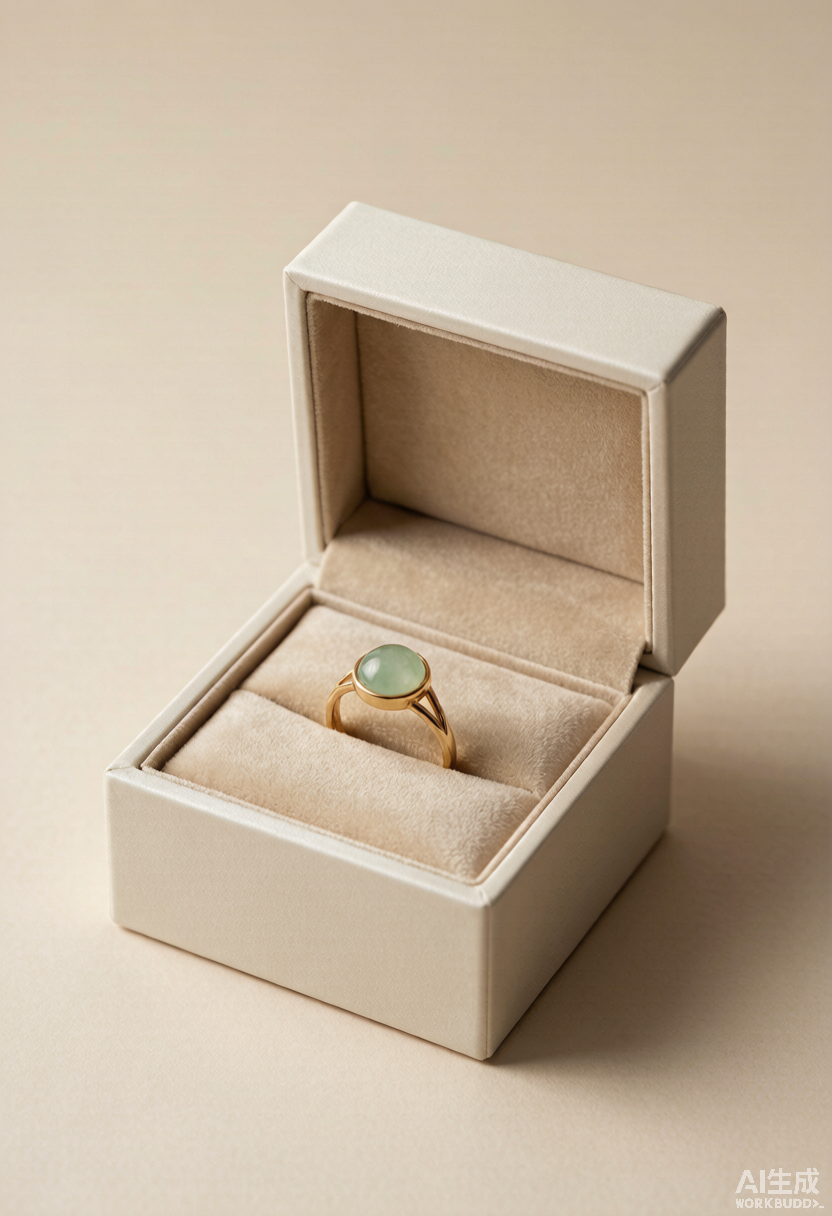
翡翠走进日常穿搭 How Jadeite Became Gen Z's Everyday Style Staple
当「奶奶的玉」变成「我的玉」
过去十二个月,翡翠在中国消费语境里的叙事被悄悄重写。它不再是妈妈辈保险柜里那个只敢在春节拿出来显摆的传家镯,而是 Z 世代通勤包里那枚随手搭在白衬衫领口的小吊坠。这个转变不是营销话术,而是真实发生在销售数据里的代际更替。
2026 年春季,北京保利拍卖一件玻璃种满绿手镯以 2300 万元成交,创下近年新高;同场一只高冰种飘绿吊坠较去年同期上涨 20%。高端翡翠依旧坚硬,但真正拉动增量的,是另一端的「轻量化」。2025 年双 11 期间,某平台时尚翡翠品类销售额同比增长 67%,其中 30 岁以下年轻消费者占比达到 45%。到了 2026 年,这股势头没有回落——据行业研究机构《Momentum 2026 翡翠玉石文玩趋势洞察》,25 至 39 岁的中坚青年已占玉石文玩消费的六成以上,女性用户占比突破 55%。
从「传世」到「悦己」的逻辑切换
代际更替背后,是购买逻辑的根本转向。上一辈买翡翠,买的是稀缺、是保值、是「传给下一代」的安全感;年轻人买翡翠,买的是此刻佩戴的快乐、是设计感、是吉祥寓意带来的情绪价值。北京一场玉石文化暨时尚首饰展上,95 后消费者陈女士的说法很有代表性:「以前觉得翡翠是妈妈辈的东西,现在这种细细小小的款式,搭白衬衫和针织衫都好看,已经买了两条了。」
需求变了,供给立刻跟上。禧荟翠用 K 金加小颗翡翠做出「青鸾衔枝」吊坠,重仅 3 克,上市半年卖出 1.2 万件,复购率 25%;周六福把珐琅彩与翡翠组合成卡通福字小吊坠,定价 3000 元上下,成为年轻女性的心头好;周大福「青春翠」系列把翡翠雕成小爱心、小星星,千元级定价精准卡住入门心智。「小而美」取代「越大越贵」,成为 2026 年新款翡翠的主流语法。
新中式,是设计语言不是情怀包袱
支撑这场年轻化的,是「新中式」审美的水到渠成。当国潮崛起、文化自信回归,和田玉与翡翠不再只是「长辈的收藏」,而被重新定义为「东方美学的日常表达」。细条翡翠手镯叠戴金手链、翡翠平安扣配细银链、翡翠蛋面与金属链条结合的 choker——这些搭配在社交平台上反复出片,让玉从「老气」的标签里彻底脱身。
有意思的是,材质也在下沉普及。在缅甸翡翠原料日益稀缺的背景下,危地马拉翡翠(「危料」)凭相对稳定的供应和仅为缅甸料 30% 至 50% 的价格,正从边缘走向舞台中央,电商纷纷开设「危料专区」,推动其「正名化」。这让更多年轻人能以千元预算拥有一件「真玉」,进一步打开了轻奢翡翠的空间。
需求侧的扩张也有数据背书。据中宝协预测,2026 年全国珠宝首饰行业零售总额将突破 7800 亿元,其中和田玉、彩宝等品类增速有望保持在 10% 以上。翡翠恰好站在这条增长通道里,而年轻消费者正是引擎。更值得注意的是消费节奏的变化——年轻人不再一次性重金购入,而是「养成式」进阶:先花 500 元买一枚玉质平安扣当日常配饰,三个月后进阶入手千元级手串。这种把玉从「一次性传家」拆成「持续陪伴」的关系,恰恰契合了悦己消费的逻辑。
信任是这场转型的另一半。年轻买家更在意设计与质感,而非玄妙的「种水」话术,品牌因此用透明定价与溯源系统回应:产地编码、加工过程视频监控、A 货认证可在线查验。这既消除了「被忽悠」的顾虑,也让物件本身说话。当购买决策从「保值与否」转向「喜不喜欢」,翡翠第一次真正回到了佩戴这件事本身。
当珠宝变日常,包装与陈列也要重新说话
翡翠年轻化的另一层含义,是它被佩戴、被拍照、被分享的频率远高于从前。过去一件传家镯几十年不出柜,如今一枚小吊坠可能每天见人。这对呈现端提出了新要求:如何让一件轻巧的翡翠在日常佩戴之外,也能在开盒与陈列的瞬间兑现它的「高级感」。
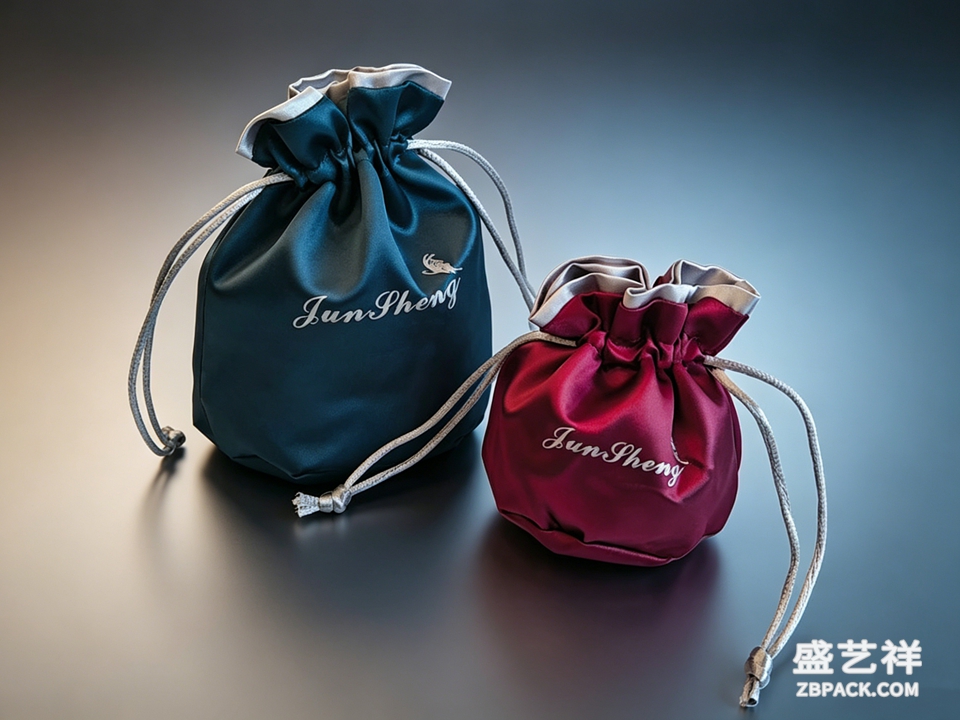
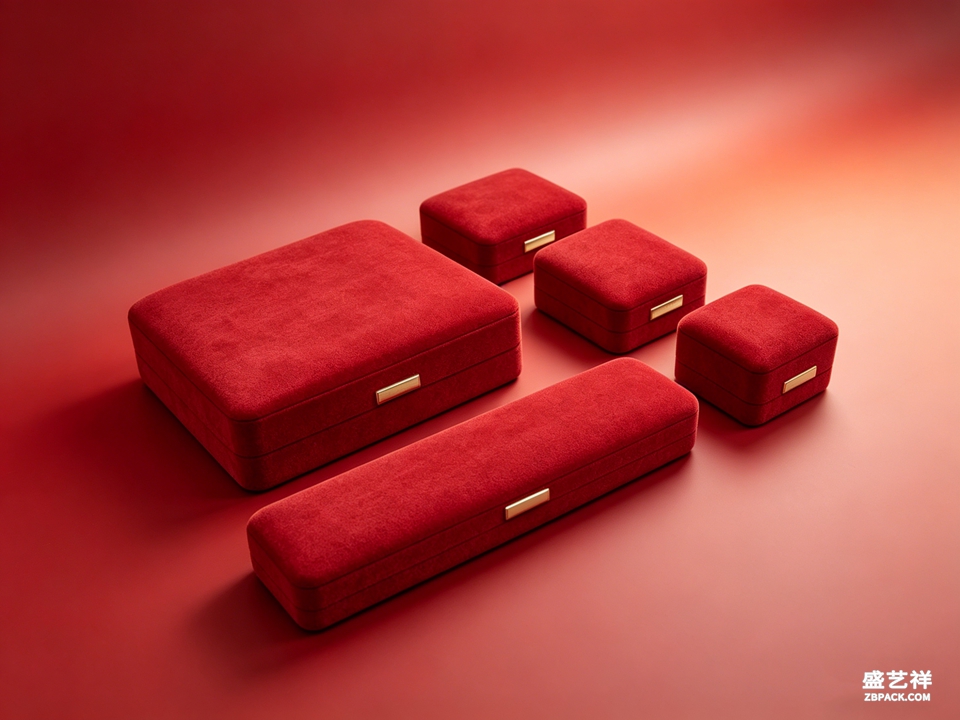
这正是盛艺祥所关注的命题。珠宝包装设计不再只是「把东西装进去」,而是要承接年轻消费者对仪式感与辨识度的双重期待——一只克制的首饰盒,既要让开盒三秒看见设计的去处,也要在社交分享的镜头里体面出镜;珠宝陈列道具则要把温润的玉色衬得通透,而非用冷硬的反光吃掉它的灵气。当翡翠从收藏柜走进日常衣橱,包装与陈列的语言,也该跟着一起年轻。
本文为原创内容,版权归盛艺祥所有。如需转载请注明出处。
盛艺祥(Shengyixiang)——高端珠宝包装设计与定制专家,为品牌护航。
From "Grandma's Jade" to "My Jade"
For most of the past decade, jadeite in China carried a single, slightly dusty image: a heavy bangle locked in a safe, brought out only at Spring Festival. That story is being rewritten. Across the last twelve months, jade has quietly migrated from the heirloom drawer to the everyday outfit — a tiny carved pendant resting on a white shirt collar, a thin icy-green bangle stacked with a gold chain. This is not a marketing slogan; it is a generational shift showing up in real sales data.
The high end remains rock-solid. At Beijing Poly's 2026 spring sale, a glass-type imperial-green bracelet sold for 23 million yuan, a recent record, while a high-ice floating-green pendant rose 20% year on year. But the volume growth is happening at the other end. During the 2025 Singles Day window, one platform's fashion-jade category grew 67% year on year, with under-30 buyers accounting for 45% of sales. By 2026 the momentum held: according to the Momentum 2026 report on jade and curio trends, consumers aged 25 to 39 now make up more than 60% of the jade and curio market, with female buyers exceeding 55%.
The Logic Shift: From "Pass It Down" to "Enjoy It Now"
Underneath the demographic change is a change in why people buy. The previous generation purchased jade for scarcity, for value preservation, for the security of handing something to the next generation. Younger buyers purchase it for the joy of wearing it today, for design, and for the emotional comfort of an auspicious meaning. At a Beijing jade and fashion jewelry fair, a post-95 shopper put it plainly: "I used to think jade was for the older generation. But these slim, tiny styles look great with a white shirt or a knit, and I have already bought two."
Supply followed demand immediately. Xi Hui Cui paired K-gold with small jade cabochons to make a phoenix-holding-branch pendant weighing just 3 grams — 12,000 sold in six months with a 25% repurchase rate. Chow Tai Fook's Youth Jade line carves jade into little hearts and stars at entry-level price points. Small and beautiful has replaced bigger and pricier as the dominant grammar of 2026 jade design.
New Chinese Style Is a Design Language, Not a Nostalgia Burden
What powers this youth movement is the natural arrival of New Chinese Style. As guochao, the national trend, rises and cultural confidence returns, nephrite and jadeite are no longer only what elders collect but are being reframed as everyday expressions of Eastern aesthetics. A thin jade bangle layered with a gold bracelet, a peace-button pendant on a slim silver chain, a jade cabochon set into a metal choker — these looks circulate constantly on social platforms, pulling jade completely out of the old-fashioned box.
Material is also democratizing. As Burmese rough grows scarce, Guatemalan jadeite, known as Guatemalan material, is moving from the margins to center stage, thanks to steadier supply and prices only 30 to 50% of Burmese material. E-commerce platforms now run dedicated Guatemalan-material zones, pushing its legitimation and letting more young buyers own a piece of real jade on a thousand-yuan budget, widening the light-luxury jade space.
The demand side has data behind it. The China Gold and Jewelry Association forecasts that national jewelry retail will exceed 780 billion yuan in 2026, with nephrite and colored-gem categories growing above 10 percent. Jade sits squarely inside that growth lane, and the young buyer is the engine. What is more interesting is the change in purchasing rhythm. Instead of one heavy purchase, many young buyers advance gradually: they start with a 500 yuan peace-button pendant as a daily accessory, then step up to a thousand-yuan bead strand three months later. This habit turns jade from a one-time heirloom into a continuing companion, which fits the logic of self-reward consumption perfectly.
Trust is the other half of the shift. Because young buyers care more about design than provenance lore, brands are answering with transparent pricing and traceability: source codes, video-recorded processing, and A-grade certification that can be checked online. That removes the fear of being misled and lets the object speak for itself. When the buying decision moves from whether it holds value to whether one simply likes it, jade returns, for the first time, to the act of wearing.
The shift also changes how jade is photographed and shared. Because young owners post their pieces constantly, the object now lives a second life on social feeds, where lighting, styling, and the unboxing moment become part of the product itself. Houses that once kept jade hidden in velvet cases now design for the camera as much as for the wrist — a quiet but fundamental change in what the product actually means. For a category built on restraint, learning to be seen is the real 2026 story, and that makes the presentation around the stone — the box, the card, the display — do more communicative work than ever before.
When Jewelry Goes Daily, Packaging and Display Must Relearn to Speak
The deeper implication of jade's youth shift is frequency. An heirloom bangle might leave the safe once a decade; a small pendant may be worn and photographed every day. That raises new demands on the presentation layer: how does a light, everyday jade deliver its sense of premium in the instant of unboxing and on the shelf?
This is exactly the question Shengyixiang cares about. Jewelry packaging design is no longer just putting the item in a box — it must carry young consumers' twin expectations of ritual and recognizability. A restrained jewelry box should reveal the point of the design within three seconds of opening and still look dignified in a shared photo; display props should make the warm jade translucency read clearly rather than let cold reflections eat its spirit. As jade steps from the safe into the daily wardrobe, the language of packaging and display has to grow younger too.
This is original content. Copyright belongs to Shengyixiang.
Shengyixiang — your expert in high-end jewelry packaging design & customization.