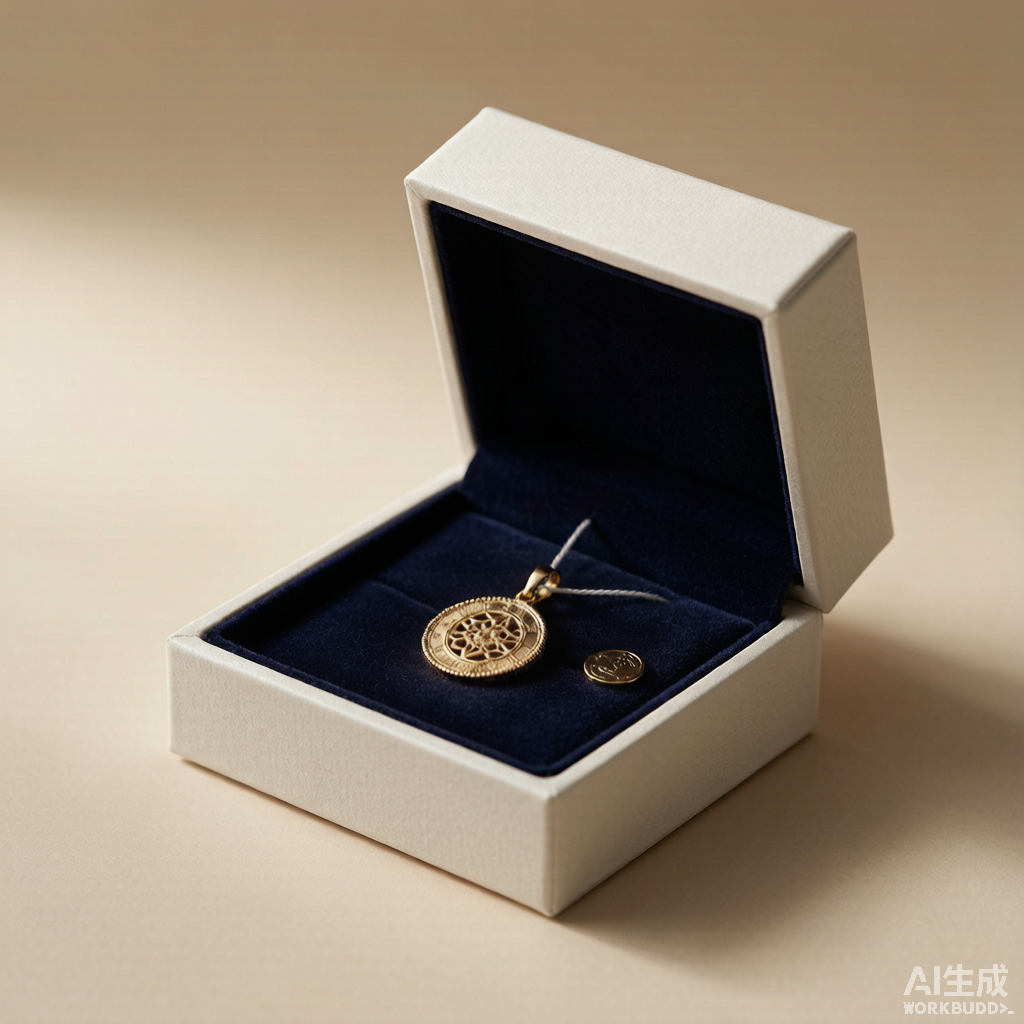
护身符珠宝成新宠 Why Talismanic Jewelry Is 2026's Quiet New Obsession
2026 年的秀场上,曾经那根"若有若无"的细金链正在退场。取而代之的,是一枚枚挂在胸前的吊坠——金币、徽章、贝壳、刻着星盘或符文的圆牌。它们不像首饰,更像贴身携带的"信物"。当全球经济被关税与不确定性反复拉扯,年轻人把珠宝从"炫耀资本"重新定义成"情绪盔甲":我戴的不是价格,是我相信的东西。
当链条开始"说话"
WWD 在总结 2026 春夏珠宝趋势时,把"护身符吊坠(talismanic pendants)"放在了最中心的位置。Sophie Buhai、Jennifer Behr 把这类单品做成"有故事的首饰";Ralph Lauren、Tory Burch、Hermès 的秀场也集体转向雕塑感银饰、贝壳与金币。它们的共同点是:不靠堆叠,而靠"一件就够"的存在感——一枚落在胸骨位置的吊坠,比一整条层叠项链更能说出佩戴者是谁。在零售端,这种"有故事的吊坠"正快速落地:金币、出生石、星座与姓名首字母被混进同一条"颈间杂乱"里,心形、十字、小锁与马蹄铁、邪眼等"好运符号"成了最爱被聊起的话题,尤其戳中怀旧的 Z 世代。
印章戒也来凑"私人密码"
借同一股风回潮的,还有印章戒。它从"老钱"的家族纹章,变成了年轻人的日常暗号——梅根、赞达亚、泰勒·斯威夫特、雅各布·埃洛迪都把它戴在无名指或小指上,刻的不再是家徽,而是姓名首字母、星座、生命之树,甚至爱宠的侧脸。它男女皆宜、门槛更低,成了许多年轻顾客第一次走进珠宝店的入口。符号不必喧哗,一枚干净的小方牌就够"私人"。
一枚金币的千年回响
这套语言并不新。大都会艺术博物馆收藏的晚期古董金质胸饰,重达四分之三磅,由空心金管串起十四枚金币与两枚圆牌;大英博物馆则藏有银质"希尔兹"(装经文的护身吊坠)与一枚作护符佩戴的金币。几千年来,人类就把"好运、庇护、身份"焊进贴身的金属里。2026 的回潮,不过是让这套古老语法重新流通——只不过这一次,它挂在白 T 恤与外套之间,日常得像呼吸。
符号成了产品策略
商业嗅觉最快。Pandora 2025 年推出 Talisman 系列,用金币造型配拉丁文铭文,把"护身"做成大众品类;Foundrae 则在 2026 年 2 月于纽约联邦法院起诉 Pandora,指其徽章设计侵权——连法律战都说明,公共领域的古老符号,如今是兵家必争的"视觉资产"。与此同时,个性化成为增长最快的赛道:行业研究预计定制珠宝规模将冲向 680 亿英镑,Z 世代与千禧一代是主力;出生花、迷你印章戒正取代被用滥的星座牌,提供更含蓄的"私人密码"。
在不确定里,我们想戴点"护身"的
麦肯锡《2026 时尚业态》里,受访高管用得最多的词是"challenging"——关税被列为头号障碍,46% 的人预期来年更差。De Beers 2026 年 6 月钻石报告(1.85 万名美国女性调研)也印证了转向:自然钻石均价上涨 25%,Z 世代已是第二大购买代际,而非婚嫁场景占了美国钻石需求的四分之三。当大环境让人不安,人们反而更想为"有意义"买单:一枚印章戒、一道符、一句铭文,是花得起的"确定感"。
从"显贵"到"显己"
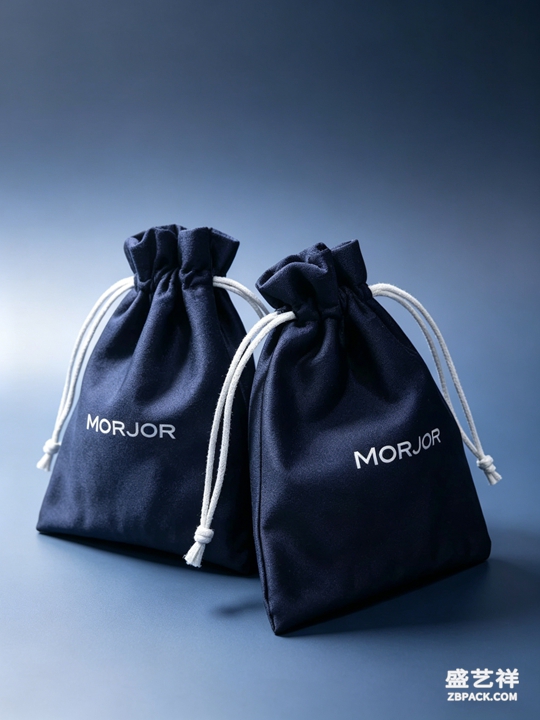
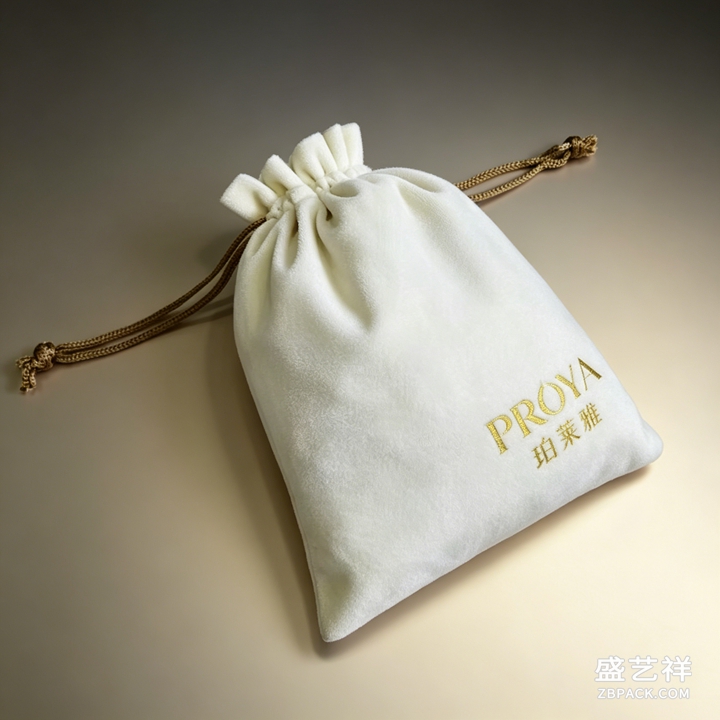
这一轮回潮的底层,是珠宝价值坐标的迁移:从"别人看我多贵",转向"我自己信什么"。当不确定性成为常态,贴身的一枚符号,成了最低成本的安心。对品牌而言,这意味着叙事权交还给了佩戴者——包装不必替产品喊话,只需体面地把这件"信物"交到手心。盛艺祥在珠宝包装设计上,更适合用克制的结构去托住单件主角:深绒内衬的专位、胸骨高度的视线、一张讲清符号来历的小卡,远比满版烫金更有效。一只考究的首饰盒与一组珠宝陈列道具,也该从"堆量"转向"单件策展"——一件徽章,一块干净底台,留白即分量。
本文为原创内容,版权归盛艺祥所有。如需转载请注明出处。
盛艺祥(Shengyixiang)——高端珠宝包装设计与定制专家,为品牌护航。
On the spring 2026 runways, the whisper-thin chain is losing its grip. In its place hangs something heavier with intent: a gold coin, a medallion, a shell, a disc etched with a star sign or a rune. These pieces read less like decoration and more like amulets worn close — jewelry asked to do an emotional job again. As tariffs and uncertainty rattle the global mood, a younger generation is redefining fine jewelry from a status signal into a kind of armor: what I wear is not my price tag, but what I believe.
The pendant learns to speak
WWD placed "talismanic pendants" at the center of its spring 2026 jewelry read. Sophie Buhai and Jennifer Behr framed them as story-driven adornment; Ralph Lauren, Tory Burch and Hermès all leaned into sculptural silver, shells and gold coins. The through-line: presence over pile-up. A single pendant resting at the sternum says more about the wearer than a full stack of layers. At retail the idea is landing fast: coin discs, birthstones and initial charms are mixed into the same "neck mess," while hearts, crosses, lockets, padlocks and evil eyes become the conversation-starting good-luck motifs that nostalgia-loving Gen Z loves most. The strongest versions never look overloaded — one clear form, clean edges, enough weight to read as an object rather than a trinket.
The signet joins the private code
Riding the same wind is the signet ring. Once a family crest of "old money," it has become a daily cipher for the young — Meghan Markle, Zendaya, Taylor Swift and Jacob Elordi wear it on the ring or pinky finger, engraved not with a coat of arms but with initials, a star sign, a tree of life or even a pet's profile. Unisex and low-commitment, it is often a younger shopper's first step into a jewelry store. A symbol need not shout; one clean little plaque is private enough, and it sits comfortably in a stack without losing its identity.
A coin's thousand-year echo
This grammar is ancient. The Met's late-antique gold pectoral weighs three-quarters of a pound, a hollow tube hung with fourteen gold coins and two discs. The British Museum holds a silver hirz — an amuletic Qur'an-case pendant — and a gold coin worn as protection. For millennia we have soldered luck, shelter and identity into metal worn against the skin. The 2026 revival simply puts that old syntax back into circulation, this time between a white tee and a blazer, as casual as breathing. The most compelling examples feel archetypal precisely because they borrow symbols worn for centuries — they need no logo to be recognizable.
Symbols become a product strategy
Commerce moved fastest. Pandora's 2025 Talisman collection turned coins and Latin inscriptions into a mass-category. Foundrae sued Pandora in a New York federal court in February 2026 over medallion designs — proof that public-domain symbols are now contested visual assets. Meanwhile personalization is the fastest-growing lane: industry research puts the bespoke jewelry segment near £68 billion, powered by Gen Z and Millennials. Birth flowers and mini signet rings are quietly replacing overexposed zodiac medals as a more private code. Charms themselves are mutating into modular storytelling systems — interchangeable elements that chart a personal journey, a format that fits perfectly with the era of customization and adaptability. The language of symbols has become a product strategy in its own right.
Why jewelry, and why now
There is a structural reason the talisman lands now. Alexis Nasard has argued that lab-grown diamonds and a stronger embrace of culture and design will matter as jewelry keeps outshining fashion in consumer interest. In a year executives call "challenging," a small object charged with meaning is far easier to justify emotionally and financially than a coat or a bag — it is rich in both material and symbol, yet small enough to buy without flinching. Jewelry fits the industry's reset neatly: smaller than a handbag, but often weightier in story. Against a cautious backdrop, buyers gravitate to pieces with "depth and purpose" rather than seasonal turnover.
In uncertain times, we reach for something charged
McKinsey's State of Fashion 2026 heard one word most from executives: "challenging." Tariffs top the list of hurdles, and 46% expect the year ahead to worsen. De Beers' June 2026 Diamond Report, surveying 18,500 US women, confirms the shift: average natural-diamond prices rose 25%, Gen Z is now the second-largest buying generation, and non-bridal occasions account for three-quarters of US diamond demand. When the macro mood turns anxious, people pay for meaning — a signet, a charm, an inscription is an affordable piece of certainty, a small talisman to carry through an unstable year.
From showing wealth to showing self
Underneath this revival is a shift in jewelry's value coordinate: from "how expensive do I look" to "what do I believe." When uncertainty becomes the norm, a symbol worn close is the cheapest comfort available. For brands, it means handing the narrative back to the wearer — packaging need not shout for the product; it only has to deliver the talisman with dignity. Shengyixiang's approach to jewelry packaging design is better served by restraint that holds a single hero piece: a dedicated velvet cradle, a sternum-level line of sight, a small card explaining the symbol's origin, rather than all-over gilding. A considered jewelry box and a set of display props should move from volume to single-object curation — one medallion, one clean plinth, negative space as weight. When jewelry starts speaking for its owner, the most dignified response from packaging is to hand it over, quietly.
This is original content. Copyright belongs to Shengyixiang.
Shengyixiang — your expert in high-end jewelry packaging design & customization.