培育钻石重塑珠宝新纪元 Lab Diamonds Reshape Jewelry Era
一、培育钻石从边缘走向主流
2026年,实验室培育钻石已彻底告别"新兴黑科技"标签,跃升为全球珠宝消费的核心力量。据《2026年中国培育钻市场分析报告》,2025年全球培育钻成品市场规模达231亿美元,2021至2025年复合增长率高达43.8%。中国市场规模达1278亿元,占全球终端零售市场的77%,稳居全球最大消费市场。渗透率数据更为直观——2025年中国市场培育钻在珠宝端渗透率已达27%,北上广深等一线城市更是高达38%。戴比尔斯集团最新调研显示,Z世代已跃升为第二大钻石购买群体,年均购买或收到钻石频率达1.83次,远超其他世代。非婚嫁场景如悦己消费、节日礼赠正在成为重要推动力,培育钻石正在重新定义"钻石"的消费边界。
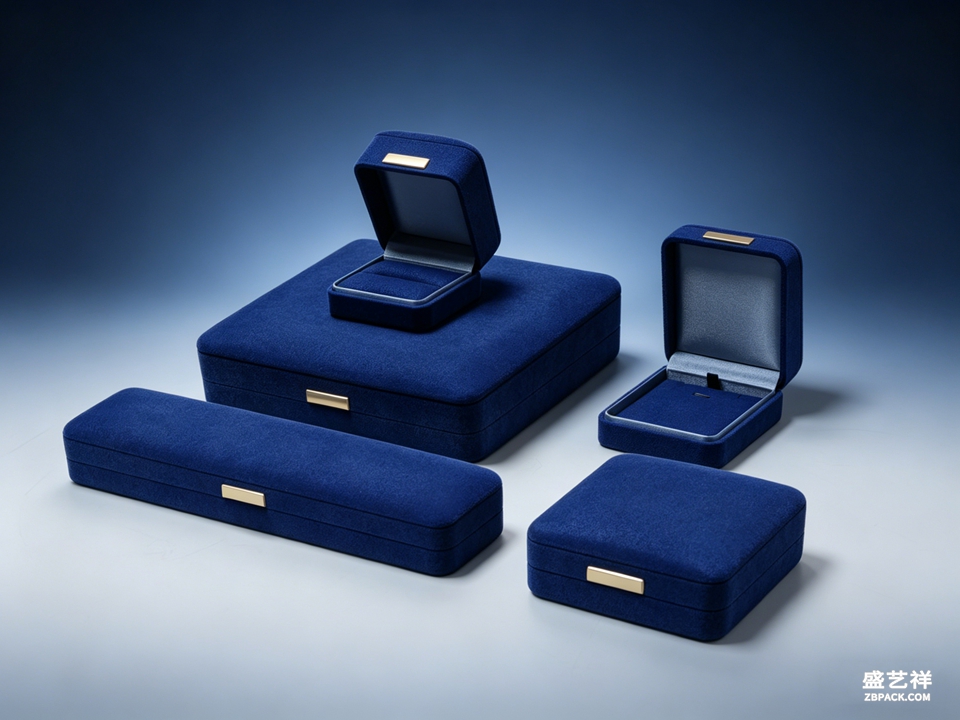
二、科技驱动的价值平权
培育钻石与天然钻石在物理、化学、光学属性上完全一致——硬度同为莫氏10级,折射率均为2.417,色散系数0.044,专业检测机构仅能通过特殊仪器识别生长痕迹加以区分。然而,得益于中国作为全球第一生产大国(2024年产量达2200万克拉,占全球63%)的产能优势,培育钻石价格仅为同品级天然钻石的十分之一甚至更低。这意味着消费者可以用相同的预算获得更大克拉、更高品质的钻石。Ring Concierge纽约展厅的数据印证了这一趋势:选择培育钻石的情侣平均克拉数逐年攀升,3至4克拉已成为常见选择,而同等预算在天然钻石领域仅能获得1至2克拉。这种由科技带来的价值平权,正在让"大克拉自由"从奢侈品变为可触及的现实。
三、彩色宝石的叙事复兴
在培育钻石改写钻石市场格局的同时,彩色宝石正经历一场叙事驱动的复兴。PORTER将牛血色宝石列为2026年年度大胆色调,石榴石耳环、维多利亚风格红宝石圈形耳环成为时尚编辑的首选推荐。Jia Jia的半宝石水晶系列以其丰富的色彩谱系为叠戴造型注入大胆跳色,Marlo Laz的"星暴"项链以石榴石为中心石,吊坠可随时拆卸更换为其他挂饰,赋予佩戴者全年变换的自由。祖母绿、蓝宝石、摩根石等彩色宝石正从婚礼配角走向日常主角,消费者倾向于用色彩讲述个人故事,而非固守"钻石即一切"的单一路径。Tiffany等顶级品牌亦在个性耳环系列中大量融入坦桑石、海蓝宝石等彩色宝石,印证了这一趋势的全面渗透。
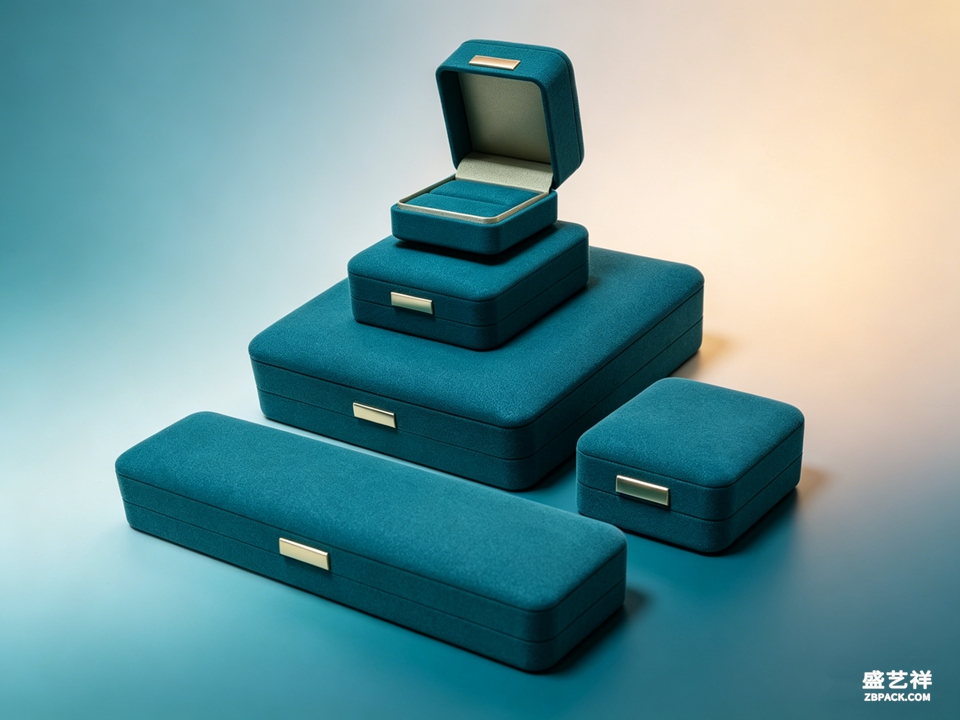
四、可持续理念重塑消费逻辑
培育钻石的单位产能碳排放仅为天然钻开采的六分之一,且无地表破坏、无冲突矿区风险,完美契合当代年轻消费者的环保理念。回收金属金与银的运用、可溯源宝石证书体系、可降解首饰袋与可循环饰品包装盒,正从营销噱头升级为行业基础设施。GIA、IGI等权威鉴定机构已为培育钻石建立独立的鉴定报告体系,AGL艾其尔更率先推行4A标准并在证书中植入RFID芯片与区块链数字存证。Z世代消费者不再仅关注价格与美观,而是将伦理溯源、环境足迹与品牌透明度纳入购买决策的核心维度。可持续已从加分项变为入局门槛——没有完整溯源体系的品牌正在失去年轻消费群体的信任。
五、包装行业的绿色转型
当珠宝行业经历从天然到培育、从单一到多彩、从高碳到可持续的深层变革,珠宝包装行业同样面临绿色转型的迫切需求。盛艺祥作为深耕珠宝包装21年的专业厂商,深刻洞察到消费者对可降解首饰袋与环保饰品包装盒日益增长的需求。从原材料采购到生产工艺,从首饰盒设计的结构优化到珠宝袋加工的环保面料选择,每一个环节都在向低碳循环方向演进。可回收纸浆内托、植物染料印刷、可拆卸多层展示结构——这些创新不仅降低了环境足迹,更通过精致的设计语言提升了开箱体验。在培育钻石与彩色宝石重塑珠宝价值体系的时代,包装不再只是容器,而是品牌可持续承诺的第一张名片。
本文由盛艺祥原创发布,21年专注于珠宝盒、手表陈列、首饰陈列道具、珠宝包装生产及设计领域。
1. Lab-Grown Diamonds Move from Niche to Mainstream
In 2026, laboratory-grown diamonds have completely shed their "emerging technology" label, ascending to become a central force in global jewelry consumption. According to the "2026 China Lab-Grown Diamond Market Analysis Report," the global lab-grown diamond finished product market reached $23.1 billion in 2025, with a compound annual growth rate of 43.8% from 2021 to 2025. The Chinese market reached 127.8 billion yuan, accounting for 77% of global retail and firmly establishing itself as the world's largest consumer market. Penetration rate data is even more striking — in 2025, lab-grown diamonds achieved a 27% penetration rate in China's jewelry sector, reaching 38% in tier-one cities including Beijing, Shanghai, Guangzhou, and Shenzhen. The latest De Beers Group survey reveals that Generation Z has become the second-largest diamond-buying demographic, purchasing or receiving diamonds an average of 1.83 times per year, far exceeding all other generations. Non-wedding scenarios such as self-reward purchases and holiday gifting are emerging as significant drivers, as lab-grown diamonds redefine the very boundaries of "diamond" consumption.
2. Technology-Driven Value Democratization
Lab-grown diamonds are physically, chemically, and optically identical to natural diamonds — both rate 10 on the Mohs hardness scale, share a refractive index of 2.417, and have a dispersion coefficient of 0.044. Professional testing institutions can only distinguish them through specialized instruments that detect growth traces. However, thanks to China's position as the world's largest producer (2024 output reaching 22 million carats, 63% of global supply), lab-grown diamonds cost merely one-tenth or less of equivalent natural diamonds. This means consumers can obtain larger carat weights and higher quality diamonds for the same budget. Data from Ring Concierge's New York showroom confirms this trend: couples choosing lab-grown diamonds see their average carat weight climb year over year, with 3 to 4 carats becoming common, while the same budget would yield only 1 to 2 carats in natural diamonds. This technology-driven value democratization is transforming "large-carat freedom" from luxury aspiration to attainable reality.
3. The Narrative Renaissance of Colored Gemstones
While lab-grown diamonds rewrite the diamond market, colored gemstones are experiencing a narrative-driven renaissance. PORTER has named oxblood jewels the bold tone of 2026, with garnet earrings and Victorian-inspired ruby hoops becoming fashion editors' top recommendations. Jia Jia's semi-precious crystal collection injects bold color into stacking with its rich chromatic spectrum, while Marlo Laz's "Starburst" necklace features a garnet center stone with a pendant that can be detached and swapped for other charms, granting wearers year-round versatility. Emeralds, sapphires, and morganites are moving from wedding supporting roles to everyday protagonists, as consumers prefer telling personal stories through color rather than adhering to the singular "diamond is everything" path. Top brands like Tiffany are also extensively incorporating tanzanite, aquamarine, and other colored gemstones into their statement earring collections, confirming this trend's comprehensive penetration.
4. Sustainability Reshapes Consumer Logic
Lab-grown diamonds produce only one-sixth of the carbon emissions per unit capacity compared to natural diamond mining, with no surface destruction or conflict mining risks, perfectly aligning with the environmental values of young consumers. The use of recycled gold and silver, traceable gemstone certification systems, biodegradable jewelry pouches, and recyclable packaging boxes are evolving from marketing gimmicks to industry infrastructure. Authoritative certification bodies including GIA and IGI have established independent grading report systems for lab-grown diamonds, while AGL has pioneered the 4A standard and embedded RFID chips with blockchain digital certification in its reports. Generation Z consumers no longer focus solely on price and aesthetics; they integrate ethical traceability, environmental footprint, and brand transparency into the core of their purchasing decisions. Sustainability has shifted from a bonus feature to an entry threshold — brands without complete traceability systems are losing the trust of younger consumer groups.
5. The Green Transformation of Packaging
As the jewelry industry undergoes profound transformation — from natural to lab-grown, from singular to colorful, from high-carbon to sustainable — the jewelry packaging industry faces equally pressing demands for green transformation. Shengyixiang, as a professional manufacturer deeply rooted in jewelry packaging for 21 years, deeply perceives the growing consumer demand for biodegradable jewelry pouches and eco-friendly packaging boxes. From raw material sourcing to production processes, from structural optimization in jewelry box design to sustainable fabric selection in jewelry pouch manufacturing, every环节 is evolving toward low-carbon circularity. Recyclable pulp inserts, plant-based dye printing, detachable multi-tier display structures — these innovations not only reduce environmental footprint but also elevate the unboxing experience through refined design language. In the era where lab-grown diamonds and colored gemstones are reshaping the jewelry value system, packaging is no longer merely a container but the first calling card of a brand's sustainability commitment.
This article is originally published by Shengyixiang, with 21 years of dedication to jewelry boxes, watch displays, jewelry display props, and jewelry packaging production and design.