蓝调叠戴重塑珠宝风尚 Blue Layers Reshape Jewelry Trend
一、海洋蓝调帖卷珠宝界
2026年的珠宝潮流正被一股海洋蓝色浪潮所席卷。从蓝宝石到海蓝宝,从坦桑石到蓝托帕斯,这些带着深海色彩的宝石正以前所未有的姿态登上时装周中心舞台。在Calvin Klein和Saint Laurent的春夏系列秀场上,黑白单色主义与海洋蓝宝石的碰撞成为最令人印象深刻的视觉画面。与往年钻石独领风骚不同,今年的蓝调宝石更强调色彩的情绪表达力与混搭可塑性。
海蓝宝以其温润的海水蓝色调节成为今年的领跑者,它不仅能够提亮蓝色或绿色眼睛的色彩,还能与黄金、白金等金属材质形成精妙的冷暖对比。坦桑石则以其賟融石般的深郁蓝色和独特的多向色彩变化,成为个性化珠宝设计的新宠儿。这些宝石的崛起,标志着珠宝消费者对于“色彩表达”的需求正在超越传统的“闪耀即正义”,转向更加丰富、更具层次感的象征体系。
二、叠戴艺术:从点缀到主角
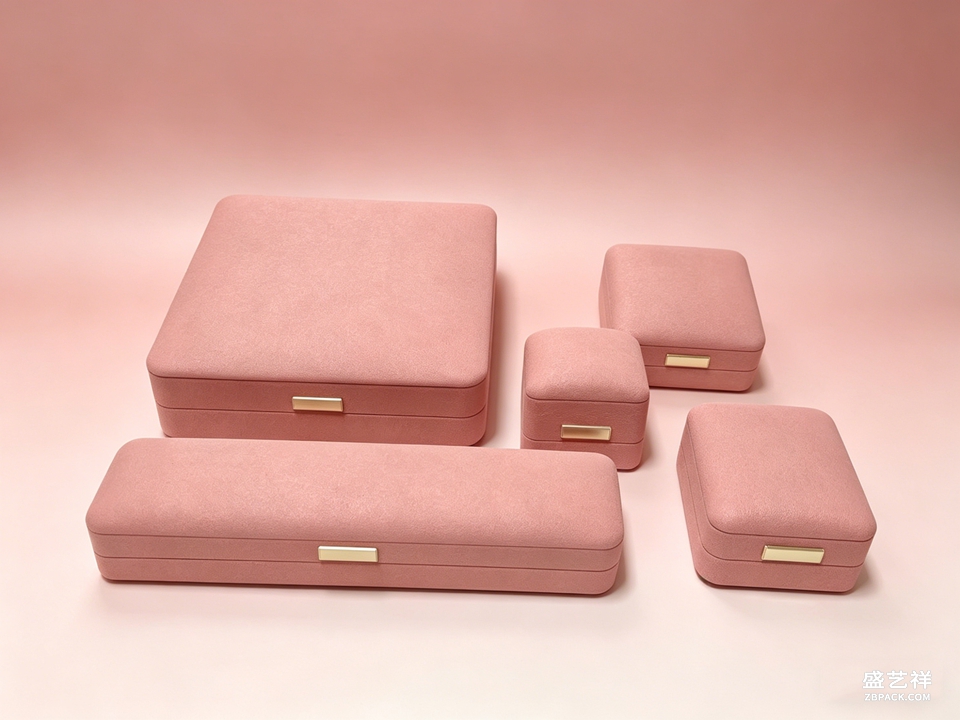
如果说蓝调宝石是2026年的色彩主题,那么叠戴艺术就是这个主题的表达方式。叠戴不再是随意的组合,而是经过精心策划的视觉构图。从颈部到手腕到耳部,多条链主题的叠加构建出丰富的纹理与层次。与极简主义时代的“少即是多”不同,当下的叠戴美学拥抱了“更多是更多”的时尚哲学——珠宝不再是穿搭的配角,而是决定整体风格的主角。
叠戴的精髋在于平衡——粗与细的对比、金属色调的混搭、宝石大小的层次变化,都需要经过反复推敲才能达到“仿佛随意却精心设计”的效果。这种“看似凌乱实则有序”的美学逻辑,与盛艺祥在珠宝包装设计领域始终秉持的理念一脉相承——真正的精致,藏于看似不经意的细节之中。
三、混搭金属:打破“金银不可同戴”的禁忌
2026年另一个值得关注的趋势是混合金属的崛起。黄金与白金的双色拼接、粗链条与细链条的叠加组合,开始成为时装周和日常穿搭中的新常态。这一趋势的核心逻辑在于:当珠宝不再只服务于单一场合,而是要适配从职场通勤到晚宴的多场景转换,金属色调的多元化就成了必然选择。
值得注意的是,混搭金属并非简单的“什么都往身上堆”,它需要在色温差异中找到和谐的平衡点。黄金的暖调与白金的冷调交织,恰如海洋蓝宝石与海蓝宝的冷暖互补——这种跨色调的协调能力,正是2026年珠宝造型的核心功课。
四、陈列与包装:蓝调珠宝的视觉表达
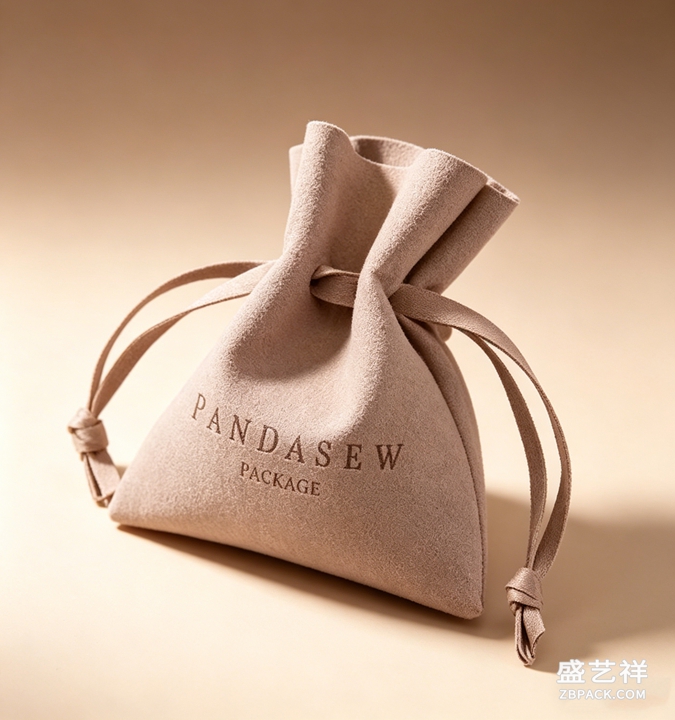
当蓝调宝石成为珠宝展示的主角,珠宝陈列道具的设计逻辑也随之转向。海洋蓝调的珠宝在暖白色调的陈列背景下能够产生最强烈的视觉冲击力,这对陈列道具的色彩策略提出了新的要求。盛艺祥作为专注珠宝陈列道具与珠宝包装设计的厂商,深知不同色系宝石的展示需要不同的视觉瓦板。
在首饰盒的选择上,蓝调珠宝更适合搭配现代简约风格的白色或银色系列,以突出宝石本身的色彩深度。同时,叠戴风格的流行也对珠宝包装设计提出了新的课题——如何在一个首饰盒中同时呈现多件叠戴珠宝的层次感,而不是简单的单品展示,这是对包装设计工艺的新考验。
五、可持续与个性化:蓝调浪潮的深层驱动
海洋蓝调宝石的流行并非纯粹的视觉追逐。海蓝宝作为一种相对平价的宝石,其可持续开采和环保属护属性与当下消费者的价值观高度契合。越来越多的年轻消费者开始关注珠宝的来源、开采方式和环境影响,而不仅仅是它的外观和价格。这种“理性消费”的趋势正在重塑珠宝行业的价值链。
与此同时,个性化定制仍是高端珠宝市场的核心驱动力。从名字首字到星座主题,从家族传承到纪念定制,消费者希望珠宝能够承载独一无二的个人故事。蓝调宝石的多样性——从海蓝宝的清文到坦桑石的深郁,从蓝托帕斯的纯净到帕拉伊巴碧玥的幻彩——为个性化表达提供了广阔的象征色彩库。
本文由盛艺祥原创发布,21年专注于珠宝盒、手表陈列、首饰陈列道具、珠宝包装生产及设计领域。
I. Ocean Blue Palette Sweeps the Jewelry World
The 2026 jewelry trend is being swept by a wave of ocean-blue hues. From sapphire to aquamarine, from tanzanite to blue topaz, these deep-sea-colored gemstones are taking center stage on fashion runways with unprecedented flair. At Calvin Klein and Saint Laurent spring/summer shows, the collision of monochrome palettes with ocean-blue gemstones created the most striking visual moments. Unlike previous years when diamonds dominated, this year's blue-toned gemstones emphasize emotional expression and versatile styling potential.
Aquamarine, with its soft seawater-blue tones, has become this year's frontrunner, capable of brightening blue or green eyes while forming exquisite warm-cool contrasts with gold and platinum metals. Tanzanite, with its sapphire-like deep blue and unique multidirectional color variation, has become the new darling of personalized jewelry design. The rise of these gemstones signals that consumer demand for color expression is transcending the traditional sparkle-equals-beauty paradigm, shifting toward richer, more layered symbolic systems.
II. Layering Art: From Accent to Protagonist
If blue gemstones are the color theme of 2026, then layering art is its mode of expression. Layering is no longer random combination but carefully orchestrated visual composition. From neck to wrist to ear, the stacking of multiple chain-themed pieces builds rich textures and dimensions. Unlike the minimalism era's less-is-more, today's layering aesthetic embraces more-is-more as fashion philosophy, jewelry no longer serving as a supporting accessory but as the protagonist defining overall style.
The essence of layering lies in balance, the interplay of thick and thin, the mixing of metal tones, the dimensional variation of gemstone sizes, all requiring repeated refinement to achieve that effortless yet meticulously designed effect. This aesthetic logic of seemingly chaotic yet fundamentally ordered resonates with the principle that Shengyixiang has always upheld in jewelry packaging design, true sophistication hidden within seemingly effortless details.
III. Mixed Metals: Breaking the Gold-Silver Taboo
Another noteworthy trend in 2026 is the rise of mixed metals. Two-tone combinations of gold and silver, the stacking of chunky chains with delicate ones, have become new norms on runways and in everyday styling. The core logic: when jewelry must adapt from office commutes to evening galas, metal tone diversification becomes an inevitable choice rather than a styling experiment.
It is worth noting that mixed metals are not simply piling everything on. They require finding harmonious balance points within color temperature differences. The interplay of gold's warmth and silver's coolness mirrors the complementary relationship between sapphire and aquamarine, this cross-tone coordination capability is precisely the core skill of 2026 jewelry styling.
IV. Display and Packaging: Visual Expression of Blue-Toned Jewelry
When blue gemstones become the protagonist of jewelry display, the design logic of jewelry display props shifts accordingly. Ocean-blue jewelry produces the strongest visual impact against warm white display backgrounds, placing new demands on the color strategy of display props. Shengyixiang, as a manufacturer focused on display props and packaging design, understands deeply that different color gemstones require different visual canvases.
In jewelry box selection, blue-toned jewelry pairs best with modern minimalist white or silver series to accentuate the color depth of the gemstones themselves. Meanwhile, the popularity of layering styles poses new challenges for packaging design, how to present the layered sense of multiple stacked pieces within a single jewelry box rather than simple single-item display, this is a new test of packaging design craftsmanship.
V. Sustainability and Personalization: Deep Drivers of the Blue Wave
The popularity of ocean-blue gemstones is not purely visual pursuit. Aquamarine, as a relatively accessible gemstone, its sustainable mining and environmental attributes align highly with contemporary consumer values. Growing numbers of young consumers are paying attention to jewelry origin, mining methods, and environmental impact, beyond mere appearance and price. This rational consumption trend is reshaping the jewelry industry's value chain.
Simultaneously, personalized customization remains the core driver of the high-end jewelry market. From name initials to zodiac themes, from family heritage to commemorative pieces, consumers hope jewelry can carry unique personal stories. The diversity of blue gemstones, from aquamarine's clarity to tanzanite's depth, from blue topaz's purity to paraiba tourmaline's neon, provides a vast symbolic color palette for personalized expression.
This article is originally published by Shengyixiang, with 21 years of dedication to jewelry boxes, watch display, jewelry display props, and jewelry packaging production and design.