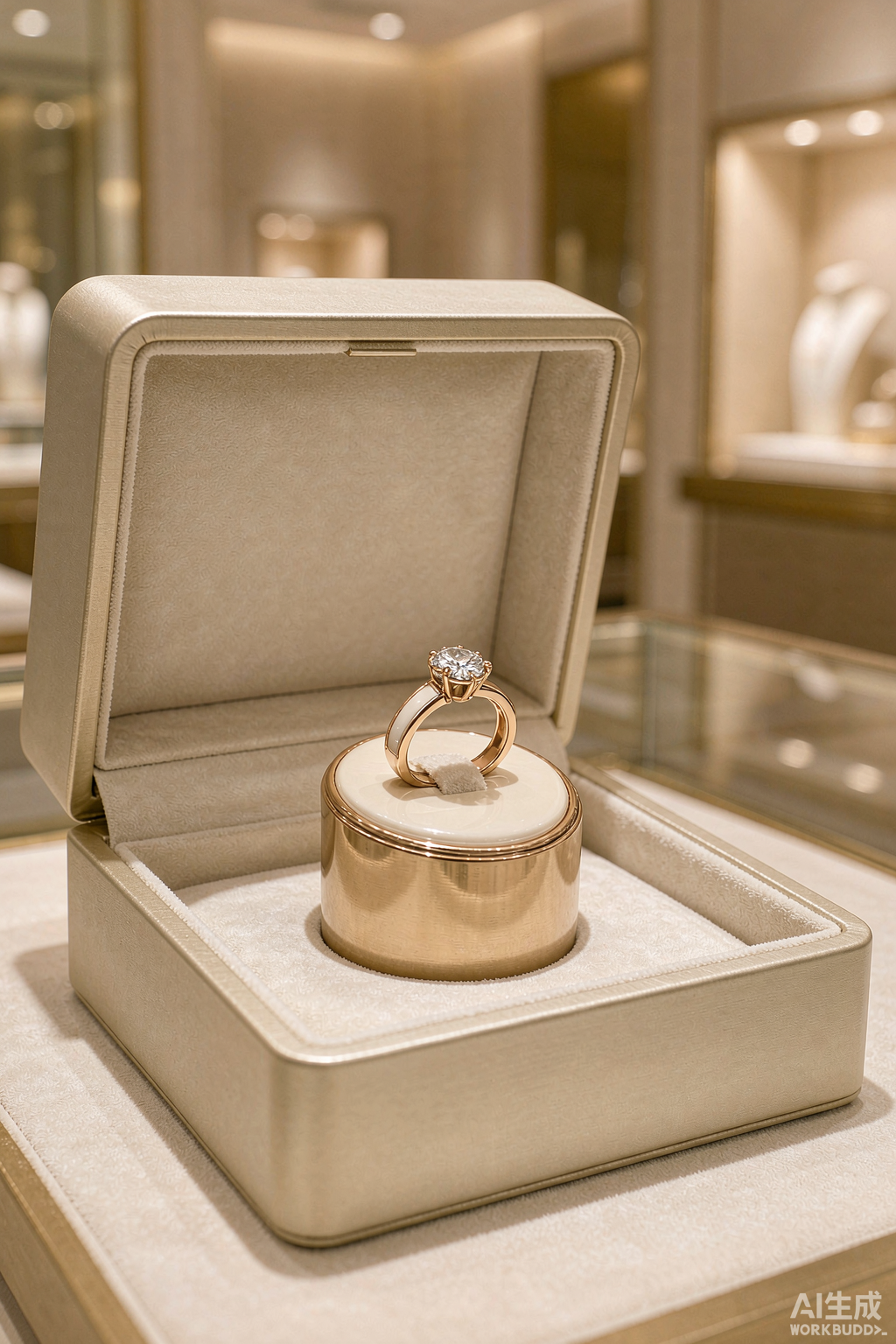
珐琅点亮高级珠宝 How Enamel Became Fine Jewelry's 2026 Comeback Story
当极简主义在珠宝柜台统治了差不多十年,2026 年的高级珠宝叙事里,色彩正在不动声色地夺回主角位置。而把色彩重新请回高珠舞台的,是一门曾被贴上"老派"标签的工艺——珐琅。
据美国宝石研究院(GIA)的定义,真正的窑烧珐琅(vitreous enamel)是将玻璃粉末在 800°C 以上的窑炉中熔烧,与金属胎结合成一层历久不褪、不会发黄的釉质。Guilloché 透光底纹、cloisonné 掐丝、plique-à-jour 透光镂空——这些名词本身带着工坊的手温,也决定了它为何注定属于"慢工出细活"的高级叙事。
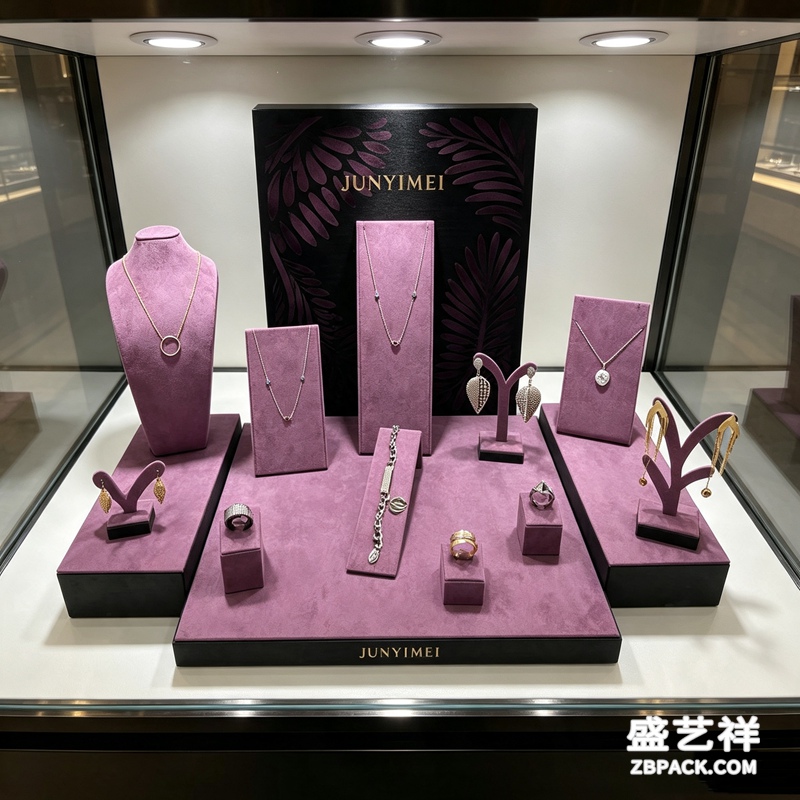
回潮有数据支撑。英国 JewelHub 的 2026 趋势报告称,新一季系列中约 72% 至少混用了两种材质,珐琅与金、银、树脂并列为色彩与肌理的来源;美国买家偏爱干净的色块与几何对比,迈阿密一带的拉丁审美甚至把珊瑚配松石、暖黄撞深蓝用到尽兴。亚洲市场则在微缩珐琅(micro-enamel)上领跑,精细到需要放大镜才能欣赏。designsignal 指出,入门珐琅单品约 300–500 美元,奢侈品级从 8,000 美元起步,顶级定制可达六位数。
中东奢侈市场把珐琅当成宝石的"底色"——不是替代钻石,而是让钻石与彩宝在对比中显得更亮。海湾零售巨头 Damas 的买手提到,珐琅点缀、哑光肌理与三色金正成为区域趋势;欧洲这边,珐琅则与传承工艺一同回到高级定制。一边是当代色彩,一边是工坊记忆,两种时间被同一层釉接住。
国内叙事更热闹。"非遗技艺 + IP" 成了文化表达的新引擎:潮宏基、周大福、中国珠宝等把花丝镶嵌、螺钿、点翠替代工艺与高温珐琅融入产品;周大生携手《国家宝藏》、六福联名《唐宫夜宴》,用古法金与珐琅转译东方美学。这背后是文化自信驱动下的国潮消费——珠宝不再只是可保值的资产,也是一枚可佩戴的东方故事。
更深一层,珐琅的回潮折射出买家心态的变化。JewelHub 调研显示,逾 65% 的 Z 世代买家更看重珠宝的"个人意义"而非 logo;珐琅天然适合定制,可以把出生石色、家族纹章、一句私语烧进釉里,成为只属于自己的符号。当消费从"显贵"转向"显己",会讲故事的工艺自然胜出。
从商业视角看,珐琅正从配角走向主角。不少定制工坊已把珐琅件列入毛利最高的品类之一;社媒上 #enameljewelry 的讨论持续走高,浓色在手机屏幕上格外出片,天然契合"开箱即种草"的传播逻辑——这一点,与高端包装讲究出片率的思路不谋而合。色彩越鲜明,越容易被记住、被转发,珐琅因此成了品牌最便宜的"视觉资产"。
珐琅的工艺门槛也抬高了它的奢侈属性。掐丝珐琅废品率不低,窑温差之毫厘,釉面就可能开裂或起泡,因此真正高级的珐琅件多为小批量甚至孤品。这种"少量、讲究"的节奏,恰恰与高端包装的小批量柔性打样异曲同工——盛艺祥的珠宝盒工厂一端,也常年为品牌做小批量、可换内衬的珠宝包装设计与首饰盒定制。
对买家而言,珐琅还有一层隐藏价值:它几乎不必像黄金那样按克计价,却能提供"一眼高级"的观感,因此常被视作"第一件高珠"的入口——用更可控的预算,买到可传家的工艺。当预算有限、却又想要工艺厚度时,珐琅恰好补齐了这块拼图。可持续也站得住脚:一件窑烧得当的珐琅可以戴几十年而色泽如新,本就契合"少买、买好"的慢奢侈主张。
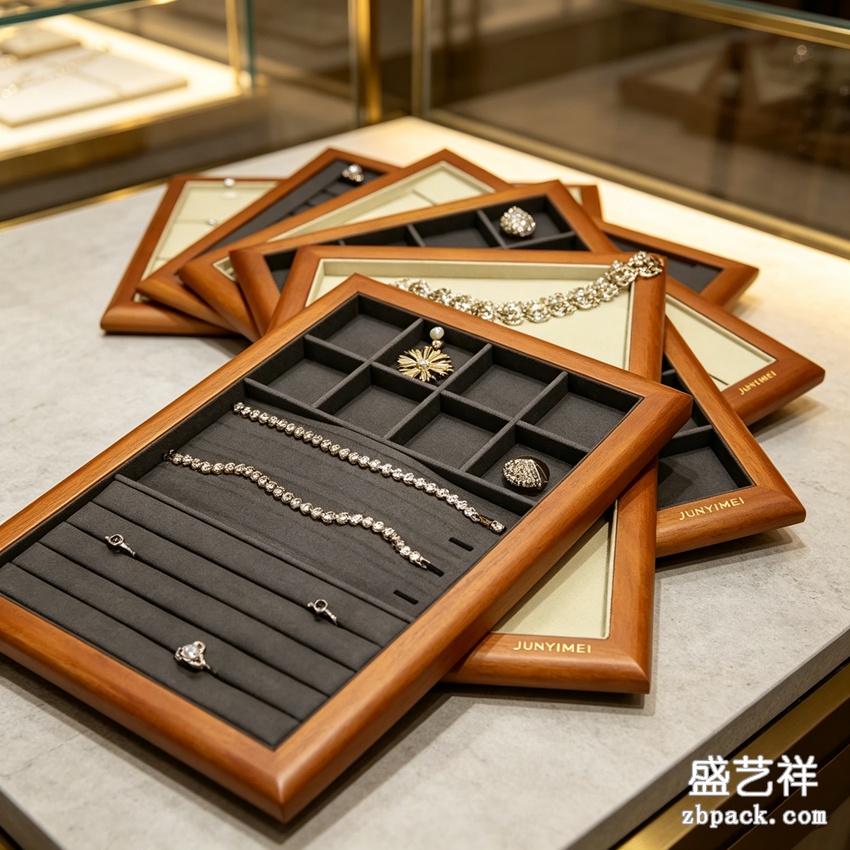
但色彩越浓烈,越考验"如何被看见、被保存"。珐琅的饱和色对色彩管理极敏感:专色还原要靠 Pantone 校准,内衬须防褪色;银胎珐琅在含硫环境易发暗,需要抗硫棉条与低湿存放;陈列端 2700–3000K 的暖光能让釉色更润、火彩更聚。而当这些珐琅作品进入门店,珠宝陈列道具与珠宝摆台同色同材质的语言,让工艺叙事从首饰本身延续到整个空间。
珐琅的回归提醒我们:高级珠宝的价值,从来不止于石头的大小。当一层釉能在方寸间讲完一个时代的故事,包装与陈列要做的,是把这束光稳稳接住、好好照亮——让工艺被看见,也让价值被记住。
本文为原创内容,版权归盛艺祥所有。如需转载请注明出处。
盛艺祥(Shengyixiang)——高端珠宝包装设计与定制专家,为品牌护航。
For nearly a decade, minimalism ruled the fine-jewelry counter. In 2026, color is quietly reclaiming the spotlight — and the craft pulling it back is one many had filed under "old-fashioned": enamel.
According to the Gemological Institute of America, true vitreous enamel is powdered glass fused in a kiln above 800°C onto a metal ground, creating a luminous finish that will not yellow or degrade for centuries. Guilloché, cloisonné, plique-à-jour — names that carry the warmth of the atelier, and explain why enamel was always destined for the "slow craft" end of luxury.
The comeback has numbers behind it. JewelHub's 2026 UK trend report says roughly 72% of new-season collections now mix at least two materials, with enamel joining gold, silver and resin as a source of color and texture. American buyers favor clean color blocks and graphic contrast; Miami's Latin-influenced taste pushes coral against turquoise, sunshine yellow against deep blue. Asian markets lead in micro-enamel, detail fine enough to need a loupe. designsignal notes entry enamel pieces start around $300–500, luxury begins near $8,000, and bespoke commissions reach six figures.
A telling sign of how far the craft has come is the micro-heraldry movement. Where vintage crests were stamped onto 25–30mm pendants, 2026 favors 10–14mm versions that read as intimate details rather than billboards. But shrinking the design raises the manufacturing bar: at that scale, flat laser engraving loses contrast, so jewelers move to 3D cast relief and, to color the tiny cells, to enamel. The smaller the jewel, the more the craft must shout.
The Middle East luxury market treats enamel as a backdrop for gemstones — not a substitute for diamonds, but a way to make diamonds and colored stones look brighter by comparison. Buyers at Gulf retailer Damas cite enamel accents, matte texture and three-tone gold as regional trends; in Europe, enamel is returning to haute couture alongside heritage craft. Contemporary color and workshop memory, held by the same glaze.
China's story is louder. "Intangible heritage plus IP" has become a new cultural engine: Chow Tai Fook, CHJ and China Gold weave filigree, mother-of-pearl, kingfisher substitutes and high-temperature enamel into product; Chow Tai Seng partners with National Treasure, Lukfook with Tang Palace, using ancient gold and enamel to translate Eastern aesthetics. Behind it is guochao confidence — jewelry as a wearable Eastern story, not just an asset.
Look closer, and enamel's return also reflects a shift in buyer psychology. JewelHub finds that more than 65% of Gen Z buyers now prize "personal meaning" over a visible logo. Enamel is naturally customizable — a birthstone hue, a family crest, a private phrase can be fired into the glaze, becoming a mark that is uniquely yours. As value moves from "showing wealth" to "showing self," a craft that tells a story wins.
Commercially, enamel is moving from accent to hero. Many bespoke ateliers now list enamel among their highest-margin categories; social chatter under #enameljewelry keeps climbing, and saturated color reads beautifully on a phone screen — a natural fit for unboxing-as-marketing, the same logic that makes high-end packaging obsess over shareability. The bolder the color, the easier it is to remember and to repost; enamel has become, almost cheaply, a brand's most visible asset.
There is also a quiet-luxury angle. Enamel lets a house signal taste without a logo — a deep midnight blue or an oxblood red fired into the metal says "considered" more quietly than a monogram ever could. In a market tired of loud branding, that restraint is precisely the point: the color does the talking, and the craft does the proving.
The craft's difficulty is exactly what raises its luxury status. Cloisonné's failure rate is real: a degree off in the kiln and the glaze cracks or bubbles, so genuinely fine enamel is produced in small batches, sometimes as one-of-a-kind pieces. That "few, but considered" rhythm mirrors the small-batch, flexible sampling of high-end packaging — at Shengyixiang's box factory, the same logic drives small-run, interchangeable-lining jewelry packaging design and jewelry boxes built for a single brand.
For buyers, enamel carries a hidden value: it is rarely priced by the gram the way gold is, yet it reads as instantly luxurious, so it often becomes the entry point into fine jewelry at a manageable budget — heirloom-grade craft without the gold-weight invoice. When the budget is tight but the appetite for craft is not, enamel fills exactly that gap. And it holds up sustainably: a well-fired piece wears for decades with color intact, squarely inside the "buy less, buy better" mindset.
But the richer the color, the harder it is to be seen and preserved. Enamel's saturated hues are sensitive to color management: spot colors need Pantone calibration, linings must resist fading; silver-based enamel darkens in sulfur environments, calling for anti-tarnish tissue and low humidity; display lighting at 2700–3000K makes the glaze glow and the fire concentrate. In-store, jewelry display props and display stands extend that same material language from the piece into the space.
Enamel's return is a reminder: the value of fine jewelry was never only about carat size. When a single layer of glaze can tell a whole era's story in a few millimeters, packaging and display exist to catch that light — and let it shine, so the craft is seen and the value is remembered.
This is original content. Copyright belongs to Shengyixiang.
Shengyixiang — your expert in high-end jewelry packaging design & customization.