旧首饰迎来重造潮 Why Heirloom Jewelry Is Being Redesigned, Not Sold
八月的深圳水贝,一家店在柜台后添了一台电子秤和一盏白得有点刺眼的检测灯。进店的人里,越来越多不是来挑货的——她们从包里掏出一条压箱底的粗金链、一枚母亲结婚时戴的素圈、几只配不成对的耳钉,然后问同一句话:这些,能不能改成我戴得出去的样子。
这不是个别场景。据 Times Now 的行业统计,2026 年"旧金换新"的交易量出现了前所未有的约 60% 增长,而主力人群并不是最年轻的那批消费者,而是 35 岁以上、家里确实有存货的一代人。他们的动作出人意料地一致:不卖,改。
金价把这道选择题重写了一遍
先看一组冷冰冰的数字。8 月 21 日国内回收报价:足金 999 约 957 元/克、22K 约 843 元/克、18K 约 695 元/克、14K 约 537 元/克,铂金 999 只有 343 元/克,白银 999 更低到 12 元/克。回收只看纯度与重量,不看当初的成交价。如果当年是按 1355 元/克买进的成品,今天按 957 元变现,一克实打实少掉四百块。而在零售端,6 月周大福足金标价还在每克 1277 元附近。
这个价差解释了很多事。把旧首饰当废料卖掉,等于为当年付过的设计费和工费第二次买单。北美的算术同样残酷:2026 年 8 月现货金价约每克 195 加元,14K 每克对应约 114 加元、18K 约 146 加元,一条 20 克的 14K 链子按现货算超过 2200 加元,但回收商通常只按现货的 70% 至 90% 付款,落到手里大约 1700 至 1900 加元;商场店给得更少,邮寄回收更低,而寄出去的是不可替代的东西。更关键的是,废料价只买金,不买设计、不买工艺——钻石与彩色宝石在回收单上常常一分不算,几十年前的切工更是无人问价。一枚 1985 年零售五千美元的戒指,如今二手价可能只剩八百到一千二,几乎全部算在金重上。
"改"这门生意,比"卖"更值钱
于是重造成了更聪明的解法。国内加工店的报价显示,旧金改款相比在品牌金店走以旧换新(折价费加新品工费),成本常能省下三成以上;行业常见的熔炼损耗率在 1% 到 3% 之间,规范的服务商会把损耗规则写清楚,有的甚至承诺包损耗。
金属本身不会老,是这门生意的底层逻辑:黄金可熔、可精炼、可重铸而不损纯度。母亲那枚戒指的金,会成为你每天戴着的那枚;石头取下来重新镶进新的结构里。原本躺在保险柜里只有熔值的资产,被换成了一件天天在身上的东西——顺带还留住了金属本身的市场价值。
改款的审美偏好也很明确。古法素圈、泥鳅背手镯、传承吊坠这类哑光手工质感的款式,正在婚嫁与日常两个场景同时走红;机器量产带来的整齐统一,反而成了减分项。錾刻留下的肌理无法复制,这恰恰是它值钱的地方。
传家宝的心理定价被改写
更深的变化发生在观念层面。印度评级机构 ICRA 基于印度黄金理事会数据的分析显示,2026 财年金饰需求量同比下滑 21%,而同期金条金币的投资需求上涨约 22%。Popley Group 的负责人说得直白:门店 70% 到 75% 的成交都涉及旧金置换,"我们的店已经变成了旧料评估中心",而印度保险柜里闲置的黄金超过十万吨,被回收的只是极小一部分。
年轻一代把继承来的首饰换成了首付、学费和股票组合。一位受访者的说法没有半点犹豫:"放在柜子里几十年的款式,今天看就是过时。"另一位则把逻辑讲得更清楚:如果它只能作为投资锁在柜里,不如换成能戴的,或者干脆换成金条。
同一时期,买珠宝的动机也在迁移。Mejuri 超过一半的订单是消费者买给自己的;Forbes 引述的预测认为,到 2028 年女性将掌握全球超过 75% 的可自由支配支出。当珠宝的意义从"别人给你的证明"变成"你给自己的表达",一件戴不出门的传家宝就失去了继续躺在保险柜里的理由。
门店的竞争力,从卖货转向手艺与透明
重造生意的门槛不在货,在信任。开放式操作台、全程监控、现场称重复检、现场纯度检测,已经成了 2026 年合规服务商的基本盘;不具备透明操作能力的门店正在被加速淘汰。服务边界也在往外扩——从一次性加工,延伸到清洗、整形、修复、改款、评估的全生命周期。趋势机构 Accio 在 2026 年珠宝预测中,把旧件再造直接列为主流服务项目,而不再是老师傅台面下的私活。
高企的金价还把设计逼出了新解法:镀金、青铜、不锈钢、钛、木、丝与皮革被更频繁地用进主线,彩宝串和珍珠串开始替代原本的金段。一件作品里"金"的比重在下降,"设计"的比重在上升——这对改款来说是好消息,因为顾客手里那点旧料,正好够撑起一件以设计取胜的新作。
交付环节,考的是两件事同时做对
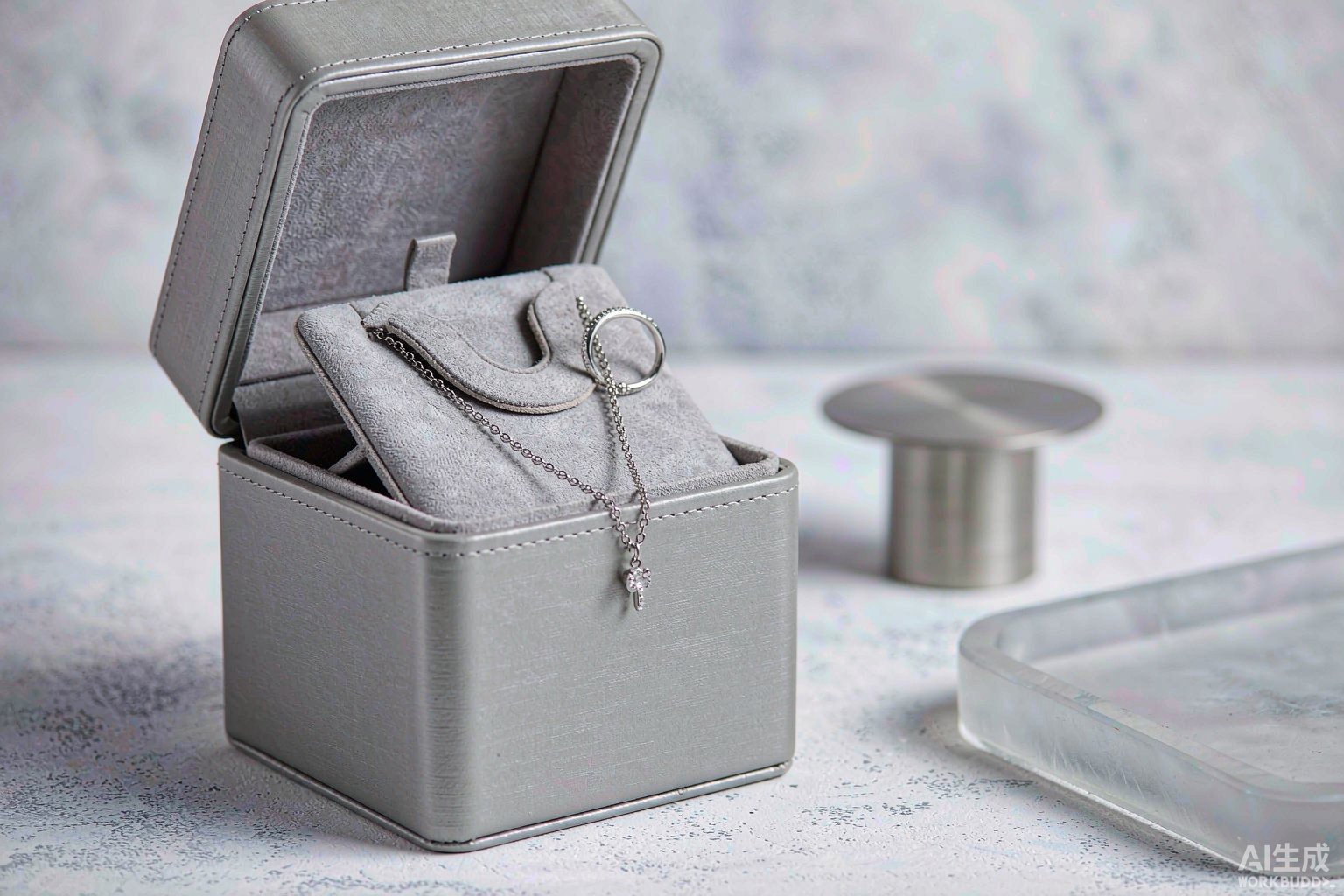
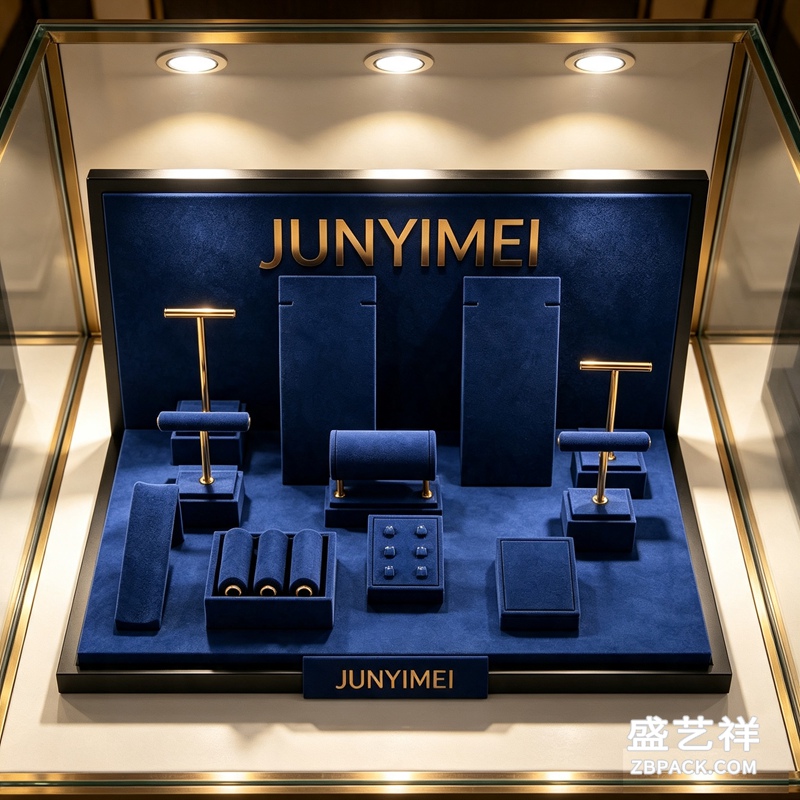
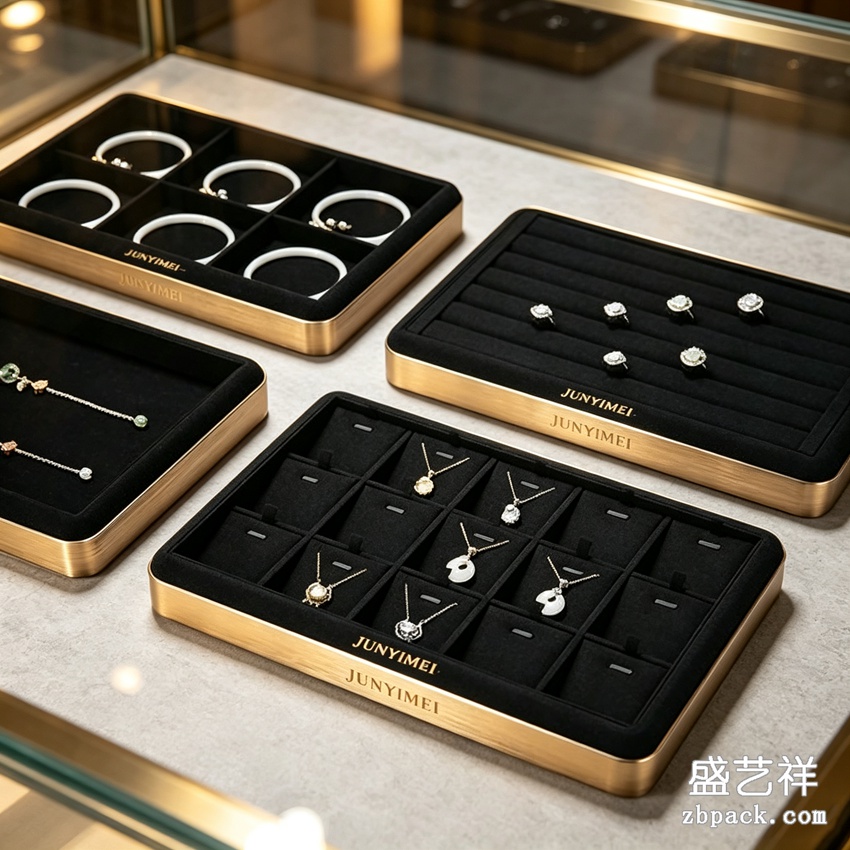
改款与卖新货最大的区别,是门店同时握着顾客的"旧"和"新"。旧件从摘下到熔炼之间要经手称重、拍照、编号、暂存,任何一环含糊都可能变成纠纷;一只能封缄、能写编号、能让顾客亲眼看着东西装进去的首饰袋,是整条流程里最便宜也最容易被忽略的一环。新件交付是另一场考试:顾客拿到的不只是一枚戒指,还是一段被重新讲述的家族叙事,首饰盒设计需要为工艺卡、旧件照片和纯度检测单留出位置,而不是只留一个凹槽。透明操作台旁边同样需要珠宝摆台,把"改前"与"改后"并排放在同一视线高度——对这门生意来说,对比本身就是最好的说服。盛艺祥在对接改款品类时,习惯把"旧件暂存—工艺记录—新件交付"当成一条完整动线来设计,而不是三件互不相干的耗材。
存量时代的第一堂课
把这些线索拼起来,2026 年珠宝行业最被低估的变化,也许不是哪一种宝石又涨了价,而是增长的来源换了地方:从卖出更多新货,变成激活已经卖出去的存量。对消费者而言,这是第一次真正拿到对自己珠宝的编辑权——不必再在"戴着别扭"和"卖掉可惜"之间二选一。旧首饰的第二次生命里,卖的从来不是金,而是手艺、透明度,和一段愿意被继续戴下去的故事。
本文为原创内容,版权归盛艺祥所有。如需转载请注明出处。
盛艺祥(Shengyixiang)——高端珠宝包装设计与定制专家,为品牌护航。
In a jewelry district in Shenzhen this August, one shop added two things behind the counter: a digital scale and a testing lamp bright enough to make you squint. More and more of the people walking in are not there to browse. They pull a thick gold chain out of a tote bag, a plain band their mother wore at her wedding, a few earrings that lost their partners years ago, and they all ask the same question: can this become something I would actually wear?
That scene is no longer local color. According to industry figures reported by Times Now, the exchange of old gold jewelry for new surged by roughly 60 percent in 2026, an unprecedented jump. The people driving it are not the youngest shoppers, either. They are the 35-and-over cohort, the ones whose drawers are genuinely full. And their instinct is strikingly consistent: don't sell it, remake it.
The gold price rewrote the question
Start with the cold numbers. Buy-back quotes in China on August 21 ran around 957 yuan per gram for 999 fine gold, 843 for 22K, 695 for 18K, 537 for 14K, just 343 for 999 platinum and 12 for 999 silver. Scrap buyers price purity and weight, nothing else. A finished piece bought years ago at 1,355 yuan a gram converts today at 957 — a loss of roughly 400 yuan on every gram. Meanwhile at retail, fine gold was still tagged near 1,277 yuan per gram in June.
That gap explains a lot. Selling an old piece as scrap effectively means paying twice for the design and labor you already paid for once. The math in North America is no kinder. With spot gold near C$195 per gram in August 2026, a gram of 14K carries about C$114 of metal and a gram of 18K about C$146; a 20-gram 14K chain holds more than C$2,200 at spot. But a buyer typically pays 70 to 90 percent of spot, so the check lands somewhere between C$1,700 and C$1,900 — less at a mall counter, less still by mail, and you are mailing something irreplaceable. The deeper problem is what scrap does not pay for. It buys metal, not craft. Diamonds and colored stones are frequently valued at zero on a scrap ticket, and stones cut decades ago rarely get a second look. A ring that retailed for US$5,000 in 1985 may resell for US$800 to US$1,200 today, almost entirely on its gold weight.
Remaking is simply worth more than selling
Hence the pivot. Independent workshops in China report that redesigning a customer's own gold typically costs more than 30 percent less than trading it in at a brand counter, where a depreciation fee stacks on top of new labor charges. Melting loss in the trade generally runs between 1 and 3 percent, and credible workshops state the loss rule up front — some absorb it entirely.
The economics rest on a physical fact: gold does not age. It can be melted, refined and recast without losing purity. The metal in a mother's ring literally becomes the ring a daughter wears daily, with the stones pulled and reset into a new structure. An asset that was worth only its melt value inside a safe becomes something worn every day — while the metal quietly keeps its market value along the way.
Taste in redesign is equally clear. Matte, hand-finished vocabularies — plain hammered bands, rounded bangles, heritage-style pendants — are gaining ground in both bridal and everyday wear, while the flawless uniformity of mass production has started reading as a drawback. Chasing marks cannot be duplicated, and that is precisely where the value sits.
The heirloom has been repriced, emotionally
The bigger shift is psychological. ICRA's analysis of Gold Council of India data shows gold jewelry demand by volume fell 21 percent year on year in FY2026, while investment demand for bars and coins rose about 22 percent in the same period. A director at Popley Group put it plainly: 70 to 75 percent of transactions across their stores now involve exchanged gold, and "our stores have become scrap-evaluation centers." More than 100,000 tonnes of gold sit idle in Indian lockers; only a sliver has been recycled.
Younger owners are converting inherited pieces into down payments, tuition and equity portfolios. One buyer's verdict carried no hesitation at all: jewelry that sat in a locker for decades simply looks dated now. Another framed it as arithmetic — if a piece can only function as an investment, it may as well be worn or converted into bars.
Motivation for buying jewelry is moving in the same direction. More than half of Mejuri's orders are self-purchases, and forecasts cited by Forbes suggest women will control over 75 percent of global discretionary spending by 2028. Once jewelry stops being proof of someone else's affection and starts being a statement of your own, an heirloom you would never wear loses its argument for staying in the vault.
Retail's edge shifts from inventory to craft and transparency
In this business the barrier to entry is not stock, it is trust. Open workbenches, full-session video, on-site reweighing and on-site purity testing have become the 2026 baseline for compliant workshops, and shops that cannot operate transparently are being pushed out faster than before. The service boundary keeps widening too — from a single job to cleaning, reshaping, repair, redesign and appraisal across a piece's whole life. In its 2026 outlook, trend firm Accio lists repurposing old jewelry as a mainstream service line rather than a bench jeweler's side hustle.
High metal prices are also forcing design to get resourceful. Gold plating, bronze, stainless steel, titanium, wood, silk and leather are appearing in main collections more often, and strands of colored stones or pearls are replacing sections that used to be solid gold. The share of gold in a piece is falling while the share of design rises — good news for redesign, because a customer's modest pile of old metal is usually just enough to carry a piece that wins on design instead of weight.
Delivery is where two jobs must go right at once
What separates redesign from selling new stock is that the shop holds a customer's old and new possessions simultaneously. Between the moment a piece comes off and the moment it goes into the crucible, it has to be weighed, photographed, numbered and stored; any vague step in that chain becomes a dispute later. A sealable, writable jewelry pouch that the customer watches their own gold go into is the cheapest and most overlooked link in the whole process. Delivering the finished piece is a separate exam: the customer receives not just a ring but a family story that has been retold, so jewelry box design needs planned space for a craft card, a photograph of the original piece and the purity report — not merely a slot. Beside the transparent workbench, a jewelry display stand earns its keep by putting "before" and "after" at the same eye level, because in this trade the comparison does the persuading. When Shengyixiang works with shops on redesign programs, we treat intake, documentation and handover as one continuous path rather than three unrelated consumables.
The first lesson of an installed-base era
Put the threads together and the most underrated change in jewelry in 2026 may not be which gemstone went up in price. It is that growth has changed address — from selling more new pieces to activating the ones already sold. For consumers, it is the first real editing right they have held over their own jewelry, without choosing between wearing something awkward and selling something irreplaceable. In the second life of an old piece, what is actually being sold is never the gold. It is craft, transparency, and a story someone is willing to keep wearing.
This is original content. Copyright belongs to Shengyixiang.
Shengyixiang — your expert in high-end jewelry packaging design & customization.