预算有限时,首饰盒的钱该花在哪盛艺祥 · 行业资讯
预算有限时,首饰盒的钱该花在哪 Where the Money Should Go in a Budget Jewelry Box
做包装采购最难的一关,不是找不到好看的盒子,而是预算就这么多,钱到底该花在哪。同样的单只成本,分配方式不同,顾客的感受可以差出一个档位。首饰盒成本控制的核心不是全面缩水,而是把有限的钱押在顾客真的能感知的位置上。
第一条原则:钱优先花在手会碰到的地方。顾客对一只盒子的判断,八成来自三个动作——拿起来、开合、摸内衬。所以盒盖开合的顺滑度、磁吸或阻尼的手感、四角包覆是否平整、内衬触感是否细腻,这几项不要省。相反,看不见的内部加强结构、隐藏在底部的多层纸板、盒内不会被翻到的印刷,都是可以降级的对象。一只外表平实但开合利落、内衬柔顺的盒子,永远比一只印满花纹却开盖发涩的盒子更像好东西。
第二条原则:材料要会替代,不要盲目降级。真绒成本高,可以选高克重植绒纸或仿绒复合布,触感差距在可接受范围内,成本却能明显下来。纸板不必一味加厚,一千二百克灰板做小尺寸首饰盒已足够挺括,盲目上到一千八百克只是让运费和手感变笨。内部定位托可以用 EVA 冲型替代注塑,小批量下模具成本差距非常可观。这些替代的判断标准很简单:顾客摸不出差别的地方就替,摸得出来的地方就留。
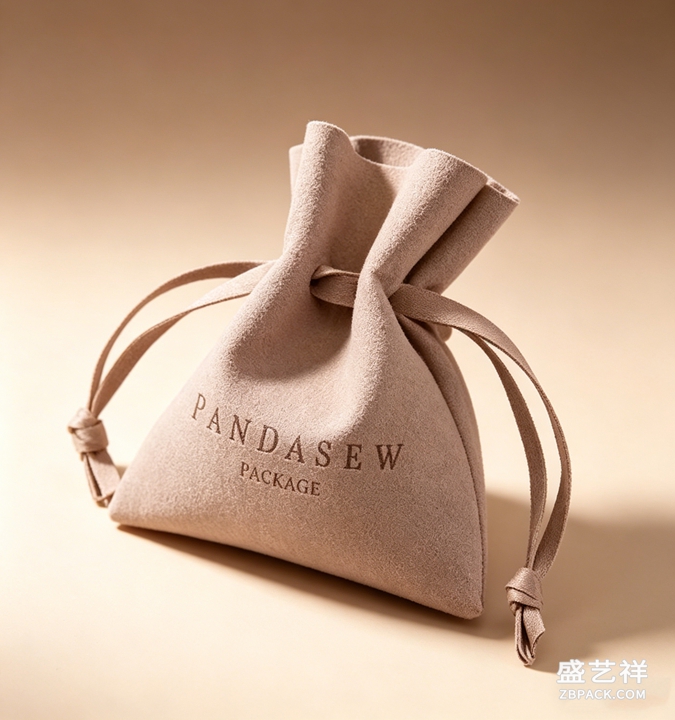 第三条原则:用数量分档和起订量换单价。首饰盒定制的报价通常按阶梯走,五百、一千、三千往往是三个明显的价格台阶。如果全年用量能预估,宁可一次定一千只分批提货,也不要每次三百只反复开机——开机费和调机损耗摊在小批量上,比材料贵得多。另一个思路是产品分级:低单价商品配珠宝袋,中高单价商品配盒,用珠宝袋批发的低成本分担整体包装预算,同时保住主力款的开盒体验。
第四条原则:工艺只留一处点睛。烫金、UV、压纹、丝印同时上,成本翻倍而观感未必更好。更划算的做法是主体用素面材质,只在 LOGO 处做一色烫金或压凹,其余保持干净。一色烫金的版费与工时远低于多色套印,视觉上却已经足够体面。这也是包装性价比最容易被低估的一招:克制本身就有质感。
第三条原则:用数量分档和起订量换单价。首饰盒定制的报价通常按阶梯走,五百、一千、三千往往是三个明显的价格台阶。如果全年用量能预估,宁可一次定一千只分批提货,也不要每次三百只反复开机——开机费和调机损耗摊在小批量上,比材料贵得多。另一个思路是产品分级:低单价商品配珠宝袋,中高单价商品配盒,用珠宝袋批发的低成本分担整体包装预算,同时保住主力款的开盒体验。
第四条原则:工艺只留一处点睛。烫金、UV、压纹、丝印同时上,成本翻倍而观感未必更好。更划算的做法是主体用素面材质,只在 LOGO 处做一色烫金或压凹,其余保持干净。一色烫金的版费与工时远低于多色套印,视觉上却已经足够体面。这也是包装性价比最容易被低估的一招:克制本身就有质感。
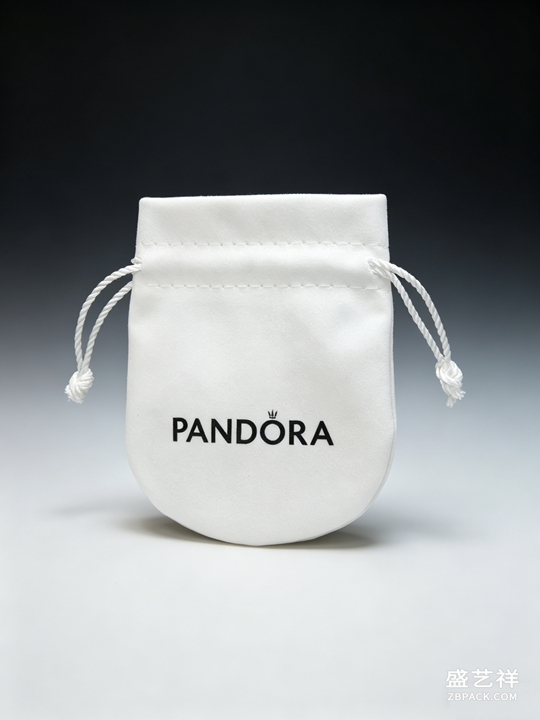 最后两个容易被忽略的账。一是体积与运费:可折叠或组装式结构能把运输体积压掉三成以上,跨省长期发货的品牌算下来省的不是小钱,而外贸走柜时体积更是直接决定成本。二是打样别省:一次打样的费用通常只相当于几十只成品,却能提前发现尺寸偏差、色差、绒面掉毛这些批量返工才会暴露的问题。省下打样费而赔上整批,是包装采购里最贵的省法。
预算有限并不等于只能将就。把钱花在开合、内衬和一处点睛上,把隐藏结构、多余印刷和过度厚度让出来,再用数量分档与盒袋组合把总成本压住,一只成本可控的首饰盒依然可以让顾客觉得,里面这件东西被认真对待过。
本文为原创内容,版权归骏依美所有。如需转载请注明出处。
盛艺祥珠宝包装懂预算也懂体面,把钱花在顾客摸得到的地方,让每只盒子都值这个价。
Shengyixiang builds jewelry boxes and pouches that spend the budget where customers can actually feel it.
The hardest part of packaging procurement is not finding an attractive box; it is deciding where a fixed budget should go. With exactly the same unit cost, two different allocations can leave customers with impressions a full tier apart. Controlling jewelry box cost is not about shrinking everything evenly. It is about placing limited money exactly where the customer can actually perceive it.
Principle one: spend first on whatever the hand touches. Roughly eighty percent of a customer's judgement about a box comes from three actions — lifting it, opening and closing it, and feeling the lining. So the smoothness of the lid, the pull of the magnet or the damping of the hinge, the neatness of the wrapped corners and the softness of the interior are not the places to economise. The opposite is true for hidden reinforcement, extra board layers under the base, and printing inside areas nobody ever turns over. A plain box that opens crisply and feels soft inside will always read as the better object compared with a heavily printed box whose lid sticks.
Principle two: substitute materials intelligently instead of downgrading blindly. Real velvet is expensive, and heavy flocked paper or a velvet-look composite closes most of the tactile gap at a visibly lower cost. Board does not need endless thickness either: twelve hundred gram grey board is already rigid enough for a small jewelry box, and jumping to eighteen hundred only adds freight and clumsiness in the hand. Interior positioning trays can be die-cut EVA instead of injection moulding, which saves a meaningful tooling cost on small runs. The test is simple: substitute where the customer cannot feel a difference, and protect where they can.
Principle three: trade quantity tiers and minimum order quantities for a better unit price. Quotes for custom jewelry boxes normally step at five hundred, one thousand and three thousand units. If annual usage can be forecast, ordering one thousand with staged pickups beats reordering three hundred repeatedly, because setup charges and make-ready waste spread across a small run cost far more than material. Another approach is tiering by product: pair lower-priced items with pouches and reserve boxes for mid and high-price pieces, letting affordable wholesale pouches carry part of the budget while the hero products keep their unboxing moment.
Principle four: allow one decorative accent, not four. Foil, UV, embossing and screen printing applied together double the cost without necessarily improving the look. A smarter route is a plain body with a single-colour foil or debossed logo and nothing else. Plate and labour costs for single-colour foil sit far below multi-colour registration, yet the result already reads as considered. This is the most underrated move in packaging value: restraint itself has texture.
Two overlooked line items remain. First, volume and freight: collapsible or assembled structures can cut shipping volume by more than thirty percent, which is real money for brands shipping across provinces every month and decisive for export shipments where container space is the cost. Second, never skip sampling. A sample round usually costs the equivalent of a few dozen finished units, yet it exposes dimensional drift, colour deviation and shedding velvet before a full batch turns them into rework. Saving the sample fee and losing the batch is the most expensive economy in this trade.
A limited budget does not mean settling. Put the money into the closure, the lining and one accent, release it from hidden structure, surplus printing and needless thickness, then hold total cost down with quantity tiers and a box-plus-pouch mix. A cost-controlled jewelry box can still convince a customer that the piece inside was treated with care.
This article is original content, copyright JunyiMei. Please credit the source if reprinted.
Shengyixiang builds jewelry boxes and pouches that spend the budget where customers can actually feel it.
Shengyixiang: cost-smart jewelry boxes and pouches, wholesale ready without giving up the unboxing feel.
最后两个容易被忽略的账。一是体积与运费:可折叠或组装式结构能把运输体积压掉三成以上,跨省长期发货的品牌算下来省的不是小钱,而外贸走柜时体积更是直接决定成本。二是打样别省:一次打样的费用通常只相当于几十只成品,却能提前发现尺寸偏差、色差、绒面掉毛这些批量返工才会暴露的问题。省下打样费而赔上整批,是包装采购里最贵的省法。
预算有限并不等于只能将就。把钱花在开合、内衬和一处点睛上,把隐藏结构、多余印刷和过度厚度让出来,再用数量分档与盒袋组合把总成本压住,一只成本可控的首饰盒依然可以让顾客觉得,里面这件东西被认真对待过。
本文为原创内容,版权归骏依美所有。如需转载请注明出处。
盛艺祥珠宝包装懂预算也懂体面,把钱花在顾客摸得到的地方,让每只盒子都值这个价。
Shengyixiang builds jewelry boxes and pouches that spend the budget where customers can actually feel it.
The hardest part of packaging procurement is not finding an attractive box; it is deciding where a fixed budget should go. With exactly the same unit cost, two different allocations can leave customers with impressions a full tier apart. Controlling jewelry box cost is not about shrinking everything evenly. It is about placing limited money exactly where the customer can actually perceive it.
Principle one: spend first on whatever the hand touches. Roughly eighty percent of a customer's judgement about a box comes from three actions — lifting it, opening and closing it, and feeling the lining. So the smoothness of the lid, the pull of the magnet or the damping of the hinge, the neatness of the wrapped corners and the softness of the interior are not the places to economise. The opposite is true for hidden reinforcement, extra board layers under the base, and printing inside areas nobody ever turns over. A plain box that opens crisply and feels soft inside will always read as the better object compared with a heavily printed box whose lid sticks.
Principle two: substitute materials intelligently instead of downgrading blindly. Real velvet is expensive, and heavy flocked paper or a velvet-look composite closes most of the tactile gap at a visibly lower cost. Board does not need endless thickness either: twelve hundred gram grey board is already rigid enough for a small jewelry box, and jumping to eighteen hundred only adds freight and clumsiness in the hand. Interior positioning trays can be die-cut EVA instead of injection moulding, which saves a meaningful tooling cost on small runs. The test is simple: substitute where the customer cannot feel a difference, and protect where they can.
Principle three: trade quantity tiers and minimum order quantities for a better unit price. Quotes for custom jewelry boxes normally step at five hundred, one thousand and three thousand units. If annual usage can be forecast, ordering one thousand with staged pickups beats reordering three hundred repeatedly, because setup charges and make-ready waste spread across a small run cost far more than material. Another approach is tiering by product: pair lower-priced items with pouches and reserve boxes for mid and high-price pieces, letting affordable wholesale pouches carry part of the budget while the hero products keep their unboxing moment.
Principle four: allow one decorative accent, not four. Foil, UV, embossing and screen printing applied together double the cost without necessarily improving the look. A smarter route is a plain body with a single-colour foil or debossed logo and nothing else. Plate and labour costs for single-colour foil sit far below multi-colour registration, yet the result already reads as considered. This is the most underrated move in packaging value: restraint itself has texture.
Two overlooked line items remain. First, volume and freight: collapsible or assembled structures can cut shipping volume by more than thirty percent, which is real money for brands shipping across provinces every month and decisive for export shipments where container space is the cost. Second, never skip sampling. A sample round usually costs the equivalent of a few dozen finished units, yet it exposes dimensional drift, colour deviation and shedding velvet before a full batch turns them into rework. Saving the sample fee and losing the batch is the most expensive economy in this trade.
A limited budget does not mean settling. Put the money into the closure, the lining and one accent, release it from hidden structure, surplus printing and needless thickness, then hold total cost down with quantity tiers and a box-plus-pouch mix. A cost-controlled jewelry box can still convince a customer that the piece inside was treated with care.
This article is original content, copyright JunyiMei. Please credit the source if reprinted.
Shengyixiang builds jewelry boxes and pouches that spend the budget where customers can actually feel it.
Shengyixiang: cost-smart jewelry boxes and pouches, wholesale ready without giving up the unboxing feel.
返回资讯列表
Back To News List
第三条原则:用数量分档和起订量换单价。首饰盒定制的报价通常按阶梯走,五百、一千、三千往往是三个明显的价格台阶。如果全年用量能预估,宁可一次定一千只分批提货,也不要每次三百只反复开机——开机费和调机损耗摊在小批量上,比材料贵得多。另一个思路是产品分级:低单价商品配珠宝袋,中高单价商品配盒,用珠宝袋批发的低成本分担整体包装预算,同时保住主力款的开盒体验。
第四条原则:工艺只留一处点睛。烫金、UV、压纹、丝印同时上,成本翻倍而观感未必更好。更划算的做法是主体用素面材质,只在 LOGO 处做一色烫金或压凹,其余保持干净。一色烫金的版费与工时远低于多色套印,视觉上却已经足够体面。这也是包装性价比最容易被低估的一招:克制本身就有质感。
最后两个容易被忽略的账。一是体积与运费:可折叠或组装式结构能把运输体积压掉三成以上,跨省长期发货的品牌算下来省的不是小钱,而外贸走柜时体积更是直接决定成本。二是打样别省:一次打样的费用通常只相当于几十只成品,却能提前发现尺寸偏差、色差、绒面掉毛这些批量返工才会暴露的问题。省下打样费而赔上整批,是包装采购里最贵的省法。
预算有限并不等于只能将就。把钱花在开合、内衬和一处点睛上,把隐藏结构、多余印刷和过度厚度让出来,再用数量分档与盒袋组合把总成本压住,一只成本可控的首饰盒依然可以让顾客觉得,里面这件东西被认真对待过。
本文为原创内容,版权归骏依美所有。如需转载请注明出处。
盛艺祥珠宝包装懂预算也懂体面,把钱花在顾客摸得到的地方,让每只盒子都值这个价。
Shengyixiang builds jewelry boxes and pouches that spend the budget where customers can actually feel it.
The hardest part of packaging procurement is not finding an attractive box; it is deciding where a fixed budget should go. With exactly the same unit cost, two different allocations can leave customers with impressions a full tier apart. Controlling jewelry box cost is not about shrinking everything evenly. It is about placing limited money exactly where the customer can actually perceive it.
Principle one: spend first on whatever the hand touches. Roughly eighty percent of a customer's judgement about a box comes from three actions — lifting it, opening and closing it, and feeling the lining. So the smoothness of the lid, the pull of the magnet or the damping of the hinge, the neatness of the wrapped corners and the softness of the interior are not the places to economise. The opposite is true for hidden reinforcement, extra board layers under the base, and printing inside areas nobody ever turns over. A plain box that opens crisply and feels soft inside will always read as the better object compared with a heavily printed box whose lid sticks.
Principle two: substitute materials intelligently instead of downgrading blindly. Real velvet is expensive, and heavy flocked paper or a velvet-look composite closes most of the tactile gap at a visibly lower cost. Board does not need endless thickness either: twelve hundred gram grey board is already rigid enough for a small jewelry box, and jumping to eighteen hundred only adds freight and clumsiness in the hand. Interior positioning trays can be die-cut EVA instead of injection moulding, which saves a meaningful tooling cost on small runs. The test is simple: substitute where the customer cannot feel a difference, and protect where they can.
Principle three: trade quantity tiers and minimum order quantities for a better unit price. Quotes for custom jewelry boxes normally step at five hundred, one thousand and three thousand units. If annual usage can be forecast, ordering one thousand with staged pickups beats reordering three hundred repeatedly, because setup charges and make-ready waste spread across a small run cost far more than material. Another approach is tiering by product: pair lower-priced items with pouches and reserve boxes for mid and high-price pieces, letting affordable wholesale pouches carry part of the budget while the hero products keep their unboxing moment.
Principle four: allow one decorative accent, not four. Foil, UV, embossing and screen printing applied together double the cost without necessarily improving the look. A smarter route is a plain body with a single-colour foil or debossed logo and nothing else. Plate and labour costs for single-colour foil sit far below multi-colour registration, yet the result already reads as considered. This is the most underrated move in packaging value: restraint itself has texture.
Two overlooked line items remain. First, volume and freight: collapsible or assembled structures can cut shipping volume by more than thirty percent, which is real money for brands shipping across provinces every month and decisive for export shipments where container space is the cost. Second, never skip sampling. A sample round usually costs the equivalent of a few dozen finished units, yet it exposes dimensional drift, colour deviation and shedding velvet before a full batch turns them into rework. Saving the sample fee and losing the batch is the most expensive economy in this trade.
A limited budget does not mean settling. Put the money into the closure, the lining and one accent, release it from hidden structure, surplus printing and needless thickness, then hold total cost down with quantity tiers and a box-plus-pouch mix. A cost-controlled jewelry box can still convince a customer that the piece inside was treated with care.
This article is original content, copyright JunyiMei. Please credit the source if reprinted.
Shengyixiang builds jewelry boxes and pouches that spend the budget where customers can actually feel it.
Shengyixiang: cost-smart jewelry boxes and pouches, wholesale ready without giving up the unboxing feel.