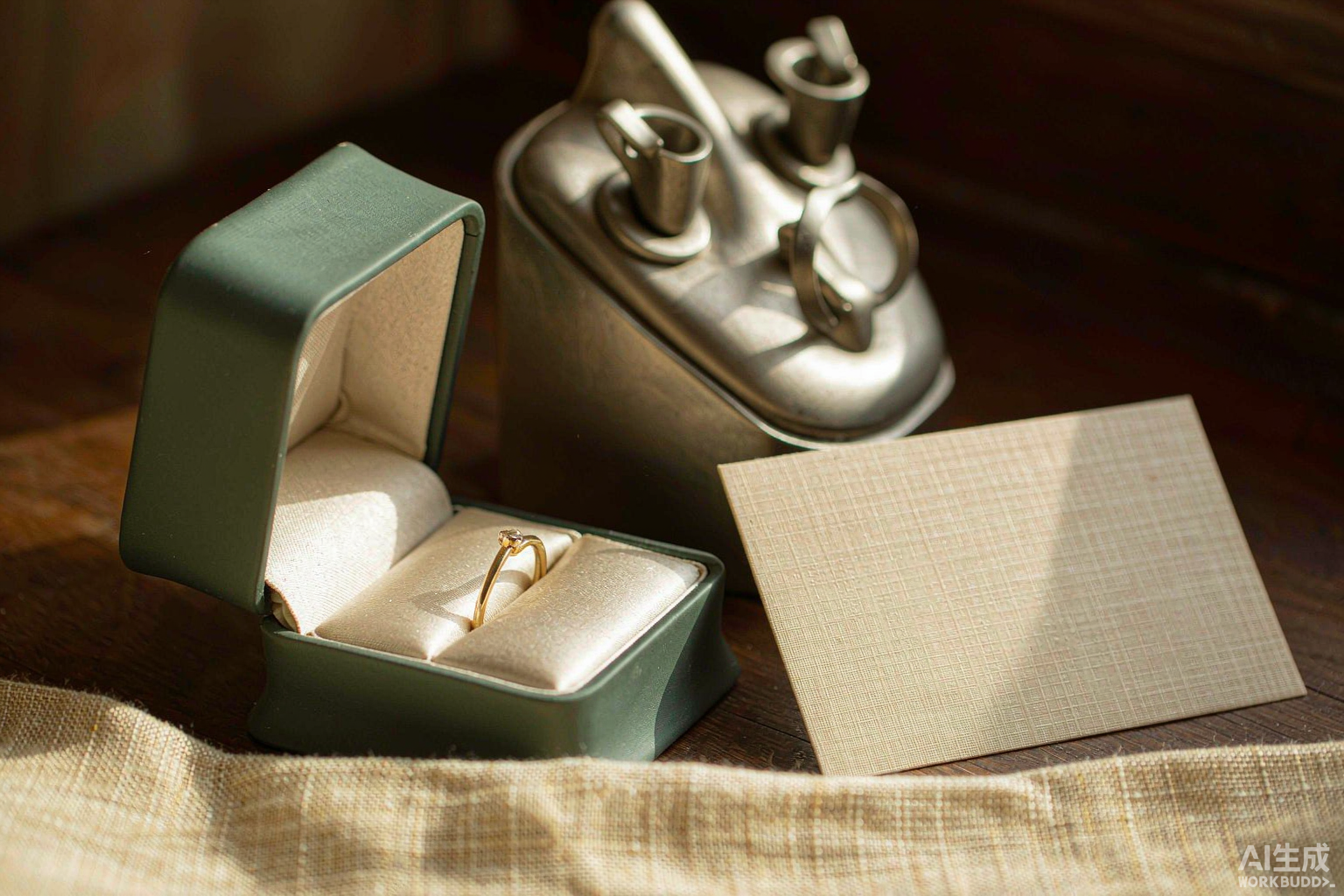
复购藏在盒子里 How Packaging Turns First-Time Buyers Into Repeat Customers
大多数珠宝品牌把力气都花在"成交那一刻",却忽略了一件事:顾客把盒子带回家后,这只盒子还要替你工作好几年。它是否被留下来、里面有没有一张值得扫的卡、保养台旁有没有一组能顺手看货的道具——决定了半年后还有没有第二单。下面六个问题,是采购与店主最常问的。
问一:珠宝生意里,复购到底有多值钱?
值钱到超出大多数人的直觉。ZipDo 2026 年发布的珠宝行业客户体验统计显示,复购客贡献了珠宝销售的 45%,而其他奢侈品类只有约 25%——珠宝是一个天生依赖老客的生意。行业测算也给出对照:获取一个珠宝新客普遍要花 150 至 400 美元,而一个被真正留住的客户,5 到 10 年生命周期价值可达 5,000 至 50,000 美元以上。
国内头部品牌的数据更直白。老铺黄金 2026 年二季度沟通提到,金卡与黑卡会员贡献总销售的 80%;会员复购率从 2025 年全年 35% 升到 2026 年上半年 47%,会员规模从约 60 万增至 73 万。同期金价罕见回落,支撑业绩的恰是这批反复回来的老客。另一组数据说明珠宝复购逻辑的特殊:约 60% 的消费者会保留一件珠宝超过十年,40% 传给家人。买卖结束了,关系才刚开始。
问二:一张塞在盒子里的小卡片,真能带来第二单?
能,而且效率高得不太合理。包装内附卡有一个别的渠道给不了的特性——打开率 100%,每位收到货的顾客都必然亲手碰到它;相比之下邮件打开率约 15%–25%,社媒自然触达只有 2%–5%。成本方面,批量印刷的附卡单价约 0.05–0.50 美元,行业复盘普遍报告它能把复购率抬高 20%–40%。
兑换环节差距更明显:实体卡上的优惠码兑换率一般 15%–25%,纯邮件码只有 2%–5%——那张卡会在书桌或冰箱上待好几周。研究指出,收到实体附卡的顾客 90 天内二次购买概率高出约 50%;折扣卡再配一个可扫的码,复购率还能再高约 23%。
国内数据同样成立。中国包装联合会 2026 年报告称,善用包装二维码的品牌,客户复购率平均提升 27% 以上;《包装世界》2026 年统计显示超过 68% 的消费者愿意扫描包装上的二维码——前提是扫完能拿到有价值的东西,而不是被塞一个任务。
问三:二维码或 NFC 要怎么做,才不惹人烦?
三条硬规则。第一,路径压到三步内:扫码 → 领到东西或看到内容 → 一键留存身份,每多一步流失率可能翻倍。第二,用动态码而非静态码,后台随时可改跳转、不必重印盒子,再挂 UTM 参数才知道哪版卡片有效。第三,码面不小于约 20mm×20mm、四周留足静默区;把码融进原有视觉元素而不是硬贴一块黑白补丁,扫码率高约 40%。
内容上,链向具体动作远胜链首页:保养预约、质保激活、证书溯源、设计师讲解视频。物料尺寸也要提前算:名片规格(约 3.5×2 英寸)刚好放进戒指盒、耳饰托与首饰袋;走电商 mailer 则要 4×6 英寸明信片,才写得下保养说明与品牌故事。2026 年的高端珠宝包装设计里,NFC 轻触验真已不算稀奇,但它替代不了"扫完有什么好处"这件根本事。常见翻车三种:码压折痕或烫金面上扫不出、静态码印死而活动早已结束、跳转首页让顾客自己找。
问四:高端简约的包装,为什么反而更容易带来复购?
老板常说的那句"高端简约珠宝首饰品包装设计,更容易被顾客青睐",从复购角度看理由更硬:克制的盒子更容易被留下来,而留下来的盒子就是一个常年占据梳妆台的广告位。
麦肯锡 2025 年消费者研究显示,73% 的珠宝买家会保留并复用他们认为好看又实用的包装,其中 41% 说这直接提升了对品牌的好感;多功能复用设计的首饰盒能拿到 20%–35% 批发溢价。2026 年趋势报告把这概括成"包装即产品"——盒子被设计成可长期用的收纳盒、桌面摆件或旅行盒,一些品牌还开了包装回收计划,寄回旧包装换积分。
反面同样清楚:堆料、层层叠套、印满促销信息的盒子,拆开第一分钟就进垃圾桶,广告位随之消失。预算该投结构而非装饰——磁吸替掉会松的合页、托盘整片可取、开合手感控到毫米级公差。盛艺祥做方案会先问一句:这只盒子被留下来之后,还能干什么?
问五:服务型权益怎么落到包装和陈列上?
先看顾客要什么。Deloitte 2025 年全球奢侈品消费者调研显示,68% 的奢侈品与珠宝客户更偏好服务型权益(清洗、维修、个性化),而不是百分比折扣。这类权益的转化数据非常硬:某精品珠宝店的年度免费清洗,67% 的到店清洗会顺手浏览新货,23% 会追加购买、平均单笔约 185 美元;提供免费刻字的商品退货率只有 2%,未刻字的是 11%,且刻字客户年留存达 89%;48 小时优先维修的高阶会员年留存 91%。
国内门店复盘印证同一件事:只喊"免费清洗",到店率约 6%–9%;加上"专业检测 + 佩戴风险提示 + 升级保养方案",到店率可做到 12%–18%。免费只是入口,价值感才是理由。
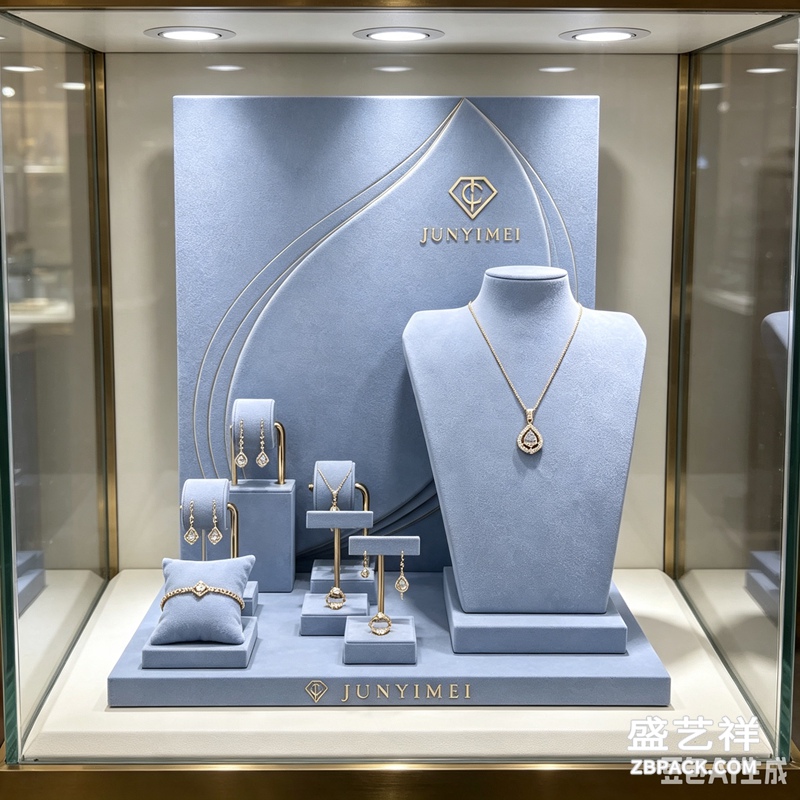
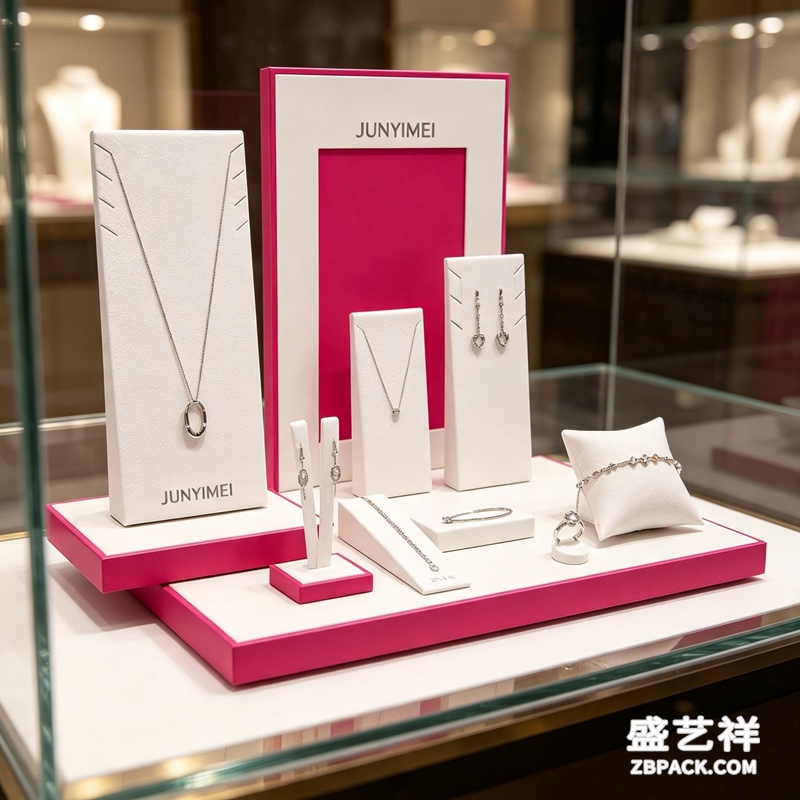
包装侧要接住这些权益:盒内给保养卡、质保卡、证书各留独立卡位;随货配一只可封缄、可写编号的首饰袋,顾客送修送洗时能把旧件安稳装回来。陈列侧要接住的是那十分钟——清洗台旁的珠宝摆台和珠宝陈列道具,决定顾客等待时是刷手机还是看货;试戴托盘按主题成组(婚礼客装、通勤三件套),比一件件递上去更容易连带。老铺黄金完善门店 VIC 接待室布局,做的是同一件事:把服务动线做成陈列动线。
问六:这些要求怎么写成可验收的条款,ROI 怎么算?
五条可以直接写进图纸和合同:一,卡位——保养卡、质保卡、证书卡位的尺寸公差标注清楚,避免一开盒卡片就掉出来;二,码——统一用动态码、后台可改跳转,码面不小于 20mm、留足静默区,禁止压在折痕或烫金面上;三,复用结构——磁吸取代合页、托盘可整片取出、盒体尺寸按实物收敛不留虚胖空间;四,打样——先做 300–500 只小批量,验开合手感、印刷色差与真机扫码成功率;五,可测量——一批一码或按月换码,才能量出哪版卡片真的带来复购。
ROI 不复杂。一张附卡成本几毛到三块多人民币,而一个珠宝新客获取成本常在千元量级;复购客本就占珠宝销售 45%,把复购率往上撬 20%–40% 的杠杆,远大于再加一轮广告预算。盛艺祥在珠宝盒定制上的做法很直接:先问清品牌的复购动作——清洗、刻字、质保、以旧换新,再决定盒子里留什么位置。包装不是成交的终点,是下一单的起点。
本文为原创内容,版权归盛艺祥所有。如需转载请注明出处。
盛艺祥(Shengyixiang)——高端珠宝包装设计与定制专家,为品牌护航。
Most jewelry brands pour everything into the moment of sale and forget one fact: after the customer carries the box home, that box keeps working for you for years. Whether it gets kept, whether there is a card inside worth scanning, whether a tidy set of props sits beside the cleaning counter — these details decide whether a second order arrives six months later. Below are the six questions buyers and store owners ask most often.
Q1: How much is repeat business actually worth in jewelry?
More than most people assume. ZipDo's 2026 jewelry customer-experience data set reports that repeat customers account for 45% of jewelry sales, compared with roughly 25% in other luxury categories. Jewelry is structurally a returning-customer business. Industry estimates sharpen the contrast: acquiring one new jewelry customer commonly costs USD 150 to 400 once paid search, social ads, local advertising and mall foot-traffic costs are counted, while a genuinely retained customer can be worth USD 5,000 to 50,000 or more over five to ten years.
Chinese market leaders show the same pattern. In its second-quarter 2026 briefing, Laopu Gold disclosed that gold-card and black-card members generated 80% of total sales, that member repeat-purchase rate rose from 35% for full-year 2025 to 47% in the first half of 2026, and that membership grew from roughly 600,000 to 730,000. That happened during an unusually sharp pullback in gold prices — the buffer was the returning customer base. One more figure explains why jewelry retention behaves differently: about 60% of consumers keep a piece for more than ten years and 40% pass it down. The transaction ends; the relationship does not.
Q2: Can a small card tucked inside the box really drive a second order?
Yes, and its efficiency is almost unreasonable. A packaging insert has one property no other channel can match — a 100% open rate, because every customer who receives the parcel physically handles it. Email open rates sit around 15%–25%; organic social reach is 2%–5%. Printed in volume, inserts cost roughly USD 0.05–0.50 each, and industry reviews consistently report they lift repeat-purchase rates by 20%–40%.
Redemption is where the gap widens. Discount codes printed on a physical card typically see 15%–25% redemption, versus 2%–5% for email-only codes, largely because the card lingers on a desk or fridge for weeks. Research indicates customers who receive a thoughtful physical insert are about 50% more likely to buy again within 90 days, and pairing a discount card with a scannable code adds roughly 23% on top of that.
Chinese data agrees. A 2026 report from the China Packaging Federation found brands using packaging QR codes well raised repeat-purchase rates by an average of more than 27%, and Packaging World's 2026 survey found over 68% of consumers are willing to scan a code on packaging — provided the scan delivers something of value rather than a chore.
Q3: How should QR codes or NFC be executed so they do not annoy anyone?
Three hard rules. First, compress the path to three steps: scan, receive the benefit or content, then save identity in one tap. Every extra step can double drop-off. Second, use dynamic codes rather than static ones so the destination can be changed without reprinting a run of boxes, and attach UTM parameters so you know which card version actually worked. Third, keep the code at least about 20mm by 20mm with a clear quiet zone; integrating it into existing visual elements such as a border or pattern block, instead of pasting on a black-and-white patch, lifts scan rates by roughly 40%.
On content, linking to a specific action beats linking to a homepage every time: book a cleaning, activate a warranty, view provenance, watch the designer explain the piece. Plan the physical format too. A business-card format of about 3.5 by 2 inches fits neatly inside a ring box, an earring tray or a jewelry pouch; for e-commerce mailers, a 4 by 6 inch postcard leaves room for care instructions and brand story together. In premium jewelry packaging design in 2026, NFC tap-to-verify and provenance lookups are no longer exotic — but no technology substitutes for the basic question of what the customer gets in return. Three failures recur: the code printed across a crease or a foil-stamped surface and refusing to scan, a static code frozen onto a campaign that ended months ago, and a destination that dumps the visitor on a homepage to search alone.
Q4: Why does restrained, minimal packaging drive more repeat business?
The familiar argument — that high-end, minimal jewelry packaging design wins customer favour more easily — becomes even stronger through a retention lens: a restrained box is far more likely to be kept, and a kept box is a permanent advertising slot on the customer's dresser.
A 2025 McKinsey consumer study found 73% of jewelry buyers keep and reuse packaging they consider beautiful and functional, and 41% of them say it directly increased their affinity for the brand. Jewelry boxes engineered for genuine multi-use carry a 20%–35% wholesale premium. Trend reports for 2026 summarise this as "packaging as product": boxes are deliberately designed to serve as long-term storage cases, desk objects or travel cases, and leading brands now run packaging take-back programmes that trade returned boxes for discounts or points.
The inverse is equally clear. Over-built, multi-layered boxes plastered with promotional messaging go into the bin within a minute of opening, and the advertising slot disappears with them. So the budget belongs in structure, not ornament: magnetic closures instead of hinges that loosen with use, trays that lift out as a single piece, and opening feel controlled to millimetre tolerances. When Shengyixiang scopes a project, the first question is simple — once this box is kept, what else can it do?
Q5: How do service-based perks land in packaging and display?
Start with what customers want. Deloitte's 2025 Global Luxury Consumer Survey found 68% of luxury and jewelry customers prefer service-based rewards — cleaning, repair, personalisation — over percentage discounts. The conversion evidence is unusually concrete. At one fine jewelry store, annual complimentary cleaning led 67% of visitors to browse and 23% to add a purchase averaging USD 185; a tiered cleaning ladder brought 67% of gold-tier members into the store at least twice a year; engraved pieces show a 2% return rate against 11% for non-engraved, with 89% annual retention among engraving customers; and 48-hour priority repair correlates with 91% annual retention at the upper tier.
Chinese store reviews reach the same conclusion from the other direction: an invitation that only says "free cleaning" converts at roughly 6%–9% foot traffic, while an invitation offering professional inspection, wear-risk assessment and an upgraded care plan converts at 12%–18%. Free is only the entry point; perceived value is the reason.
Packaging has to catch those perks. Give the care card, warranty card and certificate their own die-cut positions rather than loose slots. Ship a sealable, numberable jewelry pouch so the customer can bring an old piece back safely for cleaning or repair. Display has to catch the waiting ten minutes: the jewelry risers and display props beside the cleaning counter decide whether a waiting customer scrolls a phone or looks at stock, and try-on trays curated by theme — bridal guest, commuter trio, a note of sapphire — generate far more attachment than pieces handed over one at a time. Laopu Gold's work on VIC reception layouts inside stores is the same idea: turn the service path into a display path.
Q6: How do you write this into acceptance terms, and how does the ROI work?
Five clauses go straight into drawings and contracts. One, card positions: specify dimensions and tolerances for care, warranty and certificate cards so nothing falls out at first opening. Two, codes: dynamic only, destination editable from the back end, minimum 20mm with a proper quiet zone, never printed across a crease or foil. Three, reuse structure: magnetic closure instead of hinges, a fully removable tray, and box volume right-sized to the piece rather than padded. Four, sampling: run 300–500 units first to validate opening feel, print colour deviation and real-device scan success before scaling. Five, measurability: one code per batch or a monthly rotation, so you can tell which card version actually produced repeat orders.
The ROI arithmetic is not complicated. An insert costs cents; acquiring a new jewelry customer costs hundreds of dollars. Repeat customers already supply 45% of jewelry sales, so a 20%–40% lever on retention outperforms another round of ad spend by a wide margin. Shengyixiang's approach to custom jewelry boxes is deliberately blunt: first establish what the brand's repeat-purchase actions are — cleaning, engraving, warranty, trade-in — then decide what space the box must reserve. Packaging is not the end of a sale. It is the beginning of the next one.
This is original content. Copyright belongs to Shengyixiang.
Shengyixiang — your expert in high-end jewelry packaging design & customization.