同一个红为什么两批不一样:首饰盒印刷色差怎么控 Why Two Batches of Red Differ: Controlling Colour Deviation in Jewelry Packaging
包装采购里最容易伤和气的一件事,是色差。品牌方拿着上一批的首饰盒和这一批比,同样的品牌红,一只偏橙一只偏紫,摆在一起怎么看怎么别扭;工厂拿出签样说完全按样做的,双方都觉得自己有理。这类争议几乎从来不是有人偷工减料,而是印刷这件事从头到尾都在跟一堆变量打交道,而多数合作双方在开工前没把变量约定清楚。
先弄清色差从哪儿来。第一个来源是纸张。同一个墨色印在特种纸、铜版纸和牛卡上,呈现完全不同,纸的白度、吸墨性、表面涂层都会改写最终观感,换纸就等于换色。第二个来源是拼色。四色叠印出的红,靠的是网点比例,机器温湿度、水墨平衡、印版磨损中的任何一项漂移,红就跟着漂。第三个来源是后道。覆膜之后颜色普遍加深,过UV后更亮、饱和度上扬,烫金压凹的挤压也会让边缘的墨层发生变化。第四个来源是看色环境,在暖光办公室和阴天窗边看同一只盒子,结论可能截然相反。
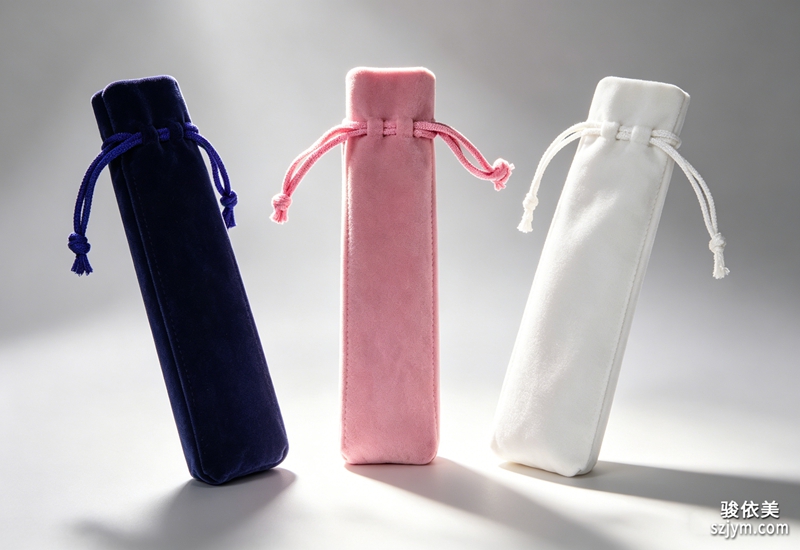
控住这四个来源,办法说到底就是把主观判断换成可核对的依据。品牌主色最稳的做法是走专色,指定潘通色号并注明纸张与后道工序,让墨房按纸配墨,而不是让四色去凑一个红。珠宝袋专色印刷尤其需要这样处理,绒布与雪纺的纤维吃色差异极大,同一个色号在两种面料上必然不同,得分别打样、分别签样。首饰盒印刷色差的争议,八成能在签样这一步就消化掉。
签样也有讲究。首饰盒打样确认时,样品必须是完成全部后道的成品样,而不是刚下机的印张,因为顾客最终看到的是覆膜烫金之后的颜色。签样一式三份:品牌方、工厂、生产车间各存一份,注明日期与批号,并约定一个可接受的偏差范围。有条件的用色差仪给出数值上限,没有仪器就退一步,明确以标准光源箱下目视无明显偏差为准,并写进合同附件。口头说的"跟上次一样",在三个月后没有任何约束力。
批量生产阶段还有两个动作值得坚持。一是首件确认,开机后先出一小批与签样并排比对,确认通过再放量,这一步花二十分钟,能省掉整批返工。二是同款分批下单时尽量约定同纸同机同墨批,实在要跨批,就把上一批的成品样寄回工厂做基准,而不是凭图片沟通。珠宝包装品控的成本几乎都花在事前,事后补救的代价往来运费就够呛人。
色彩是品牌资产里最容易被磨损的一项。顾客不会拿色卡来核对,但当他们同时看到两只本该一样的盒子,那点微妙的不一致会直接折损"这个牌子做事很稳"的印象。把纸、墨、后道和看色条件都写清楚,让每一批都落在同一个区间里,这件事不难,只是需要在开工前多花半小时。
本文为原创内容,版权归骏依美所有。如需转载请注明出处。
盛艺祥珠宝包装承接首饰盒与珠宝袋定制,专色打样、批次比对、全程留档,让每一批颜色都稳在同一个标准上。
Zbpack produces custom jewelry boxes and pouches with spot colour sampling, batch to batch comparison and full documentation, so your brand colour stays consistent across every production run.
Few topics sour a packaging relationship faster than colour deviation. A brand holds last season's jewelry box beside the new batch and the same brand red leans orange on one and purple on the other, awkward the moment they sit together. The factory produces the signed sample and insists the run matched it, and both sides feel justified. These disputes almost never involve someone cutting corners. Printing negotiates with a long list of variables, and most partners never agree on those variables before the job starts.
Understand where deviation comes from. The first source is paper. One ink printed on textured stock, coated art paper and kraft board looks like three different colours, because whiteness, absorption and surface coating all rewrite the result. Changing paper means changing colour. The second source is build up. A red mixed from four process inks depends on dot percentages, so any drift in press temperature, humidity, ink and water balance or plate wear drags the red with it. The third source is finishing. Lamination generally deepens colour, UV coating raises brightness and saturation, and the pressure of foil or debossing alters the ink layer at the edges. The fourth source is viewing conditions, since the same box judged under warm office light and beside an overcast window can produce opposite verdicts.
Controlling these four means replacing subjective judgement with verifiable reference. The most stable route for a brand colour is a spot ink, specified by Pantone number together with the paper and the finishing sequence, so the ink room mixes for that substrate instead of asking four process inks to approximate a red. Pouches need this discipline even more, because velvet and chiffon fibres absorb pigment very differently and one code will never look identical on both. Sample and sign each material separately. Most box printing disputes can be absorbed at this single step.
Signing samples has its own rules. The reference must be a finished sample carrying every post press operation, not a sheet pulled fresh off the press, because what the customer eventually sees is the colour after lamination and foiling. Produce three copies, one for the brand, one for the factory office and one for the production floor, marked with date and batch number, and agree on an acceptable tolerance. Where equipment allows, set a numeric limit with a spectrophotometer. Where it does not, state that no visible difference under a standard light booth is the criterion, and attach that clause to the contract. A verbal promise to match last time carries no weight three months later.
Two habits deserve protection during volume production. First, first article approval: pull a small quantity after start up, compare it side by side with the signed sample and only then release the run. Twenty minutes here prevents reworking an entire order. Second, when the same item is ordered in separate batches, try to specify identical paper, press and ink lot. If batches must differ, ship a finished sample from the previous run back to the factory as the benchmark rather than negotiating from photographs. Quality control spending belongs before production, since freight alone makes late remedies painful.
Colour is the most easily eroded piece of brand equity. Customers never arrive with a colour chart, but when they see two boxes that should match and do not quite, that subtle inconsistency quietly discounts the belief that this brand runs a tight operation.
This article is original content, copyright JunyiMei. Please credit the source when reprinting.
Zbpack produces custom jewelry boxes and pouches with spot colour sampling, batch to batch comparison and full documentation, so your brand colour stays consistent across every production run.
盛艺祥珠宝包装承接首饰盒与珠宝袋定制,专色打样、批次比对、全程留档,让每一批颜色都稳在同一个标准上。