叠戴美学演绎陈列新境 Layering Aesthetics Redefine Display
一、叠戴美学成为2026年珠宝消费核心趋势
2026年的珠宝时尚圈,"少即是多"的克制哲学正在退潮,取而代之的是更具表现力和个性态度的叠戴美学。从巴黎高定周到纽约时装周,模特们的颈部、手腕和耳际不再只佩戴单件珠宝,而是通过多条项链、多枚戒指和层叠耳饰的组合,构建出丰富而富有层次的视觉叙事。行业数据显示,项链品类预计以6.0%的年均复合增长率领跑全球珠宝市场,叠戴风格正是这一增长的核心驱动力。
叠戴美学之所以在2026年全面爆发,源于消费者心理的深层转变。经历了数年极简主义和"老钱风"的洗礼后,人们渴望通过珠宝重新表达自我。叠戴不是简单的堆砌,而是讲究材质呼应、长短错落和色彩协调的艺术。一条精致的细链锁骨链搭配一条复古粗链,再点缀一枚吊坠,便能将日常穿搭提升到全新的时尚维度。这种趋势也为珠宝品牌的产品开发和陈列策略带来了全新课题——如何在有限的展示空间内,呈现叠戴搭配的无限可能。
市场观察发现,18至34岁的年轻消费者是叠戴风潮的主要推动力。他们不再满足于"一件珠宝走天下"的传统模式,而是倾向于购买多件可自由组合的单品,根据不同场合和心情进行搭配。这一消费行为的转变,直接影响了品牌从产品设计到终端陈列的全链路策略调整。盛艺祥在这一趋势下,持续优化珠宝包装设计,为品牌客户提供适配叠戴场景的包装解决方案。
二、陈列策略如何呼应叠戴美学
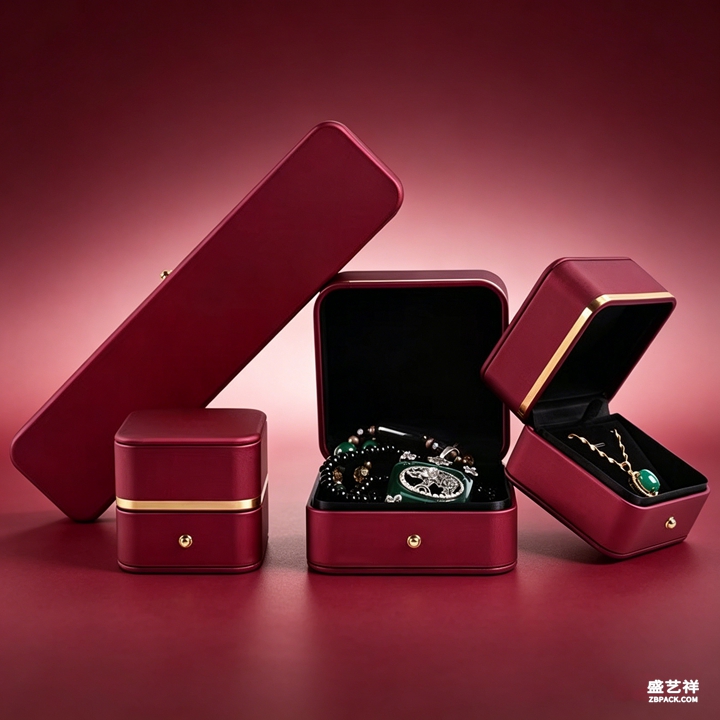
当叠戴成为主流,珠宝陈列道具的功能也随之升级。传统的单品展示已无法满足消费者的搭配想象,陈列设计需要从"展示单品"转向"呈现搭配方案"。在2026年的珠宝零售空间中,我们看到了越来越多的场景化陈列:多层级首饰盒展示台模拟了消费者日常叠戴的场景,让顾客在购买时就能想象组合佩戴的效果。
珠宝摆台的设计也在向叠戴友好型转变。多层次的展示架、阶梯式陈列台和旋转式展示柜,使得多条项链、多个戒指和耳饰能够在同一视觉框架内呈现组合效果。这种陈列方式不仅提升了空间的利用率,更重要的是帮助消费者直观感受叠戴搭配的魅力,从而有效促进多件联带销售。数据显示,采用场景化叠戴陈列的门店,客单价平均提升20%以上。
在陈列道具的材质选择上,丝绒、哑光金属和深色木质成为主流背景。这些材质既能突出珠宝的光泽,又不会喧宾夺主,让叠戴组合在视觉上保持和谐统一。首饰盒作为陈列的核心载体,其设计也在向多格分区、可灵活组合的方向演进,以适应叠戴珠宝的展示需求。
三、包装设计对叠戴珠宝的赋能作用
叠戴趋势不只影响终端陈列,也深刻改变了珠宝包装设计的思路。当消费者一次性购买多件珠宝进行搭配时,包装方案需要同时容纳和保护多件饰品。多功能首饰袋、多格首饰盒和组合式包装方案因此受到品牌和消费者的青睐。一个设计精良的珠宝包装系统,不仅要在运输过程中保护每件饰品,更要在开箱体验中呈现叠戴搭配的灵感。
2026年的包装创新趋势体现在两个方面:一是模块化设计,即一个包装单元通过可拆卸隔板灵活调整内部空间,适配不同尺寸和数量的珠宝组合;二是叙事性设计,通过包装的视觉元素引导消费者理解叠戴搭配的逻辑和故事。盛艺祥在这两个方向上持续投入研发,为珠宝品牌提供从概念到量产的全流程包装设计服务。
四、品牌陈列道具的创新实践
面对叠戴美学带来的陈列挑战,国际珠宝品牌和本土零售商纷纷进行陈列道具的创新实践。蒂芙尼在2026年的新品发布中,采用了多层级旋转展示台,将Sixteen Stone系列的不同款式以叠戴组合的方式呈现,让消费者直观感受从日常通勤到晚宴场景的搭配可能。梵克雅宝则在其旗舰店中设置了"叠戴实验室",通过可交互的数字屏幕和实物陈列道具相结合,为顾客提供个性化的叠戴搭配建议。
在本土市场,珠宝零售商也在积极跟进。越来越多的品牌门店开始采用场景化陈列方案,将项链、戒指、耳饰按搭配主题分区展示,配合精心设计的珠宝陈列道具,打造沉浸式的购物体验。这种从"单品销售"到"搭配解决方案"的转变,正在重塑珠宝零售的空间逻辑和消费动线。
值得注意的是,手表盒和首饰盒的融合设计也成为新趋势。当叠戴从珠宝延伸到腕表与珠宝的跨界搭配时,能够同时收纳手表和首饰的多功能包装盒受到市场欢迎。这种跨界融合的包装设计,不仅满足了消费者的实际需求,也为品牌提供了更多元的产品延展空间。盛艺祥作为专注于珠宝盒、手表陈列、首饰陈列道具、珠宝包装生产及设计领域的企业,持续为行业提供创新解决方案。
五、展望与思考
叠戴美学的兴起,本质上是消费者对个性化表达的深层需求。当每一件珠宝都成为个人叙事的一部分,陈列和包装就不再只是附属功能,而是连接产品与消费者情感的重要桥梁。从珠宝陈列道具的升级到珠宝包装设计的创新,整个产业链都在围绕"如何更好地呈现搭配之美"进行思考和变革。
展望未来,叠戴趋势将持续深化,并推动珠宝行业在产品设计、空间陈列和包装方案上不断创新。对于珠宝品牌和零售商而言,能否在叠戴美学浪潮中抓住机遇,关键在于能否提供从产品到陈列到包装的一体化解决方案,让消费者在每一个触点都能感受到搭配的乐趣和品牌的用心。
本文由盛艺祥原创发布,21年专注于珠宝盒、手表陈列、首饰陈列道具、珠宝包装生产及设计领域。
1. Layering Aesthetics Becomes the Core Jewelry Trend of 2026
In the 2026 jewelry fashion world, the minimalist philosophy of "less is more" is fading, replaced by the more expressive and personality-driven layering aesthetics. From Paris Haute Couture Week to New York Fashion Week, models' necks, wrists, and ears are no longer adorned with single pieces of jewelry. Instead, multiple necklaces, rings, and layered earrings create rich and multidimensional visual narratives. Industry data shows that the necklace category is expected to lead the global jewelry market with a 6.0% compound annual growth rate, with layering styles as the core driver of this growth.
The full explosion of layering aesthetics in 2026 stems from a deep shift in consumer psychology. After years of minimalism and "old money" aesthetics, people crave self-expression through jewelry again. Layering is not simple accumulation but an art that emphasizes material harmony, staggered lengths, and color coordination. A delicate chain necklace paired with a vintage chunky chain, accented with a pendant, can elevate everyday wear to an entirely new fashion dimension. This trend also presents a new challenge for jewelry brands in product development and display strategy: how to present the infinite possibilities of layered combinations within limited display space.
Market observations reveal that consumers aged 18-34 are the primary drivers of the layering trend. They no longer settle for the traditional model of "one piece for all occasions" but tend to purchase multiple items that can be freely combined according to different events and moods. This shift in consumer behavior directly influences brands' full-chain strategy adjustments from product design to retail display. Under this trend, Shengyixiang continues to optimize jewelry packaging design, providing brand clients with packaging solutions suited for layering scenarios.
2. How Display Strategy Echoes Layering Aesthetics
As layering becomes mainstream, the function of jewelry display props is also upgrading. Traditional single-item display can no longer satisfy consumers' pairing imagination. Display design needs to shift from "showcasing individual pieces" to "presenting combination solutions." In 2026 jewelry retail spaces, we see increasing scene-based displays: multi-level jewelry box display tables simulate consumers' daily layering scenarios, allowing customers to envision combined wearing effects at the point of purchase.
Jewelry display table design is also shifting toward layering-friendly approaches. Multi-tier display stands,阶梯-type display platforms, and rotating display cabinets enable multiple necklaces, rings, and earrings to be presented within the same visual frame as combined ensembles. This display approach not only improves space utilization but, more importantly, helps consumers intuitively experience the appeal of layered combinations, effectively promoting multi-item add-on sales. Data shows that stores adopting scene-based layering displays see an average increase of over 20% in average transaction value.
In terms of material selection for display props, velvet, matte metals, and dark wood have become mainstream backgrounds. These materials can highlight jewelry's luster without competing for attention, maintaining visual harmony and unity in layered combinations. The jewelry box, as the core carrier of display, is also evolving toward multi-compartment, flexibly combinable designs to meet the display needs of layered jewelry.
3. How Packaging Design Empowers Layered Jewelry
The layering trend affects not only retail display but also profoundly changes the approach to jewelry packaging design. When consumers purchase multiple jewelry pieces at once for combination, packaging solutions need to simultaneously accommodate and protect multiple items. Multi-functional jewelry pouches, multi-compartment jewelry boxes, and combination packaging solutions are therefore favored by brands and consumers alike. A well-designed jewelry packaging system must not only protect each piece during transport but also present the inspiration of layered combinations in the unboxing experience.
2026 packaging innovation trends are reflected in two aspects: first, modular design, where a single packaging unit flexibly adjusts its internal space through removable dividers to accommodate jewelry combinations of different sizes and quantities; second, narrative design, which guides consumers to understand the logic and story of layering combinations through the visual elements of the packaging. Shengyixiang continues to invest in research and development in both directions, providing jewelry brands with full-process packaging design services from concept to mass production.
4. Innovative Practices in Brand Display Props
Facing the display challenges brought by layering aesthetics, international jewelry brands and local retailers are actively innovating in display props. In its 2026 new product launch, Tiffany adopted a multi-tier rotating display platform, presenting different styles of the Sixteen Stone collection in layered combinations, allowing consumers to intuitively experience pairing possibilities from daily commute to evening occasions. Van Cleef & Arpels set up a "Layering Lab" in its flagship stores, combining interactive digital screens with physical display props to provide customers with personalized layering recommendations.
In the domestic market, jewelry retailers are also actively following suit. An increasing number of brand stores are adopting scene-based display solutions, dividing necklaces, rings, and earrings by pairing themes, complemented by carefully designed jewelry display props to create immersive shopping experiences. This transformation from "single-item sales" to "combination solutions" is reshaping the spatial logic and consumer flow of jewelry retail.
Notably, the integrated design of watch boxes and jewelry boxes has also become a new trend. When layering extends from jewelry to cross-category pairing of watches and jewelry, multi-functional packaging boxes that can simultaneously store watches and jewelry are welcomed by the market. This cross-category integrated packaging design not only meets consumers' practical needs but also provides brands with more diverse product extension possibilities. As a company dedicated to jewelry boxes, watch displays, jewelry display props, and jewelry packaging production and design, Shengyixiang continues to provide innovative solutions for the industry.
5. Outlook and Reflection
The rise of layering aesthetics is essentially a deep consumer need for personalized expression. When each piece of jewelry becomes part of personal narrative, display and packaging are no longer just auxiliary functions but important bridges connecting products with consumer emotions. From the upgrade of jewelry display props to the innovation of jewelry packaging design, the entire industry chain is thinking and transforming around "how to better present the beauty of combinations."
Looking ahead, the layering trend will continue to deepen, driving the jewelry industry to continuously innovate in product design, spatial display, and packaging solutions. For jewelry brands and retailers, the key to seizing opportunities in the wave of layering aesthetics lies in whether they can provide integrated solutions from products to display to packaging, allowing consumers to feel the joy of pairing and the brand's dedication at every touchpoint.
This article is originally published by Shengyixiang, with 21 years of dedication to jewelry boxes, watch displays, jewelry display props, and jewelry packaging production and design.