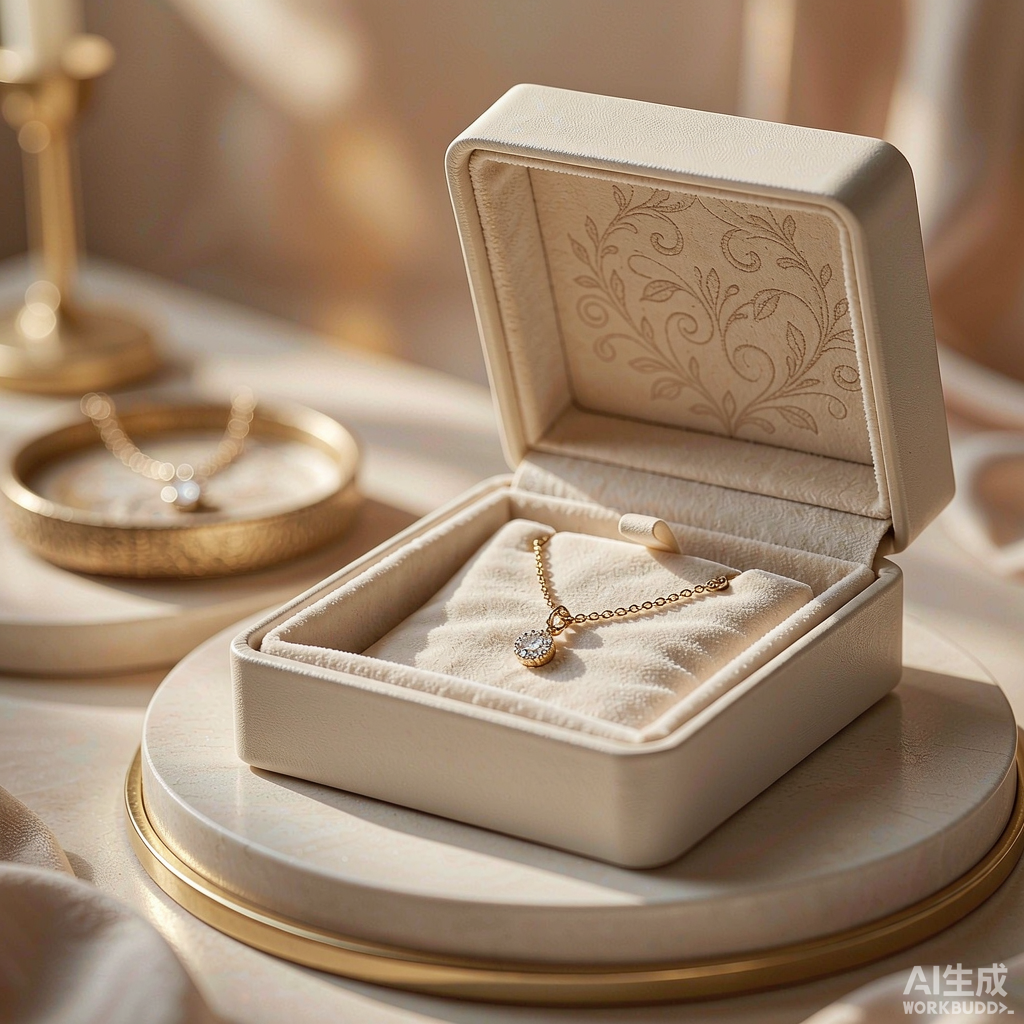
道具提升门店转化 How Quality Jewelry Display Props Boost In-Store Sales
走进一家珠宝店,最先决定顾客掏不掏钱的,往往不是导购的话术,而是柜台本身。一组会说话的珠宝陈列道具,能在顾客还没开口时就完成大半的说服工作。下面用几个门店最常被问到的问题,把"陈列如何变成成交"讲清楚。
一、珠宝陈列道具到底能带来多少转化提升?
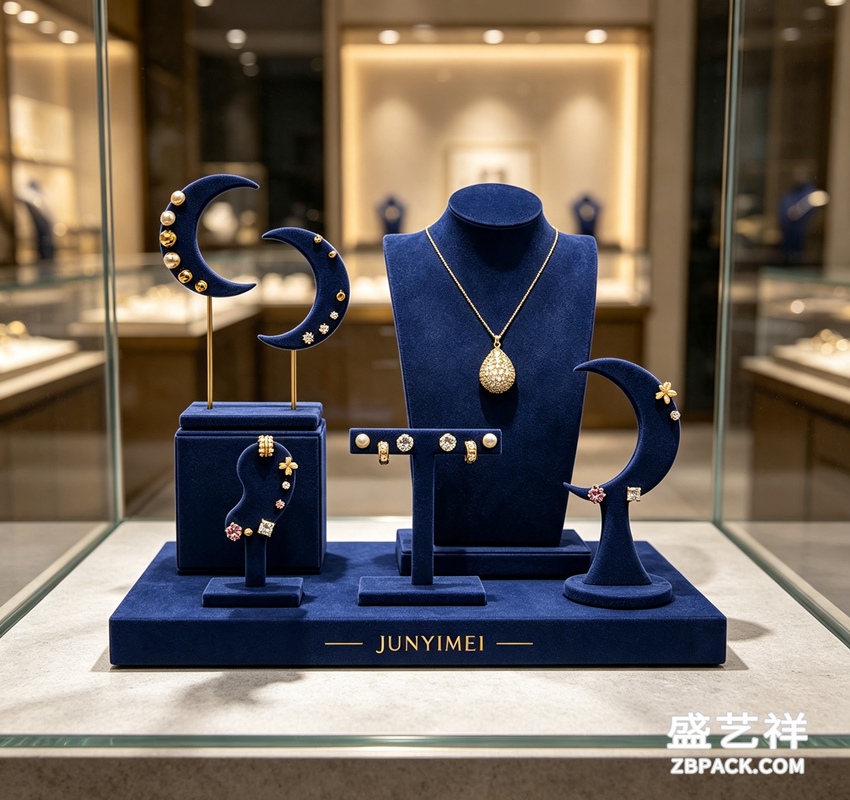
视觉是珠宝成交的第一杠杆。行业研究显示,顾客在店内的购买决策约 80% 基于视觉信息,高质量视觉陈列甚至能影响 8 成以上的购买决定。对线上渠道同样成立:采用专业陈列道具拍摄的商品图,比直接平铺在桌面的图平均多 37% 点击、加购率高 23%。这也解释了为什么 2023–2025 年间,北美中型独立珠宝商的门店陈列(fixture)预算提升了约 14.3%——大家都在把"柜台"当成"无声销售员"。盛艺祥在为品牌做珠宝盒定制时,也会同步规划与之呼应的珠宝陈列道具,让盒子与展台讲同一个故事。
二、哪些陈列道具组合最能拉动进店与成交?
数据给出的优先级很清晰。橱窗是第一入口:精心设计的橱窗能带来约 +23% 的进店客流、+12–18% 的转化率,76% 的路人表示会被专业的橱窗或招牌吸引进店。进店之后,眼平线(chest-to-eye)高度的商品的被购买概率高出 82%,所以珠宝摆台与重点照明一定要把主推款托到视线高度。互补色陈列可提升约 35% 销售,暖白光(3000–3500K)配聚光则能把溢价感知再拉高 15–22%;端架或焦点位让商品被注意的概率高 60%。把这几样组合起来,就是一套低成本的"成交发动机"。
三、【老板论点】高端简约的包装与陈列,为什么更受顾客青睐?
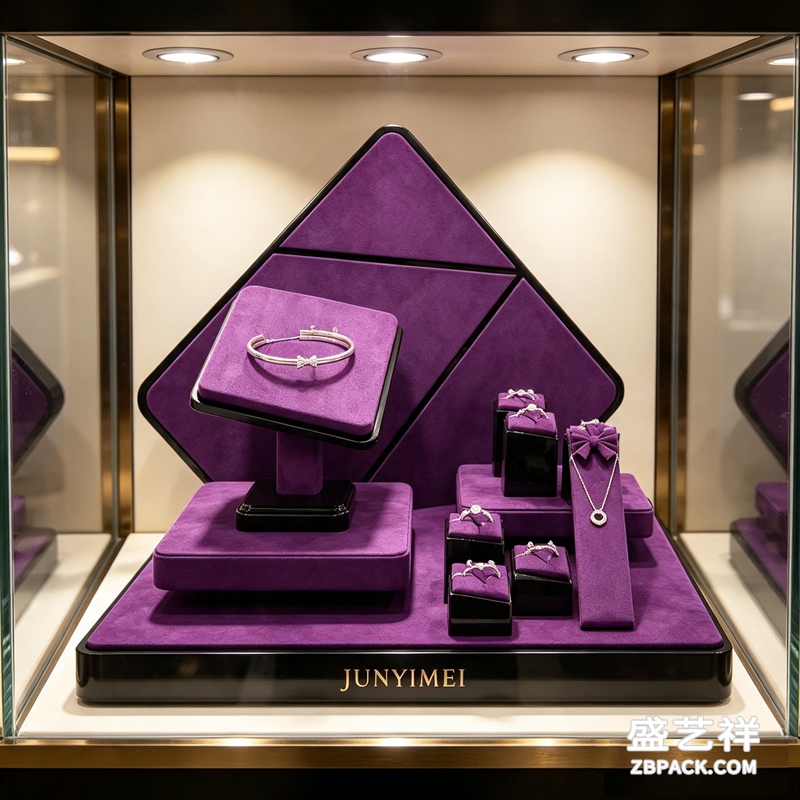
这正是盛艺祥一直坚持的方向。数据显示,73% 的顾客会因"陈列与包装体验好"而再次光顾;而当陈列做减法——更少的货品、更多的留白——顾客对单件商品的感知价值反而提升约 28%。高端简约不等于简陋:它是用克制的首饰盒、干净的珠宝陈列道具、恰到好处的光,把"贵"留给产品本身。饰品包装盒少一层、小一圈、轻一点,反而更显体面。这种"少而精"的审美,正在成为高端珠宝门店的共识。
四、小店预算有限,先投哪几样道具最划算?
别一上来铺满全场。优先级建议:① 一组可调节高度的珠宝摆台(把主推款托到眼平线);② 2–3 盏可调色温的重点射灯(暖白光打亮金属与宝石火彩);③ 与品牌色一致的珠宝陈列道具与底座(统一视觉语言)。专业视觉陈列的投资回报率(ROI)可达 300%,即便只做"核心 2–3 件道具 + 一处主题橱窗"的局部改造,也能在两周内从试戴率、连带率上看到变化。盛艺祥的珠宝盒工厂支持小批量柔性打样,道具与包装可以同步验证、同步上线。
五、怎么验收一套陈列道具方案到底有没有用?
用可量化指标说话,而不是"看着还行"。建议做两周 A/B:对照期记录进店率、试戴率、连带率、客单价;改造后同样记录。行业基准里,互动型或主题化陈列能把顾客互动提升 40–60%,在 luxury 环境里精心执行的视觉陈列甚至能把购买意愿拉高最多 70%。当你看到试戴台旁停留更久、同系列被成套拿下,这套珠宝陈列道具与首饰盒的组合就验证成功了。
本文为原创内容,版权归盛艺祥所有。如需转载请注明出处。
盛艺祥(Shengyixiang)——高端珠宝包装设计与定制专家,为品牌护航。
Walk into a jewelry store, and what decides whether a customer opens their wallet is often not the sales pitch — it's the counter itself. A set of well-chosen jewelry display props can do most of the convincing before a word is spoken. The global jewelry retail sector generated more than $353 billion in 2025, and a meaningful share of that revenue is won or lost at the display. Below, we answer the questions store owners and buyers ask most, to show how merchandising turns into conversion.
1. How much can display props actually move the needle?
Visual merchandising is the first salesperson in a jewelry store. Research shows roughly 80% of in-store purchase decisions are driven by what shoppers see, and strong visual displays influence 8 out of 10 buying decisions. The same logic holds online, where e-commerce already accounts for about 22.7% of jewelry sales in 2025 and is projected to pass 31% by 2034: listings shot with professional display stands earn about 37% more clicks and a 23% higher add-to-cart rate than flat-on-surface photos. That is why, between 2023 and 2025, mid-size independent jewelers in North America raised their store-fixture budgets by roughly 14.3% — they have realized the counter is a silent seller. A One Door study adds that 68% of shoppers say the in-store experience significantly shapes their perception of a brand's value, while 55% feel what they see in-store often fails to match the brand's marketing. Good display props close that gap. At Shengyixiang, when we deliver jewelry box customization for a brand, we plan the matching jewelry display props in the same breath, so the box and the pedestal tell one story.
2. Which prop combinations pull the most traffic and conversion?
The data points to a clear hierarchy. The window is the first door: a well-crafted window lifts foot traffic by about +23% and conversion by +12–18%, and 76% of passersby say a professional window or sign is what pulled them in. Once inside, products at chest-to-eye height are 82% more likely to be purchased — so jewelry display stands and accent lighting must raise hero pieces to eye level. Complementary-color merchandising adds ~35% to sales; warm-white (3000–3500K) spotlights push perceived premium by another 15–22%; end-cap or focal placements make an item 60% more likely to be noticed. McKinsey notes that brands investing in structured, data-informed merchandising outperform peers by up to 2x in sales per square foot, and Leafio's research shows well-executed visual merchandising can lift purchase intent by up to 70% in luxury environments. Stack these elements together and you have a low-cost conversion engine.
3. [Owner's insight] Why do customers favor high-end, minimalist packaging and displays?
This is exactly the principle Shengyixiang keeps returning to. Data shows 73% of customers come back because the packaging and display experience was good; and when a display is pared down — fewer pieces, more negative space — shoppers' perceived value of each item actually rises by about 28%. Minimalism isn't cheapness; it's using a restrained jewelry box, clean jewelry display props, and just the right light to let the product itself carry the "expensive" signal. An accessory gift box that's one layer thinner, one size smaller, a touch lighter reads as more refined, while strategic use of color still boosts brand recognition by up to 80%. This "less but better" aesthetic is becoming the consensus for high-end jewelry retail, where restraint reads as confidence rather than emptiness.
4. With a tight budget, which props should a small store buy first?
Don't try to fill the whole floor at once. Priority order: (1) a set of height-adjustable jewelry display stands to lift hero pieces to eye level; (2) two or three tunable accent spotlights (warm-white to bring out metal and gem fire); (3) jewelry display props and bases in the brand color to unify the visual language, because consistent, well-branded fixtures can lift revenue by up to 23%. Professional visual merchandising can return up to 300% ROI — even a partial makeover of "2–3 core props + one themed window" shows up within two weeks in try-on and attach rates. Even small comforts compound: stores where customers feel comfortable see them spend 15–25% more time browsing, which directly expands the window to convert. Shengyixiang's jewelry box factory supports small-batch flexible sampling, so props and packaging can be validated and launched together.
5. How do you actually measure whether a display setup works?
Judge it by numbers, not by "looks fine." Run a two-week A/B: log footfall, try-on rate, attach rate, and average ticket in the baseline period, then the same metrics after the change. Industry benchmarks: interactive or themed displays lift engagement 40–60%, and well-executed visual merchandising in luxury environments can raise purchase intent by as much as 70%; a single strong end-cap placement can lift product visibility by 93% and sales of the featured item by 32%. When you see shoppers lingering longer by the try-on table and reaching for the full matching set, that combination of jewelry display props and jewelry boxes has been validated — and you have the receipts to prove it.
This is original content. Copyright belongs to Shengyixiang.
Shengyixiang — your expert in high-end jewelry packaging design & customization.