首饰袋里的品牌力 What a Jewelry Pouch Says About Your Brand
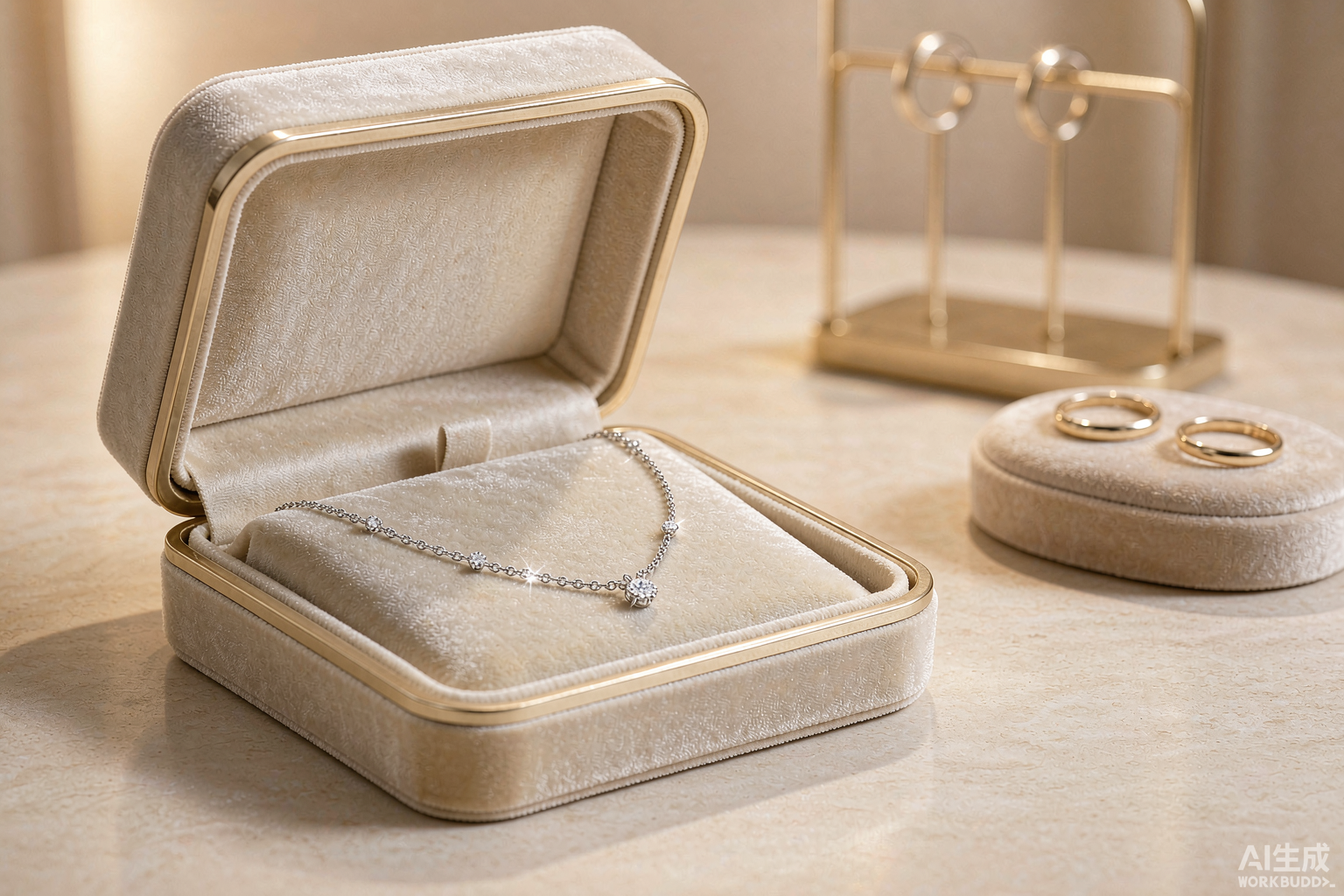
一只小小的首饰袋,常常被当作"附属品"——可它往往是顾客带走的、日后使用频率最高的品牌触点。当首饰盒被收进柜子,那只随身的首饰袋还在旅行、通勤、梳妆台之间反复出现。本期用问答,把"首饰袋/珠宝袋"的功能与品牌感讲清楚。
问一:首饰袋算不算包装?它和首饰盒有什么不同?
算,而且角色互补。首饰盒负责"交付与展示"——开盒那一刻的仪式感;首饰袋负责"携带与日常收纳"——把贵重的戒指、耳钉、项链稳妥地带在身边。从行业数据看,全球珠宝袋(pouch)市场 2025 年规模约 6.183 亿美元,预计 2032 年达 8.479 亿美元,年复合增长率 4.6%;其中亚太是最大的区域(约 2.156 亿美元),植绒材质领跑(约 2.052 亿美元)。袋子更轻、更省材、运费更低,是电商与 DTC 直营品牌的优选。盛艺祥在做珠宝包装设计时,习惯把"袋"视作盒的延伸,而不是添头。
问二:一只袋子也能做品牌?顾客真的在意吗?
在意,而且它是性价比极高的"移动广告牌"。2025 年珠宝品牌已占珠宝袋市场收入的 36.1%,DTC 品牌把每一只袋都当作关键品牌触点——它影响顾客忠诚度、社媒分享和复购。数据显示,转向可持续包装的品牌,品牌感知平均提升 12%–18%,在 25–40 岁人群里转化改善最明显。一只带压印 logo、低饱和配色的克制袋,会被顾客长期用于旅行和收纳,品牌因此持续"在场"。盛艺祥的珠宝袋加工尤其讲究"少而精"的触感,让袋子本身就是一句品牌语言。
问三:材质怎么选——植绒、棉麻还是皮革?
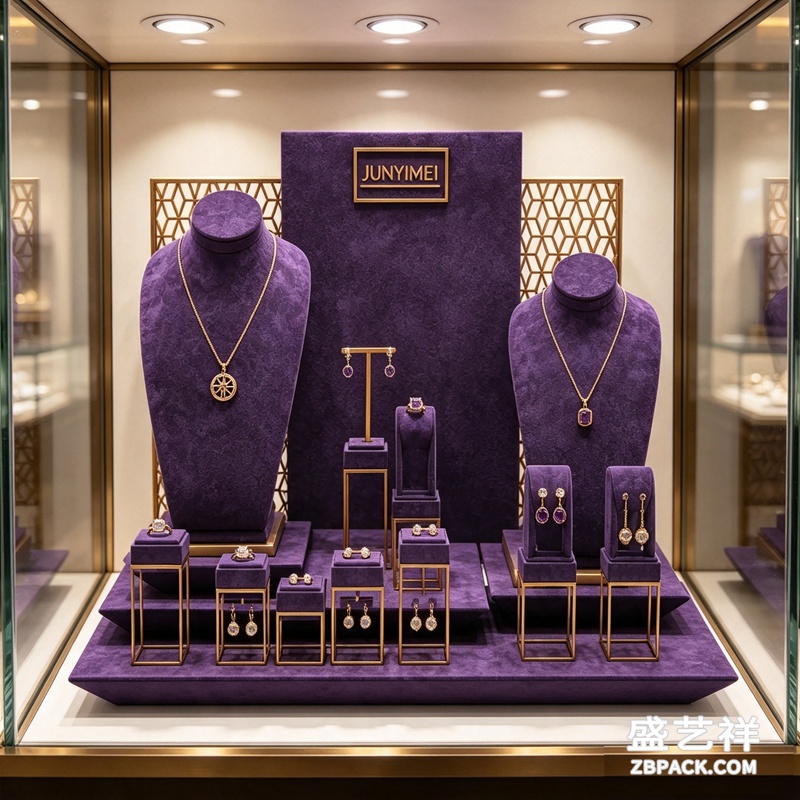
看品牌调性。植绒最高端,占材质榜首(约 2.052 亿美元),触感柔软、缓冲好,适合高级珠宝线;棉与麻天然可降解,契合工匠与自然系调性;真皮小众而高价,主要服务欧洲、日本的超高端定制。值得注意的是,棉麻袋是增长最快的细分,复合增速达 8.9%(至 2034 年)。防氧化(anti-tarnish)处理面料也在兴起,能减缓银饰变黄。盛艺祥可以在自有珠宝盒工厂里按调性柔性打样,从植绒到有机棉一条龙验证。
问四:环保是不是只是"政治正确"?顾客真买账吗?
买账。约 60%–70% 的高端消费者在品牌可替代时会考量包装的可持续性;欧盟 PPWR 自 2026 年起限制一次性包装格式、2030 年设复用目标,正倒逼袋子替代塑料。可信的认证包括 GRS 再生标准、有机棉 GOTS、OEKO-TEX 无有害物质。品牌感知因此提升 12%–18%。对盛艺祥而言,珠宝包装的环保不是加成本,而是把"减法美学"落到一只可循环的首饰袋上。
问五:老板常说"高端简约更受青睐",袋子也是这样吗?
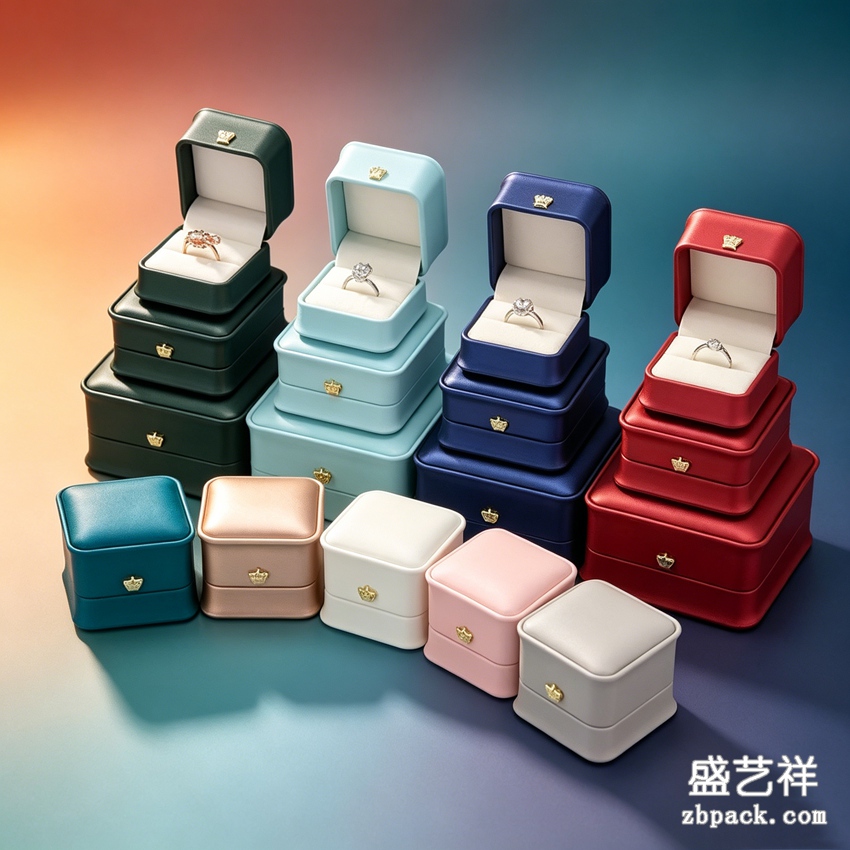
确实如此。干净的中性色、压印(deboss)logo、哑光质感,远比满版花哨印刷更显贵——这与"高端简约珠宝首饰品包装设计,更容易被顾客青睐"的判断一致。少一层、轻一点、手感对,顾客才愿意把它留下、反复使用;而一只被留下的袋子,等于一个长驻梳妆台的广告位。盛艺祥主张的"少而精",从盒体延伸到袋,逻辑是同一套。
问六:小店预算有限,也能做出品牌感的首饰袋吗?
能。数字印花让小批量定制变得划算;GRS 再生植绒可低至 500 只起订;更轻的起步是先用 FSC 纸或有机棉(零开模费),再逐步升级。线上已占珠宝袋销售的 54.7%(2025 年),小品牌直连工厂打样即可。盛艺祥的珠宝盒定制提供小批量柔性方案,让刚起步的品牌也能用一只体面的首饰袋讲清自己是谁。
本文为原创内容,版权归盛艺祥所有。如需转载请注明出处。
盛艺祥(Shengyixiang)——高端珠宝包装设计与定制专家,为品牌护航。
A small jewelry pouch is easy to treat as an afterthought—yet it is often the brand touchpoint a customer keeps using long after the box is stored away. While the rigid box owns the unboxing moment, the pouch travels: commute, travel, dressing table. This Q&A explains the function and brand power of the jewelry pouch.
Q1: Is a pouch even packaging? How is it different from a jewelry box?
It is packaging, and the two play complementary roles. The box delivers the ceremony of opening; the pouch handles carry and daily storage for rings, earrings, and necklaces. The global jewelry pouch market was about USD 618.3 million in 2025 and is forecast to reach USD 847.9 million by 2032, a CAGR of 4.6%. Asia Pacific is the largest region at roughly USD 215.6 million, and velvet leads materials at about USD 205.2 million. Pouches are lighter, use less material, and cut shipping cost—ideal for e-commerce and DTC brands. At Shengyixiang we treat the pouch as an extension of the jewelry packaging design, not a throw-in.
Q2: Can a pouch really build a brand? Do customers care?
They do, and the pouch is a high-value mobile billboard. In 2025 jewelry brands already accounted for 36.1% of pouch-market revenue; DTC brands treat every pouch as a critical touchpoint that influences loyalty, social sharing, and repeat purchase. Brands that shift to sustainable packaging report a 12%–18% lift in brand perception, with the clearest conversion gains among 25–40 year olds. A restrained pouch with a debossed logo and low-saturation color gets kept and reused for travel and storage, keeping the brand continuously present. Shengyixiang jewelry bag manufacturing leans into a less-is-more tactile language.
Q3: Which material—velvet, cotton-linen, or leather?
It follows the brand tone. Velvet is the most premium and leads materials at about USD 205.2 million; it feels soft and cushions well for fine lines. Cotton and linen are natural and biodegradable, fitting artisan and organic positioning. Leather is niche and pricey, serving ultra-luxury custom work in Europe and Japan. Notably, cotton-linen pouches are the fastest-growing segment at an 8.9% CAGR through 2034. Anti-tarnish fabric treatments are emerging to slow silver yellowing. Shengyixiang can prototype across materials in its own jewelry box factory, from velvet to organic cotton.
Q4: Is sustainability just virtue-signaling? Do customers actually pay?
They pay. Roughly 60%–70% of premium consumers consider packaging sustainability when choosing between otherwise comparable brands. The EU PPWR restricts single-use formats from 2026 and sets reuse targets by 2030, pushing pouches over plastic. Credible certifications include GRS recycled standard, GOTS organic cotton, and OEKO-TEX. Brand perception rises 12%–18% as a result. For Shengyixiang, sustainable jewelry packaging is not a cost add-on but a subtraction aesthetic expressed in a reusable pouch.
Q5: The owner often says premium-minimal is favored—does that apply to pouches?
Yes. A clean neutral palette, a debossed logo, and a matte finish read as more expensive than busy full-bleed printing—consistent with the view that high-end, minimal jewelry packaging design is more favored by customers. Less layer, lighter weight, right touch: that is what makes a customer keep and reuse the pouch, turning it into a billboard permanently parked on the dressing table. Shengyixiang less-is-more logic runs from box to pouch as one system.
Q6: Tight budget—can a small store still build a branded pouch?
Yes. Digital textile printing makes short runs affordable; GRS recycled velvet can start from 500 pieces per color; an even lighter start is FSC paper or organic cotton with zero tooling cost, then upgrade later. Online already drives 54.7% of pouch sales in 2025, so a small brand can go straight to factory sampling. Shengyixiang jewelry box customization offers flexible low-volume programs so a young brand can still tell customers who it is with one decent pouch.
This is original content. Copyright belongs to Shengyixiang.
Shengyixiang — your expert in high-end jewelry packaging design & customization.