独立设计黄金时代 The Golden Age of Independent Designer Jewelry Brands
2026 年的珠宝世界,正在发生一场静默却深刻的权力转移。当国际大牌仍在用 logo 与橱窗讲述身份,一批没有巨额广告预算、没有百年招牌的独立设计师品牌,正悄悄把「好看、有故事、不撞款」变成新的硬通货。这一届消费者,愿意为一个名字背后的手艺与表达买单——哪怕那个名字才刚在小红书的笔记里冒头。
数据比直觉更诚实。据 BoF 与麦肯锡的《State of Fashion》预测,到 2028 年珠宝品类年均增长维持在 4%–5%,而服装仅有约 1%;在充满不确定性的年份里,人们买得更少,却买得更「讲究」。更关键的是需求侧的结构性重组:BriteCo 于 2025 年 10 月对 2000 名美国成年人的调查显示,80% 的成年人比过去更可能为「自己」买珠宝——千禧一代这一比例高达 86%,Z 世代也有 75%。珠宝从「别人送的礼物」变成了「奖赏自己的勋章」。这种自购革命,直接喂大了介于轻奢与高端之间的「demi-fine」细分市场:其规模已从 2025 年的 35.9 亿美元,预计在 2034 年攀升至 75.3 亿美元。
 中国市场的信号同样强烈。中宝协预测,2026 年全国珠宝首饰零售总额将突破 7800 亿元,其中 Z 世代消费占比逼近 23%。天猫「双 11」期间,原创设计师珠宝成交额破亿、同比猛增近 50%,「设计」一词的日均搜索量较去年提升一半。泡泡玛特旗下的轻奢珠宝 POPOP、展览型买手店 VOIR LAB、复购率超 40% 的白岚、被看作「老铺平替」的宝得意……一批以「设计师风格、东方美学、古法工艺」为旗帜的新锐,正在重奢商场与国际大牌同台竞技。有行业报告指出:独立设计师及小体量高端品牌增长率普遍跑赢大盘,在亚洲与中东部分地区增速接近 15%–20%。
这股浪潮的内核,是「手艺」重新成为身份符号。当 logo 不再等于高级,年轻买家(尤其是 Z 世代与 Alpha)开始追逐工艺、传承、人手温度与文化资本。在中国,这表现为「慢工」运动的兴起——把银丝镶嵌、古法金、花丝等非遗技艺,从博物馆叙事抬高成可被日常佩戴的奢侈。于是我们看到一种有趣的倒挂:高级珠宝不再追求「完美无瑕的工业感」,反而把可见的手作痕迹、不对称的有机形态,当作最高级的标记。Gen Z 甚至愿意为一件定制作品等上八周,只为支持一个有名有姓、有故事的人,而非一家无名的公司。
对独立设计师而言,这意味着设计师本人成了品牌最核心的资产。早年的设计师只是「美化产品」的末端环节,如今他们定义产品、定义美学、定义叙事。品牌格局也从「国际大牌—港资—内地」的简单金字塔,演变成层次丰富的「生态雨林」:国际品牌做本土化深耕,老牌金店孵化年轻子品牌,独立设计师则靠鲜明的个人风格在特定圈层里建立极高忠诚。设计,第一次从产业链末端走向了价值中心。
中国市场的信号同样强烈。中宝协预测,2026 年全国珠宝首饰零售总额将突破 7800 亿元,其中 Z 世代消费占比逼近 23%。天猫「双 11」期间,原创设计师珠宝成交额破亿、同比猛增近 50%,「设计」一词的日均搜索量较去年提升一半。泡泡玛特旗下的轻奢珠宝 POPOP、展览型买手店 VOIR LAB、复购率超 40% 的白岚、被看作「老铺平替」的宝得意……一批以「设计师风格、东方美学、古法工艺」为旗帜的新锐,正在重奢商场与国际大牌同台竞技。有行业报告指出:独立设计师及小体量高端品牌增长率普遍跑赢大盘,在亚洲与中东部分地区增速接近 15%–20%。
这股浪潮的内核,是「手艺」重新成为身份符号。当 logo 不再等于高级,年轻买家(尤其是 Z 世代与 Alpha)开始追逐工艺、传承、人手温度与文化资本。在中国,这表现为「慢工」运动的兴起——把银丝镶嵌、古法金、花丝等非遗技艺,从博物馆叙事抬高成可被日常佩戴的奢侈。于是我们看到一种有趣的倒挂:高级珠宝不再追求「完美无瑕的工业感」,反而把可见的手作痕迹、不对称的有机形态,当作最高级的标记。Gen Z 甚至愿意为一件定制作品等上八周,只为支持一个有名有姓、有故事的人,而非一家无名的公司。
对独立设计师而言,这意味着设计师本人成了品牌最核心的资产。早年的设计师只是「美化产品」的末端环节,如今他们定义产品、定义美学、定义叙事。品牌格局也从「国际大牌—港资—内地」的简单金字塔,演变成层次丰富的「生态雨林」:国际品牌做本土化深耕,老牌金店孵化年轻子品牌,独立设计师则靠鲜明的个人风格在特定圈层里建立极高忠诚。设计,第一次从产业链末端走向了价值中心。
 渠道的改写同样耐人寻味。线上,抖音、小红书、B 站成了新品首发与品牌种草的主场,直播不只是卖货,更是展示工艺、讲述故事的舞台;私域社群则用来深化关系与产品共创。线下,门店从「交易场」转向「体验场」——高级定制沙龙、工艺工作坊、艺术展览,让空间本身成为品牌文化的沉浸式容器。当消费者在线上被种草、到店被体验、回家被复购,包装便成了这条链路里最容易被低估、却最常被记住的一环。
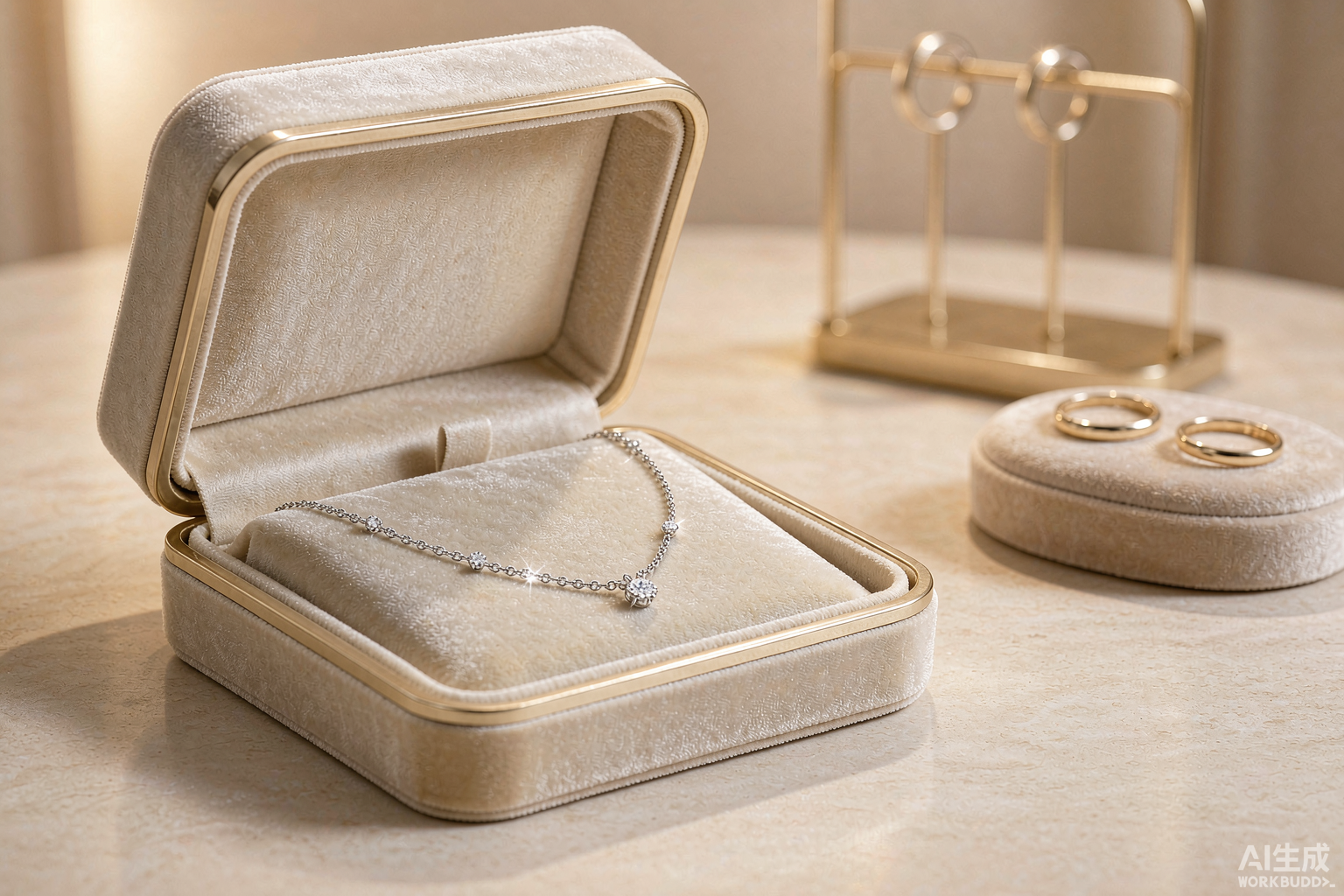
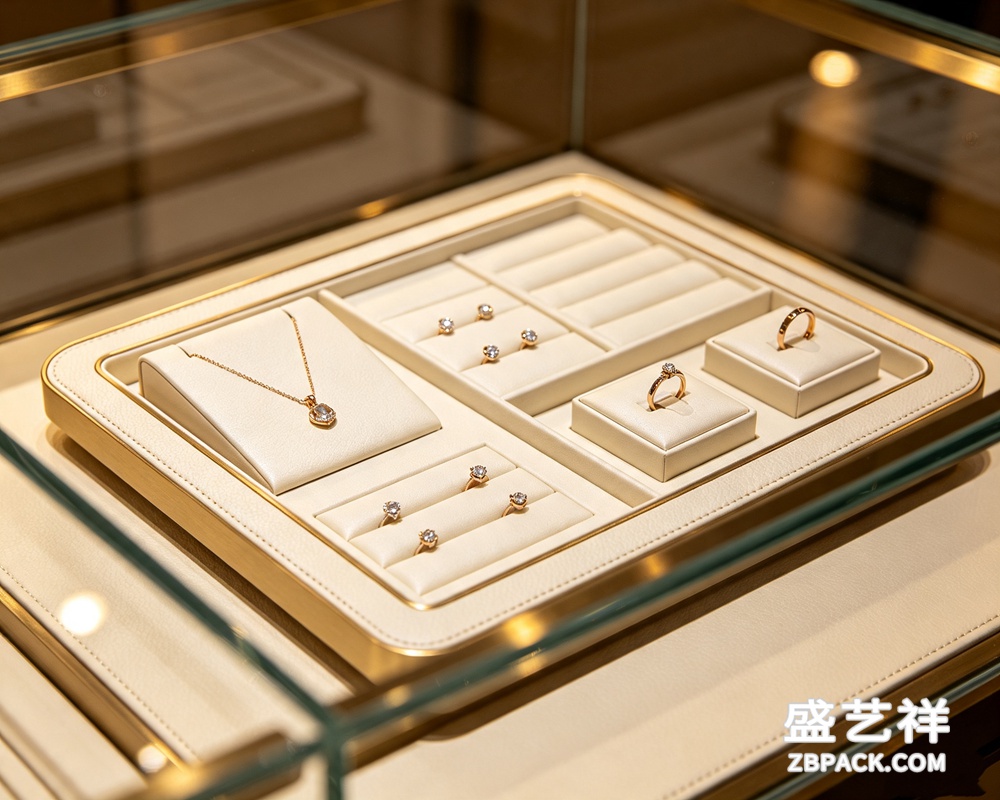
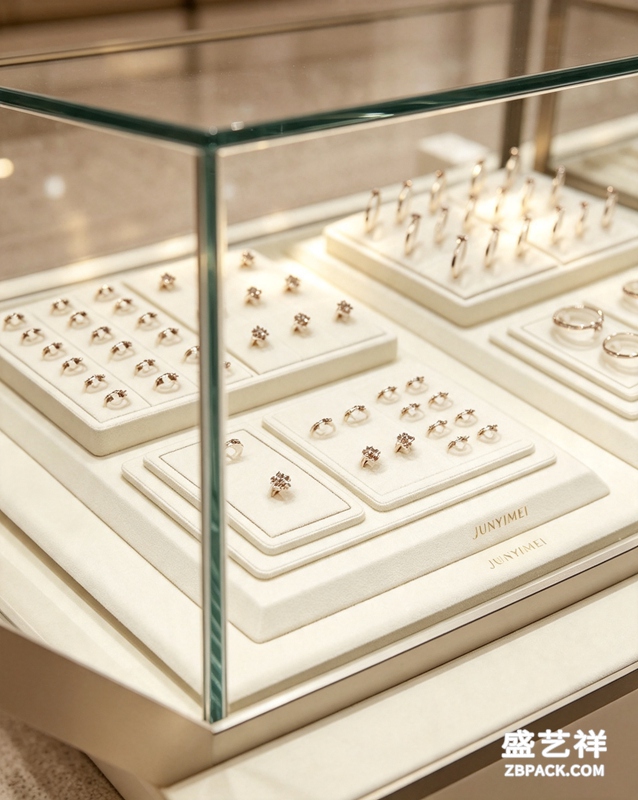
当品牌资产从 logo 转移到「设计语言」,包装与呈现的逻辑也必须重写。对预算有限、却最在意调性的独立设计师来说,那只盒子、那块衬布、那组陈列,往往比一张广告更像「无声的销售员」。没有大投放,就靠开箱的瞬间建立记忆——这正是珠宝盒定制与首饰盒设计成为独立品牌「隐形门面」的原因:一只克制的、可留存的、带着品牌符号的盒子,会让顾客把品牌带回家、放上梳妆台,变成常年的移动广告位。而在线下快闪、买手店与展陈空间里,珠宝陈列道具与珠宝摆台则把「设计叙事」翻译成可触摸的空间语言,让一件孤品在灯光与材质里讲完它的故事。
这也是我们看待「小而美」机会的角度。盛艺祥一直相信,高端珠宝包装设计与定制,不该只是大集团的专利——它同样可以是独立设计师最锋利的差异化武器。少而精的克制美学、柔性的小批量打样、从盒体到整条交付动线的统一语言,恰好契合独立品牌「慢、真、不撞款」的价值观。当行业进入独立设计的黄金时代,包装不再是终点,而是品牌叙事的第一页。
本文为原创内容,版权归盛艺祥所有。如需转载请注明出处。
渠道的改写同样耐人寻味。线上,抖音、小红书、B 站成了新品首发与品牌种草的主场,直播不只是卖货,更是展示工艺、讲述故事的舞台;私域社群则用来深化关系与产品共创。线下,门店从「交易场」转向「体验场」——高级定制沙龙、工艺工作坊、艺术展览,让空间本身成为品牌文化的沉浸式容器。当消费者在线上被种草、到店被体验、回家被复购,包装便成了这条链路里最容易被低估、却最常被记住的一环。
当品牌资产从 logo 转移到「设计语言」,包装与呈现的逻辑也必须重写。对预算有限、却最在意调性的独立设计师来说,那只盒子、那块衬布、那组陈列,往往比一张广告更像「无声的销售员」。没有大投放,就靠开箱的瞬间建立记忆——这正是珠宝盒定制与首饰盒设计成为独立品牌「隐形门面」的原因:一只克制的、可留存的、带着品牌符号的盒子,会让顾客把品牌带回家、放上梳妆台,变成常年的移动广告位。而在线下快闪、买手店与展陈空间里,珠宝陈列道具与珠宝摆台则把「设计叙事」翻译成可触摸的空间语言,让一件孤品在灯光与材质里讲完它的故事。
这也是我们看待「小而美」机会的角度。盛艺祥一直相信,高端珠宝包装设计与定制,不该只是大集团的专利——它同样可以是独立设计师最锋利的差异化武器。少而精的克制美学、柔性的小批量打样、从盒体到整条交付动线的统一语言,恰好契合独立品牌「慢、真、不撞款」的价值观。当行业进入独立设计的黄金时代,包装不再是终点,而是品牌叙事的第一页。
本文为原创内容,版权归盛艺祥所有。如需转载请注明出处。
盛艺祥(Shengyixiang)——高端珠宝包装设计与定制专家,为品牌护航。 In 2026, the jewelry world is undergoing a quiet but profound shift in power. While heritage maisons still lean on logos and window displays to signal status, a wave of independent designer brands — with no mega advertising budgets and no century-old name — is quietly turning "beautiful, meaningful, and never mass-market" into the new hard currency. This generation of consumers will pay for the craft and the point of view behind a name, even one that only just surfaced in a Xiaohongshu post. The data is more honest than intuition. According to the BoF–McKinsey State of Fashion outlook, jewelry will grow roughly 4%–5% a year through 2028, against about 1% for apparel; in uncertain years people buy less, but they buy with more intention. The bigger story is on the demand side. A BriteCo survey of 2,000 US adults in October 2025 found that 80% are now more likely to buy fine jewelry for themselves — 86% among millennials and 75% among Gen Z. Jewelry has moved from "a gift someone gives you" to "a medal you award yourself." That self-purchase revolution has directly inflated the demi-fine segment sitting between accessible and high luxury: it was worth USD 3.59 billion in 2025 and is projected to reach USD 7.53 billion by 2034.
China's signal is just as strong. The Gem & Jewelry Trade Association forecasts national jewelry retail will exceed RMB 780 billion in 2026, with Gen Z accounting for close to 23% of spend. During Tmall's Double 11, original designer jewelry crossed RMB 100 million in GMV with nearly 50% year-on-year growth, and daily searches for "design" rose by half versus the prior year. POPOP, the lightweight-luxury label under Pop Mart; VOIR LAB, an exhibition-style multi-brand showroom; Bailan, with repeat-purchase rates above 40%; and Baodeyi, widely seen as an "accessible alternative to Lao Pu Gold" — a new vanguard built on "designer style, Eastern aesthetics, and heritage craft" is now sharing floor space with international giants inside premium malls. One industry report puts it bluntly: independent designers and small high-end houses are growing faster than the market, with 15%–20% gains in parts of Asia and the Middle East.
At the core of this wave is craftsmanship becoming a status signal again. When a logo no longer equals luxury, younger buyers — especially Gen Z and Alpha — chase craft, heritage, the warmth of the human hand, and cultural capital. In China this shows up as a "slow craft" movement: taking intangible heritage techniques like filigree, heritage gold, and granulation out of the museum narrative and into everyday wearable luxury. The result is an interesting inversion — fine jewelry no longer chases a flawless, industrial perfection; instead it wears its visible hand-made traces and asymmetric, organic forms as the highest mark of refinement. Gen Z will even wait eight weeks for a bespoke piece, just to support a named, storied maker rather than an anonymous corporation.
For independent designers, this means the designer themselves have become the brand's core asset. Once the upstream "finisher" of a product, they now define the product, the aesthetics, and the narrative. The brand landscape has evolved from a simple pyramid of "international maisons — Hong Kong houses — mainland players" into a rich "ecological rainforest": global brands localize, heritage jewelers incubate youthful sub-brands, and independent designers build intense loyalty within niche circles through a distinct personal voice. For the first time, design has moved from the tail of the value chain to its center.
The rewrite of channels is just as telling. Online, Douyin, Xiaohongshu, and Bilibili have become the main stage for launches and brand storytelling; livestreaming is no longer just a sales channel but a way to show the craft and tell the story. Private communities deepen relationships and co-create products. Offline, stores have shifted from "transaction spaces" to "experience spaces" — bespoke salons, craft workshops, and art exhibitions turn the room itself into an immersive container for brand culture. When a customer is seeded online, experienced in store, and re-purchased at home, packaging becomes the most underestimated yet most remembered link in that chain.
As brand equity moves from the logo to the "design language," the logic of packaging and presentation has to be rewritten too. For independent designers — constrained in budget but obsessive about tone — that box, that lining, that set of props often acts as a "silent salesman" more reliably than any advertisement. With no big media spend, the unboxing moment has to build the memory. That is exactly why jewelry box customization and jewelry case design have become the independent brand's "invisible storefront": a restrained, keepable box carrying the brand mark turns the customer's dresser into a year-round moving billboard. And in pop-ups, showrooms, and retail spaces, jewelry display props and display stages translate the design narrative into a tactile spatial language, letting a one-of-a-kind piece finish its story in light and material.
This is also how we read the "small but beautiful" opportunity. Shengyixiang has long believed that high-end jewelry packaging design and customization should not be the exclusive privilege of conglomerates — it can be the sharpest differentiator for an independent designer. A restrained, "less but better" aesthetic, flexible small-batch sampling, and a unified language running from the box all the way through the delivery journey fit perfectly with the "slow, authentic, never mass-market" values of independent brands. As the industry enters the golden age of independent design, packaging is no longer the finish line — it is the first page of the brand story.
This is original content. Copyright belongs to Shengyixiang.
Shengyixiang — your expert in high-end jewelry packaging design & customization.
返回资讯列表
Back To News List
中国市场的信号同样强烈。中宝协预测,2026 年全国珠宝首饰零售总额将突破 7800 亿元,其中 Z 世代消费占比逼近 23%。天猫「双 11」期间,原创设计师珠宝成交额破亿、同比猛增近 50%,「设计」一词的日均搜索量较去年提升一半。泡泡玛特旗下的轻奢珠宝 POPOP、展览型买手店 VOIR LAB、复购率超 40% 的白岚、被看作「老铺平替」的宝得意……一批以「设计师风格、东方美学、古法工艺」为旗帜的新锐,正在重奢商场与国际大牌同台竞技。有行业报告指出:独立设计师及小体量高端品牌增长率普遍跑赢大盘,在亚洲与中东部分地区增速接近 15%–20%。
这股浪潮的内核,是「手艺」重新成为身份符号。当 logo 不再等于高级,年轻买家(尤其是 Z 世代与 Alpha)开始追逐工艺、传承、人手温度与文化资本。在中国,这表现为「慢工」运动的兴起——把银丝镶嵌、古法金、花丝等非遗技艺,从博物馆叙事抬高成可被日常佩戴的奢侈。于是我们看到一种有趣的倒挂:高级珠宝不再追求「完美无瑕的工业感」,反而把可见的手作痕迹、不对称的有机形态,当作最高级的标记。Gen Z 甚至愿意为一件定制作品等上八周,只为支持一个有名有姓、有故事的人,而非一家无名的公司。
对独立设计师而言,这意味着设计师本人成了品牌最核心的资产。早年的设计师只是「美化产品」的末端环节,如今他们定义产品、定义美学、定义叙事。品牌格局也从「国际大牌—港资—内地」的简单金字塔,演变成层次丰富的「生态雨林」:国际品牌做本土化深耕,老牌金店孵化年轻子品牌,独立设计师则靠鲜明的个人风格在特定圈层里建立极高忠诚。设计,第一次从产业链末端走向了价值中心。
渠道的改写同样耐人寻味。线上,抖音、小红书、B 站成了新品首发与品牌种草的主场,直播不只是卖货,更是展示工艺、讲述故事的舞台;私域社群则用来深化关系与产品共创。线下,门店从「交易场」转向「体验场」——高级定制沙龙、工艺工作坊、艺术展览,让空间本身成为品牌文化的沉浸式容器。当消费者在线上被种草、到店被体验、回家被复购,包装便成了这条链路里最容易被低估、却最常被记住的一环。
当品牌资产从 logo 转移到「设计语言」,包装与呈现的逻辑也必须重写。对预算有限、却最在意调性的独立设计师来说,那只盒子、那块衬布、那组陈列,往往比一张广告更像「无声的销售员」。没有大投放,就靠开箱的瞬间建立记忆——这正是珠宝盒定制与首饰盒设计成为独立品牌「隐形门面」的原因:一只克制的、可留存的、带着品牌符号的盒子,会让顾客把品牌带回家、放上梳妆台,变成常年的移动广告位。而在线下快闪、买手店与展陈空间里,珠宝陈列道具与珠宝摆台则把「设计叙事」翻译成可触摸的空间语言,让一件孤品在灯光与材质里讲完它的故事。
这也是我们看待「小而美」机会的角度。盛艺祥一直相信,高端珠宝包装设计与定制,不该只是大集团的专利——它同样可以是独立设计师最锋利的差异化武器。少而精的克制美学、柔性的小批量打样、从盒体到整条交付动线的统一语言,恰好契合独立品牌「慢、真、不撞款」的价值观。当行业进入独立设计的黄金时代,包装不再是终点,而是品牌叙事的第一页。
本文为原创内容,版权归盛艺祥所有。如需转载请注明出处。盛艺祥(Shengyixiang)——高端珠宝包装设计与定制专家,为品牌护航。 In 2026, the jewelry world is undergoing a quiet but profound shift in power. While heritage maisons still lean on logos and window displays to signal status, a wave of independent designer brands — with no mega advertising budgets and no century-old name — is quietly turning "beautiful, meaningful, and never mass-market" into the new hard currency. This generation of consumers will pay for the craft and the point of view behind a name, even one that only just surfaced in a Xiaohongshu post. The data is more honest than intuition. According to the BoF–McKinsey State of Fashion outlook, jewelry will grow roughly 4%–5% a year through 2028, against about 1% for apparel; in uncertain years people buy less, but they buy with more intention. The bigger story is on the demand side. A BriteCo survey of 2,000 US adults in October 2025 found that 80% are now more likely to buy fine jewelry for themselves — 86% among millennials and 75% among Gen Z. Jewelry has moved from "a gift someone gives you" to "a medal you award yourself." That self-purchase revolution has directly inflated the demi-fine segment sitting between accessible and high luxury: it was worth USD 3.59 billion in 2025 and is projected to reach USD 7.53 billion by 2034.
China's signal is just as strong. The Gem & Jewelry Trade Association forecasts national jewelry retail will exceed RMB 780 billion in 2026, with Gen Z accounting for close to 23% of spend. During Tmall's Double 11, original designer jewelry crossed RMB 100 million in GMV with nearly 50% year-on-year growth, and daily searches for "design" rose by half versus the prior year. POPOP, the lightweight-luxury label under Pop Mart; VOIR LAB, an exhibition-style multi-brand showroom; Bailan, with repeat-purchase rates above 40%; and Baodeyi, widely seen as an "accessible alternative to Lao Pu Gold" — a new vanguard built on "designer style, Eastern aesthetics, and heritage craft" is now sharing floor space with international giants inside premium malls. One industry report puts it bluntly: independent designers and small high-end houses are growing faster than the market, with 15%–20% gains in parts of Asia and the Middle East.
At the core of this wave is craftsmanship becoming a status signal again. When a logo no longer equals luxury, younger buyers — especially Gen Z and Alpha — chase craft, heritage, the warmth of the human hand, and cultural capital. In China this shows up as a "slow craft" movement: taking intangible heritage techniques like filigree, heritage gold, and granulation out of the museum narrative and into everyday wearable luxury. The result is an interesting inversion — fine jewelry no longer chases a flawless, industrial perfection; instead it wears its visible hand-made traces and asymmetric, organic forms as the highest mark of refinement. Gen Z will even wait eight weeks for a bespoke piece, just to support a named, storied maker rather than an anonymous corporation.
For independent designers, this means the designer themselves have become the brand's core asset. Once the upstream "finisher" of a product, they now define the product, the aesthetics, and the narrative. The brand landscape has evolved from a simple pyramid of "international maisons — Hong Kong houses — mainland players" into a rich "ecological rainforest": global brands localize, heritage jewelers incubate youthful sub-brands, and independent designers build intense loyalty within niche circles through a distinct personal voice. For the first time, design has moved from the tail of the value chain to its center.
The rewrite of channels is just as telling. Online, Douyin, Xiaohongshu, and Bilibili have become the main stage for launches and brand storytelling; livestreaming is no longer just a sales channel but a way to show the craft and tell the story. Private communities deepen relationships and co-create products. Offline, stores have shifted from "transaction spaces" to "experience spaces" — bespoke salons, craft workshops, and art exhibitions turn the room itself into an immersive container for brand culture. When a customer is seeded online, experienced in store, and re-purchased at home, packaging becomes the most underestimated yet most remembered link in that chain.
As brand equity moves from the logo to the "design language," the logic of packaging and presentation has to be rewritten too. For independent designers — constrained in budget but obsessive about tone — that box, that lining, that set of props often acts as a "silent salesman" more reliably than any advertisement. With no big media spend, the unboxing moment has to build the memory. That is exactly why jewelry box customization and jewelry case design have become the independent brand's "invisible storefront": a restrained, keepable box carrying the brand mark turns the customer's dresser into a year-round moving billboard. And in pop-ups, showrooms, and retail spaces, jewelry display props and display stages translate the design narrative into a tactile spatial language, letting a one-of-a-kind piece finish its story in light and material.
This is also how we read the "small but beautiful" opportunity. Shengyixiang has long believed that high-end jewelry packaging design and customization should not be the exclusive privilege of conglomerates — it can be the sharpest differentiator for an independent designer. A restrained, "less but better" aesthetic, flexible small-batch sampling, and a unified language running from the box all the way through the delivery journey fit perfectly with the "slow, authentic, never mass-market" values of independent brands. As the industry enters the golden age of independent design, packaging is no longer the finish line — it is the first page of the brand story.
This is original content. Copyright belongs to Shengyixiang.Shengyixiang — your expert in high-end jewelry packaging design & customization.