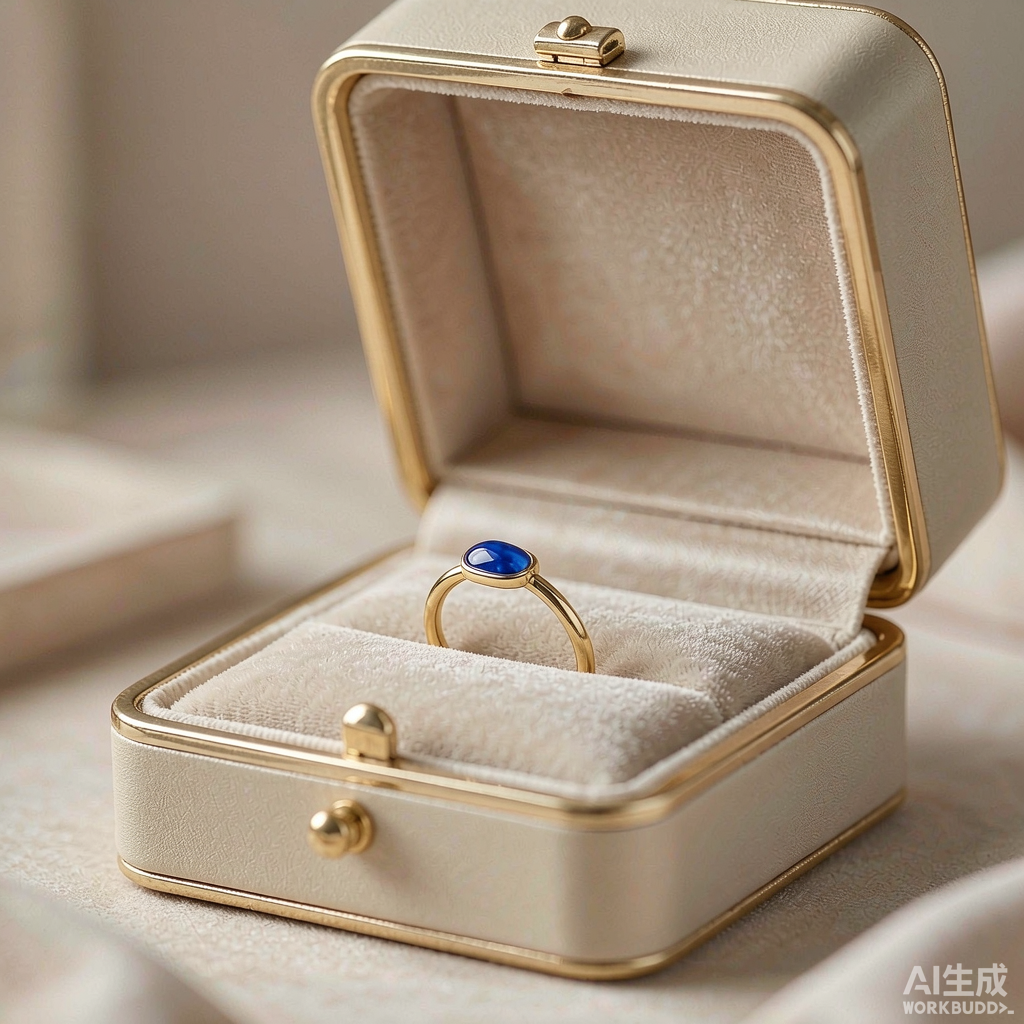
珐琅点亮高珠色彩 How Enamel Is Repainting Fine Jewelry's Color Story
当整个高级珠宝行业都在谈论钻石的清冷与黄金的厚重时,2026 年的聚光灯却悄悄转向了一抹被遗忘百年的颜色——珐琅。不是宝石,不是贵金属,而是一种在金属上作画的古老工艺,正以惊人的速度重回高珠舞台中央。
这股回潮并非空穴来风。美国珠宝媒体 National Jeweler 明确指出,珐琅正在重获行业青睐,因为它能提供宝石难以企及的色彩实验空间;The Jewellery Editor 也观察到,彩色珐琅正从社媒一路蔓延进高级珠宝的展厅。市场研究更为直接:入门级珐琅单品约在 300 至 500 美元,中端 1,500 至 5,000 美元,而真正的大明火(Grand Feu)作品则从 8,000 美元一路攀升至六位数。Vogue Business 的调研显示,自然主义主题的高级珠宝客户需求同比增长约 22%——而珐琅,恰好是表现花卉、羽翼与天穹最灵动的语言。
2026 年春天,尚美巴黎发布 Envol 高定系列,九件以羽翼为主角的作品全部采用大明火珐琅,与午夜蓝蓝宝石呼应苍穹;其中最受瞩目的冠冕耗时约 850 小时。迪奥在 Victoire de Castellane 的执掌下,早已把珐琅变成一场色彩游戏;而 Lalique 与 Fabergé 的百年遗产,则让珐琅从装饰升格为叙事的媒介。
为什么是现在?答案藏在消费心理的转向里。当年轻一代厌倦了千篇一律的 logo 炫耀,他们开始用色彩和工艺表达自我。珐琅恰好满足这种需求:它不像钻石那样强调均质与稀有,而像一块微缩画布,允许设计师使用更密、更怪、更图形化的色彩。珐琅没有取代宝石,而是给了设计师一门平行于宝石的色彩语言,可以比红蓝绿更稠、更陌生、更平面。
更深一层,珐琅的复兴折射出高级珠宝价值坐标的迁移:从显贵转向显己。一枚大明火胸针承载的不是克拉数,而是工艺的时间厚度与艺术家的笔触。在极简主义流行多年之后,市场重新渴望表面上的愉悦——而珐琅,正是带来这种愉悦的最有效材料。
珐琅还藏着一条安静的可持续叙事。现代珐琅普遍采用无铅配方,并越来越多地使用再生玻璃粉;一件作品在极少养护下也能保持数十年如新。在一个越来越以长久度评判价值的市场里,这种耐久本身就是一种奢侈,也与行业整体的负责任材料转向同频。
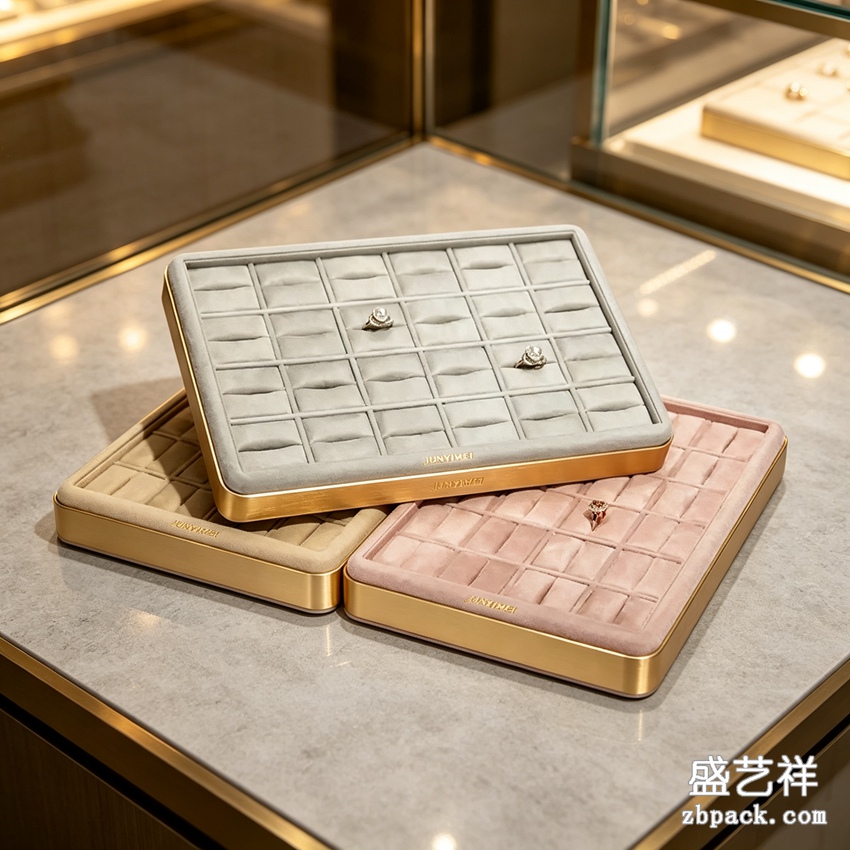
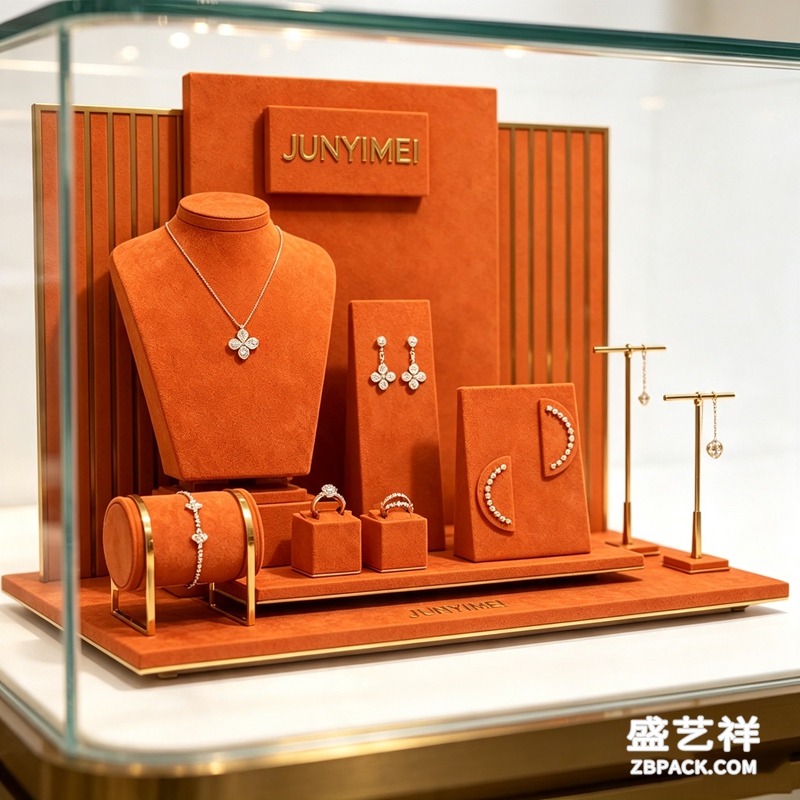
珐琅的回归也给品牌提了个醒:色彩与工艺的故事,从来不只发生在金属之上。当一件珐琅作品被放进柜台,它需要能托住其光泽的珠宝陈列道具与珠宝摆台——暖光、低反射、天然材质底衬,才能让那层玻璃质釉色真正活起来;冷白光下,珐琅会发灰、失神。同样的逻辑也适用于珠宝包装设计:一个克制的盒子、一段恰到好处的触感纸、一处局部的金箔,往往比过度堆叠更能讲清品牌的色彩主张。这正是盛艺祥在珠宝盒定制上坚持少而精的原因——把工艺当成门面,而非把门面当成工艺。
这股势头并不只属于女装高珠。男装领域的袖扣、腕表盘与图章戒指,早已接纳了珐琅的深蓝、墨绿与酒红——专业却不失表达。对运送这类作品的品牌而言,开盒瞬间同样关键:一只结构得当、能妥善承托珐琅且不刮伤它的手表盒,会把色彩故事从精品店一路护送到床头,本身就是产品感知价值的一部分。
对收藏者而言,珐琅的稀缺性另有来处。一位熟练的珐琅匠往往需数年才能稳定驾驭大明火的温度曲线,全球能完整掌握这门技艺的工坊屈指可数。当高级珠宝越来越像流水线上的标准品,珐琅反而成了人手温度最后的堡垒之一——这也解释了为何拍卖场上,二十世纪大师级珐琅作品总能以远超估价的数字落槌。
当然,珐琅并非没有门槛。大明火需经多次入窑、逐层上色,失败率极高,这也是它稀缺与珍贵的来源。但恰恰是这种不完美中的完美,让它在均质化的奢侈品世界里显得格外真实。2026 年,珠宝的色彩不再由矿石决定,而由匠人的笔决定——这或许正是高级珠宝最迷人的一次返祖。
本文为原创内容,版权归盛艺祥所有。如需转载请注明出处。
盛艺祥(Shengyixiang)——高端珠宝包装设计与定制专家,为品牌护航。
For years the conversation in fine jewelry has been dominated by the cool restraint of diamonds and the heavy weight of gold. In 2026, however, the spotlight is quietly shifting toward a color the industry had nearly forgotten: enamel. Not a gemstone, not a precious metal, but an ancient craft of painting on metal is racing back to the center of the high-jewelry stage.
This revival is not nostalgia. National Jeweler recently described enamel as enjoying renewed prominence because it allows a kind of color experimentation that gemstones cannot easily provide. The Jewellery Editor notes that vivid enamel has been sweeping through social media and steadily entering the world of high jewelry. Market research backs the momentum: entry-level enamel accents start around three hundred to five hundred dollars, mid-range statement pieces sit between one thousand five hundred and five thousand dollars, and true Grand Feu works begin near eight thousand dollars and climb well into six figures. Vogue Business data shows client requests for nature-inspired high jewelry, the category where enamel excels, growing roughly twenty-two percent year over year, driven by demand for unique, non-replicable statement pieces.
In spring 2026, Chaumet unveiled its Envol high-jewelry capsule, nine winged creations built around Grand Feu enamel echoing midnight-blue sapphires; the centerpiece tiara alone took roughly 850 hours. Dior, under Victoire de Castellane, has spent decades treating enamel as a playground of saturated, almost surreal color. And the legacies of Lalique and Faberge, one letting the material breathe like petal skin, the other teaching it to gleam with imperial ceremony, remind us that enamel was never merely decoration. It was a medium for atmosphere, line, and story.
Why now? The answer lies in a shift in consumer psychology. As younger buyers tire of logo-driven status, they are reaching for color and craft to say who they are. Enamel answers perfectly: unlike a diamond, which signals homogeneity and rarity, enamel behaves like a miniature canvas, permitting colors denser, stranger, and more graphic than any ruby, emerald, or sapphire. Enamel has not replaced stones. It has given designers a parallel chromatic language, one that can be flatter, more expressive, and more personal than the gem hierarchy allows.
At a deeper level, the enamel renaissance reflects a migration in the value coordinates of fine jewelry, from displaying wealth to displaying self. A Grand Feu brooch carries not carat weight but the time-thickness of craft and the trace of an artist's hand. After years of minimalism, the market is rediscovering the pleasure of surface. Enamel, more than almost any other material, delivers that pleasure.
There is also a quiet sustainability story here. Modern enamel benefits from lead-free formulations and, increasingly, recycled glass powders; pieces retain their appearance for decades with minimal care. In a market increasingly judged by longevity, that durability is itself a kind of luxury, and it aligns neatly with the industry's broader turn toward responsible materials.
The enamel comeback also holds a lesson for how brands present their work. A piece of enamel does not perform in any light. It needs display props and showcases, warm, low-reflection, natural-material backdrops that let its glassy glaze truly come alive; under cold white light it turns grey and lifeless. The same logic applies to jewelry packaging design: a restrained box, a well-judged tactile paper, a single touch of gold foil often communicates a brand's color story more clearly than excessive layering. This is exactly why Shengyixiang insists on less but refined in its custom jewelry boxes, treating craft as the storefront rather than the storefront as the craft.
The momentum is not limited to women's fine jewelry. The men's segment, cufflinks, watch dials, and signet rings, has embraced enamel's deep blues, forest greens, and burgundies, which read as professional yet expressive. For brands shipping such pieces, the unboxing moment matters: a well-structured watch box that cradles the enamel without abrasion becomes part of the product's perceived value, carrying the color story from the boutique to the bedside table.
To collectors, enamel's scarcity has another origin. A skilled enameller often needs years to master the temperature curve of Grand Feu, and the workshops worldwide that can fully command the technique are few. As fine jewelry grows more like a standard product off an assembly line, enamel becomes one of the last fortresses of the human hand, which explains why, on the auction block, twentieth-century master enamels so often hammer far above estimate.
Of course, enamel is not without its barriers. Grand Feu demands repeated firings and layer upon layer of pigment, with a failure rate that makes each success precious. Yet it is precisely this imperfect perfection that makes enamel feel authentic in an increasingly homogenized luxury landscape. In 2026, the color of jewelry is no longer decided by the mine. It is decided by the artisan's brush. Perhaps that is the most beautiful atavism fine jewelry has seen in a generation.
This is original content. Copyright belongs to Shengyixiang.
Shengyixiang — your expert in high-end jewelry packaging design & customization.