小批定制,打样来回那几道关 Small Custom Runs: Getting the Sample Right
品牌客户要一小批定制包装,数量往往刚够起订。这种单子最磨人的不是生产,是打样那几轮来回。新品牌试水、节日限定款、直播间专属包材,大多先走一小批,不成再放大货,所以打样是绕不过的去。
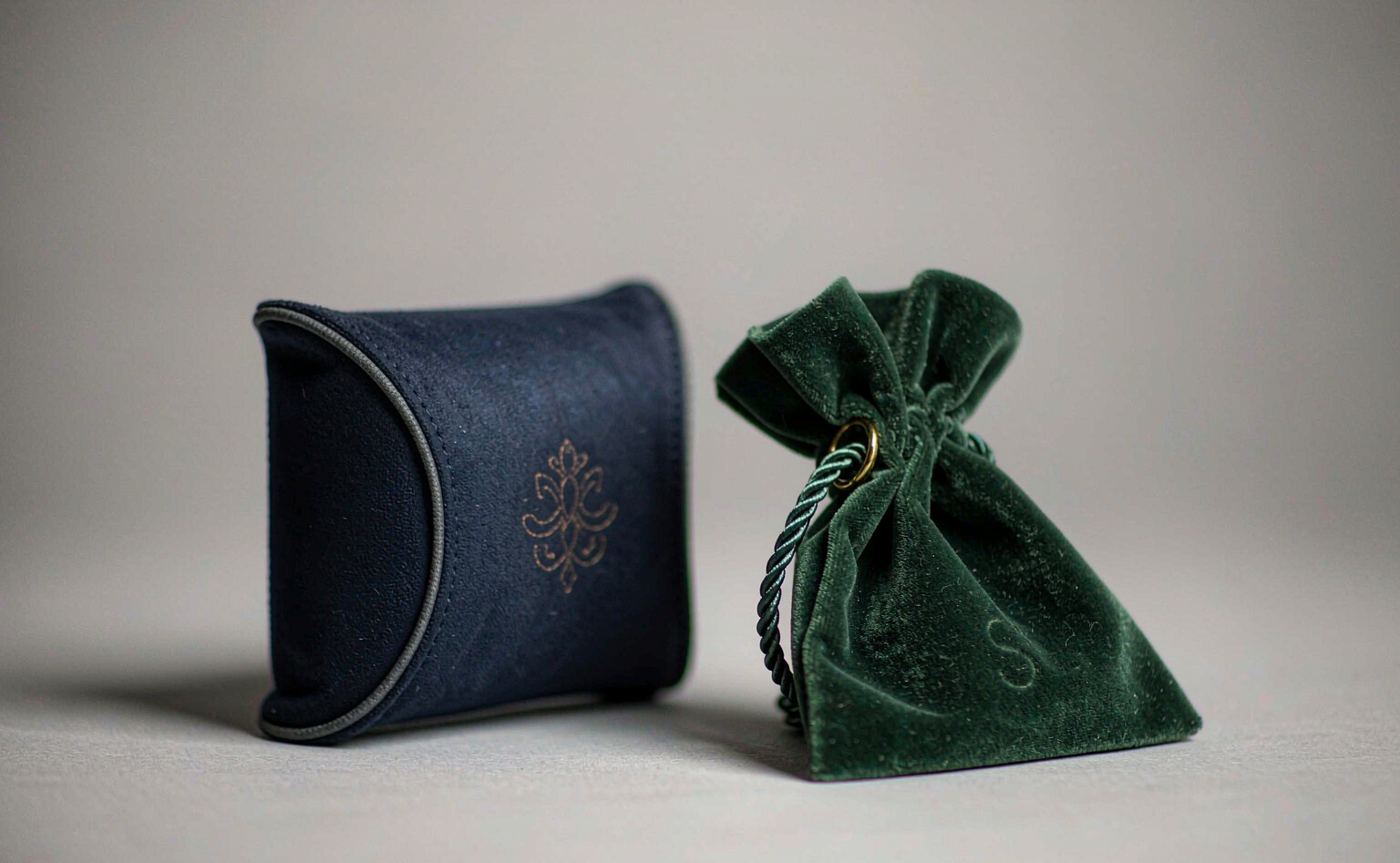
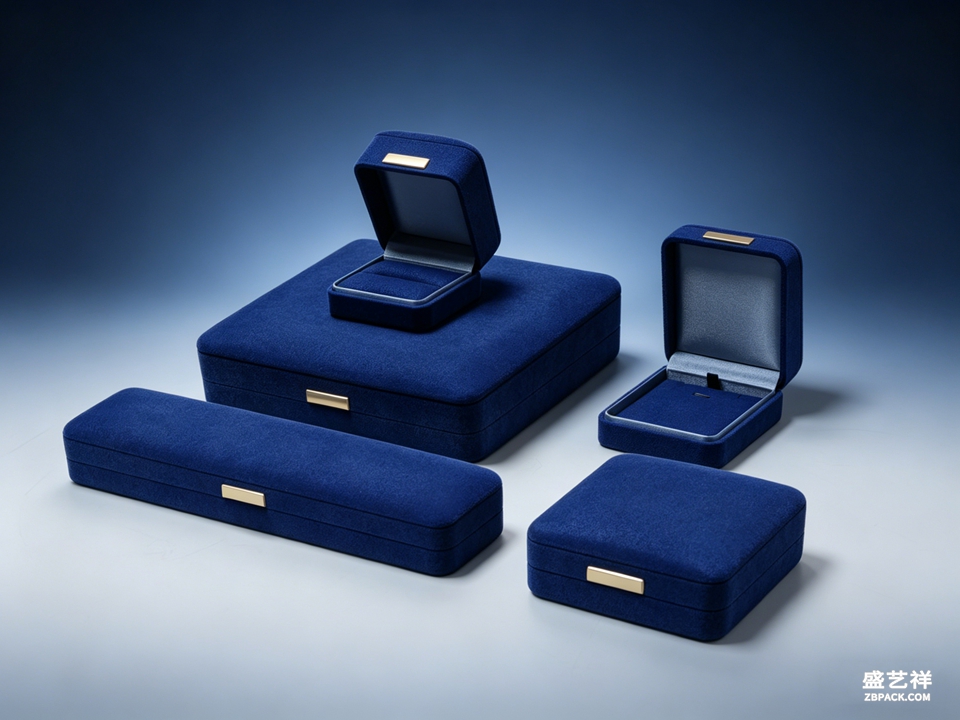
客人发来logo、尺寸和想要的颜色,第一版样品三天出来。深蓝圆角面包形首饰装盒ZBH7这类盒胚是塑胶的,面包形圆角,表面要走烫金压纹。第一次打样常出的问题是烫金位置偏了两毫米,或者深蓝的色值比屏幕暗了半度。客户说再调调,第二版又等三天。盒型本身也得拿卡尺量,圆角半径差一点,手感就变了。客户常问为什么三天才出样,其实盒胚开模、烫金制版都要时间,赶出来的样往往更不准。
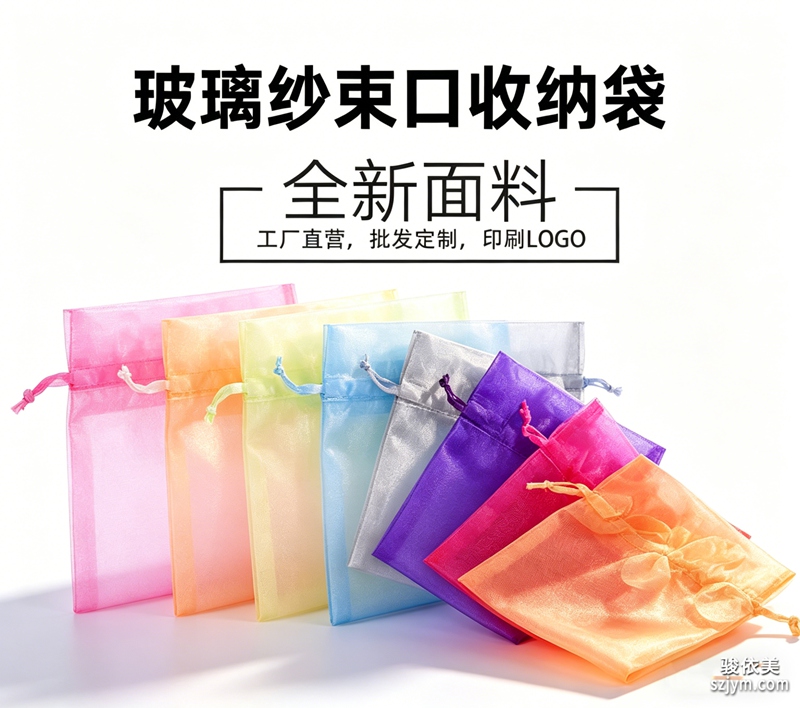
 珠宝索口袋ZB9是多色绒布束口袋,红绿橙黄灰白黑都能做。客户挑了墨绿,结果大货布和样布不是同一缸染的,在阳光下差出一层。这种事不拿到自然光下并排比,根本发现不了。所以打样不能只在灯箱里看,得拎到窗边。抽绳的长短、收口后的垂感,也是这一轮要定的。
超纤首饰袋ZBD19用的米色超纤绒面,袋身压印品牌字样。压印深浅也是一道关——太浅看不清,太深把面料压塌。客户来回改了两次才定下压力。袋口要不要加内衬、抽绳末端打结还是套珠,这些小地方,客户往往看到实物才想起提。
还有一道是沟通。客户发来的设计稿常常是手机拍的,色值不准、尺寸含糊。我们不直接照做,先出一张工艺确认单,把盒型、烫金位置、袋型、抽绳、起订量都写死,双方签字再开模。来回的功夫省在前面,后面才不返工。
珠宝索口袋ZB9是多色绒布束口袋,红绿橙黄灰白黑都能做。客户挑了墨绿,结果大货布和样布不是同一缸染的,在阳光下差出一层。这种事不拿到自然光下并排比,根本发现不了。所以打样不能只在灯箱里看,得拎到窗边。抽绳的长短、收口后的垂感,也是这一轮要定的。
超纤首饰袋ZBD19用的米色超纤绒面,袋身压印品牌字样。压印深浅也是一道关——太浅看不清,太深把面料压塌。客户来回改了两次才定下压力。袋口要不要加内衬、抽绳末端打结还是套珠,这些小地方,客户往往看到实物才想起提。
还有一道是沟通。客户发来的设计稿常常是手机拍的,色值不准、尺寸含糊。我们不直接照做,先出一张工艺确认单,把盒型、烫金位置、袋型、抽绳、起订量都写死,双方签字再开模。来回的功夫省在前面,后面才不返工。
 小单最纠结的是起订量。客户想先试两百个,工厂开模成本摊不下来,单价就下不来。这时候得把试产价和量产价分开报,让客户看清量上来能省多少。我们一般每种样品留一只封样,贴好日期和批次,客户将来要复单,直接照封样做,不用再走一遍。有的客户一听试产价贵就想减数量,我们反劝他别减太狠,量太小模具摊不薄,单价也下不来,不如凑到能摊平的临界点。
打样来回看着费时,其实是把量产前的风险提前花掉。等封样签字那刻,后面的货基本就稳了。省掉的不是时间,是日后大批返工的麻烦。小单不怕慢,怕的是没把话说在前头。
A brand client asking for a small custom run usually orders just past the minimum. The painful part of these jobs is not production. It is the back-and-forth of sampling. New brands testing the water, holiday limited editions, packaging made for a live-stream channel, most of them start with a small batch and only scale up if it works. Sampling is the gate you cannot skip.
The client sends a logo, dimensions and a target colour; the first sample is ready in three days. A box blank like the ZBH7 deep-navy puff-shaped case is plastic with rounded corners and needs gold-foil embossing on the surface. The usual first-sample problems: the foil sits two millimetres off, or the navy reads half a shade darker than the screen. The client says tweak it, and three more days go by. The box shape itself has to be measured with calipers. Shift the corner radius by a hair and the feel in the hand changes. Clients often ask why a sample takes three days; the blank needs a mould and the foil needs a plate, and a rushed sample is usually the less accurate one.
The ZB9 multi-colour velvet drawstring pouch comes in red, green, orange, yellow, grey, white and black. A client picked forest green, only to find the bulk fabric and the sample were not dyed in the same batch, a difference you only catch in sunlight. That is why sampling cannot live entirely under a light box. You have to carry it to the window. The length of the drawstring and how the pouch hangs once cinched are decided in this round too.
The ZBD19 microfiber pouch uses a beige ultra-fine velvet face with the brand name debossed on the body. Deboss depth is its own hurdle. Too shallow and it vanishes, too deep and the fabric collapses. The client went back and forth twice before settling on the pressure. Whether the opening needs an inner lining, and whether the drawstring ends are knotted or beaded, are small points a client often only thinks to raise once they see the physical sample.
One more hurdle is communication. The artwork a client sends is often a phone photo, with uncertain colour values and vague dimensions. We do not work straight from it. We issue a process confirmation sheet that pins down the box shape, foil position, pouch style, drawstring and minimum order, and only cut the tooling after both sides sign. Spend the effort up front and the rework stays away.
The toughest negotiation on a small run is the minimum order. The client wants to trial two hundred pieces, but the tooling cost will not spread across so few, so the unit price stays high. The answer is to quote a trial price and a bulk price separately, so the client can see exactly how much volume saves. We keep one sealed sample of each version, dated and batched. When the client reorders, we match the sealed sample and skip the whole round again. Some clients, seeing the trial price, want to cut the quantity further; I suggest the opposite. Too small a run never spreads the tooling thin, the unit price stays high, so it is better to reach the volume that actually flattens the cost.
Sampling looks slow, but it spends the pre-production risk early. The moment the sealed sample is signed, the rest of the order is basically safe. What it saves is not time but the trouble of a large-scale rework later on. A small run should not be rushed; what it should fear is leaving the terms unspoken.
小单最纠结的是起订量。客户想先试两百个,工厂开模成本摊不下来,单价就下不来。这时候得把试产价和量产价分开报,让客户看清量上来能省多少。我们一般每种样品留一只封样,贴好日期和批次,客户将来要复单,直接照封样做,不用再走一遍。有的客户一听试产价贵就想减数量,我们反劝他别减太狠,量太小模具摊不薄,单价也下不来,不如凑到能摊平的临界点。
打样来回看着费时,其实是把量产前的风险提前花掉。等封样签字那刻,后面的货基本就稳了。省掉的不是时间,是日后大批返工的麻烦。小单不怕慢,怕的是没把话说在前头。
A brand client asking for a small custom run usually orders just past the minimum. The painful part of these jobs is not production. It is the back-and-forth of sampling. New brands testing the water, holiday limited editions, packaging made for a live-stream channel, most of them start with a small batch and only scale up if it works. Sampling is the gate you cannot skip.
The client sends a logo, dimensions and a target colour; the first sample is ready in three days. A box blank like the ZBH7 deep-navy puff-shaped case is plastic with rounded corners and needs gold-foil embossing on the surface. The usual first-sample problems: the foil sits two millimetres off, or the navy reads half a shade darker than the screen. The client says tweak it, and three more days go by. The box shape itself has to be measured with calipers. Shift the corner radius by a hair and the feel in the hand changes. Clients often ask why a sample takes three days; the blank needs a mould and the foil needs a plate, and a rushed sample is usually the less accurate one.
The ZB9 multi-colour velvet drawstring pouch comes in red, green, orange, yellow, grey, white and black. A client picked forest green, only to find the bulk fabric and the sample were not dyed in the same batch, a difference you only catch in sunlight. That is why sampling cannot live entirely under a light box. You have to carry it to the window. The length of the drawstring and how the pouch hangs once cinched are decided in this round too.
The ZBD19 microfiber pouch uses a beige ultra-fine velvet face with the brand name debossed on the body. Deboss depth is its own hurdle. Too shallow and it vanishes, too deep and the fabric collapses. The client went back and forth twice before settling on the pressure. Whether the opening needs an inner lining, and whether the drawstring ends are knotted or beaded, are small points a client often only thinks to raise once they see the physical sample.
One more hurdle is communication. The artwork a client sends is often a phone photo, with uncertain colour values and vague dimensions. We do not work straight from it. We issue a process confirmation sheet that pins down the box shape, foil position, pouch style, drawstring and minimum order, and only cut the tooling after both sides sign. Spend the effort up front and the rework stays away.
The toughest negotiation on a small run is the minimum order. The client wants to trial two hundred pieces, but the tooling cost will not spread across so few, so the unit price stays high. The answer is to quote a trial price and a bulk price separately, so the client can see exactly how much volume saves. We keep one sealed sample of each version, dated and batched. When the client reorders, we match the sealed sample and skip the whole round again. Some clients, seeing the trial price, want to cut the quantity further; I suggest the opposite. Too small a run never spreads the tooling thin, the unit price stays high, so it is better to reach the volume that actually flattens the cost.
Sampling looks slow, but it spends the pre-production risk early. The moment the sealed sample is signed, the rest of the order is basically safe. What it saves is not time but the trouble of a large-scale rework later on. A small run should not be rushed; what it should fear is leaving the terms unspoken.
返回资讯列表
Back To News List
珠宝索口袋ZB9是多色绒布束口袋,红绿橙黄灰白黑都能做。客户挑了墨绿,结果大货布和样布不是同一缸染的,在阳光下差出一层。这种事不拿到自然光下并排比,根本发现不了。所以打样不能只在灯箱里看,得拎到窗边。抽绳的长短、收口后的垂感,也是这一轮要定的。
超纤首饰袋ZBD19用的米色超纤绒面,袋身压印品牌字样。压印深浅也是一道关——太浅看不清,太深把面料压塌。客户来回改了两次才定下压力。袋口要不要加内衬、抽绳末端打结还是套珠,这些小地方,客户往往看到实物才想起提。
还有一道是沟通。客户发来的设计稿常常是手机拍的,色值不准、尺寸含糊。我们不直接照做,先出一张工艺确认单,把盒型、烫金位置、袋型、抽绳、起订量都写死,双方签字再开模。来回的功夫省在前面,后面才不返工。
小单最纠结的是起订量。客户想先试两百个,工厂开模成本摊不下来,单价就下不来。这时候得把试产价和量产价分开报,让客户看清量上来能省多少。我们一般每种样品留一只封样,贴好日期和批次,客户将来要复单,直接照封样做,不用再走一遍。有的客户一听试产价贵就想减数量,我们反劝他别减太狠,量太小模具摊不薄,单价也下不来,不如凑到能摊平的临界点。
打样来回看着费时,其实是把量产前的风险提前花掉。等封样签字那刻,后面的货基本就稳了。省掉的不是时间,是日后大批返工的麻烦。小单不怕慢,怕的是没把话说在前头。
A brand client asking for a small custom run usually orders just past the minimum. The painful part of these jobs is not production. It is the back-and-forth of sampling. New brands testing the water, holiday limited editions, packaging made for a live-stream channel, most of them start with a small batch and only scale up if it works. Sampling is the gate you cannot skip.
The client sends a logo, dimensions and a target colour; the first sample is ready in three days. A box blank like the ZBH7 deep-navy puff-shaped case is plastic with rounded corners and needs gold-foil embossing on the surface. The usual first-sample problems: the foil sits two millimetres off, or the navy reads half a shade darker than the screen. The client says tweak it, and three more days go by. The box shape itself has to be measured with calipers. Shift the corner radius by a hair and the feel in the hand changes. Clients often ask why a sample takes three days; the blank needs a mould and the foil needs a plate, and a rushed sample is usually the less accurate one.
The ZB9 multi-colour velvet drawstring pouch comes in red, green, orange, yellow, grey, white and black. A client picked forest green, only to find the bulk fabric and the sample were not dyed in the same batch, a difference you only catch in sunlight. That is why sampling cannot live entirely under a light box. You have to carry it to the window. The length of the drawstring and how the pouch hangs once cinched are decided in this round too.
The ZBD19 microfiber pouch uses a beige ultra-fine velvet face with the brand name debossed on the body. Deboss depth is its own hurdle. Too shallow and it vanishes, too deep and the fabric collapses. The client went back and forth twice before settling on the pressure. Whether the opening needs an inner lining, and whether the drawstring ends are knotted or beaded, are small points a client often only thinks to raise once they see the physical sample.
One more hurdle is communication. The artwork a client sends is often a phone photo, with uncertain colour values and vague dimensions. We do not work straight from it. We issue a process confirmation sheet that pins down the box shape, foil position, pouch style, drawstring and minimum order, and only cut the tooling after both sides sign. Spend the effort up front and the rework stays away.
The toughest negotiation on a small run is the minimum order. The client wants to trial two hundred pieces, but the tooling cost will not spread across so few, so the unit price stays high. The answer is to quote a trial price and a bulk price separately, so the client can see exactly how much volume saves. We keep one sealed sample of each version, dated and batched. When the client reorders, we match the sealed sample and skip the whole round again. Some clients, seeing the trial price, want to cut the quantity further; I suggest the opposite. Too small a run never spreads the tooling thin, the unit price stays high, so it is better to reach the volume that actually flattens the cost.
Sampling looks slow, but it spends the pre-production risk early. The moment the sealed sample is signed, the rest of the order is basically safe. What it saves is not time but the trouble of a large-scale rework later on. A small run should not be rushed; what it should fear is leaving the terms unspoken.