门店动线怎么排:主柜、次柜与收银台盛艺祥 · 行业资讯
门店动线怎么排:主柜、次柜与收银台 Store Traffic Flow: Main Case, Side Counters and the Register
客人进门走哪条路,决定他看什么、停多久、买不买。动线排的不是柜台位置,是客人的看线和进度:从进门到买单,每一步都有它要的用心。
标准的小店动线是“三段式”:入口对着主柜,主柜放当季主打和新款,让客人进门第一眼就找到重点;侧面次柜放搭配款和高毛利品,人站在主柜前时,侧面一定要能扫到;收银台放在出口处,路过之前再看到一波小件。不要让客人走回头路,一旦返回,他的注意力就分散了。
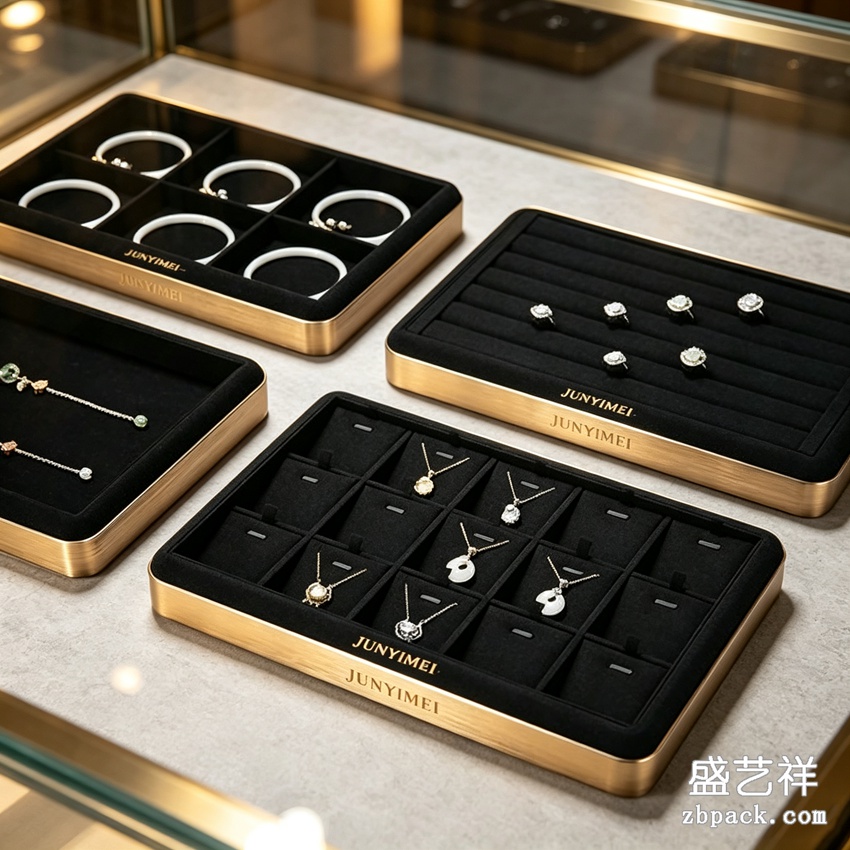 容易翻车的动线有三种:一是收银台堵在门口,客人进门就被区隔;二是主柜贴墙背光,站在门口看过去一片反光;三是柜台填满了通道,客人站不进去,看两眼就转身。动线的核心是“保持通畅,按顺时针走”:左进右出,一切柜台面向走动方向。
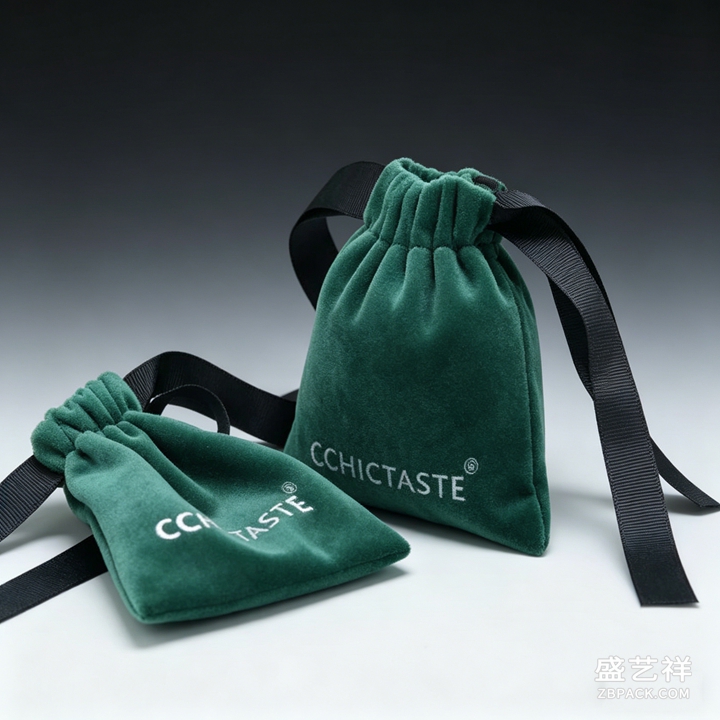 配合动线的柜台用实物说:CC49 白红撞色轻奢柜台套装适合主柜,色块够冲,远远就能拉住进门的客人;CC50 新中式红框套装放次柜,和主柜形成语感差异,客人不至于一路看下去觉得都一样。提醒一句:不要为了多摆货把柜台打得满当当,动线比货量重要,动线清晰了,每个柜的拍出才能被看到。
Which route the customer walks decides what he sees, how long he stays, and whether he buys. Traffic flow is not about where counters sit — it is about his sightline and pacing: every step from the door to the register is purposeful.
The standard small-shop flow is three acts: the entrance faces the main case, which carries seasonal heroes and new arrivals — first glance, first focus. Side counters run along the walk path with matching and high-margin pieces, visible while the customer stands at the main case. The register sits near the exit, and just before it, one more wave of small impulse items. Never make customers double back; once they turn around, attention scatters.
The three classic flow failures: the till blocks the door, so customers are stalled at entry; the main case hugs a backlit wall and glares; counters crowd the aisle, nobody can step in and they leave after a glance. Keep the path clear and move clockwise — enter left, exit right, every counter facing the travelling direction.
Real pieces to pair with the flow: CC49 white-and-red luxury counter set works on the main case — strong colour blocks pull the eye from the door; CC50 new-Chinese red-frame set goes on a side counter, a different voice so the walk doesn’t blur into sameness. One reminder: never stuff counters full just to show stock. The flow matters more than the volume — with a clear flow, every counter’s best piece actually gets seen.
配合动线的柜台用实物说:CC49 白红撞色轻奢柜台套装适合主柜,色块够冲,远远就能拉住进门的客人;CC50 新中式红框套装放次柜,和主柜形成语感差异,客人不至于一路看下去觉得都一样。提醒一句:不要为了多摆货把柜台打得满当当,动线比货量重要,动线清晰了,每个柜的拍出才能被看到。
Which route the customer walks decides what he sees, how long he stays, and whether he buys. Traffic flow is not about where counters sit — it is about his sightline and pacing: every step from the door to the register is purposeful.
The standard small-shop flow is three acts: the entrance faces the main case, which carries seasonal heroes and new arrivals — first glance, first focus. Side counters run along the walk path with matching and high-margin pieces, visible while the customer stands at the main case. The register sits near the exit, and just before it, one more wave of small impulse items. Never make customers double back; once they turn around, attention scatters.
The three classic flow failures: the till blocks the door, so customers are stalled at entry; the main case hugs a backlit wall and glares; counters crowd the aisle, nobody can step in and they leave after a glance. Keep the path clear and move clockwise — enter left, exit right, every counter facing the travelling direction.
Real pieces to pair with the flow: CC49 white-and-red luxury counter set works on the main case — strong colour blocks pull the eye from the door; CC50 new-Chinese red-frame set goes on a side counter, a different voice so the walk doesn’t blur into sameness. One reminder: never stuff counters full just to show stock. The flow matters more than the volume — with a clear flow, every counter’s best piece actually gets seen.
返回资讯列表
Back To News List
容易翻车的动线有三种:一是收银台堵在门口,客人进门就被区隔;二是主柜贴墙背光,站在门口看过去一片反光;三是柜台填满了通道,客人站不进去,看两眼就转身。动线的核心是“保持通畅,按顺时针走”:左进右出,一切柜台面向走动方向。
配合动线的柜台用实物说:CC49 白红撞色轻奢柜台套装适合主柜,色块够冲,远远就能拉住进门的客人;CC50 新中式红框套装放次柜,和主柜形成语感差异,客人不至于一路看下去觉得都一样。提醒一句:不要为了多摆货把柜台打得满当当,动线比货量重要,动线清晰了,每个柜的拍出才能被看到。
Which route the customer walks decides what he sees, how long he stays, and whether he buys. Traffic flow is not about where counters sit — it is about his sightline and pacing: every step from the door to the register is purposeful.
The standard small-shop flow is three acts: the entrance faces the main case, which carries seasonal heroes and new arrivals — first glance, first focus. Side counters run along the walk path with matching and high-margin pieces, visible while the customer stands at the main case. The register sits near the exit, and just before it, one more wave of small impulse items. Never make customers double back; once they turn around, attention scatters.
The three classic flow failures: the till blocks the door, so customers are stalled at entry; the main case hugs a backlit wall and glares; counters crowd the aisle, nobody can step in and they leave after a glance. Keep the path clear and move clockwise — enter left, exit right, every counter facing the travelling direction.
Real pieces to pair with the flow: CC49 white-and-red luxury counter set works on the main case — strong colour blocks pull the eye from the door; CC50 new-Chinese red-frame set goes on a side counter, a different voice so the walk doesn’t blur into sameness. One reminder: never stuff counters full just to show stock. The flow matters more than the volume — with a clear flow, every counter’s best piece actually gets seen.