首饰盒的五金件会生锈吗:镀层、盐雾与日常保养盛艺祥 · 行业资讯
首饰盒的五金件会生锈吗:镀层、盐雾与日常保养 Will Jewelry Box Hardware Rust? Plating, Salt-Spray and Everyday Care
首饰盒用久了,最先“显老”的往往是五金件。铰链边缘出现一圈发暗的锈迹,锁扣表面冒出细小的斑点,磁吸扣周围泛起淡淡的黄色,客人打开盒子第一眼就看到了。五金件会生锈吗?答案不是简单的会或不会:首饰盒的五金件大多经过电镀处理,镀层完整时防锈表现良好,但镀层一旦磨损或破损,底材暴露在空气和潮气里,生锈只是时间问题。对珠宝包装而言,五金件是开合体验与观感的第一印象,也是衡量一只盒子品质的重要细节。理解五金为什么会生锈、镀层如何保护底材、日常怎么保养,才能让盒子在货架和顾客手里都保持体面。
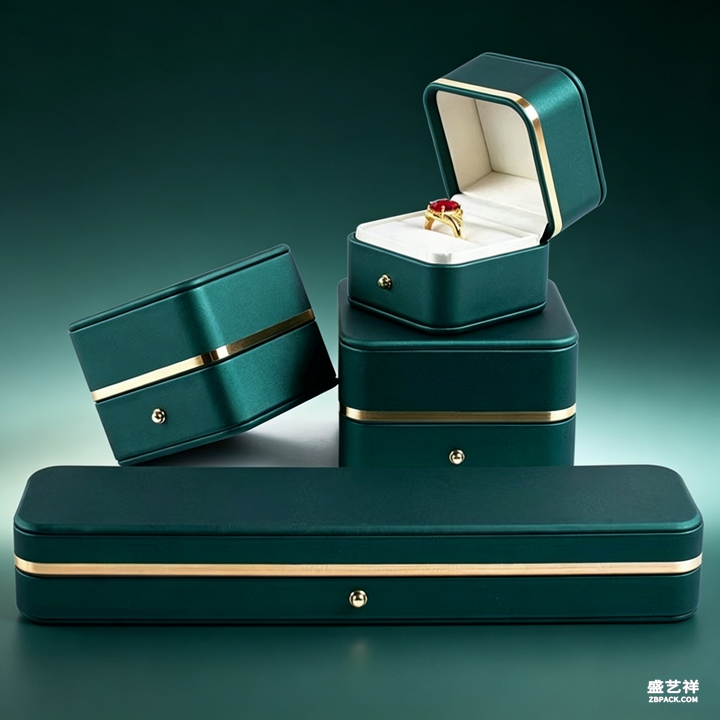 先看五金件为什么会生锈。首饰盒的五金件通常以黄铜、锌合金或不锈钢为底材,表面再电镀镍、铬或仿金镀层。生锈的根源主要有三:一是镀层破损,日常开合摩擦、钥匙刮蹭、盒盖碰撞都会让镀层出现划痕,划痕处底材直接暴露;二是潮气与盐分,手汗、空气中的湿气、沿海地区的盐雾,都会沿着镀层微孔渗透,引发底材腐蚀;三是镀层质量本身,电镀层过薄、结合力差或镀前清洗不彻底,镀层内已有针孔和气泡,使用一段时间后锈点就从内部“冒”出来。所以五金生锈不是个别盒子的偶然问题,而是镀层工艺和使用环境共同作用的结果。
镀层是怎么“保”住底材的?电镀在底材表面形成一层致密的金属薄膜,把底材与空气、水分隔开。首饰盒五金常见的是三层结构:底层镀铜打底,提升结合力;中层镀镍,提供硬度和耐腐蚀性;表层电镀仿金或铬,决定外观与最终耐候性。镀层厚度直接决定防锈寿命,正规工厂会用测厚仪抽检镀层厚度,并参照中性盐雾试验来验证耐腐蚀能力:把样品放入盐雾箱,模拟海洋环境的盐雾侵蚀,观察多久出现锈点,合格的五金件在中性盐雾中应能耐受数小时到数十小时而不出现明显锈蚀。业内常见的做法是观测 8 小时、24 小时、48 小时三个节点,镀层耐过的时间越长,说明工艺越扎实。业内常见的做法是观测 8 小时、24 小时、48 小时三个节点,镀层耐过的时间越长,说明工艺越扎实。以 ZBH11 八角绒布首饰盒、ZBH14 翻盖绒布首饰盒为例,出厂前五金件会逐批做盐雾抽检和开合耐久测试,铰链反复开合数千次后仍应保持顺滑、镀层无脱落起皮,磁吸扣的吸力不应衰减。
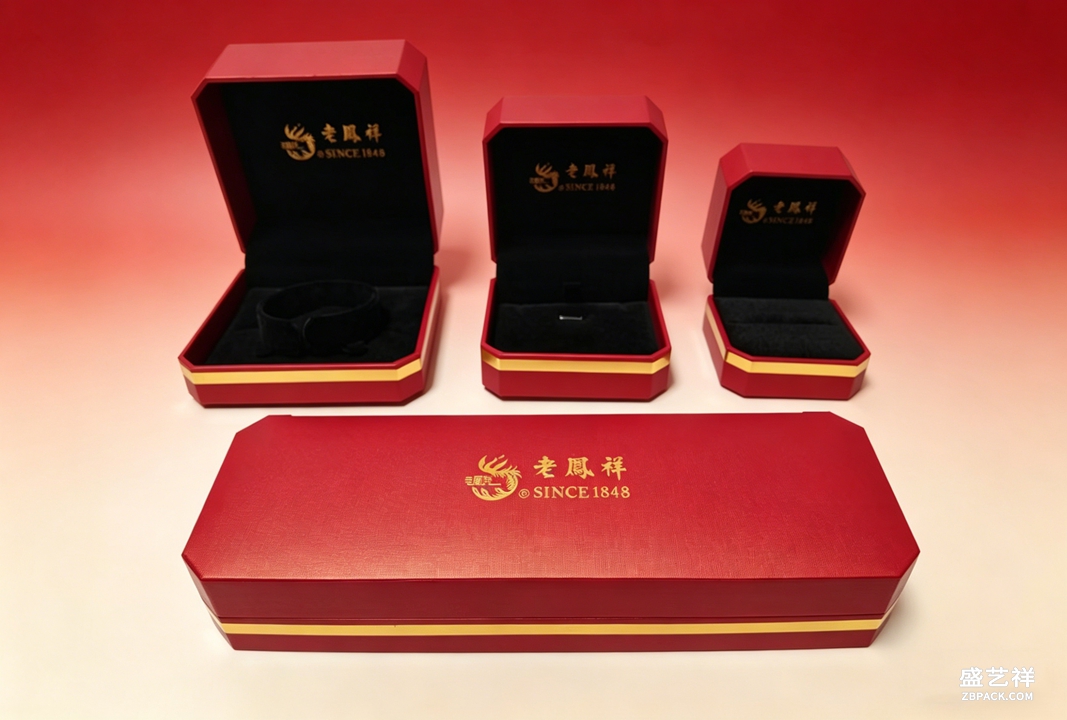 日常保养做扎实,五金件可以多年不锈。三个习惯最有效:一是保持干燥,首饰盒尽量放在通风、避潮的环境,避免长期放在卫生间、地下室或临窗受潮的位置,南方梅雨季可在柜内放一小包干燥剂;二是减少汗液接触,开合盒子时尽量让指腹避开五金件,指腹的汗液和油脂会在镀层上留下腐蚀源,取放首饰时握住盒身而非反复摩挲锁扣;三是及时清洁,发现五金表面有指印或污渍,用柔软干布轻轻擦拭即可,必要时用微湿软布蘸少量中性清洁剂擦净后立刻擦干,切忌用硬刷、研磨性清洁剂或含酸性成分的液体,那会直接破坏镀层。
还要会识货:五金件出现什么情况要警惕。轻微发暗、失去光泽,通常是镀层氧化,用软布抛光大多能恢复;出现成片锈斑、起皮、脱落或锁扣活动卡滞,说明镀层已经失效,这时不要自行打磨或涂油,应联系厂家检修或更换配件,打磨会扩大损伤,普通油类会吸附灰尘形成更难清理的油污膜。选购首饰盒时,可以当场做两个小测试:用指甲轻轻划过五金表面,看镀层是否起皮;反复开合盒盖十次左右,听铰链是否有异响、看锁扣是否依然顺滑。ZBH 系列这类出厂品控严格的盒子,在这些细节上会明显更稳。
五金件是盒子的“眼睛”和“手指”:它负责开合、锁合与每一次拿取的体感,也是客人对品质的第一直觉。看好镀层、管好环境、做好日常保养,五金件就能一直保持光亮顺滑,让盒子在送出和收藏的每一天都体面如新。
When a jewelry box ages, the hardware is usually the first part to show it. A dark ring of rust creeps along the edge of the hinge, tiny specks appear on the clasp, and a faint yellowish tone spreads around the magnetic catch-the customer sees it the moment the box opens. Will jewelry box hardware rust? The answer is not a simple yes or no. Most hardware on jewelry boxes is electroplated; while the plating is intact, it resists rust well, but once the plating is worn or damaged and the base metal is exposed to air and moisture, rust is only a matter of time. For jewelry packaging, hardware shapes both the opening experience and the first visual impression, and it is a telling detail of overall quality. Understanding why hardware rusts, how plating protects the base, and how to care for it day to day keeps a box looking decent on the shelf and in the customer's hands.
First, why does hardware rust? The hardware of a jewelry box is usually made of brass, zinc alloy or stainless steel, coated with a nickel, chromium or imitation-gold plating. There are three main causes. The first is damaged plating: daily opening and closing friction, key scratches and lid bumps scratch the coating, and at each scratch the base metal is exposed. The second is moisture and salt: sweat, humidity in the air and sea salt in coastal regions seep through microscopic pores in the plating and corrode the base underneath. The third is the plating itself: if the layer is too thin, poorly bonded or applied over insufficiently cleaned parts, it already contains pinholes and bubbles, and rust spots eventually emerge from inside. Hardware rust is therefore not an accident of individual boxes but the combined result of plating quality and the environment of use.
How does plating protect the base? Electroplating forms a dense metal film on the surface that separates the base from air and moisture. Jewelry box hardware commonly uses a three-layer structure: a copper layer first to improve adhesion, a nickel layer in the middle for hardness and corrosion resistance, and an imitation-gold or chromium layer on top for appearance and long-term weather resistance. Plating thickness directly decides how long the hardware resists rust. Serious factories measure plating thickness by sampling with a gauge and verify corrosion resistance with the neutral salt spray test (NSS): samples are placed in a salt spray chamber that simulates coastal salt air, and the time until rust spots appear is recorded. Qualified hardware should withstand hours to tens of hours in neutral salt spray without visible corrosion. Take the ZBH11 octagonal velvet jewelry box and the ZBH14 flip-top velvet jewelry box as examples: before leaving the factory, their hardware goes through batch salt spray sampling and repeated open-close endurance tests. After thousands of open-close cycles, the hinges should stay smooth with no peeling plating, and the magnetic catch should not lose its pull.
Solid daily care keeps hardware rust-free for years. Three habits work best. First, keep it dry: store jewelry boxes in ventilated, low-humidity places, and avoid bathrooms, basements or damp spots near windows. In the southern plum rain season, put a small desiccant pack inside the cabinet. Second, reduce contact with sweat: when opening and closing the box, keep fingertips away from the hardware, because sweat and oil from fingertips leave corrosion agents on the plating. Hold the box body instead of rubbing the clasp repeatedly. Third, clean promptly: wipe fingerprints and stains with a soft dry cloth; if needed, use a slightly damp soft cloth with a little mild detergent and dry it immediately. Never use hard brushes, abrasive cleaners or acidic liquids-they destroy the plating directly.
It also pays to know what to watch for. Slight darkening and loss of luster usually mean oxidation of the plating, and a soft cloth polish often restores it. If you see large rust patches, peeling, flaking or a stiff, sticking clasp, the plating has failed. Do not sand it or apply oil by yourself: sanding enlarges the damage, and ordinary oils attract dust and form a film that is harder to clean. Contact the factory for repair or replacement instead. When buying a jewelry box, run two quick checks on the spot: scrape the hardware surface lightly with a fingernail to see whether the plating lifts, and open and close the lid about ten times to listen for hinge noise and check whether the clasp still moves smoothly. Boxes with strict factory control, such as the ZBH series, prove clearly steadier in these details.
Hardware is the box's eyes and fingers: it manages opening, locking and the feel of every pickup, and it is the customer's first instinct about quality. Look after the plating, manage the environment and practice daily care, and the hardware will stay bright and smooth, keeping the box as presentable as new on every day it is gifted or kept.
返回资讯列表
Back To News List
先看五金件为什么会生锈。首饰盒的五金件通常以黄铜、锌合金或不锈钢为底材,表面再电镀镍、铬或仿金镀层。生锈的根源主要有三:一是镀层破损,日常开合摩擦、钥匙刮蹭、盒盖碰撞都会让镀层出现划痕,划痕处底材直接暴露;二是潮气与盐分,手汗、空气中的湿气、沿海地区的盐雾,都会沿着镀层微孔渗透,引发底材腐蚀;三是镀层质量本身,电镀层过薄、结合力差或镀前清洗不彻底,镀层内已有针孔和气泡,使用一段时间后锈点就从内部“冒”出来。所以五金生锈不是个别盒子的偶然问题,而是镀层工艺和使用环境共同作用的结果。
镀层是怎么“保”住底材的?电镀在底材表面形成一层致密的金属薄膜,把底材与空气、水分隔开。首饰盒五金常见的是三层结构:底层镀铜打底,提升结合力;中层镀镍,提供硬度和耐腐蚀性;表层电镀仿金或铬,决定外观与最终耐候性。镀层厚度直接决定防锈寿命,正规工厂会用测厚仪抽检镀层厚度,并参照中性盐雾试验来验证耐腐蚀能力:把样品放入盐雾箱,模拟海洋环境的盐雾侵蚀,观察多久出现锈点,合格的五金件在中性盐雾中应能耐受数小时到数十小时而不出现明显锈蚀。业内常见的做法是观测 8 小时、24 小时、48 小时三个节点,镀层耐过的时间越长,说明工艺越扎实。业内常见的做法是观测 8 小时、24 小时、48 小时三个节点,镀层耐过的时间越长,说明工艺越扎实。以 ZBH11 八角绒布首饰盒、ZBH14 翻盖绒布首饰盒为例,出厂前五金件会逐批做盐雾抽检和开合耐久测试,铰链反复开合数千次后仍应保持顺滑、镀层无脱落起皮,磁吸扣的吸力不应衰减。
日常保养做扎实,五金件可以多年不锈。三个习惯最有效:一是保持干燥,首饰盒尽量放在通风、避潮的环境,避免长期放在卫生间、地下室或临窗受潮的位置,南方梅雨季可在柜内放一小包干燥剂;二是减少汗液接触,开合盒子时尽量让指腹避开五金件,指腹的汗液和油脂会在镀层上留下腐蚀源,取放首饰时握住盒身而非反复摩挲锁扣;三是及时清洁,发现五金表面有指印或污渍,用柔软干布轻轻擦拭即可,必要时用微湿软布蘸少量中性清洁剂擦净后立刻擦干,切忌用硬刷、研磨性清洁剂或含酸性成分的液体,那会直接破坏镀层。
还要会识货:五金件出现什么情况要警惕。轻微发暗、失去光泽,通常是镀层氧化,用软布抛光大多能恢复;出现成片锈斑、起皮、脱落或锁扣活动卡滞,说明镀层已经失效,这时不要自行打磨或涂油,应联系厂家检修或更换配件,打磨会扩大损伤,普通油类会吸附灰尘形成更难清理的油污膜。选购首饰盒时,可以当场做两个小测试:用指甲轻轻划过五金表面,看镀层是否起皮;反复开合盒盖十次左右,听铰链是否有异响、看锁扣是否依然顺滑。ZBH 系列这类出厂品控严格的盒子,在这些细节上会明显更稳。
五金件是盒子的“眼睛”和“手指”:它负责开合、锁合与每一次拿取的体感,也是客人对品质的第一直觉。看好镀层、管好环境、做好日常保养,五金件就能一直保持光亮顺滑,让盒子在送出和收藏的每一天都体面如新。
When a jewelry box ages, the hardware is usually the first part to show it. A dark ring of rust creeps along the edge of the hinge, tiny specks appear on the clasp, and a faint yellowish tone spreads around the magnetic catch-the customer sees it the moment the box opens. Will jewelry box hardware rust? The answer is not a simple yes or no. Most hardware on jewelry boxes is electroplated; while the plating is intact, it resists rust well, but once the plating is worn or damaged and the base metal is exposed to air and moisture, rust is only a matter of time. For jewelry packaging, hardware shapes both the opening experience and the first visual impression, and it is a telling detail of overall quality. Understanding why hardware rusts, how plating protects the base, and how to care for it day to day keeps a box looking decent on the shelf and in the customer's hands.
First, why does hardware rust? The hardware of a jewelry box is usually made of brass, zinc alloy or stainless steel, coated with a nickel, chromium or imitation-gold plating. There are three main causes. The first is damaged plating: daily opening and closing friction, key scratches and lid bumps scratch the coating, and at each scratch the base metal is exposed. The second is moisture and salt: sweat, humidity in the air and sea salt in coastal regions seep through microscopic pores in the plating and corrode the base underneath. The third is the plating itself: if the layer is too thin, poorly bonded or applied over insufficiently cleaned parts, it already contains pinholes and bubbles, and rust spots eventually emerge from inside. Hardware rust is therefore not an accident of individual boxes but the combined result of plating quality and the environment of use.
How does plating protect the base? Electroplating forms a dense metal film on the surface that separates the base from air and moisture. Jewelry box hardware commonly uses a three-layer structure: a copper layer first to improve adhesion, a nickel layer in the middle for hardness and corrosion resistance, and an imitation-gold or chromium layer on top for appearance and long-term weather resistance. Plating thickness directly decides how long the hardware resists rust. Serious factories measure plating thickness by sampling with a gauge and verify corrosion resistance with the neutral salt spray test (NSS): samples are placed in a salt spray chamber that simulates coastal salt air, and the time until rust spots appear is recorded. Qualified hardware should withstand hours to tens of hours in neutral salt spray without visible corrosion. Take the ZBH11 octagonal velvet jewelry box and the ZBH14 flip-top velvet jewelry box as examples: before leaving the factory, their hardware goes through batch salt spray sampling and repeated open-close endurance tests. After thousands of open-close cycles, the hinges should stay smooth with no peeling plating, and the magnetic catch should not lose its pull.
Solid daily care keeps hardware rust-free for years. Three habits work best. First, keep it dry: store jewelry boxes in ventilated, low-humidity places, and avoid bathrooms, basements or damp spots near windows. In the southern plum rain season, put a small desiccant pack inside the cabinet. Second, reduce contact with sweat: when opening and closing the box, keep fingertips away from the hardware, because sweat and oil from fingertips leave corrosion agents on the plating. Hold the box body instead of rubbing the clasp repeatedly. Third, clean promptly: wipe fingerprints and stains with a soft dry cloth; if needed, use a slightly damp soft cloth with a little mild detergent and dry it immediately. Never use hard brushes, abrasive cleaners or acidic liquids-they destroy the plating directly.
It also pays to know what to watch for. Slight darkening and loss of luster usually mean oxidation of the plating, and a soft cloth polish often restores it. If you see large rust patches, peeling, flaking or a stiff, sticking clasp, the plating has failed. Do not sand it or apply oil by yourself: sanding enlarges the damage, and ordinary oils attract dust and form a film that is harder to clean. Contact the factory for repair or replacement instead. When buying a jewelry box, run two quick checks on the spot: scrape the hardware surface lightly with a fingernail to see whether the plating lifts, and open and close the lid about ten times to listen for hinge noise and check whether the clasp still moves smoothly. Boxes with strict factory control, such as the ZBH series, prove clearly steadier in these details.
Hardware is the box's eyes and fingers: it manages opening, locking and the feel of every pickup, and it is the customer's first instinct about quality. Look after the plating, manage the environment and practice daily care, and the hardware will stay bright and smooth, keeping the box as presentable as new on every day it is gifted or kept.