首饰盒的LOGO工艺怎么选:烫金、压印、丝印与金属铭牌 Choosing a Logo Finish for Jewelry Boxes: Hot Stamping, Debossing, Silk-Screen and Metal Plaques
首饰盒对于品牌的意义,可以用一句话概括:盒子是品牌递给顾客的第一张名片,而盒面上的LOGO就是名片上的签名。同样一只丝绒首饰盒,烫金LOGO和压印LOGO给人的价值感可以差出好几个档位;同样的烫金工艺,用在纸盒上和用在绒布盒上,效果也完全两样。对正在定制首饰盒的珠宝商和品牌方来说,LOGO工艺不是最后一个锦上添花的步骤,而是与盒型、材质并列的三大决策之一,选对了,盒子替品牌说话,选错了,再贵的盒子也显得像贴牌。
烫金烫银:最经典的“高级感”担当
烫金(热烫)通过加热的金属版把电化铝箔转印到盒面,是目前首饰盒上最常见也最稳妥的LOGO工艺。它的优势是光泽饱满、边缘锐利,金箔的金属质感与绒面、纸面、皮革面都能和谐相处,尤其适合深色面的盒子——黑色或深咖绒布盒上烫一枚金LOGO,素雅又压得住场。烫金按箔色可分金色、银色、枪色、镭射箔,按表面效果又有哑金、亮金、镭射渐变之分,报价随箔种和面积浮动。选择烫金时重点看三点:一是压力与温度是否匹配盒面材质,绒布太软容易压塌纹理,纸板太硬又可能烫不实;二是边缘是否有毛边或虚边,这直接决定“一眼值不值”;三是牢度,用指甲轻刮不掉箔、反复开合不磨损才算合格。参考我司常规配置,绒布面礼盒多数采用单色烫金,而皮质面或特种纸面则常用哑金与亮金组合,把主品牌与副标分层呈现。
压印与击凸:不依赖颜色的立体感
如果品牌追求克制、内敛的高级感,压印(凹印)和击凸(凸印)比烫金更合适。压印通过模具把LOGO形状压进盒面,形成内凹的立体痕迹,不需要油墨和箔,颜色与盒面一致,靠光影显现轮廓;击凸则是从背面顶起,让字母微微隆起,摸上去有起伏感。这类工艺尤其适合牛皮纸、特种纸和头层皮等有肌理的面材,也常用作烫金的衬托——先击凸再烫金,层次立刻丰富。压印的缺点是模具费相对刚性,改动字母或图形就要重开模,小批量之前一定要确认LOGO定稿;同时凹下去的部分容易积灰,绒布或深色皮面上建议搭配保护性收纳,避免长期陈列后轮廓发白。量大的订单,压印模具成本会被摊薄,单件成本反而比烫金更可控。
丝印与移印:小批量多颜色的灵活之选
丝印和移印适合LOGO图形复杂、需要多色、或者盒面是PET、亚克力、PU皮等烫金不易着色的材质。丝印通过网版把油墨刮印到平面,颜色覆盖力强,白色、渐变色都能做;移印则通过硅胶头把图案“蘸印”到曲面,适合圆角盒、翻盖内里、甚至是绒布内衬上的小面积印标。丝印的色牢度取决于油墨与材质的匹配,PET盒面要选用附着力好的专用油墨,亚克力盒建议先做百格测试;移印的精度能到毫米级,但每次换色都要换版,多色设计会增加贴版与对位成本。对杯垫式的小面积LOGO或产品系列的辅助标识,丝印往往是最经济的方案;对需要与品牌VI完全一致的渐变色或人像图形,则要评估数码直喷与丝印的精度差异,按图案复杂度决定。
金属铭牌:把档次写在外面的压轴工艺
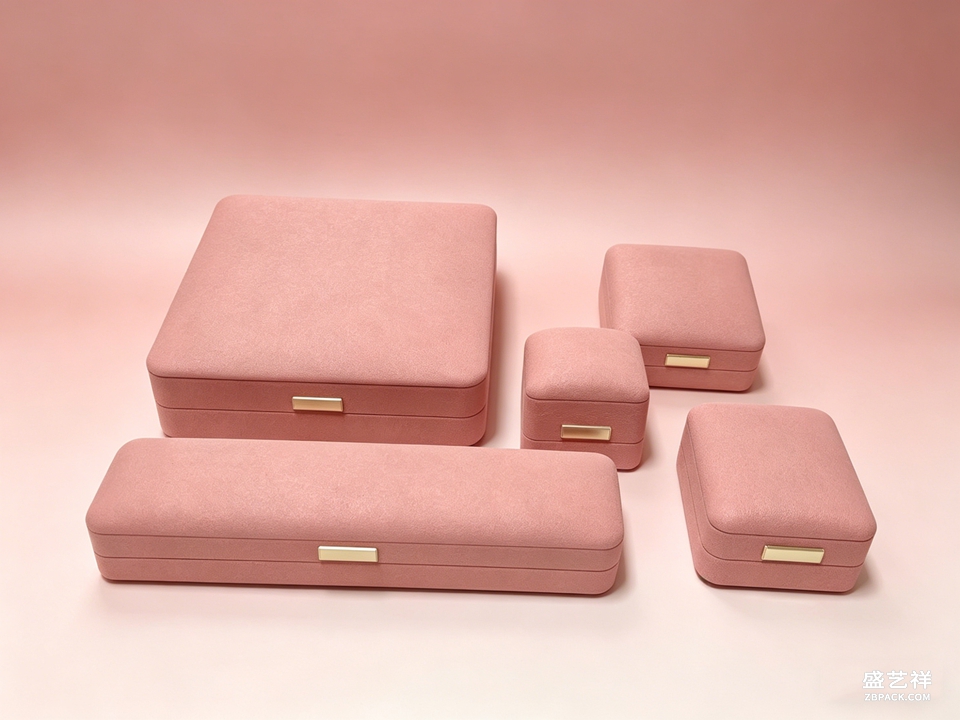
想在开盒第一眼就打出“轻奢”信号,锌合金或铜质金属铭牌是最直接的选择。铭牌通过磁吸、铆钉或镶嵌方式固定在盒面,立体感强、耐磨耐氧化,常见于高端婚庆礼盒、定制首饰盒与品牌伴手礼。铭牌工艺的变量很多:表面电镀(拉丝金、哑光枪色、镜面银)、Logo成型(铸压、腐蚀、雕刻)、固定方式(磁吸便于更换、铆钉更牢固、背胶最省事),每项都影响观感与成本。磁吸铭牌可以做成可替换的“季抛”组件,同一只盒子换一套铭牌就换一个主题,适合系列化产品;铆钉铭牌则更强调一次性定版,适合作为品牌主力礼盒的固定元素。无论选哪种,交付前都要做三件验证:贴在盒面看贴合度是否平整、边缘是否割手、长期开合后是否松动,这三项比任何宣传图都更有说服力。
首饰盒的LOGO工艺本质上是品牌预算的“翻译器”:预算先定,材质定调,工艺把品牌想说的那句话讲到顾客眼前。给正在纠结工艺的定制客户一条实用路径:先做一版含烫金、压印、丝印、铭牌四种工艺的对比样板,摆在实物灯光下看效果,再结合批量与预算敲定主力工艺。中宝包装专注首饰盒与珠宝包装十余年,ZBH、CC、TP等系列均支持烫金、压印、丝印与金属铭牌定制,可提供对比打样与工艺建议,欢迎来图来样咨询。
The meaning of a jewellery box to a brand can be summarised in one sentence: the box is the first business card the brand hands to the customer, and the LOGO on the lid is the signature. The same velvet box with a hot-stamped LOGO versus a debossed LOGO can differ by several grades of perceived value; the same hot-stamping process behaves completely differently on paperboard versus velvet. For jewellers and brands customising boxes, the LOGO finish is not a last decorative step but one of three core decisions alongside shape and material. Choose right, and the box speaks for the brand; choose wrong, and even an expensive box looks like private label.
Hot stamping: the classic premium statement
Hot stamping transfers metallic foil onto the surface with a heated metal plate, and it remains the most common, most reliable LOGO process for jewellery boxes. Its strength is rich gloss and sharp edges; the metallic texture sits well with velvet, paper and leather, especially on dark surfaces — a gold LOGO on black or dark-brown velvet looks restrained yet authoritative. Foil colours include gold, silver, gunmetal and holographic, with finishes from matt to bright to gradient; pricing moves with foil type and area. Three checks matter most: first, whether pressure and temperature match the surface material (velvet is too soft and can crush, hard paperboard may not adhere); second, whether edges are clean without fringes — this decides the one-glance value; third, durability — no flaking under a fingernail and no wear after repeated opening and closing. In our standard configuration, velvet gift boxes mostly take single-colour hot stamping, while leather and specialty papers often combine matt and bright gold to layer the master brand and sub-brand.
Debossing and embossing: dimensionality without colour
If the brand wants restraint and understated luxury, debossing and embossing beat hot stamping. Debossing presses the LOGO shape below the surface with a die, forming a sunken profile that needs no ink or foil, relying on light and shadow; embossing pushes letters up from the back so they rise slightly and feel textured. These suits leather-effect paper, kraft, specialty papers and full-grain leather, and often complement stamping — emboss first, stamp on top for richer layers. The drawback is the die cost: any change to letters or graphics requires a new die, so confirm the LOGO artwork before small runs. Also, recessed areas collect dust; on velvet or dark leather, pair with protective storage so the outline does not fade white after long display. For large volumes the die cost amortises and per-piece cost can be more controllable than stamping.
Silk-screen and pad printing: flexible for small runs and multi-colour
Silk-screen and pad printing suit complex graphics, multi-colour designs, or surfaces such as PET, acrylic and PU leather where foil adheres poorly. Screen printing squeezes ink through a mesh onto flat areas, offering strong coverage for white and gradients; pad printing transfers a pattern with a silicone pad onto curves, ideal for rounded boxes, lid interiors and small marks on velvet linings. Ink adhesion depends on matching ink to material: PET needs dedicated inks, and acrylic should pass a cross-hatch tape test first. Pad printing reaches millimetre precision, but changing colour means changing plates, so multi-colour designs add registration cost. For small-area marks and auxiliary series labels, screen printing is often the most economical; for gradients or portrait graphics that must match the brand identity exactly, evaluate the precision gap between digital direct printing and screen printing and decide by complexity.
Metal plaques: the finale that writes luxury on the outside
To signal entry-level luxury at first glance, zinc-alloy or brass metal plaques are the most direct choice. Plaques attach by magnet, rivet or inlay, offering strong dimensionality, wear resistance and oxidation resistance, common on premium wedding boxes, custom jewellery boxes and branded gifts. Variables abound: surface plating (brushed gold, matt gunmetal, mirror silver), logo forming (die-cast, etched, engraved), and fixing method (magnets for easy replacement, rivets for permanence, adhesive for simplicity) — each affects look and cost. Magnetic plaques can serve as replaceable seasonal components: one box, a new plaque, a new theme, great for serialised products. Riveted plaques emphasise one-time finalisation, ideal as the fixed element of flagship gift boxes. Whichever is chosen, three validations before delivery: flat adherence, no sharp edges, and no loosening after repeated opening and closing — these speak louder than any brochure.
The LOGO finish on a jewellery box is essentially a translator of the brand budget: the budget sets the limit, the material sets the mood, and the process puts the brand's message in front of the customer's eyes. For clients agonising over process, a practical path: make one comparison sample set covering stamping, debossing, screen printing and a metal plaque, judge them under real lighting, then lock the main process by volume and budget. Zhongbao Packaging focuses on jewellery boxes for over a decade; ZBH, CC and TP series all support hot stamping, debossing, screen printing and metal plaque customisation, with comparison sampling and process advice available. We welcome drawings and samples.