首饰盒的分区设计:戒指、吊坠与耳饰各归其位 Compartment Design for Jewelry Boxes: Rings, Pendants and Earrings Each in Place
定制首饰盒时,客户问得最多的是材质、尺寸和LOGO工艺,很少有人第一时间想到分区。但盒子打开的那一刻,顾客第一眼看到的其实是内衬怎么分格。同样的绒布内衬,做成一整块平面和一格格分明的卡位,开盒感受完全不同:分区清晰的首饰盒,货品各归其位、一目了然,取放都有固定的手位,既保护首饰又显得高级;没有分区的盒子,戒指吊坠堆在一起,顾客翻找半天,首饰互相刮蹭,再贵的盒子也会被一句不好用抵消。分区设计,是首饰盒里最值得花心思的细节。
戒指区:卡槽与戒枕的分工
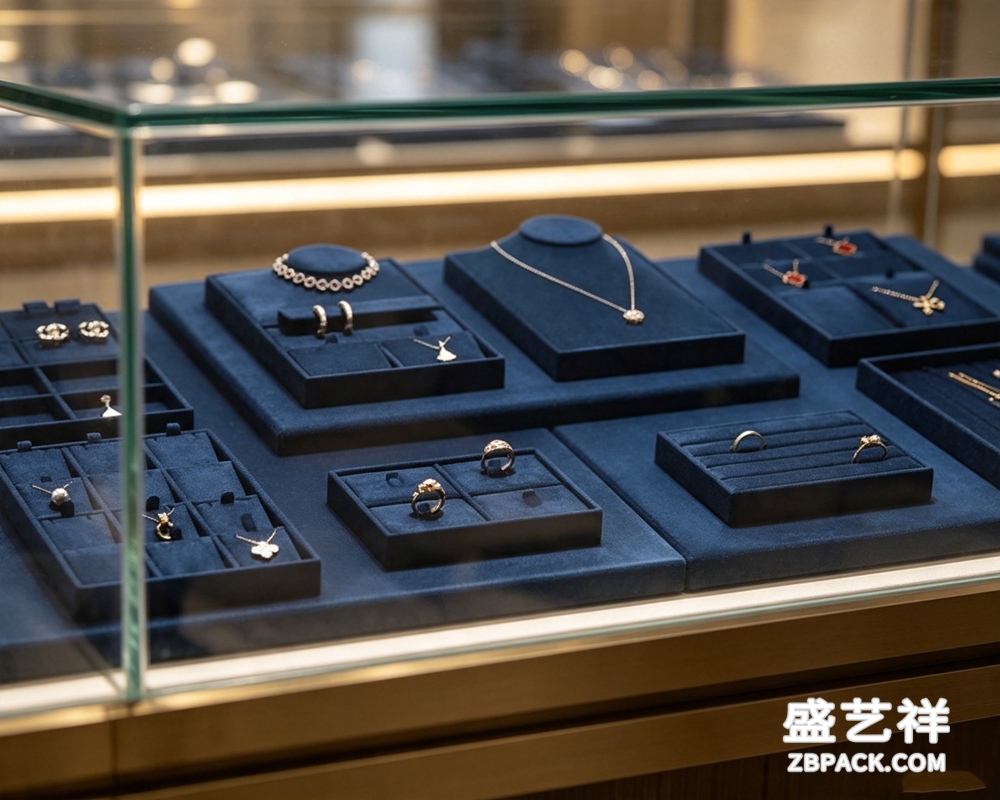
戒指是首饰盒里最常见的货品,体积小、数量多,对分区的要求最细。常见的戒指分区有两种:卡槽式和戒枕式。卡槽式在绒布衬板上开出一条条细槽,戒指顺着槽口插放,适合同一系列、同一尺寸的批量收纳,比如婚庆柜台的多枚同款戒;戒枕式则是每枚戒指配一只独立的小枕垫,戒指套在枕上立放,适合主推款、婚戒和尺寸不一的高值戒指,展示感更强。戒指区的格位宽度要按戒圈外径预留,通常一点五到两厘米一格;如果混放异形戒指,格位宁可宽一点,也不要让戒指互相挤压变形。卡槽衬板建议做成可拆卸结构:换季时整板抽出、替换对应规格,盒子不用换,分区跟着货品走。卡槽的槽深也有讲究,浅槽适合展示,深槽适合收纳,二者可按需组合在同一个盒子内。
吊坠区:竖插与长格,留给带链的货品
吊坠项链最怕链条缠绕。分区设计上,吊坠区推荐竖插高格:利用盒内深度做立式插槽,吊坠挂好链条后竖直插入,链子垂在格内自然伸直,取用时一提即出,绕线概率大大降低。竖插格的高度一般是链条长度的一半以上,格与格之间用绒布隔板分开,避免相邻链条勾在一起。如果吊坠不带链,也可以做浅格横放,但一定要用格位把每一件隔开,切忌多件叠放。对于常卖吊坠的珠宝商,竖插结构几乎是首饰盒里性价比最高的分区投入。竖插格还可以做成上下两层:下层放长链吊坠,上层放短链或锁骨链,层间留出足够的净高,避免下层链条挂上上层格位。盒子深度有限时,优先保证吊坠区净高,别让链条在盒内受压弯折。
耳饰区:小格密排,成对收纳
耳钉、耳环体积最小,最容易被淹没在盒子里。耳饰区的核心是成对收纳:每一对耳饰占一个小格,格内底部加软垫,耳针可以插入或平放。小格的尺寸通常在两厘米见方左右,密排但不粘连,格与格之间用隔板完全隔离,避免耳针互相勾挂。讲究的定制会在耳饰格内做斜插或旋转结构方便取拿;批量定制则优先整齐密排方格,清洁补货更方便。耳饰区还可以在盒盖内侧加一面小镜,开盒即见,取放顺手,是提升开盒体验成本很低的做法。耳饰格较多时,可用十字隔板把大格一分为四翻倍利用空间,量产时预贴定位线便于对齐。盒盖内侧镜面边缘建议做圆弧处理,避免划伤绒布,细节处的用心,顾客开盒都能感受到。
分区不是越多越好
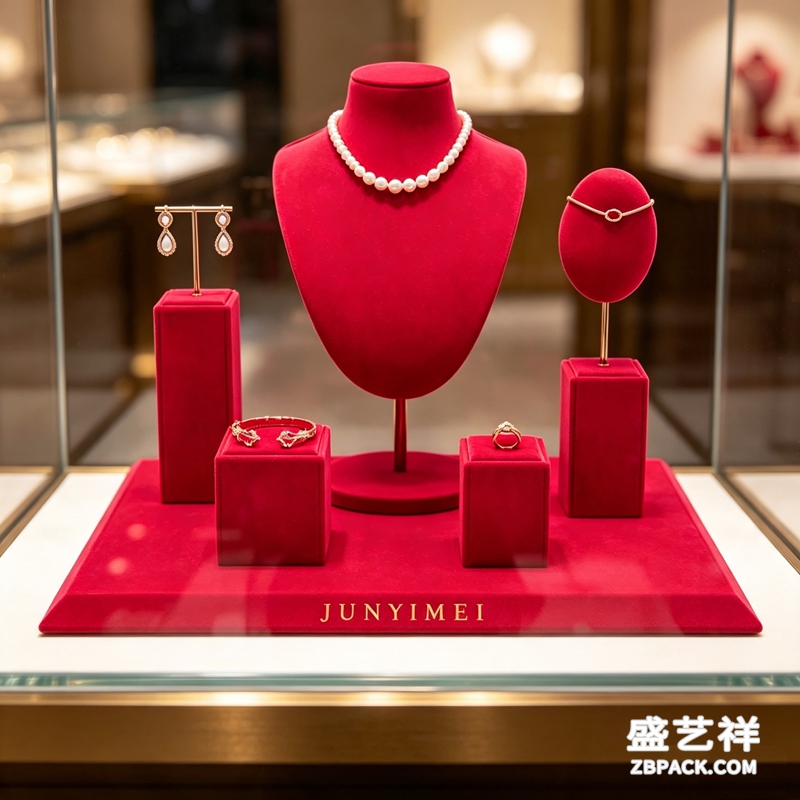
分区设计要避免另一个极端——格位分得太细、太满。首饰盒的分区数量应与货品结构匹配:以卖戒指为主的客户,戒指区可以占一半以上;吊坠和耳饰兼顾的,按销量占比分配格位数;完全没有耳饰品类的,不需要硬塞耳饰格。留出适当比例的空置区或可拆卸隔板,还能让盒子在货品结构变化时继续使用。定制时建议先把客户的货品清单列出来:品类、数量、最大件尺寸,再反推分区方案,而不是先买盒子再塞货。分区合理的首饰盒,打开是规律陈列,合上是坚实保护,货品各归其位,销售取放效率与顾客信任感都会提升。中宝包装专注首饰盒与珠宝包装十余年,ZBH、CC、TP等系列均支持内衬分区定制,可提供卡槽、戒枕、竖插格、密排格等结构方案与打样服务,欢迎来图来样咨询。
原创声明:本文由深圳中宝包装(zbpack.com)原创,欢迎转载,请注明出处。专业首饰盒定制,欢迎咨询:https://www.zbpack.com
When customers order custom jewellery boxes, the questions that come up first are usually material, size and logo finishing. Compartment layout rarely comes to mind at the beginning. Yet the first thing a customer sees when the lid opens is how the inner lining is divided. The same velvet lining delivers completely different unboxing feelings as a flat sheet or as clearly separated cells. A well-compartmented box keeps every piece in its place, visible at a glance, with a fixed hand position for taking in and out — it protects the jewellery and looks premium. A box without compartments lets rings and pendants pile together; customers dig around, pieces scratch each other, and even an expensive box is cancelled out by one word: inconvenient. Compartment design is the detail most worth thinking about in a jewellery box.
Ring Zone: The Division of Slots and Ring Pillows
Rings are the most common contents of a jewellery box. They are small, numerous and demand the finest compartment treatment. Two classic layouts exist: slot style and pillow style. Slot style cuts fine grooves into the velvet board and inserts rings edge-first — ideal for batch storage of one series or one size, such as multiple identical wedding bands on a bridal counter. Pillow style gives each ring its own small cushion and stands the ring upright — better for hero pieces, engagement rings and high-value rings of varying sizes, with a stronger display effect. Cell width should follow the outer diameter of the band, usually 1.5 to 2 cm per ring. When irregular rings are mixed in, leave the cells a little wider rather than letting rings squeeze and deform each other.
Pendant Zone: Upright Slots and Tall Cells for Chained Pieces
Pendants and necklaces fear tangling above everything. For pendants, the recommended layout is upright tall cells: use the inner depth to build vertical slots, hang the pendant with its chain, and insert it upright. The chain hangs straight inside, and pulling it out is a one-step action that greatly reduces tangling. The height of an upright cell should be at least half the chain length, with velvet dividers between cells so neighbouring chains never catch on each other. Pendants without chains can lie flat in shallow cells, but every piece must be separated by its own cell — never stack several pieces together. For jewellers who sell pendants often, upright cell structures are nearly the most cost-effective compartment investment in a box.
Earring Zone: Dense Small Cells, Stored in Pairs
Studs and hoops are the smallest items and the easiest to lose inside a box. The core of an earring zone is pair storage: each pair claims one small cell with a soft pad at the bottom, where posts can be inserted or pieces laid flat. Cells are usually about 2 cm square, densely arranged but never touching, with dividers fully separating one cell from the next so posts never hook each other. For a finer finish, angled or rotating inserts improve display and access; for batch production, neat dense grids are preferred because cleaning and restocking are easier. A small mirror can be added to the inside of the lid above the earring zone — open, see, pick up. It is a very low-cost upgrade to the unboxing experience.
More Zones Are Not Always Better
Compartment design must avoid the opposite extreme — cells too fine and too full. The number of zones should match the merchandise structure: for customers selling mainly rings, the ring zone can take more than half the space; for a mix of pendants and earrings, allocate cells by sales share; if earrings are not in the range at all, there is no need to force earring cells in. Keeping a reasonable share of flexible space or removable dividers also lets the box keep serving as the product mix evolves. For custom orders, ask for the customer's product list first — category, quantity, and the largest piece size — then derive the compartment plan, instead of buying a box first and stuffing goods in later. A box with sensible compartments opens as neat display, closes as solid protection; pieces stay in their places, staff handle them faster, and customer trust rises along with it. Zhongbao Packaging has focused on jewellery boxes for over ten years. The ZBH, CC and TP series all support custom compartment layouts, with slot, pillow, upright and dense-grid structures available for sampling. Welcome to send artwork and samples for consultation.
Original article by Shenzhen Zhongbao Packaging (zbpack.com). Reprints welcome; please credit the source. Custom jewellery boxes: https://www.zbpack.com