首饰盒的防潮学问:湿度、干燥剂与内衬养护 Moisture and the Jewellery Box: Humidity, Desiccants and Lining Care
首饰盒最怕的不是磕碰,而是潮湿。金属氧化、绒布发霉、木盒变形、珍珠发黄,绝大多数不是用坏的,而是被湿气“养坏”的。尤其在南方的梅雨季和回南天,空气里都是水,首饰盒的防线就从材质本身,转移到了湿度管理上:控制环境湿度、选对干燥剂、养护好内衬,三道功夫都做足,首饰盒里的货品才能长久如新。
湿度会带来什么:从霉斑到变色
湿度对首饰盒的伤害是全面而缓慢的。绒布内衬是首当其冲的受害者:长期潮湿会让绒面发霉、起斑,先是小片霉点,慢慢扩散成整片灰绿,霉味渗进纤维里很难去除。金属五金件在潮湿中加速氧化,镀层表面冒出锈点,拉链、锁扣、合页最先中招。木质盒身在反复吸湿后膨胀变形,严丝合缝的盒盖开始翘边、开裂。货品本身也逃不过:银饰发黑、铜件鎏金泛绿、珍珠发黄、钻石火彩被雾气模糊。湿度带来的是一整套连锁损伤,等看见霉斑再处理,往往已经不可逆。
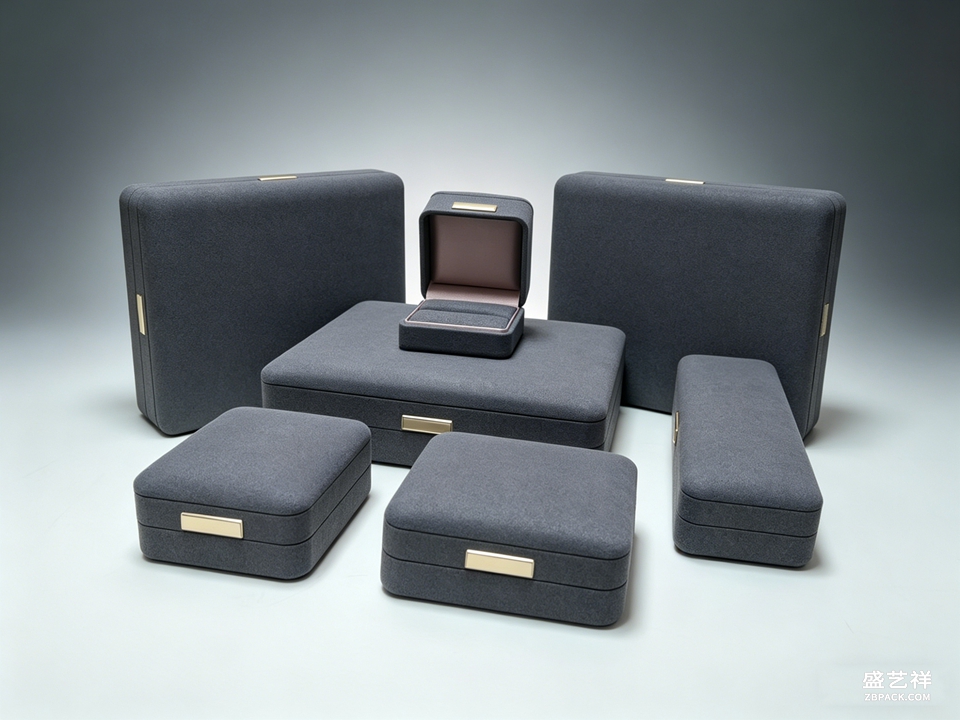
干燥剂怎么选:硅胶、活性炭还是氯化钙
硅胶干燥剂是最稳妥的基础款:安全无毒、可重复使用,吸湿后颜色变化直观,变色硅胶从蓝变粉、从橙变绿,一眼就知道该换了;它适合日常放在盒内的夹层里持续吸湿。活性炭干燥剂除了吸湿还能吸附异味,适合新盒刚开箱、味道较重的时候,或与樟木香片配合使用。氯化钙干燥剂吸湿能力强、除湿量大,适合密闭的收纳箱、保险柜这类大空间,但它的吸湿过程会释放潮气,必须放在密封盒里使用,不能直接接触首饰盒。不要把不同干燥剂混在一起丢进盒子,各司其职、定期更换,比堆一堆更可靠。
吸收量与更换周期:吸够了就是废了
干燥剂不是放进去就一劳永逸的,它也有寿命。硅胶吸湿量达到一定比例后就会饱和,失去了继续吸水的力气,放在盒子里只是占地方。判断更换时机,最直观的是看指示色变;没有指示色的话,梅雨季一个月左右检查一次,干燥季节可放宽到两个月。更换时一并处理回收:失效的硅胶可以烘干再生,活性炭在阳光下暴晒几小时可恢复部分能力,氯化钙则属于一次性耗材。用量也要与盒子容积匹配,大盒多放、小盒少放,与其平均撒一点,不如按湿度敏感度分配:放珍珠的、放银器的盒子优先保障。
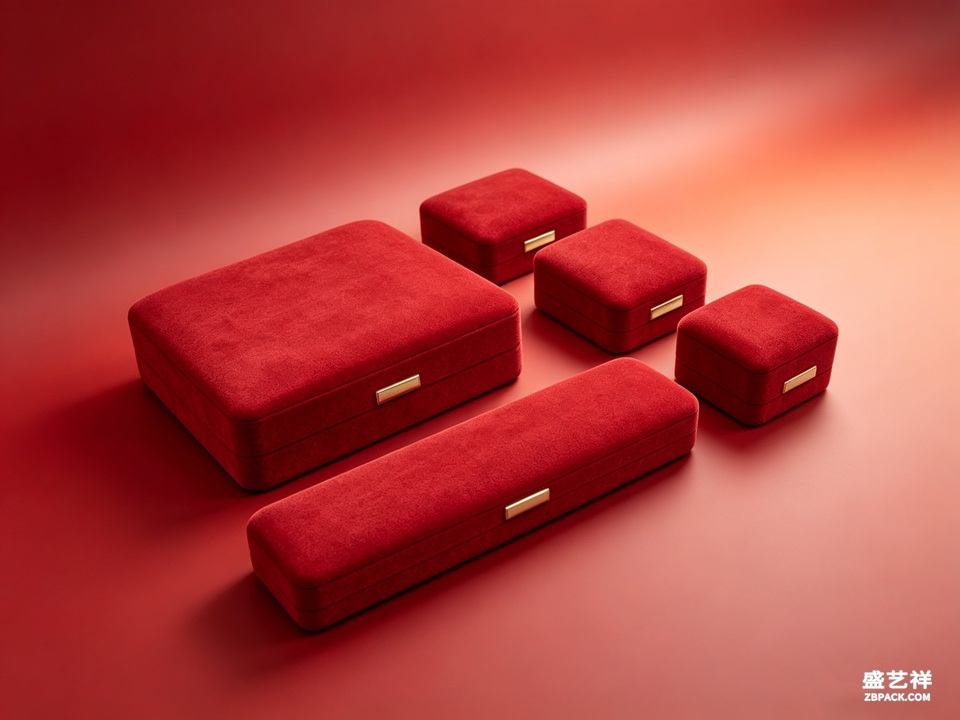
环境配合:通风、避光、离地
干燥剂是补救,环境管理才是治本。首饰盒摆放的位置大有讲究:不要放在卫生间、厨房、阳台窗边这类湿度高的地方,也不要紧贴外墙,墙体返潮会透过盒底渗进去。储物柜和保险柜要保持通风,至少定期打开换气,密闭太久里面就是一个微缩的温室。避光也很重要,阳光直射会让绒布褪色、木盒开裂。南方用户可以在储物空间里放温湿度计,长期高于百分之六十就要警惕,加一台除湿机或干燥箱更稳妥。
内衬养护:别等发霉才想起
内衬是首饰盒与货品之间的一道保护层,养护要从日常做起。绒布内衬最怕潮湿和污渍,取放货品时保持双手干燥,佩戴过的首饰上有汗渍,先用软布擦拭再放回盒内。内衬出现小面积污渍,用软毛刷顺着绒毛方向轻刷;万一受潮发霉,不要用湿布擦——先用干燥的软毛刷把霉尘刷掉,再放在通风处晾干,必要时用少量酒精棉轻擦,之后彻底晾透。木盒内衬还要留意榫卯和边缝,这些地方最藏水汽。把内衬养护写进日常习惯,首饰盒才能在顾客打开的那一刻始终保持体面。
把防潮写进包装方案
防潮不只在收纳层面,订制首饰盒时就可以前置设计。盒内预留干燥剂仓或夹层,比随意夹一片硅胶更专业;绒布、纸板等辅料选用防潮处理过的材质,从源头降低吸湿风险;出口订单更要把干燥剂用量、密封规格写进方案,应对海运高湿。中宝包装专注首饰盒与珠宝包装十余年,支持盒内防潮结构设计与干燥剂配套方案,欢迎来图来样交流具体需求。
原创声明:本文由深圳中宝包装(zbpack.com)原创,欢迎转载,请注明出处。专业首饰盒定制,欢迎咨询:https://www.zbpack.com
A jewellery box's worst enemy is not knocking but damp. Metal oxidises, velvet goes mouldy, wood warps, pearls yellow - most of these are not caused by wear but by moisture slowly "cultivating" the damage. Especially during the plum-rain season and humid spring weather in the south, the air is full of water, and the box's defence line shifts from materials to humidity management: control the environment's humidity, choose the right desiccant and care for the lining. Do all three jobs well, and the goods inside stay as good as new for a long time.
What Humidity Brings: From Mould to Discolouration
Humidity damages a jewellery box slowly but on every front. The velvet lining is the first victim: lingering damp makes the pile mouldy and blotchy - first a few specks, then a spread of grey-green, with the musty smell sinking into the fibres where it is very hard to remove. Metal hardware oxidises faster in damp, rust specks appear on the plating, and zips, clasps and hinges suffer first. Wooden bodies swell and warp through repeated absorption, and lids that once closed perfectly begin to lift and crack. The goods themselves do not escape: silver blackens, gilt turns greenish, pearls yellow, and diamond fire is fogged by moisture. Humidity is not one problem but a chain of collateral damage; by the time the mould is visible, the harm is often already irreversible.
Choosing a Desiccant: Silica Gel, Activated Carbon or Calcium Chloride
Choose a desiccant according to the use case. Silica gel is the safest basic option: non-toxic and reusable, with a visible colour change when saturated - colour-changing gel turns from blue to pink or from orange to green, so you know at a glance when to replace it; it suits daily moisture absorption in a box's built-in pocket. Activated carbon absorbs both moisture and odours, suiting newly opened boxes that still smell, or pairing with camphor chips. Calcium chloride is the strongest, best for sealed storage chests and safes, but its absorption releases moisture as it works, so it must be used inside an airtight container and never placed directly against the jewellery box. Do not toss different desiccants in together; let each do its own job and replace them on schedule - that is more reliable than piling up a heap.
Capacity and Replacement: Saturated Means Spent
A desiccant is not a one-time fix - it has a lifespan. Once silica gel reaches a certain absorption ratio it saturates and loses its strength, taking up space without working. The most direct cue is the indicator colour; without one, keep a rule: check about once a month in the plum-rain season, and once every two months in dry seasons. Handle replacement and renewal together: spent silica gel can be dried and regenerated, activated carbon recovers some capacity after a few hours in the sun, and calcium chloride is single-use. Match the amount to the box volume - more in large boxes, less in small ones - and rather than spreading it evenly, allocate it by sensitivity: boxes holding silk, pearls and silver get priority protection.
Environment: Ventilate, Keep Out of Sun, Stay Off the Floor
Desiccants are the remedy; environment management is the cure. Where the box sits matters: avoid bathrooms, kitchens and sunny window sills, and do not press the box against an exterior wall, where rising damp can seep through the base. Keep storage cabinets and safes ventilated and open them regularly - sealed up too long, they become a miniature greenhouse inside. Shade matters too: direct sun fades velvet and cracks wood. Southern users can put a thermometer-hygrometer in the storage space; levels persistently above sixty per cent call for a dehumidifier or a dry cabinet. The box itself should also be opened regularly to let trapped moisture escape - do not let them stay shut in the cabinet all year.
Lining Care: Do Not Wait for Mould to Remember
The lining is a protective layer between the box and the goods, and care starts with daily habits. Velvet hates damp and stains: keep hands dry when putting pieces in and out, and wipe worn jewellery with a soft cloth before returning it to the box - sweat residue is a hidden source of trouble. For small stains, brush gently along the pile with a soft-bristled brush; if damp causes mould, do not wipe with a wet cloth - brush the mould dust off dry first, then air-dry in a ventilated place, and if needed dab lightly with an alcohol swab and dry thoroughly afterwards. For wooden boxes, also watch the joints and seams, which trap vapour most easily. Making lining care a daily habit is far less trouble than fixing problems after they appear, and it keeps a box presentable the moment a customer opens it.
Build Moisture Control into the Packaging Plan
Moisture control is not only about storage; it can be designed in at the ordering stage. A built-in desiccant compartment or pocket is more professional than tucking in a loose sachet; choose anti-moisture treated linings and boards to lower absorption risk at the source; and for export orders, consider long sea voyages in high humidity by writing the desiccant amount and sealed packaging specifications into the plan. Zhongbao Packaging has focused on jewellery boxes and packaging for over a decade, supporting in-box moisture-proof structures and desiccant packages. Welcome to send artwork and samples to discuss your specific needs.
Original statement: This article is original by Shenzhen Zhongbao Packaging (zbpack.com). Credit appreciated when sharing. Professional jewellery box customisation, welcome to visit: https://www.zbpack.com