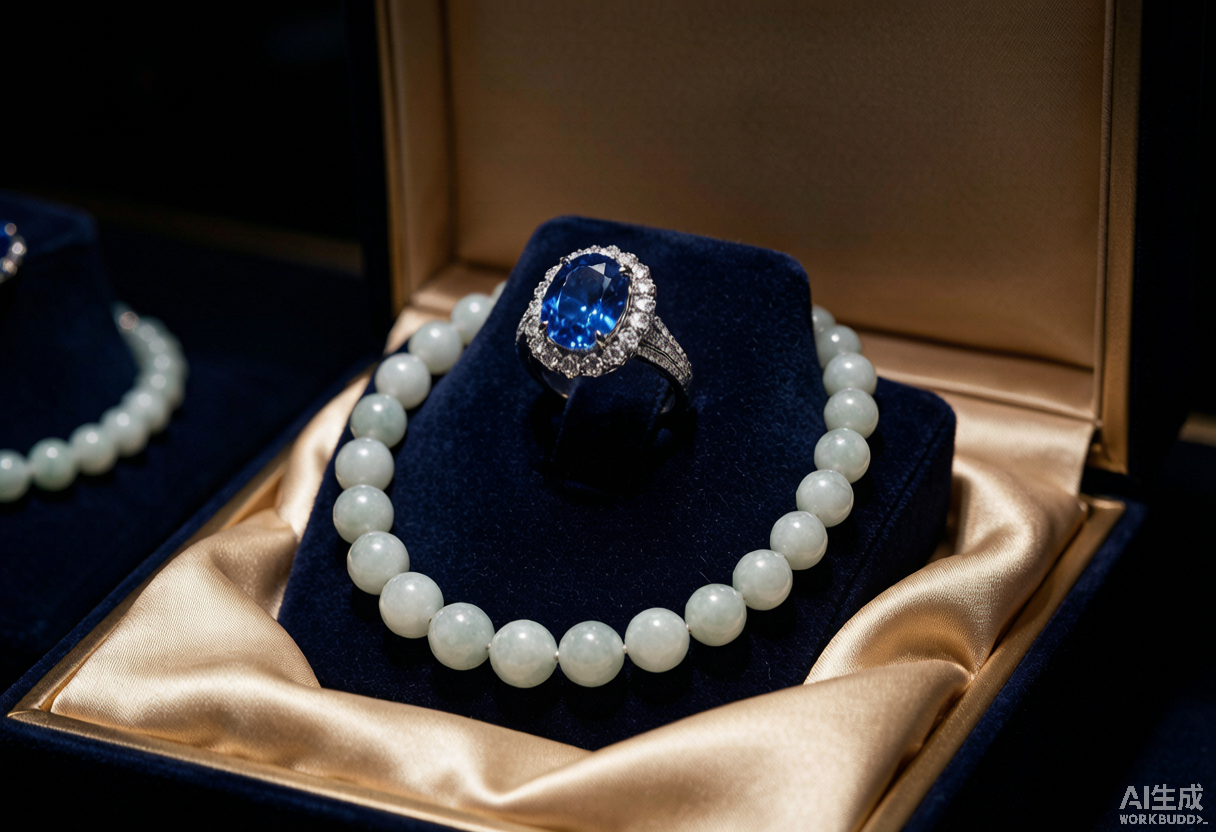
培育钻石改写格局 Lab-Grown Diamonds Reshape the Market
当一颗一克拉的钻石不再需要掏空半年积蓄,珠宝行业的底层逻辑正在被重新书写。实验室培育钻石——这个曾经被质疑"是不是真钻石"的新物种,如今以摧枯拉朽的价格曲线和清晰的科技叙事,站到了消费舞台的中央。它改写的不仅是预算表,更是年轻一代对"奢华"的定义。
数据勾勒出一条陡峭的增长线。行业分析显示,全球实验室培育钻石市场规模在 2025 年已达到约 260—280 亿美元,按克拉重量计已占全球钻石珠宝出货量的 40% 以上,按价值计约 20%—22%;2020—2025 年的年复合增长率高达 18%—22%。进入 2026 年,增速放缓至约 12%—15%,市场正从狂飙式扩张走向成熟稳态。
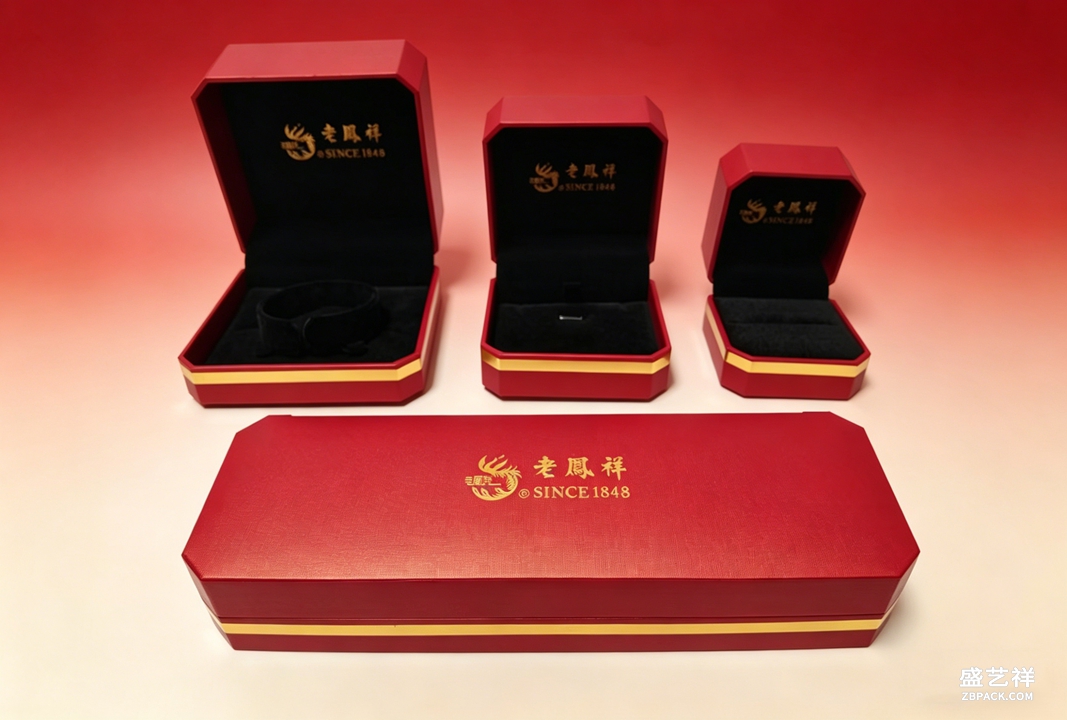
价格塌缩,门槛瓦解
培育钻最颠覆性的变量是价格。Edahn Golan 与 De Beers 的追踪显示,1—3 克拉培育钻批发价自 2020 年以来累计下跌约 93%,到 2026 年 6 月已逼近每克拉约 100 美元的产能成本地板;零售端同等品质的培育钻仅为天然钻的 1/4 到 1/5。价格的下探,让"大克拉自由"第一次成为大众可触及的现实:国内 95 后新人中有 43% 选择培育钻,全球婚庆市场占比已突破 40%,美国 5000 美元以下价位的订婚戒中培育钻占比超过一半。
供给端的中国力量同样关键。中国掌握着全球约 63% 的培育钻产能,河南集群的规模效应持续压低边际成本;Signet、Pandora 等传统与大众珠宝巨头已全面拥抱这一品类,把培育钻的接受度从创新者推进到"早期多数"。
不止于便宜:科技与伦理的双重叙事
如果只把培育钻理解为"平替",就低估了它。年轻消费者为培育钻买单的理由里,环保与科技认同占据重要位置——无需开采、碳足迹可控、品质可认证(IGI 证书已成主流信任锚)。当一颗钻石可以同时标榜"可持续"与"高性价比",它击中了当代消费最敏感的两根神经。技术本身也在拓宽边界:CVD 工艺已能稳定培育 10 克拉以上的高净度大石,产品从珠宝延伸到半导体与量子计算的金刚石板材,这种"双用途"方向在零售价格承压时为产业提供了更稳固的支撑。
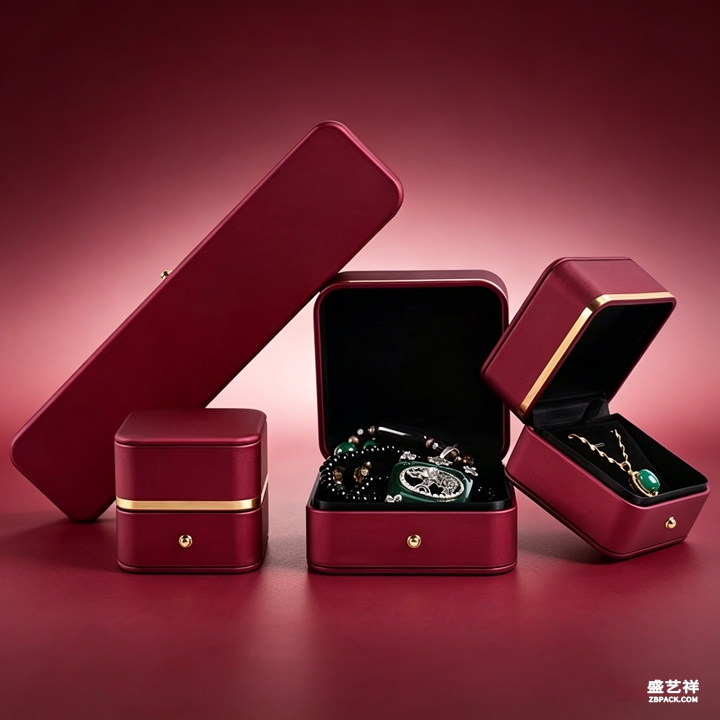
科技珠宝,也需要讲究的包装
培育钻的"科技+可持续"基因,对呈现方式提出了新命题。一方面,环保叙事要求珠宝包装同步走向绿色——再生纸材、可降解内衬、极简克制的首饰盒设计,让"可持续"从口号落到指尖;另一方面,高端定制与收藏级培育钻,依然需要能承载质感的珠宝盒定制与珠宝包装设计,在珠宝陈列道具与珠宝摆台上被策展式呈现。盛艺祥在服务高端珠宝品牌的过程中发现,培育钻品牌的包装正分化为两条线:走量款强调环保轻量化,高定款则用材质与工艺讲述"科技亦可奢华"的故事。
价格从不是终点,而是重新分配注意力的起点。当培育钻把"大克拉"变成日常,真正被改写的,是人们对珍贵二字的理解——以及,围绕这份珍贵,整个包装与呈现体系的升级契机。
本文为原创内容,版权归盛艺祥所有。如需转载请注明出处。
盛艺祥(Shengyixiang)——高端珠宝包装设计与定制专家,为品牌护航。
When a one-carat diamond no longer requires half a year's savings, the foundations of the jewelry industry are being rewritten. Lab-grown diamonds — once questioned as "not real" — now stand at the center of the consumer stage with a crushing price curve and a clear technology narrative. What they reshape is not just the budget sheet, but a younger generation's definition of luxury.
The data sketches a steep growth line. Industry analysis puts the global lab-grown diamond market at roughly USD 26–28 billion in 2025, already over 40% of global diamond jewelry volume by carat weight and about 20%–22% by value; the 2020–2025 CAGR reached 18%–22%. By 2026, growth cools to about 12%–15% as the market matures from explosive expansion toward steady state.
Price collapse, threshold dissolved
The most disruptive variable of lab-grown is price. Tracking from Edahn Golan and De Beers shows wholesale prices for 1–3 carat lab stones fell about 93% from 2020, approaching a ~USD 100-per-carat cost floor by June 2026; at retail, equivalent-quality lab diamonds cost just one-quarter to one-fifth of natural ones. The drop made "large-carat freedom" a mass reality: 43% of China's post-95 couples choose lab-grown, global bridal share has passed 40%, and lab stones exceed half of US engagement rings under USD 5,000.
China's supply-side weight is decisive. The country holds about 63% of global lab-grown capacity, with Henan's cluster continuously depressing marginal cost; Signet and Pandora have fully embraced the category, pushing adoption from innovators to the early majority.
More than cheap: a dual narrative of tech and ethics
To read lab-grown only as a "substitute" underestimates it. Young buyers' reasons include environmental and technological identity — no mining, controllable carbon footprint, certifiable quality (IGI certificates are now the trust anchor). When a diamond can claim both "sustainable" and "high value," it hits the two most sensitive nerves of contemporary consumption. Technology itself keeps widening the boundary: CVD processes now stably grow high-clarity stones above 10 carats, and applications extend from jewelry to diamond wafers for semiconductors and quantum computing — a "dual-use" direction that gives the industry steadier support when retail prices are pressured.
Tech jewels deserve considered packaging too
The "tech + sustainable" DNA of lab-grown poses a new brief for presentation. On one hand, the sustainability narrative pushes jewelry packaging toward green — recycled paper, biodegradable linings, minimalist jewelry boxes that turn "sustainable" from slogan to touch. On the other, high-end custom and collectible lab stones still need texture-bearing custom jewelry boxes and jewelry packaging design, presented curatorially on jewelry display props and jewelry stands. Shengyixiang, serving high-end jewelry brands, finds lab-grown packaging splitting into two lines: volume styles stress eco-lightweight, while bespoke styles use material and craft to tell a "tech can be luxurious" story.
Price was never the endpoint, but the starting point for redistributing attention. As lab-grown makes "large carat" everyday, what is truly rewritten is our understanding of preciousness — and, around that preciousness, the upgrade opportunity for the entire packaging and presentation system.
This is original content. Copyright belongs to Shengyixiang.
Shengyixiang — your expert in high-end jewelry packaging design & customization.