皇冠按扣里的讲究:首饰盒闭合处的用料与手感 The Crown Snap: Materials and Feel of Jewellery Box Closures
首饰盒的闭合处,是顾客与包装的第一次“交手”:掀开盒盖,指尖碰到那个小小的按扣,咔哒一声,开合完成。这个动作每天发生几十次,手感顺不顺、声音脆不脆、用久了松不松,直接决定顾客对一只盒子的整体评价。皇冠按扣是首饰盒里相当经典的一类闭合件:造型像一顶小皇冠,按压回弹干脆,可定制颜色与电镀。把闭合处的用料与手感讲清楚,再做定制,心里就有数了。
按扣的三种形态:按压式、翻盖式与吸合式
按扣类闭合件看似一样,实际分三类。按压式皇冠按扣最常用:按键凸起,一按即开,咔哒声清脆,像一枚小徽章立在盒面,用于戒指盒、吊坠盒这类需要频繁开合的款式;翻盖式按扣常见于多格首饰盒,盒盖整体翻起,按扣在侧面或前缘,开合幅度大,适合展示层数多的盒型;吸合式靠磁铁吸住,多见于高端礼盒,没有按钮、没有声音,掀盖即开,胜在干净利落。三种方式没有高下:按使用频率、盒型尺寸与目标客群选型即可。按扣的颜色上,金色电镀最百搭,银色清爽,哑光黑用于男款与商务礼盒,电镀层均匀、无气泡是基本要求。
弹簧与回弹:按扣手感的核心
按扣手感好不好,关键在弹簧与回弹结构。按下去的力度要适中:太紧,顾客按两下按不开,急得用力撬,盒盖边缘容易受损;太松,按扣形同虚设,盒子在包里散开。好的按扣回弹干脆,按压行程短、声音清亮,没有拖泥带水的滞涩感。回弹结构还与盒盖的固定方式配合:单按扣盒用中置弹簧,双按扣盒(长盒常见)要求两侧同步回弹,一侧先开、另一侧卡住,手感就毁了,也是长盒对安装精度要求更高的原因。工厂装扣环节有力度抽检:逐一按压测试,回弹不合格的返工,出厂手感一致,开十只与开一只体验无落差。
底座与固定:按扣不是“粘上去”的
按扣底座与盒体的连接方式,决定它用多久。常见的固定有两种:铆接与胶粘。铆接是把金属底座穿过盒面铆死,牢固耐磨,适合频繁开合的日常款,缺点是安装工序多、成本略高;胶粘是底座背面贴3M胶或热熔胶,直接压在盒面上,工艺简单、成本低,适合薄盒与小批量定制,但受热受潮后胶性衰减,用久了有松脱风险。中高端盒型多用铆接,或者胶粘加定位槽的双保险:盒面开模时预埋凹槽,按扣落进槽内再上胶,位置固定不偏移,受力也更均匀。定制时别只看按扣的造型,问清楚底座类型与固定方式,闭合件的寿命差别就藏在这看不见的几毫米里。
与盒型搭配:圆角盒、翻盖盒与多格盒
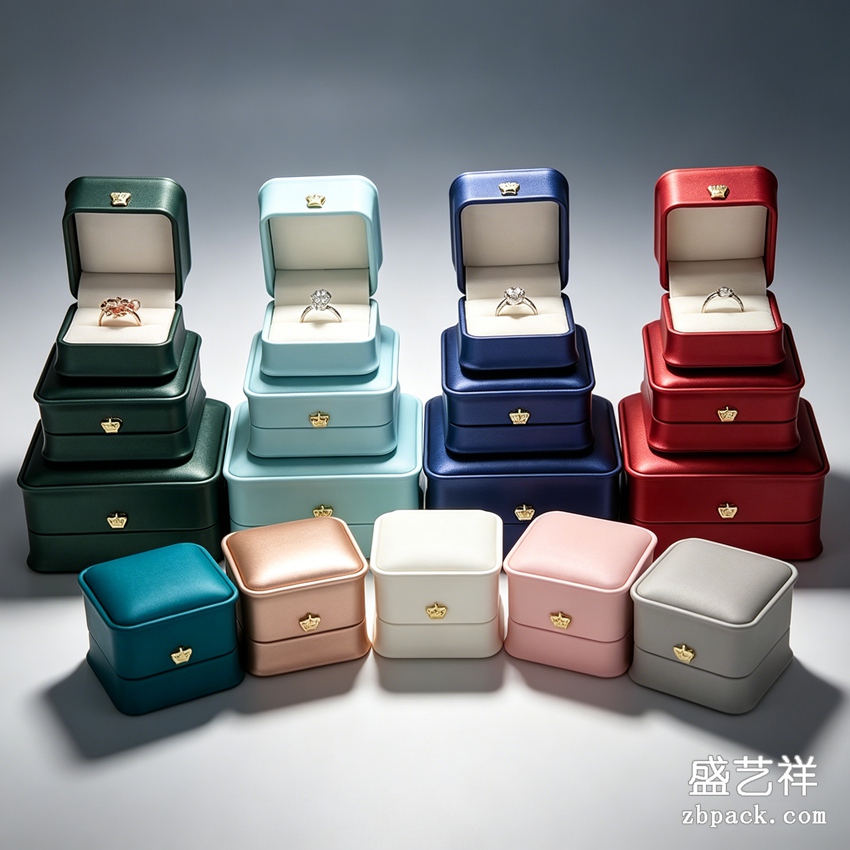
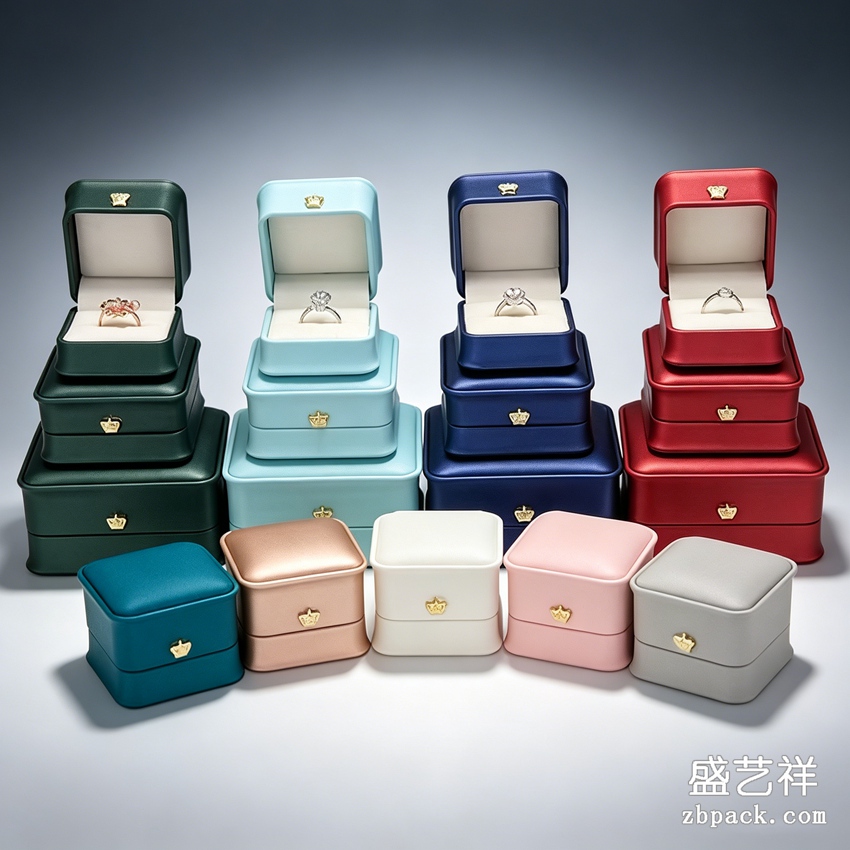
按扣的风格要与盒型整体协调。圆角盒配圆底皇冠按扣,线条圆润一气;方盒配棱角分明的按扣造型,显得利落;翻盖多格盒按扣做小一号,避免视觉上抢戏。颜色上,金属按扣与盒面扣脚、包边五金呼应,金配金、银配银,杂色会显得刻意。以可定制的多色圆角首饰盒为例:皇冠金属按扣居中而立,内里白绒衬柔软护件,盒面可选九色绒面,按扣颜色随盒面深浅调配——浅色盒配亮金扣,深色盒配古铜或玫瑰金扣,整体感立刻出来。同系列还有金边红纹盒(ZBH12)、藏青金边盒(ZBH13)与八角绒布盒(ZBH11),按扣统一、手感一致,适合整套下单。
闭合处的体验,是盒子的门面
一只首饰盒的用料好坏,顾客未必说得清,但按扣松紧、回弹快慢、声音是否干脆,手指记得住。闭合处的每一分工序——弹簧的力度、底座的固定、电镀的均匀,最终都落在“咔哒”那一声上。定制首饰盒时,把按扣当作与盒身同等重要的部件来对待,问材质、问力度、问固定方式,成品的手感才对得起盒里的珠宝。盛艺祥专注珠宝包装与首饰盒定制,皇冠按扣、翻盖与多格盒型可按首饰品类定制绒衬与配色,欢迎提供盒型尺寸咨询配套方案。
原创声明:本文由深圳盛艺祥(zbpack.com)原创,欢迎转载,请注明出处。专业首饰盒定制,欢迎咨询:https://www.zbpack.com
The closure of a jewellery box is the customer's first "handshake" with the packaging: the lid is raised, the fingertip meets the little snap, and with a click the box opens or closes. This action happens dozens of times a day - whether it feels smooth, clicks sharply and stays firm over long use directly shapes the overall impression of the box. The crown snap is a classic type of closure in jewellery boxes: it looks like a small crown, presses down with a clean rebound, and can be customised in colour and plating, making it popular among jewellery box and gift box clients. Understanding the materials and feel of closures is the first step before making a custom order.
Three forms of the snap: press, flap and magnetic
Closure snaps look alike but actually fall into three types. The press crown snap is the most common: the key rises above the surface, a finger press opens it, the click is crisp and it looks like a small badge standing on the box - suitable for ring boxes and pendant boxes that open frequently. The flap snap is common on multi-compartment boxes: the whole lid flips up with the snap on a side or front edge, allowing a large opening angle, which suits boxes with several display layers. The magnetic type relies on magnets, common in higher-end gift boxes: no button, no sound, just lift the lid - clean and quick. There is no winner among the three: choose by frequency of use, box size and target customers. On colour, gold plating is the most versatile, silver is crisp and matte black suits men's and business gift boxes; even plating with no bubbles is the basic requirement.
Spring and rebound: the core of the snap feel
What makes a snap feel good lies in the spring and the rebound mechanism. The pressing force should be moderate: too tight and the customer presses twice without opening and starts to pry, damaging the lid edge; too loose and the snap is meaningless, with the box coming open in the bag. A good snap rebounds sharply, with a short travel and a clean sound and no sluggish drag. The rebound mechanism works with how the lid is held: single-snap boxes use a centre spring; double-snap boxes (common in long boxes) require both sides to rebound together - if one side opens first and the other sticks, the feel is ruined, which is why long jewellery boxes demand higher precision in snap installation. Factories run a specific force check during assembly: every snap is pressed and tested, and any with an unqualified rebound goes back for rework, so the boxes that leave the factory feel consistent - opening ten boxes equals opening one in experience.
Base and fixing: the snap is not just "stuck on"
How the snap base connects to the box body decides how long it lasts. There are two common fixings: riveting and gluing. Riveting presses the metal base through the box surface and locks it, firm and durable, suitable for frequently opened daily-use boxes, at the cost of extra steps and slightly higher cost; gluing attaches the base with 3M tape or hot-melt adhesive pressed onto the surface - simple and low cost, suitable for thin boxes and small-batch customisation, but adhesive weakens under heat and moisture and may loosen over long use. Medium and higher-end boxes mostly use riveting, or a double safeguard of gluing plus a locating groove: the mould on the box surface has a recessed slot, the snap drops into the slot and is then glued, so the position never shifts and the force is evenly distributed. When customising, do not only look at the shape of the snap - ask about the base type and fixing method, because the difference in closure life is hidden in these invisible few millimetres.
Matching the box: round-corner, flap and multi-compartment
The snap style should harmonise with the whole box. A round-corner box pairs with a rounded crown snap for a smooth line; a square box with an angular snap looks neat; on flap multi-compartment boxes a smaller snap avoids stealing the show. On colour, metal snaps should echo the corner fittings and edge hardware: gold with gold, silver with silver, and mixed colours look deliberate. Take the customisable multi-colour round-corner jewellery box as an example: a crown metal snap stands centre, white velvet lining protects the pieces softly, and the box surface offers nine velvet colours, with the snap colour matched to the depth of the surface - bright gold on light boxes, bronze or rose gold on dark ones, and the overall look comes together instantly. The same range also includes the gold-edged red-pattern box (ZBH12), the navy gold-edge box (ZBH13) and the octagonal velvet box (ZBH11), with consistent snap styles and feel, so several models displayed together still look orderly - ideal for ordering as one custom set.
The feel of the closure is the face of the box
A customer may not be able to say exactly what material the box is made of, but the tightness of the snap, the speed of the rebound and the crispness of the sound - the fingers remember. Every step at the closure - the force of the spring, the fixing of the base, the evenness of the plating - finally lands in that one "click". When customising jewellery boxes, treat the snap as a part as important as the box body: ask about material, force and fixing, and the finished feel will do justice to the jewellery inside. Sheng Yixiang focuses on jewellery packaging and jewellery box customisation; crown snaps, flap and multi-compartment box types can be matched with custom velvet lining and colours for your jewellery. Welcome to discuss a solution with your box dimensions.
Original statement: This article is original by Shenzhen Sheng Yixiang (zbpack.com). Credit appreciated when sharing. Professional jewellery box customisation, welcome to visit: https://www.zbpack.com