彩宝晋级避险资产 Colored Gemstones Become Luxury's New Safe Haven
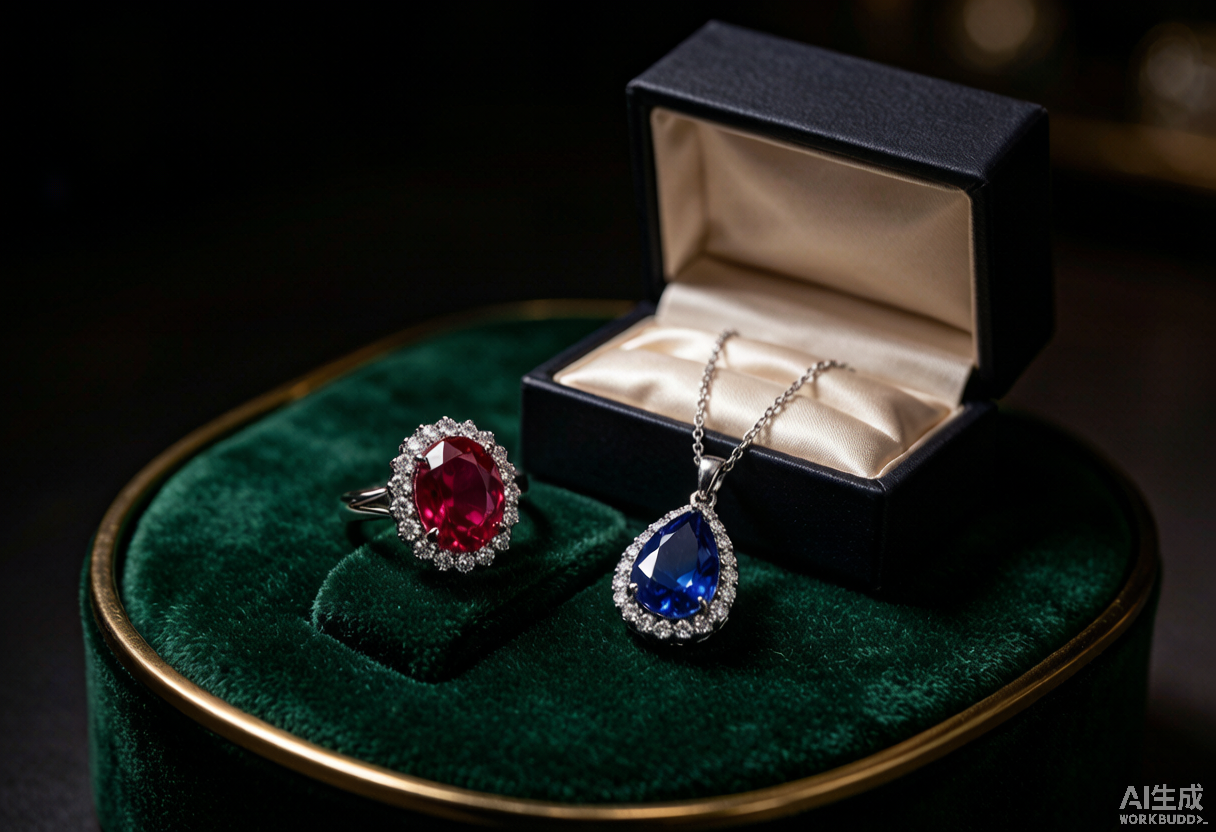
2026年伊始,珠宝圈最热闹的一幕不在门店,而在拍卖行与宝石展的交易桌上:Gemfields 红宝石原石拍卖多轮火爆收槌,佳士得公开预警彩色宝石需求激增,缅甸、斯里兰卡、哥伦比亚等核心产区供给持续收缩。一场由稀缺性驱动的涨价潮正席卷全球——彩宝原料价格同比上涨超过30%,高品质品种的涨幅甚至翻倍。曾经躺在珠宝柜台角落的“小众配饰”,正被重新定义为一种资产。
从配饰到资产:高净值人群的新选择
数字最能说明问题。行业研究机构预计,2026年全球彩色宝石市场规模将达到约360亿美元,较2021年的220亿美元增长超过六成;中国市场同样凶猛,预计今年将触及450亿元人民币。更值得玩味的是资金结构的变化:根据贝恩公司与胡润研究院联合发布的2025—2026财富报告,全球高净值人群在珠宝与彩色宝石上的资产配置比例,已从三年前的3%大幅提升至8%,成为增速最快的另类资产之一;与之对应,传统房产配置比例从42%降至35%。当黄金价格高位盘整、公开市场波动加剧,体积小、价值密度高、便于传承的顶级彩宝,正式进入家族资产配置清单。
拍场屡创天价,“无烧”成为硬通货
拍卖市场是这轮行情最直观的温度计。2026年佳士得日内瓦“瑰丽珠宝”专场上,一枚 Chaumet 出品的22.28克拉无烧克什米尔蓝宝石戒指以274.4万瑞郎成交;宝格丽9.82克拉克什米尔蓝宝石突破136万瑞郎;海瑞温斯顿镶嵌的76.39克拉素面蓝宝石拍出176.8万瑞郎。伦敦一枚卡地亚克什米尔蓝宝石胸针更以34万英镑落槌,超出估价325%。据统计,苏富比、佳士得珠宝专场中顶级彩宝的溢价率,已从早年的20%攀升至50%以上。市场同时在急速分层:无烧缅甸鸽血红的价格可达同等观感有烧石的3倍,“无烧、无油、有名产地、有权威证书”正在成为新的硬通货标准。2026年1月1日起,GIA 将产地鉴定服务扩展至更多宝石品类,可信溯源带来的15%—20%产地溢价,让“证书叙事”第一次拥有了明确的定价权。
年轻人接棒:彩宝抢走钻石的C位
这轮行情的另一台发动机是消费端的代际更替。受培育钻石冲击与消费观念转变影响,天然钻石在珠宝市场的份额已从70%下滑至55%;被挤压的传统品牌大批转向彩宝——周大福、周生生、潮宏基等头部品牌的彩宝营收占比,已从早年约15%快速提升至25%—30%,年增速普遍超过35%。中宝协2025年消费数据显示,90后、00后已占珠宝消费的47%,直播电商贡献了62%的增量成交。年轻一代不再迷信“钻石恒久远”的单一叙事,他们要的是颜色、个性与故事——红宝石的炽烈、帕拉伊巴的霓虹蓝、Mahenge 尖晶石的荧光粉,都比标准化的白钻更能表达自我。
当宝石成为资产,呈现方式也在升级
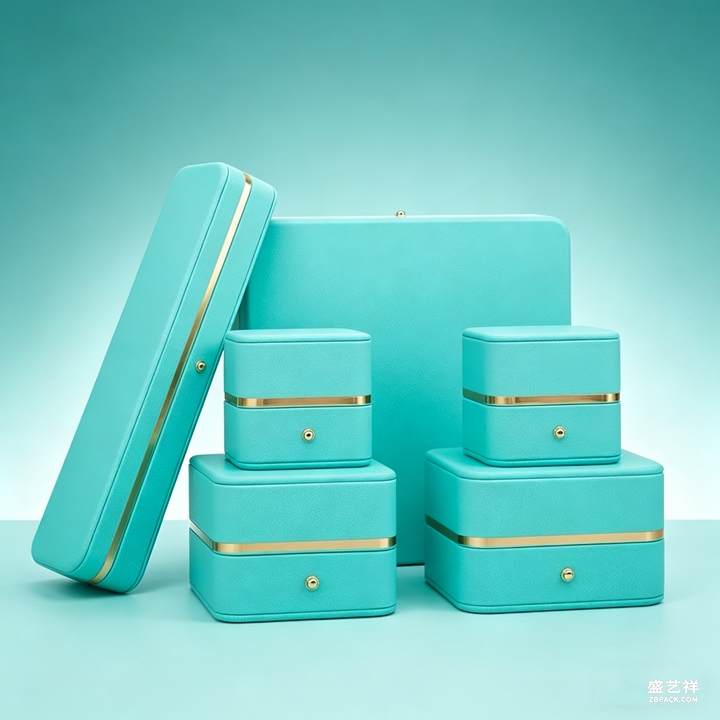
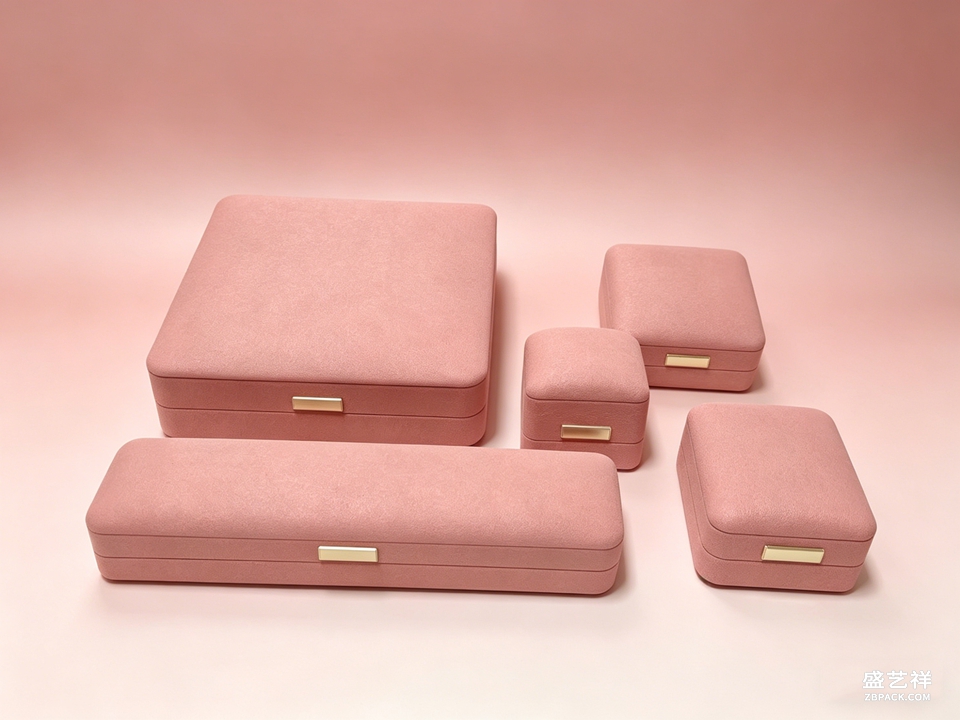
一个有趣的连锁反应正在零售终端发生:当一颗宝石的单价迈过六位数,它的“亮相方式”就不再是细节,而是价值叙事的一部分。越来越多彩宝商与品牌门店开始重金投入珠宝摆台与陈列体系——深色天鹅绒衬托红宝石的浓艳、定向射灯还原祖母绿的“花园”、可旋转展示位呈现帕拉伊巴的霓虹感;交付环节则流行“证书+珠宝盒定制+专属首饰袋”的三件套逻辑,让藏家从开盒那一刻就确认这是一件值得传承的资产。在盛艺祥服务的高端珠宝客户中,这类为单颗重磅彩宝定制包装与陈列方案的需求,过去一年明显升温——这恰恰印证了行业共识:宝石的稀缺性由地质决定,而它的仪式感,由呈现决定。
写在最后
需求暴增、供给收缩、货币宽松三重因素叠加,顶级彩宝已进入“越涨越买、越买越缺”的循环。但热潮之下仍需冷静:彩宝的投资门槛远高于黄金,产地、处理、克拉、证书、流通性五大指标缺一不可。对普通消费者而言,与其追逐投资神话,不如先买下那一抹真正打动自己的颜色——毕竟,能天天佩戴的资产,才是珠宝最迷人的地方。
本文为原创内容,版权归盛艺祥所有。如需转载请注明出处。
盛艺祥(Shengyixiang)——高端珠宝包装设计与定制专家,为品牌护航。
The hottest scene in jewelry this year is not on the shop floor — it is at the auction table. Gemfields' ruby rough auctions opened 2026 with runaway results, Christie's has publicly flagged surging demand for colored stones, and supply from core origins — Myanmar, Sri Lanka, Colombia — keeps tightening. The result is a scarcity-driven price wave sweeping the globe: rough colored gemstone prices are up more than 30% year on year, with top-quality material doubling. The “niche accessory” in the corner of the jewelry counter is being redefined as an asset class.
From Accessory to Asset
The numbers tell the story. Industry researchers expect the global colored gemstone market to reach roughly US$36 billion in 2026, up from US$22 billion in 2021. China alone is projected to hit RMB 45 billion this year. More telling is where the money comes from: according to the 2025–2026 wealth report by Bain & Company and Hurun, high-net-worth individuals worldwide have lifted their allocation to jewelry and colored gemstones from 3% three years ago to 8% today — one of the fastest-growing alternative assets — while real estate allocations slid from 42% to 35%. With gold hovering at record highs and equities volatile, small, dense, portable stores of value like fine gems are officially on the family-office shopping list.
Record Hammers and the “No-Heat” Premium
Auctions are the clearest thermometer. At Christie's Geneva Magnificent Jewels in 2026, a 22.28-carat unheated Kashmir sapphire ring by Chaumet fetched CHF 2.744 million; a 9.82-carat Bulgari Kashmir sapphire crossed CHF 1.36 million; a 76.39-carat cabochon sapphire mounted by Harry Winston sold for CHF 1.768 million. In London, a Cartier brooch set with a Kashmir sapphire hammered at £340,000 — 325% above estimate. Premiums for top colored stones at Sotheby's and Christie's have climbed from around 20% in earlier years to over 50%. The market is also stratifying fast: an unheated Burmese ruby can command three times the price of a heated stone of similar appearance, making “no heat, no oil, prestigious origin, trusted certificate” the new hard currency. Since January 1, 2026, GIA has extended country-of-origin services to a far wider range of gems, and verified provenance now justifies a 15–20% premium — the certificate has, for the first time, real pricing power.
A Generational Handover
The other engine is demographic. Squeezed by lab-grown diamonds and shifting values, natural diamonds' share of the jewelry market has slipped from 70% to 55%. Legacy brands are pivoting hard into color: leading Chinese houses such as Chow Tai Fook and Chow Sang Sang have grown colored-stone revenue from about 15% of sales to 25–30%, expanding at over 35% a year. Consumers born after 1990 now account for 47% of jewelry purchases in China, with livestream commerce driving 62% of incremental sales. This generation is unmoved by the single story of “a diamond is forever” — they want color, character and narrative: the blaze of ruby, the neon of Paraiba, the fluorescent pink of Mahenge spinel.
When Stones Become Assets, Presentation Levels Up
A telling chain reaction is unfolding at retail: once a single stone crosses six figures, how it is presented stops being a detail and becomes part of the value narrative. Dealers and boutiques are investing heavily in display props and staging — deep velvet to saturate a ruby's red, directional spotlights to reveal an emerald's jardin, rotating mounts to catch Paraiba's neon glow. At handover, the ritual now follows a three-piece logic: certificate, custom jewelry box, dedicated jewelry pouch — so the collector knows, from the moment of unboxing, that this is an heirloom-grade asset. At Shengyixiang, requests for bespoke presentation and display solutions built around a single important colored stone have risen markedly over the past year — proof of an industry consensus: geology decides a gem's rarity, but presentation decides its sense of occasion.
The Bottom Line
Booming demand, shrinking supply and loose money have locked top gems into a cycle of “the more they rise, the more they are bought.” Yet caution is warranted: colored stones demand far more expertise than gold — origin, treatment, carat, certification and liquidity all matter. For most buyers, the wisest move is simpler: buy the color that genuinely moves you. An asset you can wear every day is, after all, jewelry's most seductive promise.
This is original content. Copyright belongs to Shengyixiang.
Shengyixiang — your expert in high-end jewelry packaging design & customization.