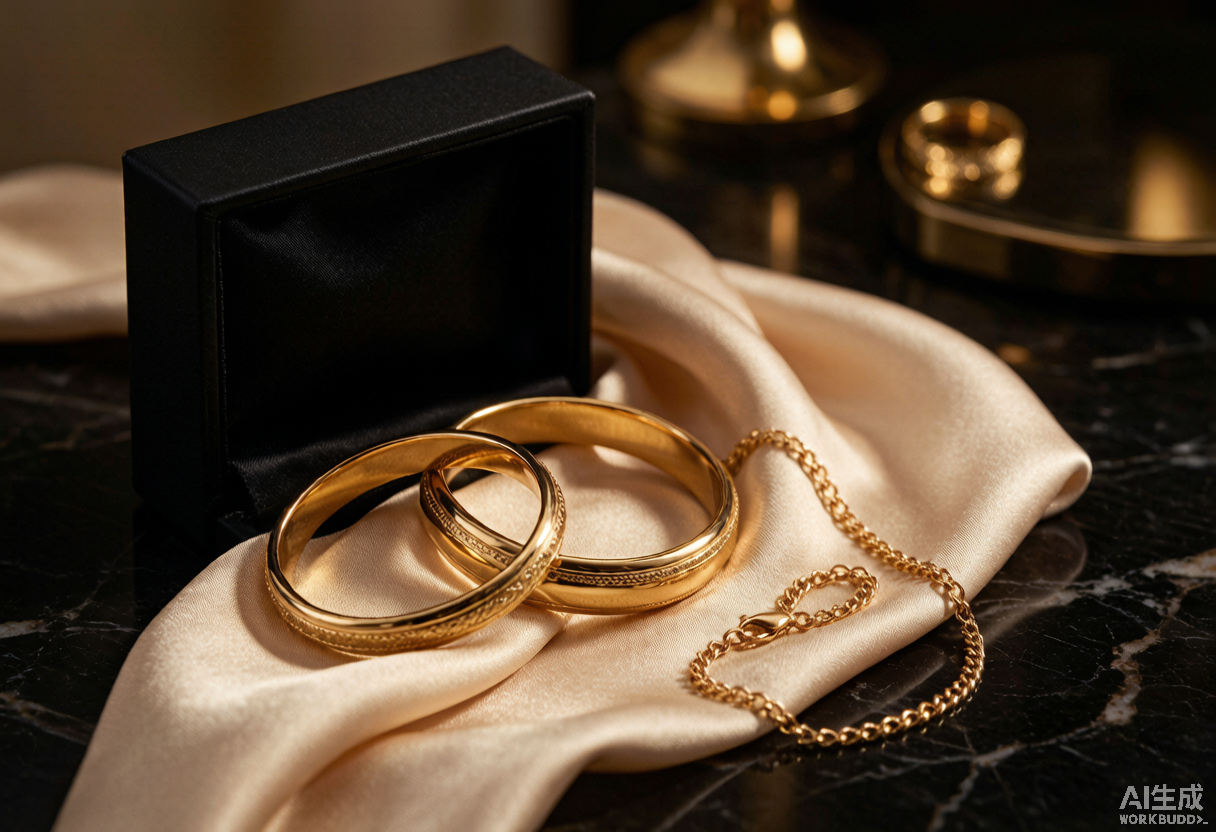
金价退潮行业分层 Gold's Retreat Splits the Jewelry Market in Two
过去两年,黄金几乎是珠宝行业唯一的主角。2026 年上半年,这位主角忽然换了剧本。
1 月,国际金价冲上每盎司 5594.77 美元的历史峰值,国内足金饰品挂牌价一度站上 1030 元/克,深圳水贝市场的金饰克价甚至突破 1400 元。随后行情掉头向下:6 月单月跌幅达 10.45%,创下 2008 年 10 月以来的最大单月跌幅;7 月 10 日国内现货黄金收于 895.57 元/克,较上海黄金交易所 AU9999 年内 1256 元/克的高点回落逾 25%。7 月下旬,国际金价在 4000 至 4130 美元区间反复拉锯,机构普遍认为下半年将在 3800 至 4200 美元宽幅震荡——单边上涨的红利时代,结束了。
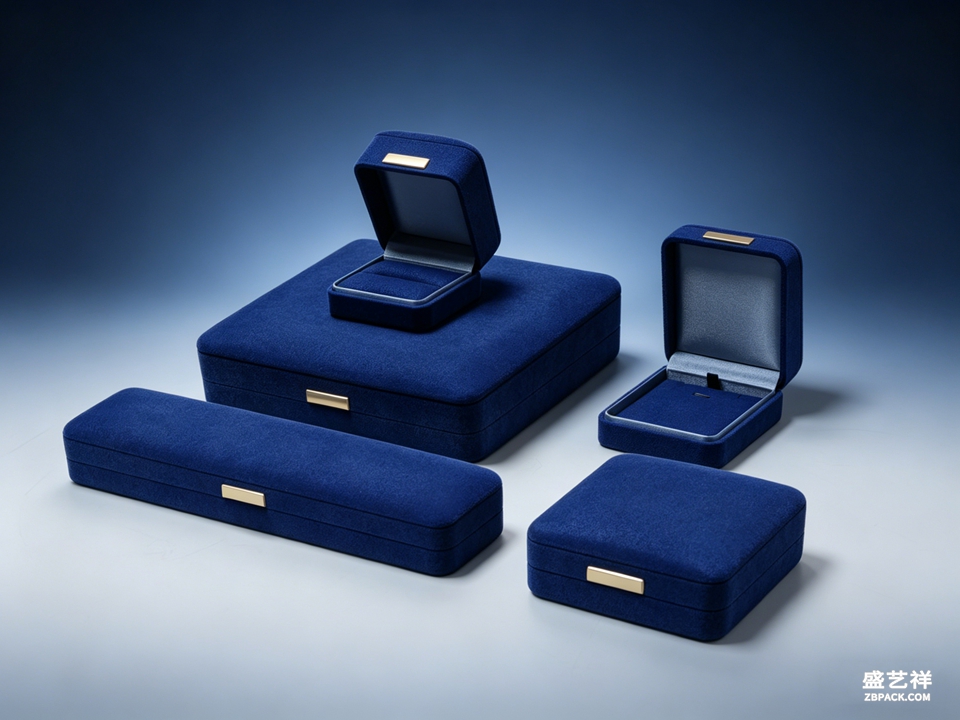
降价没有换来抢购
按常理,金价便宜了,生意该好做。现实恰恰相反。以婚嫁传统"三金"50 克计算,现在购买比年初省下约 1.8 万元,可门店里排队抢购的场面早已消失。深圳水贝多位商家反馈,今年销量同比下滑约 15%;中国黄金协会数据显示,一季度金饰消费同比下降 37%,而投资金条需求逆势增长 46%。世界黄金协会的统计更直白:二季度中国黄金总需求 155 吨,同比减少 41%,为 2022 年以来最疲软的二季度。
"买涨不买跌"四个字,道尽了当下的消费心理。但把一切归因于观望并不准确——真正发生变化的,是消费结构。走访显示,订单正集中在婚庆刚需与几克到十几克的小克重款式,大克重金饰销量明显下滑;门店成交单数同比上升,客单克重却大幅下降。周大福最新季度(2026 年 4 月 1 日至 6 月 30 日)经营数据印证了这一点:金价回落刺激按克计价金饰需求,带动零售值增长 21%。曾在上行周期里风光无两的"一口价"金饰,如今则普遍打折促销,且折后克价仍高于计价产品。
消费者学会了算账
比销量更值得关注的,是消费者心态的成熟。越来越多人意识到,"一口价"金饰的售价由原料金价、品牌溢价与手工费三部分构成,而回购时只按原料金价结算——工费与溢价无法变现。这笔账一旦算清,购买逻辑就从"囤金保值"转向了两条清晰的岔路:纯投资的人去买金条,为悦己而买的人则愿意为设计、工艺与文化含量支付溢价。
这意味着品牌不能再靠行情吃饭。周大生、潮宏基等企业正在加速向毛利率可达 30% 的高端产品线转型,用设计语言和文化叙事对冲金价波动。老铺黄金 2025 年 273.03 亿元营收、同比增长 221% 的成绩,本质上也是"把黄金卖成奢侈品"的胜利,而非金价的胜利。
钻石端同样在重置
分化并非黄金独有。7 月的看货会上,戴比尔斯下调毛坯钻官方报价,并将合约买家名单从约 70 家缩减至 45 至 50 家,让官方价终于回落到二级市场的实际成交水平;调整之后销量随即回升,其一季度收入 6.48 亿美元、640 万克拉,同比增长 25%。零售端的信号更积极:美国约 950 家独立珠宝零售商的 POS 数据显示,一季度天然钻销售额同比增长 9%,平均客单价上涨 25%,Z 世代已成为第二大购买世代。
与此同时,价值层的日子并不轻松。Signet 正在推进包含约 100 家门店关闭在内的重组,并关停旗下 James Allen;Pandora 因金银价格波动,下半年将把铂金电镀产品推入门店。高端复利增长、拍卖与二手市场火热,中端与价值层则忙着控本与替换材质——这就是行业内所说的"两速市场"。
当克重让位于叙事
把这些碎片拼起来,一条主线清晰可见:黄金正从"投资标的"回归"情感消费品",珠宝的竞争也从原料价格转向价值感知。当同样的克重在不同品牌手里能卖出成倍价差,差距就来自设计、工艺、故事,以及顾客从走进门店到打开盒盖的完整体验。
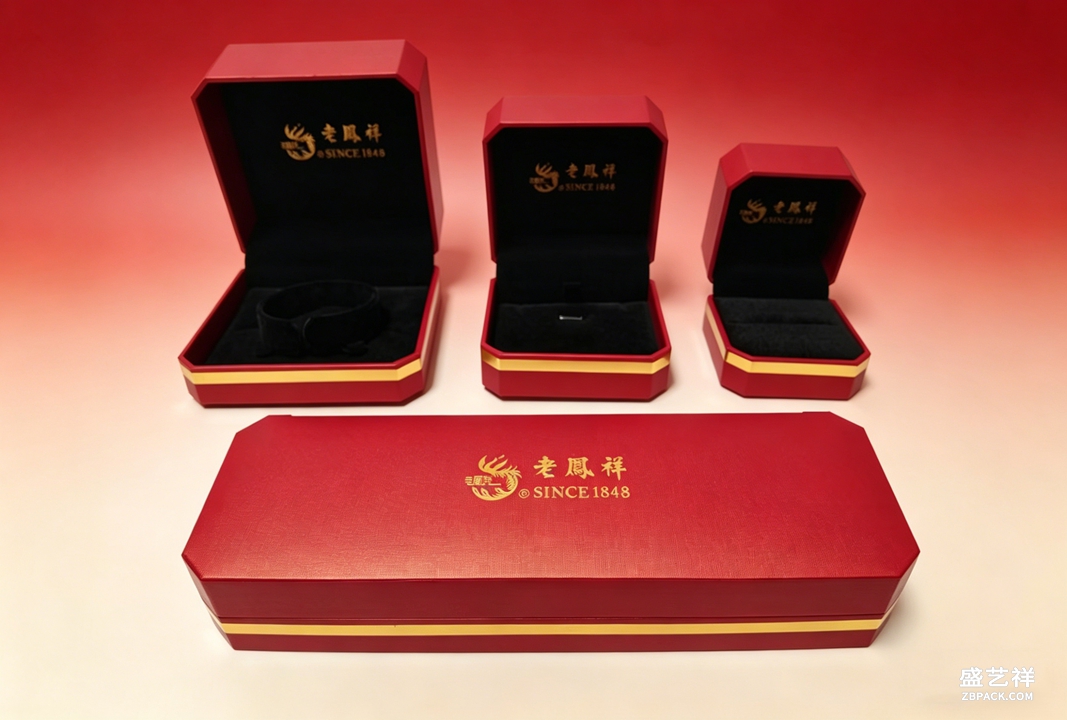
这也解释了为什么越来越多品牌开始重新审视"呈现"这一环。柜台里的光线角度、饰品包装盒的开合手感、绒面托盘对金色的还原度,都在替产品完成最后一次说服。做首饰盒批发的同行明显感到,订单正从"够用就行"转向小批量、多规格、强质感的定制需求;有能力做结构与材质开发的珠宝盒工厂,反而在行业下行周期里拿到了更好的单子。以盛艺祥为例,其服务的品牌客户近半年最常提出的诉求,已不再是"降本",而是"让顾客愿意把盒子留下来"。
金价还会波动,这已成为新常态。但对珠宝行业而言,真正的分水岭不在盘面,而在于品牌是否能在原料红利消退后,讲出一个值得付费的故事——并把它完整地交到顾客手上。
本文为原创内容,版权归盛艺祥所有。如需转载请注明出处。
盛艺祥(Shengyixiang)——高端珠宝包装设计与定制专家,为品牌护航。
For two years, gold was the only story the jewelry trade wanted to tell. In the first half of 2026, that story flipped.
Gold peaked in January at an intraday high near $5,595 an ounce. By July it was trading between $4,000 and $4,130, roughly 25 percent off the top, with June alone down 10.45 percent — the steepest monthly drop since October 2008. In China, spot gold closed at 895.57 yuan per gram on 10 July, against a year-high of 1,256 yuan on the Shanghai Gold Exchange. Analysts now expect a wide $3,800–$4,200 range for the rest of the year. The era of one-way gains is over; volatility itself has become the industry's baseline.
Cheaper gold did not bring buyers back
Logic says lower prices should lift sales. The opposite happened. A traditional Chinese bridal set of 50 grams now costs about 18,000 yuan less than in January, yet the queues that defined 2025 have vanished. Merchants in Shenzhen's Shuibei market report volumes down around 15 percent year on year. China Gold Association data shows first-quarter jewelry consumption falling 37 percent while investment bar demand jumped 46 percent. The World Gold Council counted total second-quarter Chinese demand at 155 tonnes, down 41 percent and the weakest Q2 since 2022.
"Buy the rally, avoid the dip" explains part of it, but the deeper shift is structural. Orders are concentrating in bridal essentials and light pieces of five to fifteen grams, while heavier items slow. Transaction counts are rising even as average grams per customer fall. Chow Tai Fook's latest quarter (1 April–30 June 2026) confirms the pattern: softer gold prices revived demand for gram-priced jewelry and lifted retail value 21 percent. Fixed-price gold pieces, the stars of the bull market, are now discounted — and still cost more per gram than weight-based alternatives.
Shoppers learned to do the math
The most consequential change is not volume but sophistication. Consumers now understand that a fixed-price piece bundles raw metal, brand premium and craftsmanship fees, yet buybacks settle on metal value alone. Once that calculation becomes common knowledge, purchasing splits cleanly: pure investors buy bars, while self-purchasers pay willingly for design, craft and cultural meaning.
Brands can no longer live off the spot price. Chinese players such as Chow Tai Seng and CHJ Jewellery are accelerating into higher-margin lines where gross margins reach 30 percent, hedging metal swings with design and narrative. Laopu Gold's 27.3 billion yuan in 2025 revenue, up 221 percent, was a victory of positioning — selling gold as luxury — not of the commodity cycle.
Diamonds are resetting too
The divergence extends beyond gold. At its July sight, De Beers cut official rough prices and trimmed its contracted buyer roster from about 70 to between 45 and 50, finally aligning book prices with what dealers were actually paying. Sales rose once the reset landed; first-quarter revenue reached $648 million across 6.4 million carats, up 25 percent. Retail signals are healthier than the headlines suggest: point-of-sale data from roughly 950 independent US jewelers showed natural diamond sales up 9 percent in Q1, average prices up 25 percent, and Gen Z emerging as the second-largest buying generation.
The value tier tells a harsher story. Signet is closing around 100 doors and shutting its James Allen banner; Pandora will roll platinum-plated pieces into stores in the second half after metal volatility upended its costing. High-end compounds, auctions run hot, and the middle cuts costs. That is a two-speed market.
When grams give way to storytelling
One thread runs through all of it. Gold is returning from investment vehicle to emotional purchase, and competition is moving from raw material cost to perceived value. When identical weight sells for multiples depending on the name on the box, the gap lives in design, craft, provenance — and the experience a customer has from entering the store to lifting the lid.
That is why presentation has quietly become a strategic line item. Lighting angles in the vitrine, the closing action of a jewelry gift box, how faithfully a velvet tray renders warm gold: each does part of the final persuasion. Suppliers in jewelry box wholesale report orders shifting from "good enough" to small-batch, multi-spec, tactile customization, while jewelry box factories capable of structural and material development are winning better briefs in a down cycle. At Shengyixiang, the most common client request over the past six months is no longer cost reduction but a simple ambition: make the customer want to keep the box.
Gold will keep swinging — that is the new normal. But the real dividing line for jewelry brands is no longer the chart. It is whether they can tell a story worth paying for once the commodity tailwind fades, and hand it to the customer intact.
This is original content. Copyright belongs to Shengyixiang.
Shengyixiang — your expert in high-end jewelry packaging design & customization.