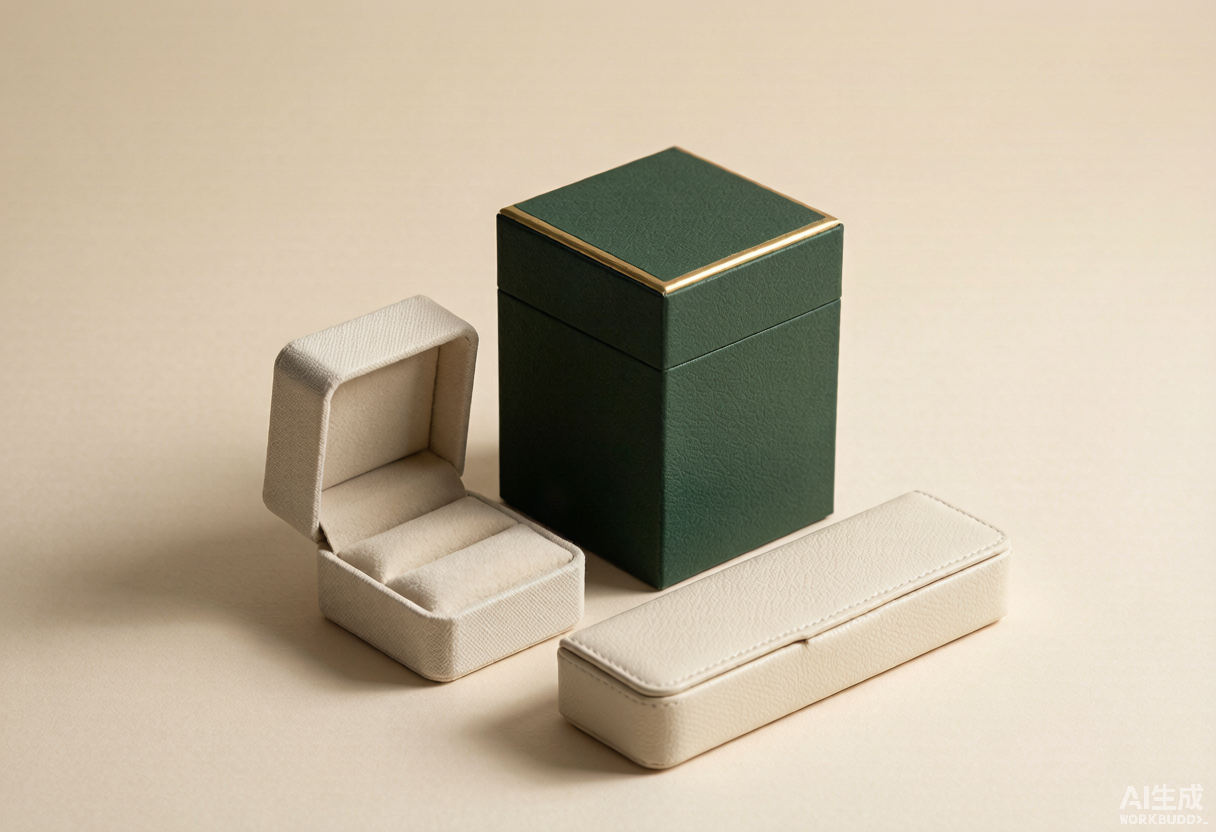
腕表小型化成主流 Smaller Watches Signal a Maturing Luxury Collector Market
过去十年,腕表行业信奉一条朴素的逻辑:更大、更厚、更有存在感。44 毫米一度是入门线,42 毫米被嫌"秀气"。而 2026 年日内瓦"表与奇迹"展场上,最被反复讨论的数字却在往下走——37、36、34 毫米。表径缩小,看似只是设计口味的轮回,实则是一场关于"谁在买表、为什么买表"的结构性换血。
先看数据:不是萎缩,是极化
瑞士表出口在过去两年对中国大陆市场累计下滑 34.8%,这个数字足以让任何品牌区域总监失眠。但同期另一组数据方向相反:2026 年 2 月瑞士表出口同比增长 9.2%,动力主要来自美国、日本与法国。两个数字放在一起,讲的不是"行业不行了",而是行业在重新分层。
更准确的描述是极化:入门端与顶端同时扩张,中间地带被挤压。品牌一边推出更小表径、更多钢壳的可及性产品,一边把叙事与利润集中在高复杂功能与稀有材质上。夹在中间、既不便宜也不稀缺的型号,正在失去存在理由。
二手市场:投机退场,收藏归位
二手行情是这轮换血最直白的体温计。自 2022 年 5 月投机顶点起,二级市场经历了连续十一个季度的价格修正,仅 2024 年一年就再跌 5.7%。到 2026 年,市场进入一个业内称为"后修正、前复苏"的阶段:价格在窄区间内企稳,买卖价差收窄,富艺斯与苏富比一季度钟表拍卖成交率回到 80%–85% 的健康区间。
值得注意的是结构性差异。劳力士、百达翡丽、爱彼三家仍占据全球二手市场约 64% 的价值总量;2026 年初数据显示,56% 的劳力士型号、63% 的爱彼型号、约 38% 的百达翡丽型号,二手成交价仍高于原始零售价。而那些靠社交媒体热度冲上去的联名与限量款,则持续跑输大盘。市场在奖励产能克制、历史积淀与真实稀缺,不再奖励话题度。
政策变量同样在改写价格坐标。美国把瑞士表进口关税从 39% 下调至 15% 后,美国零售需求明显回暖;百达翡丽罕见地在 2026 年 2 月 1 日对美国官方指导价整体下调约 8.5%。而劳力士在 1 月对钢款上调约 5.6%,Daytona 126500LN 官方价来到 16,900 美元,二手成交仍稳在 22,000–28,000 美元区间。
尺寸革命背后,是被认真对待的女性藏家
小型化不是"把男表缩小"。宝格丽 Octo Finissimo 推出 37 毫米版本,为塞进更小的表壳,重新设计了自动机芯、体积压缩 20%,三天动力储存与超薄轮廓一项没减——这叫机芯平权,不是配置降级。梵克雅宝 38 毫米 Heure d'Ici et Heure d'Ailleurs 以干邑色珐琅面盘搭双时区,定价 48,000 美元;劳力士以自研 Jubilee Gold 合金推出蚝式恒动星期日历 40,配春绿砂金石面盘,62,700 美元。
30 至 37 毫米正在成为新的甜蜜区间。柜台上,31 毫米日志型、36 毫米蚝式恒动、37 毫米皇家橡树可以并排陈列而不必标注性别。当零售话术从"这是女表"变成"这枚机芯的保养周期与长期价值如何",行业才算真正把女性当成藏家。
独立制表上桌,中国藏家改写"价值"定义
爱彼时隔六年重返日内瓦,与劳力士、百达翡丽同场;亨利慕时的在场,标志独立制表已从"另类选项"变为生态核心;中国独立品牌 Behrens 首次亮相。这些变化共同指向一件事:藏家变懂了。中国消费者的选择正从"识别度"转向知识、稀缺性与叙事——他们想知道一枚表为何存在,而不只是它值多少钱。
被低估的细节:全套,决定最后两成价值
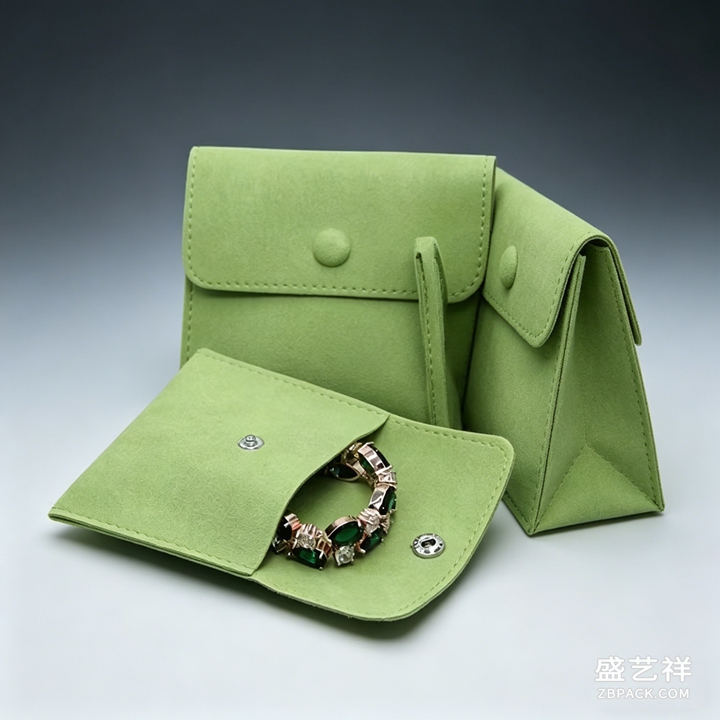
有一条常被忽略的硬规律:原盒、卡片、保单齐全的"全套"(full set),在二手交易中普遍带来 20%–30% 的溢价,未抛光原厂状态同样溢价。一只表最后两成的价值,往往不在机芯里,而在那只被妥善保存的盒子里。
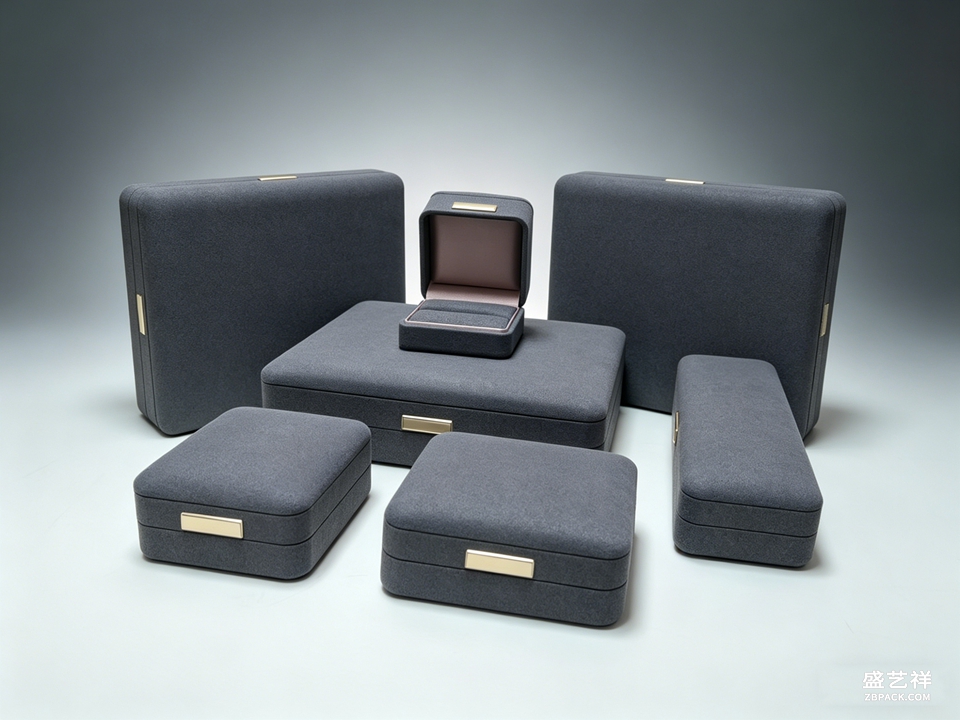
这解释了为什么高端品牌越来越把手表盒当作产品的一部分来设计——它既是运输容器,也是保值凭证与开箱体验的载体。同理,当门店把陈列逻辑从"塞满柜台"改为"按手腕尺度呈现",珠宝陈列道具的托台高度、绒面反光率、聚光角度,都会直接影响顾客对一枚 36 毫米表壳的价值判断。小尺寸的东西更依赖精准呈现。
盛艺祥长期为高端腕表与珠宝品牌提供包装与呈现方案,把珠宝包装设计当作品牌叙事的最后一厘米来做。当行业从"看谁的表大"转向"看谁的表对",这类看不见的功夫反而成了专业与业余的分水岭。
结语
腕表尺寸在缩小,市场成熟度在上升。这轮调整挤掉的是投机泡沫,留下的是真实收藏需求、被认真对待的女性藏家,以及一批终于被平视的独立制表师。对品牌而言,接下来比的不再是谁的表盘更抢眼,而是谁能在每个细节上让消费者觉得"这钱花得明白"。
本文为原创内容,版权归盛艺祥所有。如需转载请注明出处。
盛艺祥(Shengyixiang)——高端珠宝包装设计与定制专家,为品牌护航。
For a decade, the watch industry ran on a simple premise: bigger is better. Forty-four millimetres was an entry point; forty-two was considered restrained. Yet at Watches and Wonders Geneva 2026, the numbers everyone kept repeating were moving in the opposite direction — 37, 36, 34. Shrinking case sizes look like a cyclical swing in taste. They are something more consequential: a structural shift in who buys watches, and why.
The data: not shrinking, polarising
Swiss watch exports to mainland China have fallen 34.8% on a compound basis over two years — a figure severe enough to keep any regional director awake. Yet in February 2026, Swiss exports rose 9.2% year-on-year, driven by the United States, Japan and France. Read together, these numbers do not describe an industry in decline. They describe an industry re-stratifying.
Polarisation is the more accurate word. Entry-level accessibility and high-end complexity are expanding simultaneously while the middle compresses. Brands are pushing smaller cases, steel constructions and simpler complications at one end, and concentrating storytelling and margin at the other. References that are neither affordable nor scarce are quietly losing their reason to exist.
The secondary market: speculation out, collecting back in
Resale values are the clearest thermometer of this transition. Since the speculative peak of May 2022, the secondary market has endured eleven consecutive quarters of correction, with prices falling a further 5.7% in 2024 alone. By 2026, the market has entered what dealers describe as post-correction and pre-recovery: prices have stabilised in narrow bands, bid-ask spreads have compressed, and first-quarter watch sales at Phillips and Sotheby's have returned to healthy sell-through rates of 80% to 85%.
The structural detail matters more than the headline. Rolex, Patek Philippe and Audemars Piguet still account for roughly 64% of global secondary market value. Early-2026 data shows 56% of Rolex references, 63% of Audemars Piguet references and around 38% of Patek Philippe's catalogue still trading above original retail. Meanwhile, the limited editions and collaborations that rose on social media momentum continue to underperform. The market is rewarding production discipline, heritage and genuine scarcity — not engagement metrics.
Policy has redrawn the price map too. After the United States cut tariffs on imported Swiss watches from 39% to 15%, American retail demand recovered visibly, and Patek Philippe took the rare step of reducing US list prices by roughly 8.5% on 1 February 2026. Rolex moved the other way, raising steel prices about 5.6% in January; the Daytona 126500LN now retails at $16,900 while unworn examples trade between $22,000 and $28,000.
Behind the size revolution: women collectors, finally taken seriously
Downsizing is not shrinking a men's watch. When Bulgari brought the Octo Finissimo to 37mm, it engineered a new self-winding movement reduced by 20% in volume rather than compromising the caliber — a three-day power reserve and the line's wafer-thin profile both intact. That is movement parity, not a de-rated version. Van Cleef and Arpels introduced the 38mm Heure d'Ici et Heure d'Ailleurs, a dual-time piece with a cognac enamel dial at $48,000. Rolex debuted its proprietary Jubilee Gold alloy on an Oyster Perpetual Day-Date 40 with a spring green aventurine dial at $62,700.
Thirty to thirty-seven millimetres is emerging as the new sweet spot. In the tray, a 31mm Datejust, a 36mm Oyster Perpetual and a 37mm Royal Oak now sit together without gender labels. When the retail conversation shifts from "this is a ladies' piece" to service intervals, movement architecture and long-term value, the industry has genuinely started treating women as collectors.
Independents arrive, and China rewrites value
Audemars Piguet returned to Geneva after a six-year absence, sharing the fair with Rolex and Patek Philippe. The presence of H. Moser and Cie. confirms that independent watchmaking is now core to the ecosystem rather than an alternative to it, and Chinese independent brand Behrens made its debut. All of this points to one conclusion: collectors have become more knowledgeable. Chinese buyers in particular are shifting from recognition toward knowledge, rarity and narrative — they want to know why a watch exists, not simply what it costs.
The underrated detail: the full set decides the last 20%
There is a market rule that is routinely overlooked and rarely broken: a full set — original box, papers and warranty card — typically commands a 20% to 30% premium on resale, as does an unpolished case. Put plainly, the final fifth of a watch's value often lives not in the movement but in the box that was carefully kept.
That explains why premium brands increasingly design the watch box as part of the product rather than as transport packaging. It functions simultaneously as protection, as proof of provenance and as the vehicle for the unboxing moment. The same logic applies in-store: when a retailer rearranges displays around wrist scale instead of filling every inch of the counter, the height of the stand, the reflectance of the suede and the angle of the spotlight all shape how a 36mm case is valued. Smaller objects depend more heavily on precise presentation.
Shengyixiang has long supplied packaging and presentation solutions to high-end watch and jewelry brands, working across material structure, closure feel, interior positioning and display compatibility — treating packaging design as the final centimetre of brand storytelling. As the industry moves from whose watch is biggest to whose watch is right, the invisible craft of packaging and display becomes the line between professional and amateur.
In closing
Watch cases are getting smaller while the market grows up. This correction has squeezed out speculation and left behind genuine collecting demand, women collectors who are finally addressed as equals, and a generation of independent makers who no longer sit at the margins. For brands, the competition ahead is not about which dial catches the eye first, but about who can make the buyer feel, in every detail, that the money was well spent.
This is original content. Copyright belongs to Shengyixiang.
Shengyixiang — your expert in high-end jewelry packaging design & customization.