首饰盒材质怎么选 How to Choose the Right Jewelry Box Material
同样一枚戒指,装在不同的盒子里,顾客愿意付的价格可能差出四成。材质不是包装的附属项,它决定了珠宝被保护得好不好、被感知得贵不贵。下面这几个问题,是采购、店主和顾客问得最多的。
问一:绒布、皮革、纸质、亚克力,首饰盒材质到底怎么挑?
先看"护饰能力"这条硬指标。行业实测对比给出的排序很直接:绒布内衬 > 皮革内衬 > 亚克力展示盒。高密度短绒天鹅绒、麂皮绒柔软不掉毛,自带轻微吸附性,能挡住浮尘、隔绝空气对流,对钻石、彩宝和 K 金细链条这类怕摩擦的品类最友好;含抑氧化成分的超纤或银绒内衬,还能延缓银饰、白 K 金发黑。
皮革(尤其头层真皮)质感高级、韧性好、防潮优于人造皮,短板是内层偏硬、缺乏缓冲,珠宝直接叠放容易留划痕——正确做法是皮革外盒搭配独立绒布托或绒布首饰袋。亚克力通透、密封性强,但透明面易留划痕、五到八年会发黄,只适合临时展示与短期摆放。纸质硬盒(裱糊纸盒、特种纸)则是礼赠与电商出货的主力,成本可控、印刷与工艺发挥空间最大,是多数品牌做视觉表达的载体。
一句话:长期收藏看实木与绒布,日常通勤看皮革,临时陈列看亚克力,品牌表达与批量出货看纸质硬盒。
问二:为什么高端简约的珠宝包装,反而更容易被顾客青睐?
这不是审美口味,是能被量化的事实。研究显示,极简包装在高端消费者中的品牌感知评分比繁复设计高出 35%,回购意愿提升 22%。中国包装联合会 2026 年《高端消费品包装趋势报告》的数字更硬:简约风礼盒在高端市场的年复合增长率已连续三年超过 25%;在单价 500 元以上的礼品包装中,以"极简、留白、环保材质"描述的设计,消费者偏好度从 2023 年的 38% 升到 2026 年的 67%。
反向数据同样说明问题——约 65% 的消费者收到层层叠叠的礼品包装时,第一反应是"浪费"而非"尊贵"。而溢价空间是实打实的:78% 的消费者会把干净克制的设计与更高的产品品质划等号,对同一件商品的支付意愿最高提升 40%;有品牌把包装负空间加大 60% 后,感知奢华价值提升 45%,价格溢价接受度提升 28%。Dieline 2025 年包装设计奖的奢侈品类十个奖项里,有六个颁给了极简作品,为历年最多。
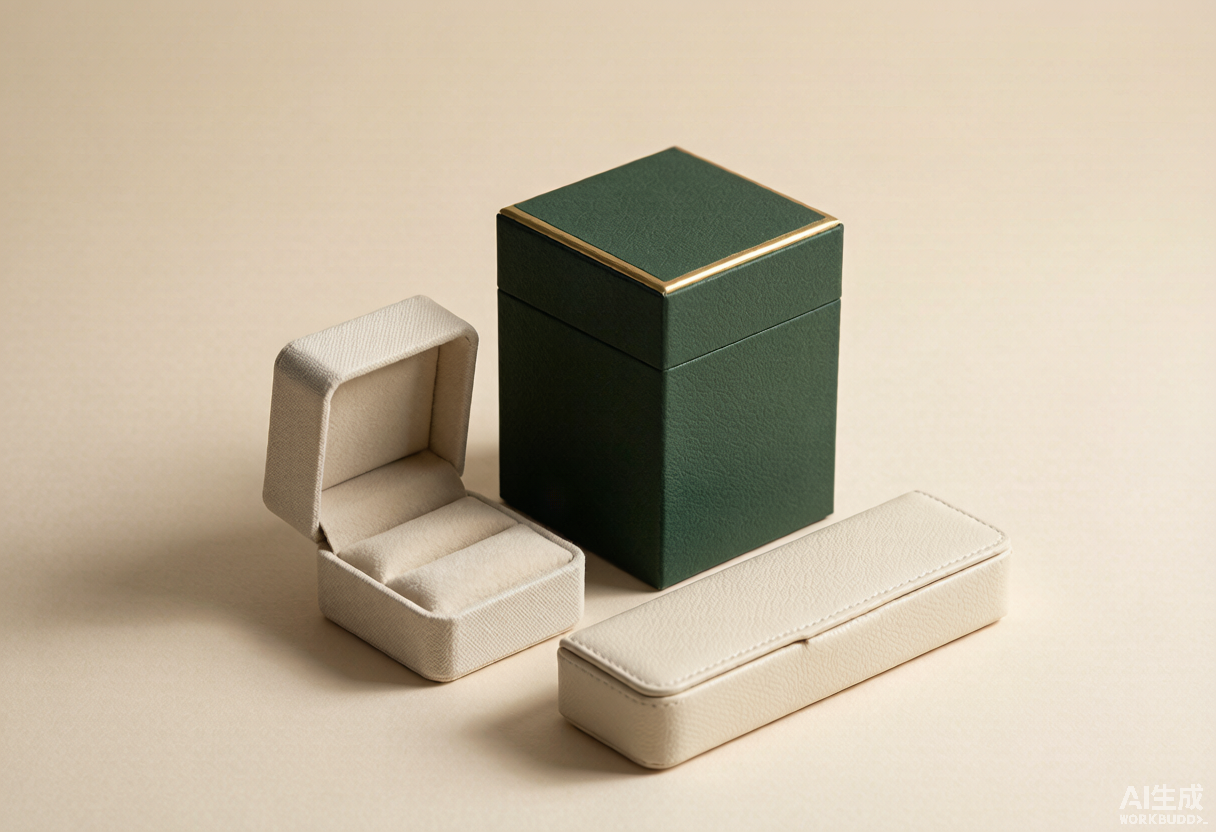
但简约不等于简陋。它只是把预算从繁复印刷,转移到了材质等级与结构精度上——高克重素面纸、哑光触感、精准烫印、严丝合缝的磁吸。这恰恰是首饰盒设计里最容易被低估的一环。
问三:植绒内衬会掉毛吗?怎么判断一款盒子的工艺水准?
会掉。常规植绒盒在摩擦约 5000 次后就可能出现掉毛。2026 年的主流解法是植绒前喷涂抗静电固化剂(如聚氨酯预聚体),把耐磨次数提升到 10000 次以上,同时满足 OEKO-TEX Standard 100 婴幼儿级安全认证。
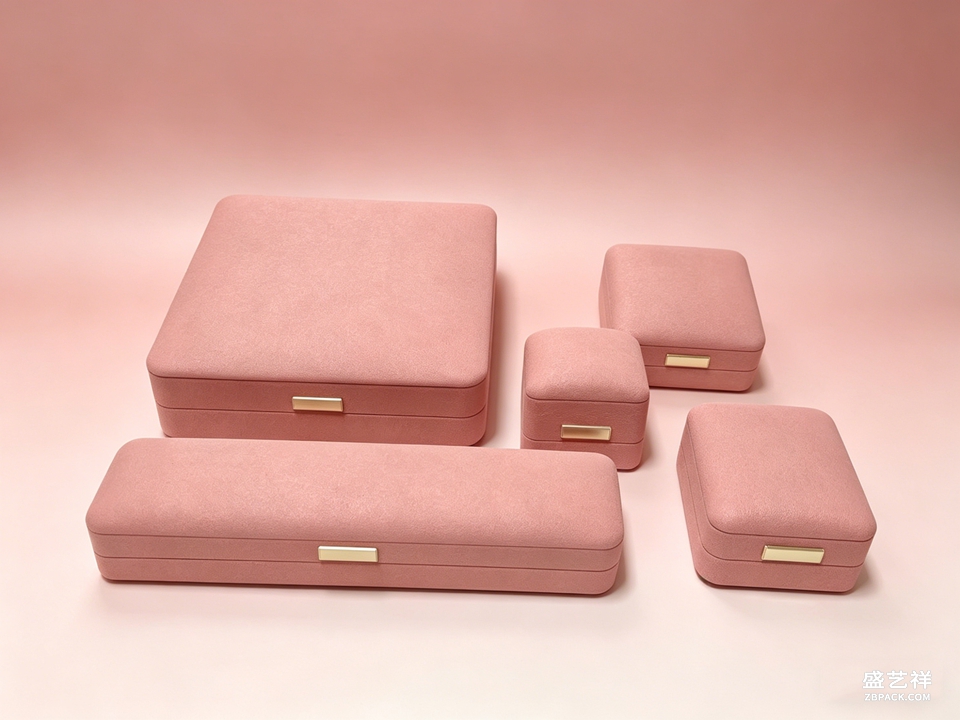
除了掉毛,还有几处可以现场验证:内衬厚度做到 1.2–1.8mm 才有足够缓冲;磁吸力度要做到"不会一碰就开,也不至于难打开";关盒时应当近乎无声或只有轻微一声"咔哒",刺耳摩擦声说明结构公差不过关;烫金或电镀边需均匀无颗粒,指腹划过不应有明显凸起。这些细节单看都很小,但顾客的判断恰恰发生在开合的两三秒之内。
问四:南方潮湿、北方干燥,同一款盒子表现会不一样吗?
差别比多数人想的大。绒布的防划伤能力满分,防潮却只能算及格——在回南天持续半个月的城市,绒布内衬两年内出现霉斑、K 金扣轻微变色的案例并不少见。皮革密封性优于绒布,但需要每半年做一次保养,否则表面会龟裂。亚克力完全密封,配一包干燥剂就能把湿度长期压在 40% 以下,对南方最友好,代价是易刮花、久放发黄。
所以做区域市场时,包装方案不该一刀切:南方渠道优先考虑密封性与干燥剂位设计,北方渠道可以放心用绒布结构。这是珠宝盒定制里最实际、却也最容易被跳过的一步。
问五:做电商发货,材质与结构上要额外注意什么?
电商的第一考验不是好不好看,而是能不能扛住集装箱与快递中转箱里的堆码压力。实测口径是:盒壁厚度不低于 2.3mm,并在受力段加设加强筋,才能稳定承受常规快递堆叠;内衬缓冲常用密度 25kg/m³ 的 EVA 海绵。宁波一家银饰电商在完成结构与内衬优化后,把退货率从 8% 压到 1.5% 以内,直接改善了平台的库存绩效评级。
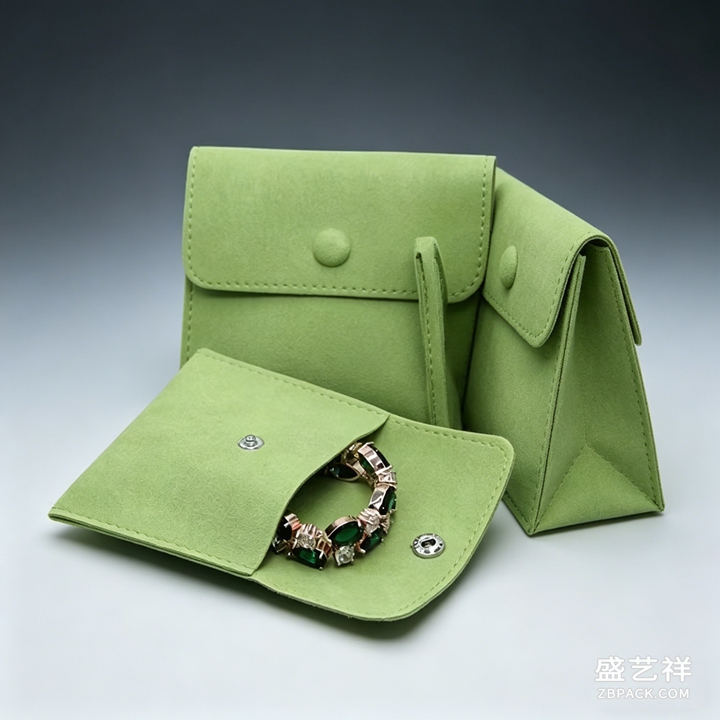
另一个常被忽略的是"二次防护":一只成本极低的绒布首饰袋,既能在运输中隔开硬碰硬,又能在顾客拆包后继续被使用。Deloitte 2025 年的调研显示,67% 的奢侈品消费者会在用完产品后保留包装,41% 会把它二次用于收纳或展示——这相当于零成本的长期品牌曝光。
问六:换成环保材质,会不会牺牲质感、抬高成本?
成本确实会动,但幅度可控,而且有对冲。2026 年欧盟包装与包装废弃物法规修订版要求进口包装可回收率达到 95% 以上,传统 PVC 植绒面临淘汰,替代方案是生物基聚酯纤维(PLA+PET 混纺),单只成本上浮约 8%–12%。但改用 FSC 认证纸张与水性胶黏剂后,可依据绿色采购标准在欧美市场获得 5%–10% 的关税减免,一进一出,差额被明显抹平。
需求端更给力:68% 的消费者愿意为环保简约包装支付 10%–15% 的溢价,Z 世代与千禧一代这一比例高达 81%。极简本身也在省钱——它平均减少 27% 的材料用量,简化印刷与复合工序后生产成本可降 15%–30%,轻量化还让运输重量与体积下降约 22%。
换句话说,环保与高级感并不冲突,真正冲突的是"用堆料伪装高级"。
包装是顾客与品牌接触的第一个实体界面。材质选对了,它替产品说话;选错了,它替产品减分。盛艺祥在珠宝包装设计与珠宝盒定制上的判断始终是同一条:先解决保护,再解决体验,最后才谈装饰。
本文为原创内容,版权归盛艺祥所有。如需转载请注明出处。
盛艺祥(Shengyixiang)——高端珠宝包装设计与定制专家,为品牌护航。
The same ring, placed in two different boxes, can command prices that differ by nearly forty percent. Material is not a footnote to packaging — it decides how well the jewelry is protected and how expensive it is perceived to be. Below are the questions buyers, store owners and customers ask most often.
Q1. Velvet, leather, paperboard or acrylic — how should I actually choose?
Start with protection, the one metric that cannot be faked. Hands-on industry comparisons rank it clearly: velvet lining > leather lining > acrylic display case. High-density short-pile velvet and suede are soft, shed-resistant and mildly adsorbent, blocking dust and slowing air circulation — ideal for diamonds, colored stones and fine karat-gold chains that hate friction. Microfiber or anti-tarnish silver-cloth linings go further, delaying the blackening of silver and white gold.
Leather, especially full-grain, delivers premium hand-feel, resilience and better moisture resistance than synthetics. Its weakness is a hard inner surface with little cushioning, so stacking pieces directly invites scratches. The fix is simple: pair a leather outer case with a separate velvet tray or a velvet jewelry pouch. Acrylic is transparent and tightly sealed, but scratches easily and yellows within five to eight years — suitable for temporary display, not long-term storage. Rigid paperboard remains the workhorse for gifting and e-commerce: controllable cost, and the widest room for print and finishing, which is why most brands build their visual identity on it.
In short: solid wood and velvet for long-term collection, leather for daily carry, acrylic for short-term display, rigid paperboard for brand expression and volume shipping.
Q2. Why does restrained, minimalist jewelry packaging win customers over?
This is not a matter of taste — it is measurable. Research shows minimalist packaging scores 35% higher in perceived brand quality among premium consumers and lifts repurchase intent by 22%. The China Packaging Federation's 2026 report on premium consumer-goods packaging is blunter still: minimalist gift boxes have posted compound annual growth above 25% in the high-end segment for three consecutive years. Among gift packaging priced above 500 yuan, designs described as minimal, generous in white space and sustainably sourced saw consumer preference climb from 38% in 2023 to 67% in 2026.
The inverse data is just as telling. Roughly 65% of consumers say their first reaction to layer-upon-layer gift packaging is "wasteful," not "prestigious." Meanwhile the pricing upside is real: 78% of consumers equate clean, uncluttered design with higher product quality, and willingness to pay for an identical item rises by up to 40%. One brand that increased negative space by 60% recorded a 45% lift in perceived luxury value and 28% higher acceptance of a price premium. At the 2025 Dieline Packaging Design Awards, six of ten luxury-category prizes went to minimalist entries — the highest share on record.
Minimal is not cheap. It simply moves budget away from elaborate printing and into material grade and structural precision: heavyweight uncoated stock, matte tactility, exact foil registration, magnets that close flush. That is the most underrated part of jewelry box design.
Q3. Does flocked lining shed? How do I judge build quality on the spot?
Yes, it sheds. Standard flocked boxes can begin shedding after roughly 5,000 abrasion cycles. The mainstream 2026 remedy is an anti-static curing agent — typically a polyurethane prepolymer — applied before flocking, pushing durability past 10,000 cycles while meeting OEKO-TEX Standard 100 infant-grade safety certification.
Beyond shedding, several things can be checked in seconds. Lining thickness of 1.2–1.8mm is the threshold for meaningful cushioning. Magnetic closure should be firm enough not to fall open, loose enough to open comfortably. Closing the lid should be near-silent or produce one soft click; a harsh scraping sound means structural tolerances are off. Foil or plated edges must be even and grain-free, with no ridge detectable under a fingertip. Small details, all of them — but the customer's verdict is formed in the two or three seconds of opening and closing.
Q4. Does the same box behave differently in humid versus dry regions?
More than most people expect. Velvet scores full marks on scratch protection but only a passing grade on moisture. In cities where the damp season runs for weeks, velvet linings developing mildew within two years — along with slight discoloration on gold clasps — is a documented outcome. Leather seals better than velvet but needs conditioning roughly every six months, or the surface cracks. Acrylic is fully sealed; with one desiccant sachet it holds humidity below 40% long term, making it the friendliest option for humid markets, at the cost of scratching and yellowing over time.
So regional programs should never be one-size-fits-all: prioritize sealing and a dedicated desiccant slot for humid channels, and deploy velvet structures confidently in dry ones. It is the most practical step in custom jewelry box development — and the one most often skipped.
Q5. What extra demands does e-commerce shipping place on materials?
For e-commerce, the first test is not beauty but survival under stacking loads inside containers and courier hubs. Measured practice: wall thickness of at least 2.3mm plus reinforcing ribs at load-bearing sections to reliably withstand ordinary parcel stacking, with 25kg/m³ EVA foam as the usual cushioning insert. A silver-jewelry e-commerce seller in Ningbo cut its return rate from 8% to under 1.5% after reworking structure and lining, which directly improved its platform inventory performance rating.
The overlooked lever is secondary protection. A low-cost velvet jewelry pouch separates hard surfaces in transit and keeps being used after unboxing. Deloitte's 2025 survey found 67% of luxury consumers keep premium packaging after using the product, and 41% repurpose it for storage or display — long-term brand visibility at zero incremental cost.
Q6. Will switching to sustainable materials hurt quality or inflate cost?
Cost does move, but within a manageable band, and with offsets. The revised 2026 EU Packaging and Packaging Waste Regulation requires imported packaging to reach 95% recyclability, phasing out conventional PVC flocking in favor of bio-based polyester fibers such as PLA/PET blends — about 8%–12% more per unit. Yet FSC-certified paper and water-based adhesives can unlock 5%–10% tariff relief in European and North American markets under green procurement standards, largely cancelling out the increase.
Demand-side numbers are stronger still: 68% of consumers will pay a 10%–15% premium for sustainable minimalist packaging, rising to 81% among Gen Z and millennials. Minimalism also saves money on its own — it cuts material use by an average of 27%, trims production cost by 15%–30% through simplified printing and lamination, and reduces shipping weight and volume by roughly 22%.
Sustainability and premium feel do not conflict. What conflicts with premium feel is padding a box with material to fake it.
Packaging is the first physical interface between a customer and a brand. Choose the right material and it speaks for the product; choose wrong and it argues against it. Shengyixiang applies one consistent rule to jewelry packaging design and custom box development: solve protection first, experience second, decoration last.
This is original content. Copyright belongs to Shengyixiang.
Shengyixiang — your expert in high-end jewelry packaging design & customization.