暖色钻石改写审美 Warm-Toned Diamonds Are Rewriting Luxury's Color Rules
七月二十九日晚,上海西岸漩心,戴比尔斯把"沙漠钻石"带到了亚洲。发布会排场不算夸张,赌注却很大——它试图松动钻石行业八十年来最坚固的审美共识:越白,越好。
把暖白、香槟、琥珀这些曾被判定为"色级偏低"的天然钻石推上台面,本身就是一次公开的自我修正。而这并非孤例。翻看 2026 年的高级珠宝会发现,色彩正沿两条路径同时回归:天然钻石的色谱平反,与珐琅工艺的全面复兴。二者看似无关,指向的却是同一个问题。
一次迟到了几十年的平反
沙漠钻石是戴比尔斯十余年来推出的首个全新"灯塔项目",背后是集团十五年来最大规模的品类营销投入。项目 2025 年 6 月 6 日在拉斯维加斯 JCK 珠宝展以 Ombré Desert Diamonds 之名首发,随后在美国铺开,成绩单相当扎实:累计 40 亿次观看、时代广场屏幕单日 1.53 亿次曝光、逾 2000 个销售点参与,含 160 多家 Jared 与 1000 多家 Kay 门店。
最关键的数字是购买意向:从 9.4% 升至 20.8%,翻了一倍多。这说明暖调钻石已越过"猎奇"阶段,进入真实的消费决策链条。
2026 年 4 月 13 日,这套色谱正式推进婚嫁品类——单钻戒、三石戒、钻石排戒、全钻指环全部上线,逾 60 位设计师参与创作,其中包括因设计泰勒·斯威夫特订婚戒而声名鹊起的 Artifex Bride 设计师 Kindred Lubeck。营销联合 Brides、Martha Stewart、People Inc. 等媒体矩阵,预计触达 2500 万美国消费者。
这是一次目标明确的进攻。培育钻石普遍高色高净,工业化生产让"完美无瑕"变得廉价而同质;天然钻石继续比白比净只会节节败退。戴比尔斯索性换赛道:不比谁更白,比谁更独一无二。集团品牌与钻石渴望度首席执行官 Sandrine Conseiller 说得直接——今天的新娘要的是真正独特、有意义的东西。
中国市场反应超出预期
沙漠钻石的中国叙事锚定敦煌与丝路——数千年前中国最早的天然钻石记载正出自那里。这个文化嫁接把西方营销概念转译成了本土可感知的历史纵深。
调研印证了这种共鸣:95% 的中国受访者渴望拥有,94% 认为其与众不同,96% 视其为创新之作。戴比尔斯天然钻石总经理 Lynn Serfaty 提到,人们希望拥有一颗能讲述自己故事的钻石。该色系此前已在国际红毯反复出现——泰勒·斯威夫特、蕾哈娜、Bad Bunny(超级碗佩戴定制款)、Doja Cat 与网球选手萨巴伦卡都演绎过。
对照美国婚嫁市场的基本盘更见价值:天然钻石协会 2025 年报告显示,美国订婚戒均价上涨 9% 至 7364 美元,主石平均 1.16 克拉,圆形切割占销量 62%,椭圆形 14% 居次。在如此标准化的市场撬开一条"暖调"缝隙,商业价值不言而喻。
另一条色彩线:珐琅的成本智慧
与此同时,珐琅成了设计师手里最灵活的调色盘。原因很现实:金银铂价格持续高企,设计师既要出新又要控本。于是绳线取代金链、细链取代粗链,更多银、更多木材,以及大量珐琅。
纽约设计师 Melissa Kaye 较早把霓虹珐琅做进高级珠宝,亮粉、明黄、电光绿至今仍是最畅销色系。她的解释是,饱和色的情绪提振效果难以抗拒,与钻石搭配反而让高级珠宝显得放松、易穿戴。意大利设计师 Bea Bongiasca 走得更远,把标志性的漆感金色漩涡直接叠在订婚钻上,这在传统婚嫁语境里近乎冒犯。Selim Mouzannar 等品牌也陆续加码。
珐琅的商业逻辑清晰:无需昂贵彩宝即可获得色彩与体量。但门槛真实存在——硬珐琅与"涂上去的假珐琅"寿命差距巨大,后者极易崩缺;基底防镍、封釉到位与否,都是验收要点。
两条线,同一个答案
暖调钻石与珐琅,一个走稀缺叙事,一个走工艺表达,实则回答同一个问题:当"完美"可被批量制造,珠宝靠什么重建价值感?答案是色彩背后的出处、故事与人手痕迹。色彩的合法性正从"稀有度排序"转向"叙事排序"。
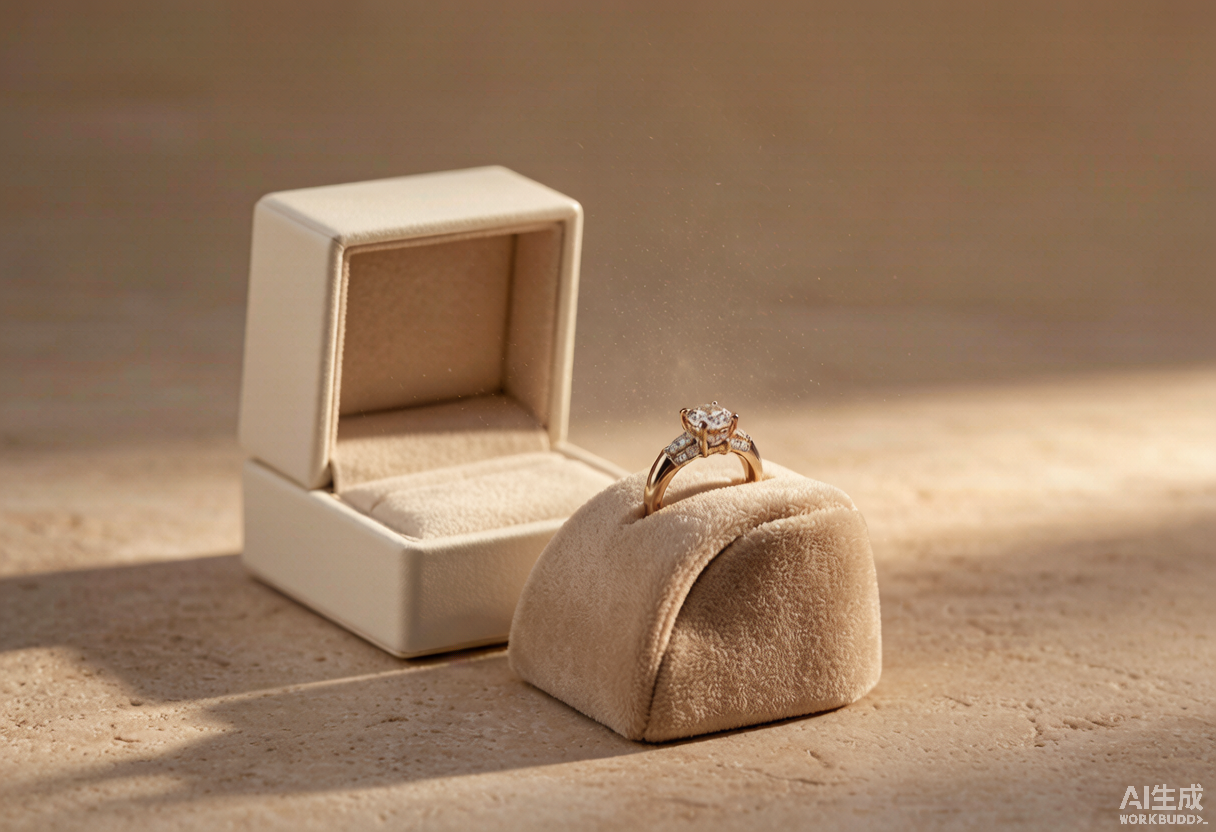
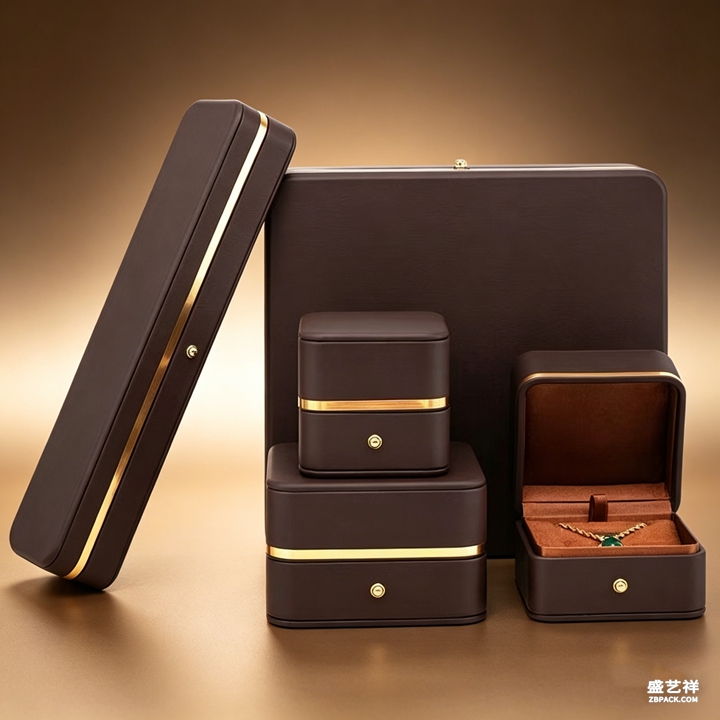
这一转向对呈现端提出了新要求,而这恰是最易被忽略的一环。暖调钻与珐琅最怕两件事:错误的光与错误的底色。冷白高色温灯光会把香槟色照得发灰,一律深黑的高对比绒布则直接吃掉暖调之间的细微层次。珠宝陈列道具的配色思路因此需要更新——从"一律黑丝绒"转向沙色、燕麦、暖灰等中性暖底,让主石层次浮现。
珠宝包装设计同样要重新考虑开盒瞬间的色温关系:盒盖开启的第一眼,内衬色相若与主石构成竞争,暖调优势就被抵消。合理做法是首饰盒设计上让内衬低半个色阶,形成呼应而非抢戏。盛艺祥近期为暖色系与珐琅系客户做方案时也观察到,愿意为色彩叙事付费的品牌,对内衬色卡与灯光建议的要求比过去具体得多。
2026 年珠宝的色彩回归,本质上不是"变花哨",而是"变得有出处"。当一颗香槟色钻石不再需要解释为什么不够白,当一抹珐琅蓝被视为设计而非廉价,这个行业对美的定义就真正宽了一寸。
本文为原创内容,版权归盛艺祥所有。如需转载请注明出处。
盛艺祥(Shengyixiang)——高端珠宝包装设计与定制专家,为品牌护航。
On the evening of July 29, at the West Bund in Shanghai, De Beers Group brought its Desert Diamonds platform to Asia. The launch was elegant rather than extravagant, but the wager behind it was substantial: it aims to loosen the single most entrenched aesthetic consensus the diamond trade has held for eight decades — that whiter is better.
Putting warm white, champagne and amber natural diamonds — stones long dismissed as low on the color grade — at the center of a flagship campaign is, in effect, a public act of self-correction. What makes it more interesting is that it is not an isolated move. Look across fine jewelry in 2026 and you will find color returning along two entirely separate paths: the rehabilitation of the natural diamond's color spectrum, and the full-scale revival of enamel. They appear unrelated. They are answering the same question.
A rehabilitation decades overdue
Desert Diamonds is the first new "beacon" program De Beers has introduced in more than a decade, supported by the group's largest category marketing investment in fifteen years. It first surfaced on June 6, 2025, at the JCK Las Vegas show under the name Ombré Desert Diamonds, then rolled out across the United States with numbers that are hard to dismiss: four billion views, 153 million impressions in a single day from Times Square screens, and participation from more than 2,000 points of sale, including over 160 Jared stores and more than 1,000 Kay locations.
The figure that matters most is purchase intent, which climbed from 9.4% to 20.8%. That is more than a doubling, and it signals that warm-toned diamonds have moved past novelty into genuine consideration.
On April 13, 2026, De Beers pushed the palette formally into bridal — solitaires, three-stone rings, diamond bands and eternity styles. More than 60 designers contributed, among them Kindred Lubeck of Artifex Bride, whose profile rose sharply after she designed Taylor Swift's engagement ring. The campaign spans digital, social, experiential and out-of-home channels, with publishing partnerships across Brides, Martha Stewart and People Inc. properties, and an estimated reach of 25 million American consumers.
This is an offensive with a clearly identified opponent. Lab-grown diamonds are overwhelmingly high in color and clarity; industrial production has made flawlessness both cheap and uniform. A natural diamond that keeps competing on whiteness and clarity is competing on ground it cannot hold. So De Beers changed the ground: not who is whiter, but who is more singular. Sandrine Conseiller, chief executive of De Beers Brands and Diamond Desirability, put it plainly — today's brides want something genuinely unique, carrying meaning and individuality.
China responded faster than expected
The Chinese narrative for Desert Diamonds was anchored in Dunhuang and the Silk Road, where China's earliest recorded encounters with natural diamonds took place thousands of years ago. It is a shrewd piece of cultural translation, converting a Western marketing construct into something with local historical depth.
The research bears out the resonance: 95% of Chinese respondents said they desired the stones, 94% found them distinctive, and 96% regarded them as innovative. Lynn Serfaty, general manager of natural diamonds at De Beers, noted that people want a diamond capable of telling their own story. The palette has already had extended red-carpet exposure through Taylor Swift, Rihanna, Bad Bunny — who wore a bespoke Desert Diamond at the 2026 Super Bowl — Doja Cat and tennis player Aryna Sabalenka.
For context, consider the baseline of the American bridal market. The Natural Diamond Council's 2025 report found the average U.S. engagement ring price rose 9% to $7,364, with an average center stone of 1.16 carats. Round cuts accounted for 62% of units sold, ovals a distant second at 14%. Prying open a warm-toned lane inside a market that standardized is commercially significant.
The second color story: enamel as cost intelligence
Meanwhile, enamel has become the most flexible paint box available to designers, and the reason is unglamorous. Gold, silver and platinum prices remain elevated, leaving designers squeezed between the obligation to present something new and the arithmetic of materials. The results are visible: cords replacing chains, thinner chains replacing heavy ones, more silver, more wood, and a great deal of enamel.
New York designer Melissa Kaye was among the first to bring neon enamel into fine jewelry, and hot pink, sunny yellow and electric green remain her best sellers. Her reading is that saturated color delivers an undeniable mood-boosting effect, and that pairing it with diamonds makes fine jewelry feel more relaxed and more wearable. Italian designer Bea Bongiasca has gone further, laying her signature lacquered gold swirls directly over the stones in a diamond engagement-ring collection — close to heresy in traditional bridal terms. Selim Mouzannar, Nadine Aysoy and Robinson Pelham have all added weight to the category.
The commercial logic is straightforward: enamel gives designers scale and color without the outlay of pricier colored gemstones. The technical threshold is real, however. Vitreous hard enamel and painted imitation enamel have vastly different lifespans, the latter chipping quickly. Nickel-free bases and properly sealed surfaces are the inspection points that separate the two.
Two paths, one answer
Warm-toned diamonds pursue scarcity narrative; enamel pursues craft expression. The directions look opposed, but both address the same question: when perfection can be manufactured at scale, what rebuilds a sense of value in jewelry? The answer lies in provenance, story and the visible trace of a human hand. Color's legitimacy is shifting from a hierarchy of rarity to a hierarchy of narrative.
That shift places new demands on presentation, and this is the link most often overlooked. Warm-toned diamonds and enamel share two enemies: the wrong light and the wrong background. Cold, high-color-temperature lighting renders champagne tones grey and dull, while uniformly deep-black high-contrast velvet swallows the subtle gradations that make warm stones interesting. Display palettes therefore need updating — moving away from default black velvet toward sand, oatmeal and warm grey neutrals that let those gradations surface.
Packaging design faces the same recalibration at the moment of opening. If the lining hue competes with the center stone in that first glance, the advantage of a warm palette is cancelled out. The sounder approach is to set the lining half a step lower in tone, creating echo rather than rivalry. In recent proposals for clients working in warm-tone and enamel collections, Shengyixiang has observed that brands willing to invest in a color narrative now arrive with far more specific requirements around lining swatches and lighting guidance than they did a few years ago.
The return of color in 2026 is not jewelry becoming louder. It is jewelry acquiring provenance. When a champagne diamond no longer needs to explain why it is not white, and a stroke of enamel blue reads as design rather than economy, the industry's definition of beauty has genuinely widened.
This is original content. Copyright belongs to Shengyixiang.
Shengyixiang — your expert in high-end jewelry packaging design & customization.