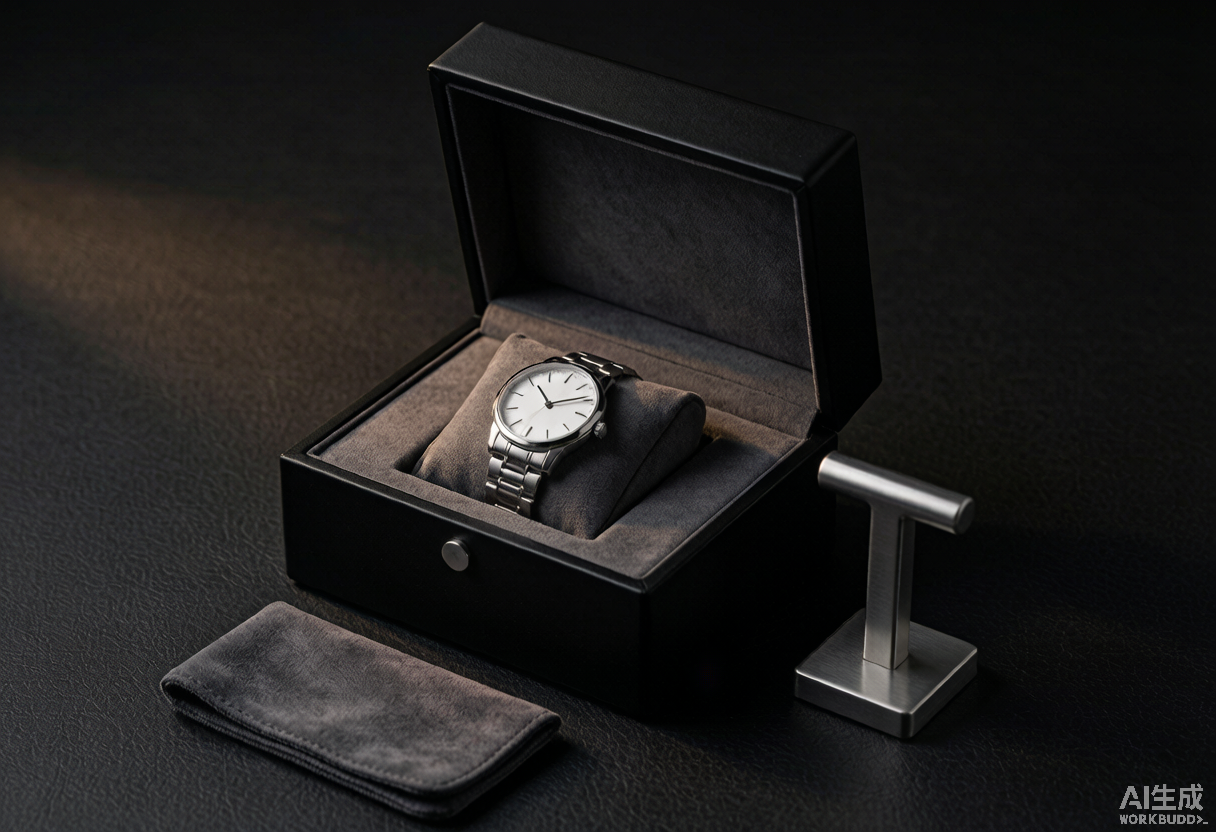
一只好表盒的标准 Inside a Good Watch Box: Protection Meets Presentation
很多人把表盒当成腕表的附赠品,随手扔进储物间。直到几年后想出手,才发现那只盒子可能值好几千块。表盒到底是包装、是道具,还是资产的一部分?下面六个问题,都来自真实的采购与零售场景。
问一:表盒真的会影响腕表价值吗,还是只是好看?
会,而且幅度不小。二手市场把"原盒+保卡+说明书+吊牌"齐全的状态称为 full set(全套)。综合 Chrono24、WatchCharts 等平台的成交分析,全套腕表的价格普遍比同款同成色的裸表高出 10%–25%:劳力士 Submariner 16610 约 +17.8%,GMT-Master II 16710"百事圈"约 +23.3%,卡地亚 Santos 100XL 约 +20.8%,欧米茄超霸约 +13%。限量款普遍在 20%–40%,五十年以上的古董表甚至能到 25%–100% 以上。国内回收渠道的口径也接近:附件齐全给 10%–22% 溢价,只剩表盒加保卡降到 6%–12%,只有一张保卡则是 3%–7%。
另一个容易被忽略的数字是流转效率——全套腕表的成交速度比裸表快约 13%。需要说明的是,保卡的定价权重高于盒子本身;但盒子是"这块表被认真对待过"最直观的可见证据,它在买家心里承担的是信任成本。
问二:一只表盒到底要"防"什么?
三件事:湿度、磁场、物理挤压。
湿度最被低估。行业公认的腕表存放区间是相对湿度 45%–55%、温度 15–24℃。低于 40% RH,皮表带会加速开裂、密封胶圈变硬失去弹性;高于 65% RH,盒内冷凝风险上升,表带霉变与机芯锈蚀都会发生。这意味着一只合格的手表盒不只是"有个坑位",还要留出干燥剂或调湿片的位置,盒体本身也要具备一定密封性。
磁场更隐蔽。音箱、冰箱、电磁炉、无线充电板附近都是高风险区,游丝一旦被磁化,日差可能从几秒跳到几分钟。要留意的是,廉价摇表器的有刷电机自身就会产生磁场——盒子本该是保护壳,反而成了污染源。
物理防护看细节:表枕尺寸要与表径匹配,不能压迫表冠和按钮;内衬建议做抗静电处理,避免吸附粉尘划伤镜面;盒壁挺度与合页阻尼,决定了反复开合后会不会松垮。
问三:摇表器值不值得配?参数怎么看?
看机芯类型和佩戴频率,不是越贵越好。
自动机芯的动力储存多在 38–72 小时之间,长期静止会让润滑油分布不均,反复"耗尽—重启"确实会增加轮系磨损。但手动上链和石英机芯绝不能放进旋转仓,前者会让发条持续顶在离合机构上。
核心参数是 TPD(每日转数)。多数现代自动机芯需要 650–950 TPD,劳力士 3135、3235 一类约在 650–800;不少廉价产品默认 1800 TPD,长期高速运转会在 18–24 个月内明显加速转子轴承磨损。其次是旋转方向要与机芯匹配、程序中必须包含休止周期,电机则应选无刷型以降低电磁辐射。品牌若要做"展示+上链"二合一的组合盒,最稳妥的做法是结构分区:静态展示位与旋转仓物理隔开,避免震动传导。
问四:为什么顶级品牌的表盒反而越做越简单?
因为高端简约的设计更容易被顾客认可,也更贴合当下的成本与合规现实。
先看市场结构。全球腕表包装市场 2025 年约 58 亿美元,2026 年约 60.8 亿美元,预计 2035 年达 92 亿美元,复合增长率 5.4%;材质构成中纸质已占 45.5% 成为第一大类,木质降至约 20%。国内更热:2026 年手表包装盒市场规模预计突破 120 亿元,近五年年均复合增长约 12%;分区域看欧洲以 38.2% 份额最大,亚太以 7.9% 的增速最快。
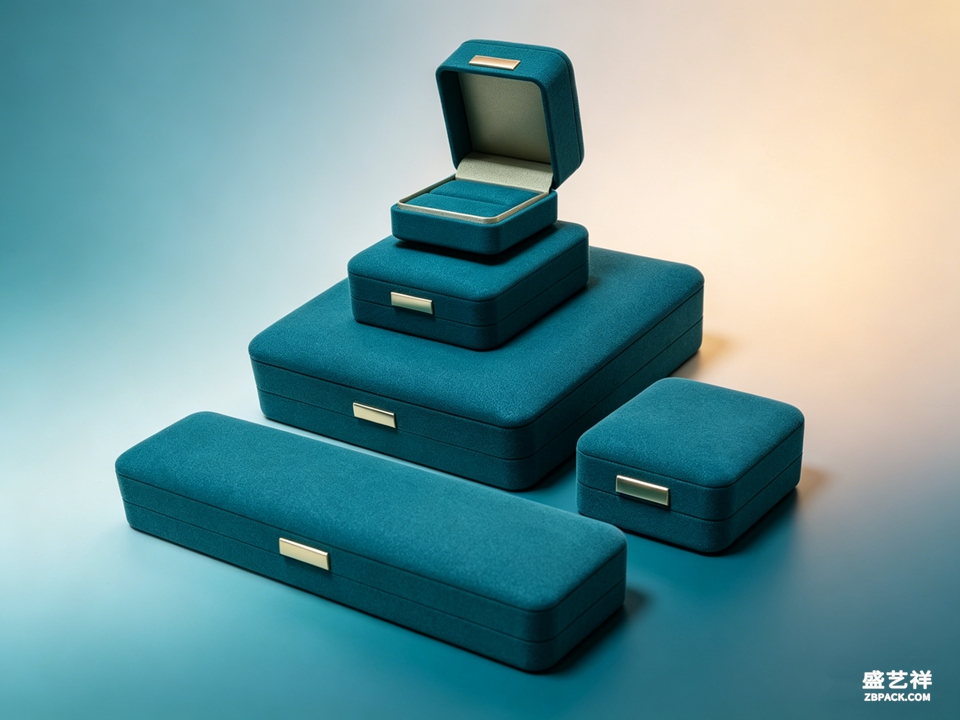
趋势很清楚——从厚重木盒转向轻量纸基结构加高完成度内衬。这不是降级。极简设计材料用量更少、运输重量更低、回收路径更清晰,同时把预算集中到顾客真正会触摸的地方:内衬手感、开合阻尼、边角包覆精度。对消费者而言,克制反而传递出"这个品牌不需要靠体积证明自己"。这也是当下珠宝包装设计与腕表包装共同的走向。
问五:门店里,表盒和陈列道具怎么配合才不打架?
把它们当成同一套视觉语言的两个部分,而不是两次独立采购。
常见问题是,柜内的珠宝陈列道具选了高反光亮面,表盒却是哑光深色,两者在同一束灯下质感割裂。建议统一材质语言:托盘、表枕架、立牌与交付用的表盒,共用同一组主色与表面处理。
几个实操参数:表枕倾角控制在 15–30°,让表盘正对顾客视线;钢款用 3500–4000K 中性光更显金属锐度,金款用 2700–3000K 暖光更显质感,显色指数建议 CRI 大于 90;柜内密度宁疏勿密,留白本身就是价格信号。还要记住,表盒在成交前是道具、成交后是交付物,它是唯一会被顾客带回家的"门店延伸"。
问六:电商发货和跨境运输,表盒怎么加固?环保合规怎么应对?
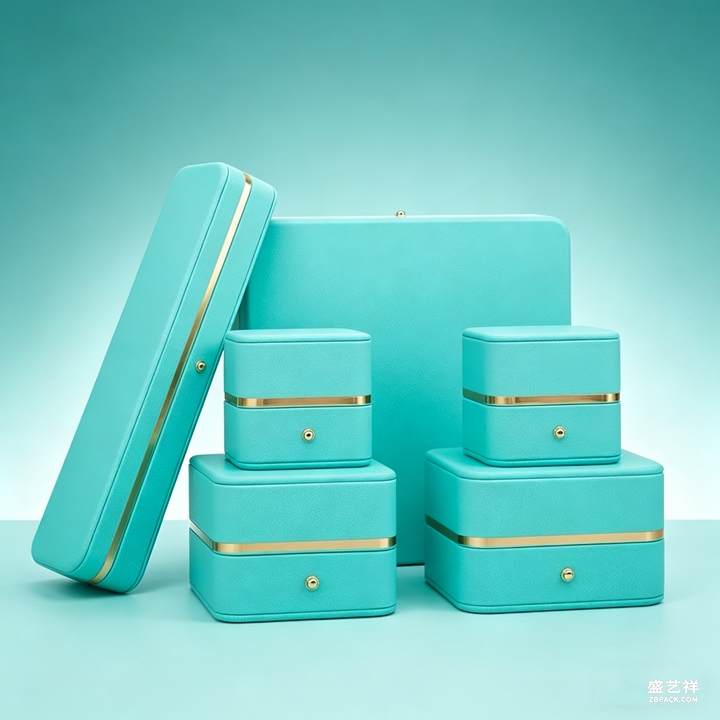
运输环节要做三层:外箱抗压、内盒定位、表体锁扣。外箱负责跌落与堆码,内盒在外箱中不能窜动,表枕必须有锁扣或束带防止腕表在盒内翻滚——多数运输损伤并非外力砸穿,而是内部反复碰撞造成的镜面与表耳划痕。跨境件建议加入防磁袋与可控量干燥剂。顾客自己出行时,用表卷或软包随身携带即可,不要托运,货舱温差与冲击都超出常规腕表的耐受范围。
值得注意的是,消费者已经在自己买盒子:全球奢侈品表盒(收纳与展示类)市场 2025 年约 12 亿美元,预计 2034 年增至 21 亿美元,复合增长率 6.8%,其中多表位盒占 35.2%,亚太地区占 38.5%。这说明品牌原盒的"二次使用价值"直接影响口碑——能长期收纳的盒子,顾客不会丢。
合规方面,可回收纸基、生物基衬材与减量设计正在成为出口订单的准入门槛;NFC 防伪与认证标签也在高端线快速普及,把包装从容器变成了溯源入口。作为深耕高端珠宝与腕表包装的厂商,盛艺祥在手表盒项目上通常会把湿度管理、防磁结构、内衬完成度与陈列适配一并纳入前期方案,避免上线后再返工。
回到开头那句话:表盒既要护得住表,也要撑得起门店与二手市场里的那份体面。它不是附赠品,而是腕表价值链条上最容易被低估的一环。
本文为原创内容,版权归盛艺祥所有。如需转载请注明出处。
盛艺祥(Shengyixiang)——高端珠宝包装设计与定制专家,为品牌护航。
Most owners treat the watch box as a throwaway. It goes into a closet and is forgotten — until resale day, when they discover that box was worth several thousand dollars. So is a watch box packaging, a display prop, or part of the asset itself? Six questions, all taken from real sourcing and retail conversations.
Q1: Does the box really affect a watch's value, or does it just look nice?
It affects value, and by more than most people assume. The pre-owned market calls a watch complete with its original box, warranty card, booklet and hang tags a "full set." Transaction analyses from Chrono24, WatchCharts and specialist dealers put the full-set premium at roughly 10–25% over the same reference in the same condition sold naked. Specific examples: a Rolex Submariner 16610 trades about 17.8% higher, a GMT-Master II 16710 "Pepsi" about 23.3%, a Cartier Santos 100XL about 20.8%, and an Omega Speedmaster around 13%. Limited editions commonly land in the 20–40% band, and vintage references over fifty years old can reach 25% to well beyond 100%.
There is also a liquidity effect that rarely gets mentioned: full-set watches sell roughly 13% faster than naked equivalents. One honest caveat — the warranty card carries more pricing weight than the box. But the box is the most visible proof that a watch was looked after, and in a buyer's mind it offsets perceived risk.
Q2: What is a watch box actually supposed to protect against?
Three things: humidity, magnetism and physical compression.
Humidity is the most underestimated. The accepted storage window is 45–55% relative humidity at 15–24°C. Below 40% RH, leather straps crack faster and gaskets harden and lose elasticity. Above 65% RH, condensation risk rises, bringing mould on straps and corrosion inside the movement. A competent box therefore needs more than a cavity: it needs a designated pocket for a desiccant or humidity-regulating pad, and a shell with a reasonable degree of seal.
Magnetism is subtler. Speakers, refrigerators, induction cooktops and wireless charging pads are all high-risk zones, and a magnetised hairspring can push daily deviation from seconds to minutes. Worth noting: the brushed motors in cheap winders generate magnetic fields themselves — the box that should shield the watch becomes the source of contamination.
Physical protection lives in the details. The pillow must match the case diameter without pressing on the crown or pushers. Linings should be anti-static so they do not attract abrasive dust onto the crystal. Wall rigidity and hinge damping determine whether the box still feels solid after a few hundred openings.
Q3: Is a watch winder worth it, and which specifications matter?
It depends on the calibre and how often the watch is worn. More expensive is not automatically better.
Most automatic movements hold 38–72 hours of power reserve. Long periods of stillness leave lubricants unevenly distributed, and repeated drain-and-restart cycles do add wear to the gear train. Manual-wind and quartz movements, however, should never go into a rotating cradle — a manual mainspring will sit permanently loaded against the click.
The key specification is TPD, turns per day. Most modern automatics need 650–950 TPD; Rolex calibres such as the 3135 and 3235 sit around 650–800. Plenty of budget units default to 1,800 TPD, and sustained over-winding measurably accelerates rotor bearing wear within 18–24 months. Beyond TPD, rotation direction must match the movement, the program must include rest cycles, and the motor should be brushless to keep electromagnetic emission low. For brands building a combined display-and-winding case, the safest approach is structural separation: keep the static display bay physically isolated from the rotating bay so vibration is not transmitted.
Q4: Why are top brands making their boxes simpler, not grander?
Because restrained, minimal design earns more customer approval — and because it fits today's cost and compliance reality.
Start with market structure. The global wristwatch packaging market was worth roughly USD 5.80 billion in 2025 and about USD 6.08 billion in 2026, and is projected to reach USD 9.20 billion by 2035 at a 5.4% CAGR. By material, paper already accounts for 45.5% — the largest single category — while wood has slipped to around 20%. China is growing faster still: the domestic watch box market is expected to exceed RMB 12 billion in 2026, with a five-year CAGR near 12%. Regionally, Europe holds the largest share at 38.2% while Asia Pacific grows fastest at 7.9%.
The direction is unmistakable: heavy timber cases are giving way to lightweight paper-based structures with high-finish interiors. This is not downgrading. Minimal construction uses less material, ships lighter and recycles more cleanly, while concentrating budget where customers actually make contact — lining texture, hinge damping, corner wrapping precision. To the buyer, restraint signals that the brand does not need bulk to prove itself. The same logic now drives jewelry packaging design as a whole.
Q5: In-store, how should boxes and display props work together?
Treat them as two halves of one visual language rather than two separate purchases.
The common failure looks like this: the display props inside the case are high-gloss, the delivery box is matte and dark, and under a single light source the two finishes visibly clash. Unify the material language instead — trays, watch stands, signage and the box the customer takes home should share one primary colour family and one surface treatment.
Some workable parameters: angle the pillow at 15–30° so the dial faces the customer's eyeline; light steel pieces at 3500–4000K for metallic crispness and gold at 2700–3000K for warmth, with a colour rendering index above 90; and keep case density low, because negative space is itself a price signal. Remember that the box is a prop before the sale and a deliverable after it. It is the only piece of the store the customer carries home.
Q6: How should boxes be reinforced for e-commerce and cross-border shipping, and what about compliance?
Build three layers: a crush-resistant outer carton, a located inner box, and a secured watch. The carton absorbs drops and stacking loads. The inner box must not shift inside it. And the pillow needs a strap or clasp so the watch cannot tumble inside its own case — most transit damage is not a crushed parcel but crystal and lug scratches from repeated internal impact. For cross-border shipments, add an anti-magnetic sleeve and a measured desiccant. When customers travel, a watch roll or padded pouch in hand luggage is enough; never check watches, as hold temperature swings and shock exceed what most movements tolerate.
One signal worth reading: consumers are now buying boxes for themselves. The global luxury watch box market — storage and display units — was about USD 1.2 billion in 2025 and is forecast to reach USD 2.1 billion by 2034 at a 6.8% CAGR, with multi-watch cases taking 35.2% and Asia Pacific 38.5%. That means the second-life value of a brand's original box feeds directly into word of mouth. A box good enough to keep does not get thrown away.
On compliance, recyclable paper substrates, bio-based liners and material reduction are becoming entry requirements for export orders, while NFC authentication tags are spreading quickly across premium lines, turning packaging from a container into a traceability gateway. As a manufacturer focused on high-end jewelry and watch packaging, Shengyixiang typically folds humidity management, anti-magnetic structure, lining finish and display compatibility into a single upfront brief, so nothing has to be reworked after launch.
Back to the opening point: a good watch box has to protect the watch and hold its own on a retail shelf and in the resale market. It is not a free extra. It is the most underrated link in a timepiece's value chain.
This is original content. Copyright belongs to Shengyixiang.
Shengyixiang — your expert in high-end jewelry packaging design & customization.