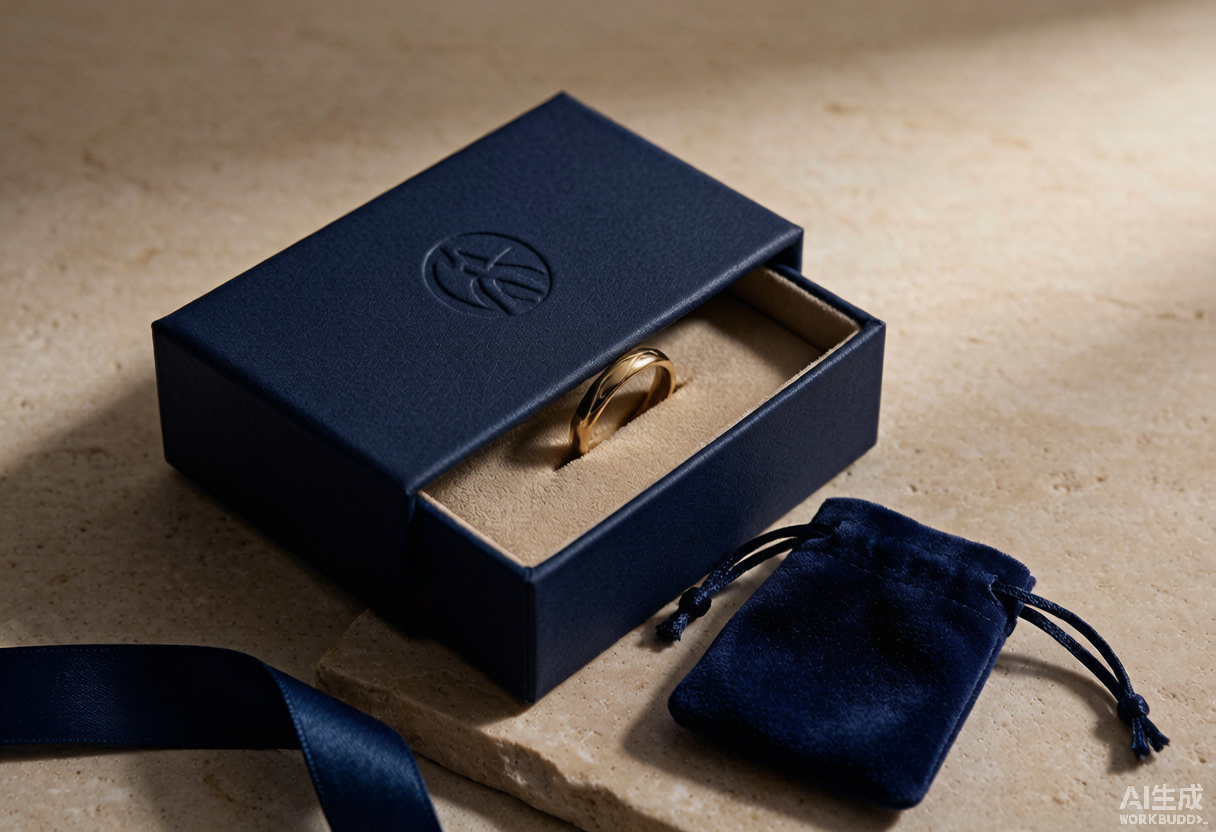
定制包装的品牌力 How Custom Packaging Builds a Jewelry Brand's Identity
顾客站在专柜前的时间平均不到三十秒,但那只被带回家的盒子,会在梳妆台上安静地待好几年。这大概是珠宝行业里最容易被低估的一块品牌资产。下面六个问题,来自最近几个月品牌方和门店老板问得最多的疑惑。
问一:定制包装真能换来品牌识别,还是只是"好看一点"?
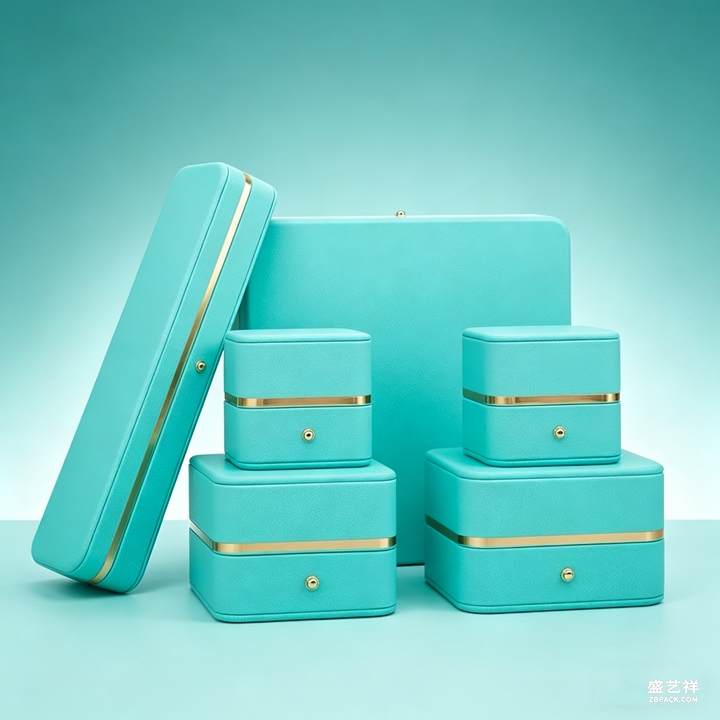
数据比感觉可靠。全球个性化包装市场 2026 年规模约 387 亿美元,多家机构给出的复合增长率在 9.8%–11.4% 之间,2035 年有望突破 900 亿美元;推动增长的主力并非传统奢侈品集团,而是急于建立辨识度的 DTC 品牌。落到珠宝品类更直接:顾客挑选首饰时,超过一半的注意力其实落在包装上;开箱视频在社交平台的互动量,普遍是纯产品图的 2–3 倍。最经典的例子仍是那只蓝盒子——面向珠宝爱好者的调查显示,87% 的人主要靠包装认出该品牌;而启用专属定制色的珠宝品牌,顾客识别效率平均提升约 67%。麦肯锡的调研则发现,72% 的 Z 世代愿意为"独一无二"的包装支付溢价。所以这不是审美问题,是识别效率问题。
问二:一套能被记住的包装,由哪几个"识别锚点"构成?
四个:色、形、触、声。
色彩排第一。把颜色注册成专属色号,等于把视觉变成资产——顾客不看标志也知道是谁。可落地的做法是建立 CMYK 与 Pantone 双轨色彩管理,主色、辅色、点缀色按 7:2:1 分配,主色不超过两个。形是结构:翻盖、抽屉、磁吸、丝带抽拉,决定顾客用什么姿势打开你的品牌。触是材质:软触膜、类麂皮微纤维、盒底配重块。人的潜意识默认"沉即贵",把配重做进结构里,感知价值立刻上一个台阶。声最容易被忽略——磁扣合上那一声"咔哒",是开箱视频里的免费流量。
四者之上还有个前提:一致性。门店礼盒、电商外箱、首饰袋、柜内托盘必须共用同一套材质与色彩语言,否则识别度会被自己稀释掉。
问三:为什么高端简约的珠宝包装,反而更容易被顾客青睐?
因为顾客早就分得清"贵"和"堆料"。欧盟包装与包装废弃物法规(PPWR)2026 年生效,要求包装减量 15% 以上,国内对过度包装的反感也在同步上升。真正的高端简约不是省钱,而是把预算从外层堆砌挪到手指能感知的地方:轻量纸基外壳配高完成度内衬,V 槽切角精度控制在 0.1 毫米,边角无胶痕、无爆边,开合阻尼恰到好处。
所以做珠宝包装设计时我们通常建议:外观做减法,工艺做加法。留白越干净,瑕疵越无处遁形——简约的门槛恰恰比繁复更高,它考验的是工厂而不是设计师。
问四:起订量、开模费、交期,中小品牌该怎么算这笔账?
2026 年的行情大致是:定制包装单价从 0.15 美元到 2.50 美元不等,一次性刀模与制版费 150–600 美元,设计定稿后交期 15–35 天。珠宝常用的硬质礼盒,500 件时约 2.20–3.50 美元/件,1000 件降到 1.80–2.80,5000 件 1.40–2.10,上万件可到 1.10–1.85;内衬托盘另计,约 0.60 美元起。
门槛这几年被数码印刷拉低了。传统版压制普遍 5000 件起订,柔性数码方案 500 件就能开工,打样周期从 7–10 天压缩到 24–48 小时,代价是单件略贵(1000 件时约 4.2 元,传统含版费摊销约 3.5 元),但省掉了版费与库存风险。
三个最贵的错误值得记住:一是在屏幕上审色,有品牌因 Pantone 偏色重印 2000 只盒子,损失约 1800 美元;二是为压单价硬冲起订量,改版后 3500 美元库存直接报废;三是漏印产地或合规标识,货被扣关,重贴标签花掉 4200 美元。稳妥路径是先用数码小批量验证市场,再上版走量。
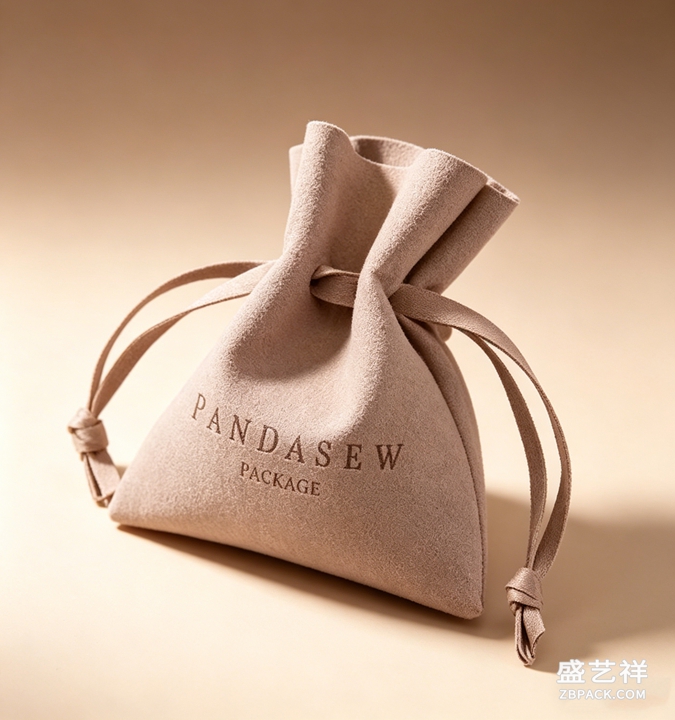
问五:包装怎么和门店陈列道具讲同一种语言?
把盒子理解成"成交前的道具、成交后的交付物",思路就顺了。柜内摆台、托盘、展架的底色与材质应与礼盒内衬呼应但有层次——深色绒托衬钻石火彩,浅米与燕麦色配黄金,冷调深灰配白色金属。每个展柜控制在 8–15 个 SKU,间距不小于 5 厘米,留白本身就是价格信号。灯光也要跟上:黄金 2700–3000K,钢款与白色金属 3500–4000K,显色指数 CRI 大于 90,否则再讲究的配色也会在柜里发灰。
定制还能承担陈列之外的功能。限量编号与激光刻印让盒子具备收藏属性,限量款包装在二手市场的溢价可达原价的 3–5 倍;盒内嵌一枚 NFC 芯片或二维码,接入客户系统后可做保养提醒与复购触发,有厂商反馈复购预测准确率能提到 82%。
问六:最后一个现实问题——怎么衡量定制包装有没有回报?
别只盯单件成本,看四个指标。一是复购率:品牌化包装带来的复购意愿普遍高出 30%–50%,这是最直接的回报口径。二是价格敏感度:成体系的定制方案能让顾客对价格的敏感度下降约 28%,等于变相守住毛利。三是自然传播:开箱视频与社交笔记是零投放成本的曝光,有 DTC 品牌算过账,改用定制后开箱内容的自发传播率提升约 40%,而边际包装成本只增加几毛钱。四是退货与货损:合身的内衬与分格能显著减少镀层划痕引发的退货,在电商渠道尤其明显。
把这四项摊到十二个月看,饰品包装盒的定制投入通常不难回本。真正的风险从来不是"定制太贵",而是花了定制的钱,却没有建立起一套能被认出来的品牌语言。
本文为原创内容,版权归盛艺祥所有。如需转载请注明出处。
盛艺祥(Shengyixiang)——高端珠宝包装设计与定制专家,为品牌护航。
A customer spends less than thirty seconds at the counter, but the box she carries home sits on her dresser for years. It is probably the most underrated brand asset in the jewelry business. Below are the six questions brand owners and store managers have asked us most often this season.
Q1. Does custom packaging actually build recognition, or does it just look nicer?
The numbers settle it. The global personalized packaging market is worth roughly USD 38.7 billion in 2026, with analysts placing the compound growth rate between 9.8% and 11.4% and the 2035 figure above USD 90 billion. The engine of that growth is not the traditional luxury conglomerate but direct-to-consumer brands fighting for recognition. In jewelry the effect is even sharper: packaging captures more than half of a shopper's attention during selection, and unboxing videos generate two to three times the engagement of plain product imagery. The classic case is still the blue box — a survey of jewelry enthusiasts found 87% identify that brand primarily by its packaging, and brands using a proprietary custom color report recognition efficiency up roughly 67%. McKinsey research adds that 72% of Gen Z consumers will pay a premium for packaging that feels one of a kind. This is not an aesthetic question. It is a recognition-efficiency question.
Q2. What are the anchors that actually make packaging memorable?
Four: color, form, touch and sound.
Color leads. Registering a proprietary shade turns a visual into an asset — customers know who you are before they find the logo. In practice, run dual-track CMYK and Pantone management and split primary, secondary and accent colors on a 7:2:1 ratio, with no more than two primaries. Form is structure: hinged lid, drawer, magnetic closure, ribbon pull — it decides the physical gesture with which someone opens your brand. Touch is material: soft-touch lamination, suede-like microfiber, a weighted insert in the base. The subconscious equates heavy with valuable, so engineering weight into the structure lifts perceived value immediately. Sound is the most overlooked — the click of a magnetic closure is free reach in an unboxing clip.
One condition sits above all four: consistency. Retail gift box, e-commerce mailer, jewelry pouch and in-case trays must share one material and color language, or you dilute your own recognition.
Q3. Why does restrained, minimal custom packaging win customers over?
Because buyers can now tell expensive from excessive. The EU Packaging and Packaging Waste Regulation takes effect in 2026 and requires material reduction of at least 15%, while impatience with over-packaging keeps rising in Asian markets too. Genuine minimalism is not a cost cut; it moves budget from outer bulk to everything a fingertip can register — a lightweight paper-based shell with a high-finish interior, V-groove corners held to 0.1 mm, no glue residue, no cracked edges, and closing resistance tuned just right.
So our standing advice on custom work is simple: subtract on appearance, add on craft. The cleaner the negative space, the fewer places a defect can hide. Minimalism is the harder brief, and it tests the factory rather than the designer.
Q4. How should a smaller brand budget for MOQ, tooling and lead time?
Current 2026 benchmarks: custom packaging runs USD 0.15 to 2.50 per unit, one-off die and plate setup costs USD 150 to 600, and production takes 15 to 35 days after artwork lock. For the rigid boxes jewelry usually needs, expect roughly USD 2.20–3.50 per unit at 500 pieces, 1.80–2.80 at 1,000, 1.40–2.10 at 5,000 and 1.10–1.85 above 10,000. Inserts and trays are quoted separately, from about USD 0.60.
Digital printing has lowered the entry barrier. Conventional plate-based production typically starts at 5,000 units, while flexible digital runs begin at 500, and prototyping has compressed from seven to ten days down to 24 to 48 hours. The trade-off is a slightly higher unit price, offset by no plate fee and far less inventory risk.
Three mistakes are worth memorizing. First, approving color on a screen: one brand reprinted 2,000 boxes over Pantone drift at a cost near USD 1,800. Second, over-buying to chase a lower unit price: another wrote off USD 3,500 in obsolete stock after a redesign. Third, omitting country-of-origin or compliance marks, which held a shipment at customs and cost USD 4,200 to relabel. The safe route is a small digital run to validate demand, then scale onto plates.
Q5. How should packaging and in-store display props speak the same language?
Treat the box as a selling prop before the transaction and a delivery object after it. Risers, trays and stands should echo the box interior while keeping tonal separation — dark velvet behind diamond brilliance, oatmeal and sand tones under yellow gold, cool charcoal for white metals. Keep 8 to 15 SKUs per case with at least 5 cm between pieces; empty space is itself a price signal. Lighting has to follow: 2700–3000K for gold, 3500–4000K for steel and white metals, always above CRI 90, or a carefully chosen palette turns grey inside the case.
Custom work can also do more than display. Limited numbering and laser engraving give a box collectible status — limited-edition packaging can resell at three to five times its original cost — while an NFC chip or QR code inside links the box to your customer system for care reminders and repurchase triggers, with some suppliers reporting repurchase prediction accuracy near 82%.
Q6. Finally, how do you measure whether custom packaging paid off?
Stop staring at unit cost and track four things. Repeat purchase: branded packaging lifts repeat-purchase intent by 30% to 50%, the most direct return there is. Price sensitivity: a coherent custom program can reduce price sensitivity by roughly 28%, effectively defending margin. Organic reach: unboxing clips and social posts are zero-spend exposure, and one DTC brand measured a 40% rise in spontaneous sharing after switching to custom, for a marginal packaging cost of a few cents. Returns and damage: a well-fitted interior with separated slots meaningfully cuts returns caused by plating scratches, which shows up fastest in e-commerce.
Amortize those four over twelve months and custom packaging usually pays for itself. The real risk was never that customization is expensive — it is spending customization money without ending up with a brand language anyone can recognize.
This is original content. Copyright belongs to Shengyixiang.
Shengyixiang — your expert in high-end jewelry packaging design & customization.