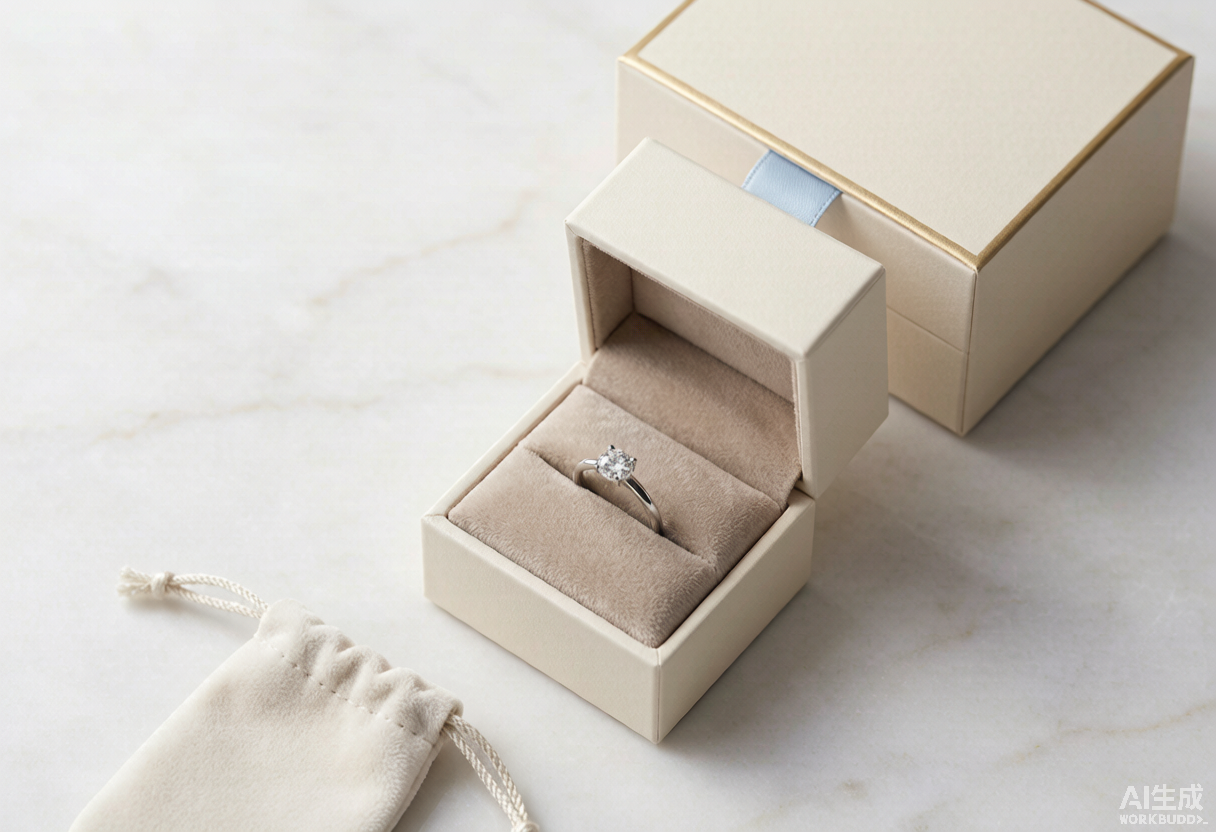
原盒让珠宝更保值 Why the Original Jewelry Box Protects Resale Value
问一:二手珠宝市场现在到底有多大,为什么连大牌都亲自下场做认证转售?
全球二手珠宝交易市场在 2025 年约值 719 亿美元,预计以 6.8% 的年复合增速一路增长到 2033 年。放到更大的盘子里,二手奢侈品 2025 年已突破 400 亿欧元、年增约 15%,预计 2030 年冲到 700 亿欧元;而其中二手珠宝是增长最快的品类,2026 年增速达到 +22%。更值得注意的是品牌方亲自入场:劳力士、卡地亚、蒂芙尼等陆续推出官方认证二手(CPO)计划,Hodinkee 2025 年第二季度的报告称,劳力士 CPO 标的比非 CPO 均价高出约 30%。当品牌把"转售"当作正规渠道经营,原盒、保卡、证书就从过去的"赠品"变成了产品的"流通标配"。盛艺祥在对接这类品牌客户时发现,珠宝包装从设计第一天起就要按"可传承资产"来规划,而不是卖完即弃的耗材。
问二:原盒和原厂保卡,到底能不能让珠宝多卖钱?
能,但要分品类看。2026 年 7 月北京一线回收门店实测:同款、同成色之下,附件齐全(盒+证+票)对比裸件,成交价差最高可达 10%–20%。具体说:足金与古法金回收只看实时大盘价和克重,盒子、小票基本没有溢价;钻石和彩宝以权威证书(GIA/NGTC)为最核心的溢价件,原盒只是小幅加分,但带证对比无证的 1 克拉钻,价差可达 30%–50%(台湾收购行口径);而卡地亚、宝格丽、梵克雅宝、蒂芙尼这类品牌珠宝,不靠金重溢价、靠流通性保值——全套附件(原盒+保卡+身份卡+票据)整体可溢价 8%–15%,限量或典藏款能到 20%。美国 Robinson’s Jewelers 更直接指出,高端传承珠宝若有完整盒证,价值可高出 20%–50%。一句话:盒子本身不鉴定真伪,但它是"这件珠宝被认真珍视过"的物理证据。
问三:高端简约为何更受青睐?
老板常说"高端简约珠宝首饰品包装设计,更容易被顾客青睐"。把这句话放进转售场景里,判断会更硬:一件珠宝往往要在抽屉里躺十年、二十年,才被拿出来再次出售,盒子的"耐久度"就是它的隐形身价。满版烫金、复杂植绒、易氧化的廉价五金,几年后就显旧、掉皮、松扣,反而拉低"被珍视"的观感;而克制的高级灰、哑光纸基、深绒内衬加稳固磁吸的极简盒,十年后仍是体面的交付物。中国包装联合会 2026 年报告显示,简约礼盒已连续三年保持 25% 以上的复合增速,500 元以上礼盒的简约偏好度从 38% 升到 67%;麦肯锡调研也显示 73% 的 Z 世代愿意为"独一无二又耐看"的包装付溢价。对转售而言,极简等于少一层会老化的装饰,多一分长期可信度。
问四:那包装怎么设计,才"配被留下来"当资产?
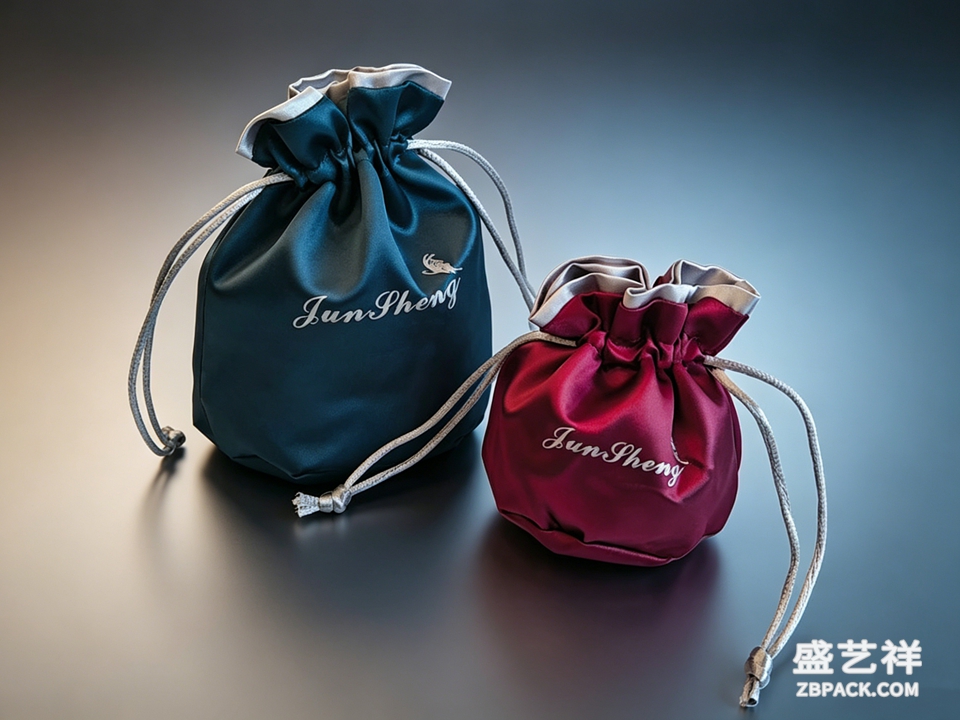
三件事。第一,材料耐老化:避开容易掉皮的 PVC 植绒,优先 FSC 认证纸基、真皮,或经过抗静电固化的绒布内衬,盒体挺度够、磁吸不松、开合顺滑。第二,留好"证据位":在盒内预留保卡与证书的独立卡位,让买家交付时盒证一体,而不是证书被另塞进抽屉。第三,品牌语言克制:用专属品牌色与压印,而不是满版印花,十年后看仍是"这家的东西"。这正是盛艺祥做珠宝盒定制时坚持的思路——把盒子当成"可传承容器",而不是一次性耗材。与之搭配的首饰袋(珠宝袋加工)也要同样耐看:素净的微纤维或再生棉,抽绳不松、可复用,买家转手时袋子连同盒子一起交出,完整度直接拉高估值。
问五:门店和电商,怎么把"全套交付"做成标准动作?
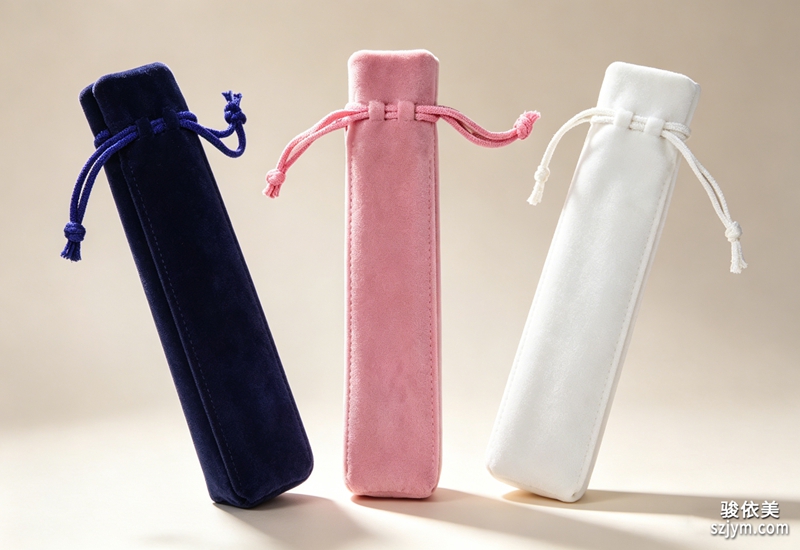
不少品牌把原盒当成本、把保卡当附件,结果交付时盒证分离、袋子随手给。正确做法是把"原盒+保卡袋+护理布+首饰袋"作为一套交付标准:柜台陈列时就让原盒可见(它本就是珠宝陈列道具的一部分),成交后连同证书一起交付;电商则在箱内做卡位固定保卡,并附一只可复用的首饰袋。更进一步,盛艺祥建议品牌用二维码或 NFC 把包装接上"数字证书"——扫一下盒子就能看到来源、材质与证书编号,转售时一键出示,包装从"容器"升级为"溯源入口"。这既贴合 EU PPWR 等合规方向,也让二手买家少一层验证成本。
问六:这件事对品牌和买家,到底图什么?
买家图的是真金白银:留好全套,转售时多卖 8%–20%,限量款还能更多。品牌图的是更长的生命周期价值——买家愿意留存、复用、甚至展示你的包装,等于长期免费的广告位;而二手市场的高能见度,又反过来喂养新品的信任。数据端:2026 年有 68% 的二手奢侈品买家把可持续列为首要动机,18–30 岁已占二手奢侈品市场的 35%(五年前仅 20%)。当"买一件、传一代"成为消费叙事,珠宝包装就不再只是卖货的壳,而是品牌资产的延伸。盛艺祥的建议很直接:卖一件珠宝,就交付一套经得起时间的包装。
本文为原创内容,版权归盛艺祥所有。如需转载请注明出处。盛艺祥(Shengyixiang)——高端珠宝包装设计与定制专家,为品牌护航。
Q1: How big is the pre-owned jewelry market, and why are luxury houses running their own resale programs?
The global used-jewelry resale market was worth about $71.9 billion in 2025 and is forecast to grow at a 6.8% CAGR through 2033. Broader pre-owned luxury passed €40 billion in 2025, growing roughly 15% a year and headed for €70 billion by 2030 — and pre-owned jewelry is the fastest-growing slice, up about +22% in 2026. The bigger shift: heritage brands now run certified pre-owned (CPO) programs. A July 2025 Hodinkee report found Rolex CPO listings carried roughly a 30% premium over non-CPO. When brands treat resale as a proper channel, the original box, warranty card and certificate stop being freebies and become part of the product’s "complete set." Shengyixiang sees this firsthand: packaging must be designed from day one as a heritage asset, not a disposable consumable.
Q2: Do the original box and certificate actually make jewelry sell for more?
Yes — but it depends on the category. In July 2026, top Beijing trade-in stores measured a gap of up to 10%–20% between a piece sold "complete" (box + papers + receipt) and the same piece "naked," at identical condition. Gold and heritage gold are valued purely on live spot price and gram weight, so the box adds little. For diamonds and colored stones, an authoritative certificate (GIA/NGTC) is the real premium driver — Taiwan buyers report a 1-carat diamond with vs without GIA can differ 30%–50%; the original box is a smaller plus. For branded jewelry — Cartier, Bvlgari, Van Cleef & Arpels, Tiffany — value rides on liquidity, not metal weight: a full set (box + warranty card + identity card + receipt) lifts resale 8%–15%, and limited or archive pieces up to 20%. US retailer Robinson’s Jewelers puts the figure at 20%–50% for fine estate pieces with complete box and papers. The box never proves authenticity by itself, but it is physical proof the piece was cherished.
Q3: Why is high-end minimalist packaging more favored by customers?
The boss often says "high-end minimalist jewelry packaging design is more likely to be favored by customers." In a resale context this is even sharper: a piece may sit in a drawer for ten or twenty years before it is sold again, so the box’s durability is its hidden value. All-over foil stamping, busy flocking and easily oxidized hardware look tired, peel and loosen within a few years — which lowers the "cherished" impression. A restrained charcoal, matte paper base, deep velvet insert and stable magnetic closure stay presentable decades later. China Packaging Federation’s 2026 report shows minimalist gift boxes have held a 25%+ CAGR for three straight years, and preference for minimalist boxes above ¥500 rose from 38% to 67%. McKinsey finds 73% of Gen Z will pay a premium for packaging that is "unique yet timeless." For resale, minimalism means one fewer layer that ages badly — and one more point of long-term credibility.
Q4: So how should packaging be designed to deserve being kept as an asset?
Three things. First, age-resistant materials: skip peel-prone PVC flocking; choose FSC-certified paper base, genuine leather or anti-static cured velvet, with a rigid shell and a closure that does not loosen. Second, build in an "evidence slot": reserve a dedicated card pocket inside the box for the warranty card and certificate, so box and papers travel together instead of the certificate getting lost in a drawer. Third, restrained brand language: a signature brand color and blind embossing beat all-over printing — still unmistakably "theirs" ten years on. This is exactly what Shengyixiang insists on in jewelry box customization: treat the box as a heritage container, not a one-time consumable. The matching pouch (jewelry pouch processing) should age just as well — clean microfibre or recycled cotton, drawstring that stays tight, reusable, so that when resold the pouch and box together raise the completeness — and the price.
Q5: How should stores and e-commerce make "complete delivery" standard?
Too many brands treat the original box as cost and the warranty card as an afterthought, so at delivery the box and papers split up and the pouch is handed over casually. The right move is to deliver as a set: box + warranty-card sleeve + care cloth + jewelry pouch. In-store, let the original box be visible as part of the display — it is part of your jewelry display props; after the sale, hand it over with the certificate. Online, fix the card in a die-cut slot inside the mailer and include a reusable pouch. Further, Shengyixiang advises brands to link the packaging to a "digital certificate" via QR or NFC: scan the box to see origin, materials and certificate number, ready to show at resale — turning the package from a container into a provenance gateway. That aligns with compliance trends like EU PPWR and also cuts verification cost for second-hand buyers.
Q6: What do brands and buyers actually get out of this?
Buyers get hard cash: keep the full set and resell for 8%–20% more, more for limited pieces. Brands get a longer lifecycle value — customers who keep, reuse and even display your packaging hand you a permanent free ad, while high visibility in the resale market feeds trust in new pieces. On the data side, in 2026 68% of pre-owned luxury buyers cite sustainability as their top motive, and 18–30-year-olds already make up 35% of the pre-owned luxury market (up from 20% five years ago). As "buy one, pass it down a generation" becomes the consumption story, jewelry packaging stops being just the shell and becomes an extension of the brand asset. Shengyixiang’s advice is plain: sell a piece of jewelry, deliver a package that outlasts time.
This is original content. Copyright belongs to Shengyixiang.Shengyixiang — your expert in high-end jewelry packaging design & customization.