
门店打包的门道 The Hidden Economics of In Store Jewelry Packing
一只戒指从成交到递到顾客手里,中间那几十秒的打包,往往决定顾客对这家店的最后印象,也悄悄吃掉利润。
问一:门店打包,时间到底耗在哪儿?
很多店主以为打包只是"拿个盒子装进去",真正算账才发现三笔隐性消耗。第一是人力:行业里手工打包平均约 6 分钟一单,靠老师傅手感,错一步就要返工,返工率能把约 5% 的成本白白搭进去。第二是耗材错配:通用首饰盒为了"显大"常常塞满缓冲填充,结果物流体积重超标、运费倒挂。第三是品牌折损——有调研显示约 78% 的消费者会通过包装来判断一个珠宝品牌的档次,廉价通货盒直接把复购率拉低近两成。另一组数据更刺眼:传统包装平均占商品售价约 12%,而廉价包装会让退货率激增约 37%。盛艺祥常建议门店先把打包拆成"时间、耗材、品牌"三张表来算,数字出来往往比直觉吓人。把打包当一个"沉默的销售员"来经营,第一步是先看清这三笔账。
问二:怎么设计打包动线,才不堵柜台?
答案是把"礼物包装站"当成一个独立工位来规划,而不是在收银台随手糊。实战经验有三条:选址要贴收银但不挡主通道——放在收银旁抽屉位或靠窗一角,让路过的人看见"有人在认真打包礼物",反而能勾起进店;分层收纳, carriers(袋与盒)放眼高、dressings(雪梨纸与丝带)放中层、工具耗材放腰位,三秒取到;定标准节拍,礼品打包 Good 档不超过 60 秒、Better 不超过 120 秒、Best 不超过 180 秒就能出活。为什么会有人愿意为打包等?一份调查中 52% 的人认为过节最烦的事就是包礼物,平均每人花约 3 小时,25% 的人花 4 小时以上——门店把这件麻烦事接过来,本身就是转化杠杆。旺季用移动推车把工位推出去,平时收起来不占地方。
问三:耗材怎么备,才不浪费也不掉链子?
核心是做一张"标准材料清单(BOM)"并分级。必备项其实就几样:首饰盒与首饰袋、雪梨纸或碎纸填充、丝带与腰封、封贴与卡片吊牌。按 Good、Better、Best 做成预组装套件,既统一品牌观感,又减少临时找料的时间浪费。结构上,磁吸式盒盖比胶带封口少用的胶带量能降约 63%,也少了"撕胶带找剪刀"的卡顿。材质上,源头工厂如盛艺祥可以做 FSC 认证再生纸基加水性胶;有品牌已把包装盒换成 100% 木浆、其中 40% 为再生纤维,并用纸纤混合胶带替代塑料胶带——既环保,又少了一种要管理的耗材。备货记一条铁律:主盒常年通用,节日感只做在可替换的腰封、卡片和丝带上,同批盒子能从七夕滚到中秋再滚圣诞。
问四:高端简约的珠宝包装设计,为什么更容易被顾客青睐?
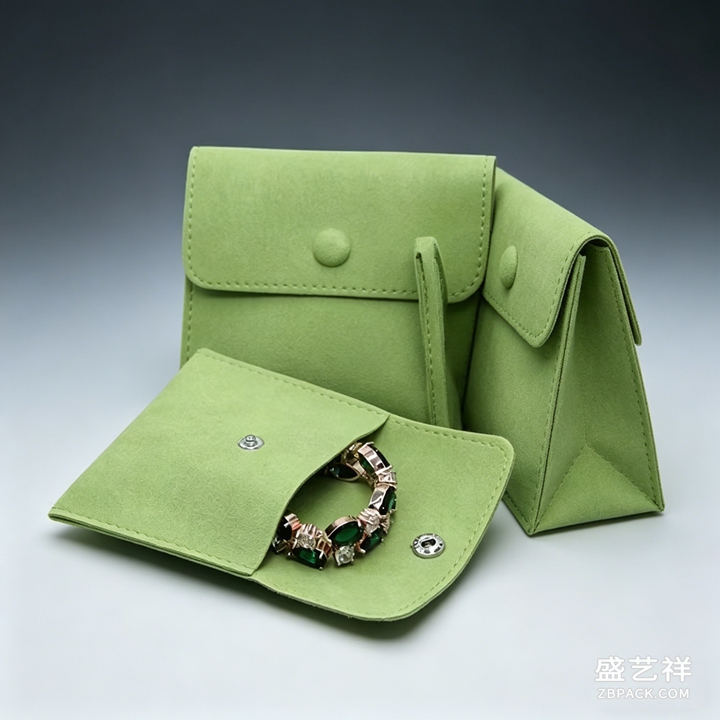
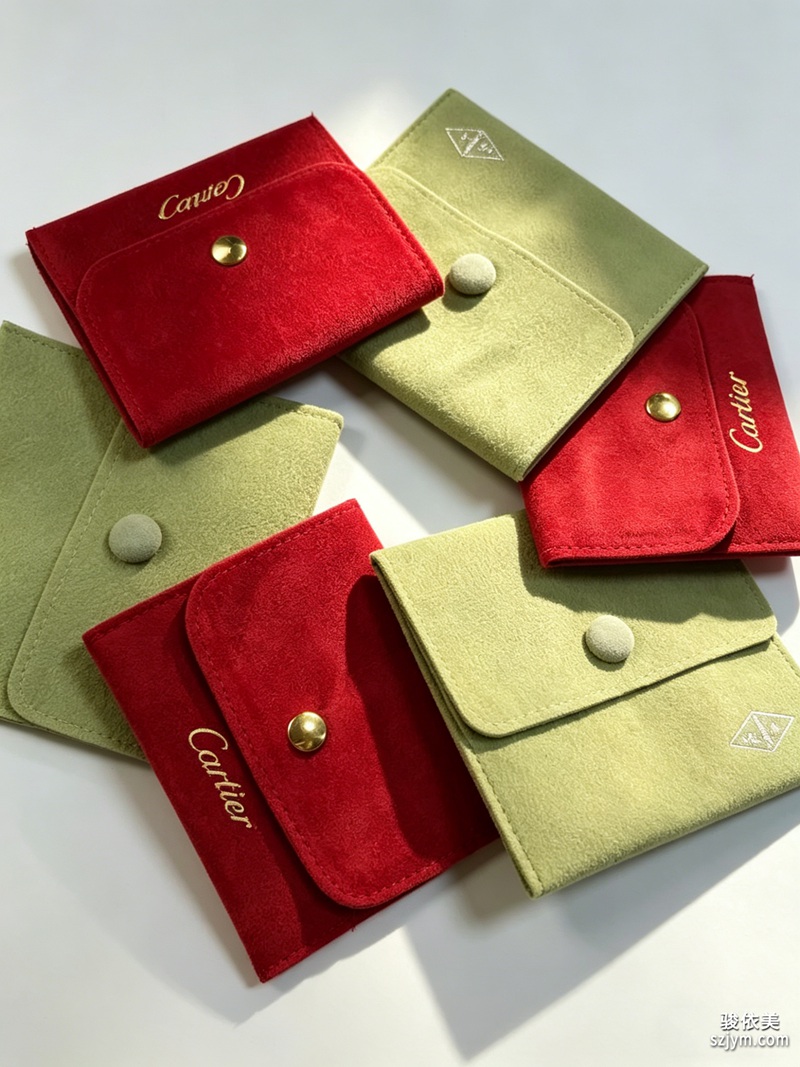
落到门店打包这个场景,答案很实在。简约意味着少一层、小一圈、轻一点,正好踩中当下"减量"的方向,也减少耗材种类、缩短拣包时间约 10% 至 15%。更关键的是,高端简约为门店省下的预算,可以集中投到顾客指尖真正能摸到的地方——开合阻尼、内衬平整度、丝带手感、卡片克重,这些才是当场可验的"品控证据"。当柜台演示件和电商开箱件说着同一套设计语言,顾客不管在店里还是在收到快递时,记住的都是同一个克制的品牌印象。盛艺祥在珠宝包装设计上一直坚持"外观做减法、工艺做加法",正是这个逻辑:看起来越简单,越考验工厂的内功。
问五:打包最容易出错的货损和返工,怎么防?
货损大多不是摔出来的,是"箱内二次碰撞"磨出来的。多件混装时,金属扣件相互摩擦是微划痕最大的来源;对策是独立卡位加抗静电内衬(厚度建议 1.2 至 1.8 毫米),让每件各安其位。门店每单封箱前做"三看":看内衬是否到位、看卡位是否卡稳、看封贴是否可复原(避免"看一眼等于已拆封"的退换争议)。还有一道容易被忽略的红线——材料安全,曾有品牌因包装海绵甲醛超标被索赔 82 万元,批量前务必索取 SGS 环保认证并保留供应商资质。规模化的标杆案例里,三阶段质检把缺陷率从 5% 压到不足 0.1%,靠的不是运气,是把验收写进每一批。
问六:打包能不能从成本中心变成利润点?
能。把礼物包装做成 Good、Better、Best 三级,基础档随单赠送、升级档适当收费,既保体验又开了一条加购路径,实测能给客单价带来约 3% 至 8% 的上浮。可复用首饰袋是长期免费的广告位——约 78% 的消费者会重复使用品牌礼袋,等于让顾客把你的商标带去了别处。再进一步,把打包区和珠宝陈列道具做成一组语言:柜台上拆盒、摆台上看货、袋子里带走,三位一体。接上 NFC 或二维码还能把一次拆箱变成复购入口,有实测显示带认证硬盒的开箱好感度能提升约 18 分,复用布包让退换成本降约 22%。打包,从来不只是把东西装进去。
本文为原创内容,版权归盛艺祥所有。如需转载请注明出处。
盛艺祥(Shengyixiang)——高端珠宝包装设计与定制专家,为品牌护航。
The few seconds between a sale and handing the box to a customer quietly shape the last impression of your store, and quietly eat into margin if you let them.
Q1. Where does in-store packing actually burn time and money?
Most owners treat packing as "grab a box and drop it in," but the real ledger shows three hidden drains. Labor first: hand packing averages about 6 minutes per order and leans on veteran staff instinct; one mistake means rework that can add roughly 5% to cost, and during peak season that rework compounds into queue time customers feel right at the register. For a single-branch boutique the math is the same in miniature: two staff minutes saved per order across fifty orders a day is nearly two hours of selling time recovered every week. Second, consumable mismatch: generic jewelry boxes padded to "look big" often push dimensional weight over the carrier threshold and flip shipping cost negative, so a lighter product ships heavier than it should. Third, brand erosion, because one survey found about 78% of consumers judge a jewelry brand's tier by its packaging, and cheap commodity boxes pull repeat-purchase rates down by nearly a fifth. Sharper still: traditional packaging runs about 12% of item price, while cheap packaging spikes return rates by roughly 37%. A benchmark retailer with more than 200 stores cut total packaging cost 15% and lifted on-time-in-full delivery to 99.9% simply by moving from ad-hoc packing to a managed, forecast-driven supply; it also stopped wasting staff hours inspecting and discarding faulty boxes, a hidden gain most stores never book. Treating the pack station as a silent salesperson starts with seeing those three lines clearly. The pattern repeats at every scale, from one counter to a 200-store chain: the winners treat packing as a system, never an afterthought.
Q2. How do you design a packing workflow that doesn't block the counter?
Plan the gift-wrap station as its own workstation, not a scramble at the register. Three rules from the field: locate it adjacent to checkout but off the main path, by a drawer slot or near-window corner, so passers-by see "someone is wrapping a gift," and that visibility alone pulls foot traffic and signals a service-minded store. Stores that face the station toward the window report casual browsers converting precisely because they saw a gift being made, not just a product on a shelf. Layer the storage: carriers, meaning bags and boxes, at eye level, dressings such as tissue and ribbon at mid height, and tools at waist, so any item is a three-second grab rather than a hunt. Set a beat: Good tier no more than 60 seconds, Better no more than 120, Best no more than 180 per wrap, so even a busy Saturday does not back up the line. Why would anyone wait? In one poll 52% said gift wrapping was the worst part of the holidays, averaging about 3 hours each and 25% spending 4 or more hours, so a store that absorbs that hassle is itself a conversion lever. A tiered paid wrap, with Good free and Better and Best charged, opens a small but real upsell, and the mobile-cart model lets a store trial the service during a peak window before committing floor space permanently.
Q3. How do you stock consumables without waste or stockouts?
Build a standard bill of materials, a BOM, and tier it. The essentials are few: jewelry boxes and pouches, tissue and shred fill, ribbon and belly bands, seals and message cards. Pre-assemble them into Good, Better, Best kits for a consistent brand look, less time hunting parts, and a predictable cost per wrap. A lean BOM also shortens training for seasonal hires, because there are fewer variants to teach and fewer ways to get a wrap wrong. Structurally, magnetic closures cut tape use by about 63% and remove the "find scissors, tear tape" stall that slows every tenth order. On materials, a source factory like Shengyixiang can run FSC-certified recycled paper base with water-based glue; one brand already switched boxes to 100% wood pulp with 40% recycled fiber and swapped plastic tape for a paper-fiber blend, greener and one fewer SKU to manage. The payoff is measurable: modular inserts alone saved about 12% on pick-and-pack time in small facilities, and a managed vendor-inventory program took a 200-store chain from a 5% defect rate to under 0.1% while holding 99.9% on-time delivery through both Black Friday and Christmas. Counting consumables as a managed category rather than a drawer of leftovers is the single biggest leap a small jewelry store can make in operational maturity, and sourcing the BOM in flexible small batches keeps cash free while avoiding the dead stock that quietly kills margin. One iron rule for restock: keep the master box year-round, push the seasonal feel only into swappable belly bands, cards and ribbons, so the same batch rolls from Qixi to Mid-Autumn to Christmas without dead stock.
Q4. Why does minimalist high-end jewelry packaging design win more customers?
On the packing floor the answer is concrete. Minimal means one less layer, a smaller footprint, a lighter parcel, exactly the "less is more" direction, and it also trims the number of consumable types and shortens pick-and-pack time by about 10% to 15%, which is real labor saved at the counter. More importantly, the budget a minimal box saves can be reinvested into what the customer actually feels at the fingertips, closure damping, liner flatness, ribbon hand, card weight, the on-site quality proof that no slogan can fake. When the counter demo piece and the e-commerce unboxing speak the same design language, the customer remembers one restrained brand impression whether in store or at the doorstep, and that consistency is what turns a one-time buyer into a repeat one. Customers rarely articulate it, but they notice when the box in hand matches the case on the counter, and that quiet coherence is what premium positioning is built on. In markets moving toward packaging regulation, a simpler box also means fewer layers to declare and a lower eco-modulation fee, so restraint pays twice. Shengyixiang's jewelry packaging design holds to "subtract on the surface, add in the craft": the simpler it looks, the more it tests the factory's skill, and the less consumable clutter your staff have to manage mid-sale.
Q5. How do you prevent the packing errors that cause damage and rework?
Most damage isn't from drops, it is secondary collision inside the box. When multiple pieces share a compartment, metal fittings grinding together are the top source of micro-scratches; the fix is individual slots plus anti-static liner, 1.2 to 1.8 mm recommended, so each piece sits still instead of rattling against its neighbor. At the counter, a three-look check before sealing: liner seated, slot locked, seal restorable, to avoid "looked equals opened" return disputes that sour a gift purchase. Document that check as a one-line slip inside the counter so new hires follow it without supervision, turning a good intention into a standard. Training matters as much as material: stores that run a short packing workshop cut inconsistent wraps and the returns that follow from a sloppy seal. One easily missed red line is material safety, because a brand was once sued about 820,000 yuan over formaldehyde in packing foam; always request SGS certification before bulk and keep supplier qualifications on file, since a single failed batch can erase a season of margin. At scale, a three-stage quality check cut defect rates from 5% to under 0.1%, not luck but acceptance criteria written into every batch and verified on a statistically meaningful sample.
Q6. Can packing move from cost center to profit?
Yes. Tier gift wrapping Good, Better, Best, with base complimentary and upgrade paid, keeps the experience intact and opens an upsell path that lifts average order value about 3% to 8% in tests. Reusable jewelry pouches are long-term free billboards, because about 78% of consumers reuse branded gift bags, carrying your mark into offices and parties long after the sale. Go further: make the packing zone and the jewelry display props one language, unbox at the counter, view on the display, carry in the pouch, three-in-one, so the brand reads the same from shelf to doorstep. Add NFC or QR and one unboxing becomes a repurchase entry; field tests show authenticated rigid boxes lift unboxing sentiment by about 18 points, reusable cloth wraps cut exchange cost by about 22%, and authentication seals lift conversion on high-value items by up to 12%. The economics stack: a small wrap fee plus a reusable pouch plus a repurchase prompt can recover the entire packaging cost of a piece within two repeat orders, and tracking wrap upgrades as a line item quickly shows which tier pays for itself. None of this requires a bigger box; it requires treating the moment of handover as a designed experience rather than a formality. Packing was never just putting things in a box, it is the last salesperson your customer meets and the first one they remember. When the handover feels intentional, customers remember the brand longer than they remember the price.
This is original content. Copyright belongs to Shengyixiang.
Shengyixiang — your expert in high-end jewelry packaging design & customization.