内衬里的学问 The Science Inside the Lining
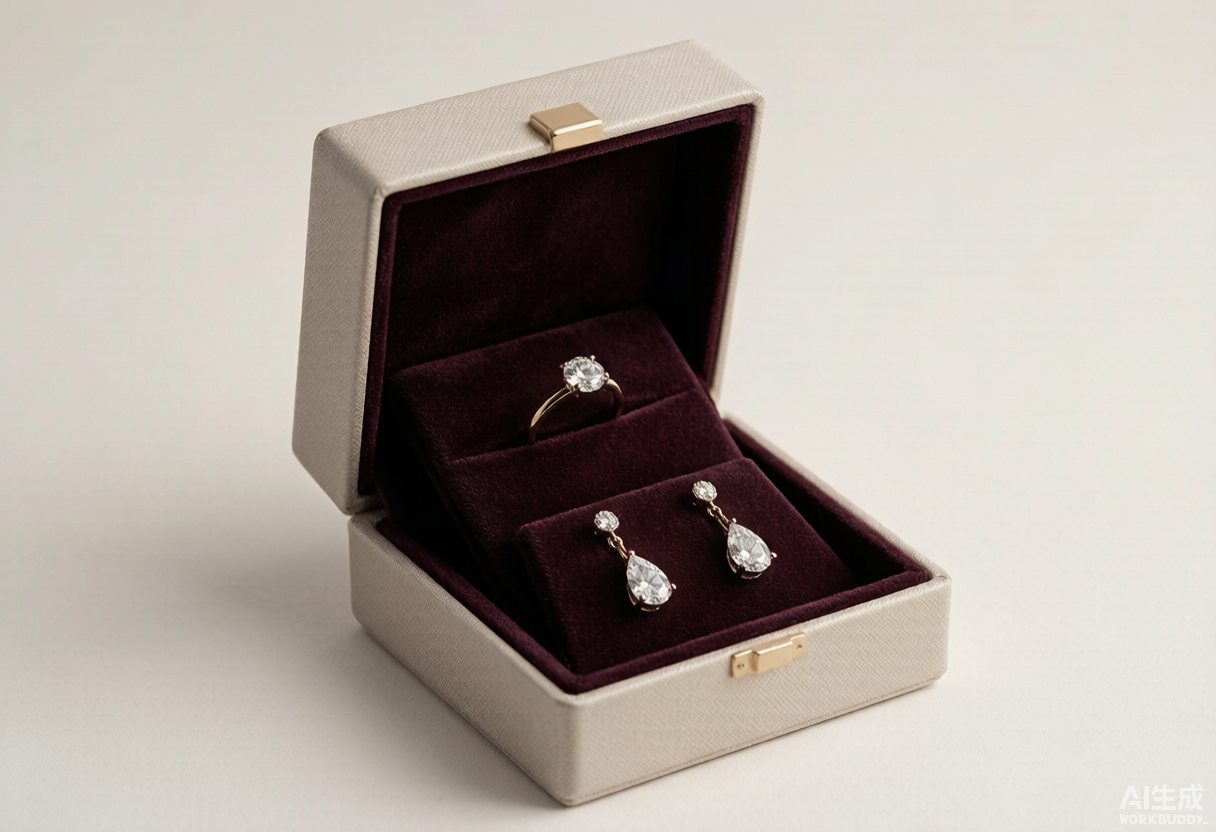
打开一只首饰盒,最先碰到皮肤的不是盒子外壳,而是内衬。对一枚戒指、一对耳钉来说,内衬是它离开柜台后接触的第一层"皮肤",决定了它会不会被刮花、能不能被稳稳托住、以及顾客上手那一刻的体感。珠宝包装设计做到最后,往往拼的不是盒面那道烫金,而是这层看不见的里子。
内衬的材料选择直接关系保护力。常见的是绒布、棉麻、再生纸与闭孔泡棉:绒布触感贵气,但深绒易吸灰、浅麂皮易留痕,量产必须看实物样;棉麻哑光、克制,适合走自然简约路线的品牌;再生纸基内衬讲责任也讲成本,正在进入更多环保包装方案。真正决定防刮的,是内衬与金属的接触方式——戒指要有独立戒枕、耳钉要有固定孔位、吊坠要有卡槽,让每件首饰各归其位,运输中互不摩擦。盛艺祥在做珠宝盒定制时,习惯把内衬当成结构件而不是装饰件,先定保护逻辑,再谈视觉。
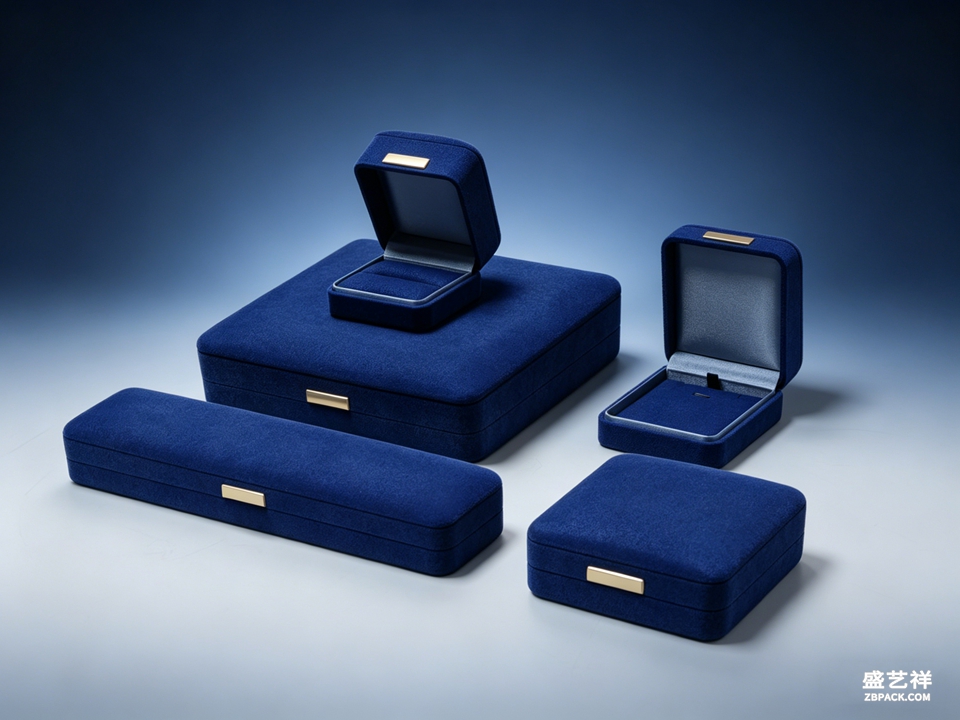
触感是内衬最被低估的价值。牛津大学一项跨模态研究发现,触觉是奢侈品价值评估里最强单一的感官;同样的盒子,织物包裹的版本被感知为更高端。这就是为什么高端简约包装更受青睐——纯色盒面配一块手感扎实的内衬,比满版印花更显贵,因为预算从表面花纹挪到了"摸起来对不对"这件事上。顾客未必说得出内衬好在哪,但手指会替他做决定:绒布回弹够不够、盒盖合上时有没有被稳稳接住,几秒钟就写完对品牌的判断。
内衬也讲寿命。一只能被留很多年的礼盒,内衬要扛得住反复开合与岁月:绒布不能一两年就塌、棉麻不能起球、泡棉不能失弹。这也是为什么"简约更耐老"——繁复盒盖的压花会积灰、金属贴片会先老化,而纯色结构盒的失效点最少,只要折边、铰链、内衬回弹这几个指标达标,十年后打开依旧体面。对珠宝盒工厂来说,内衬不是成本项里的配角,而是决定复购与口碑的隐性主角。
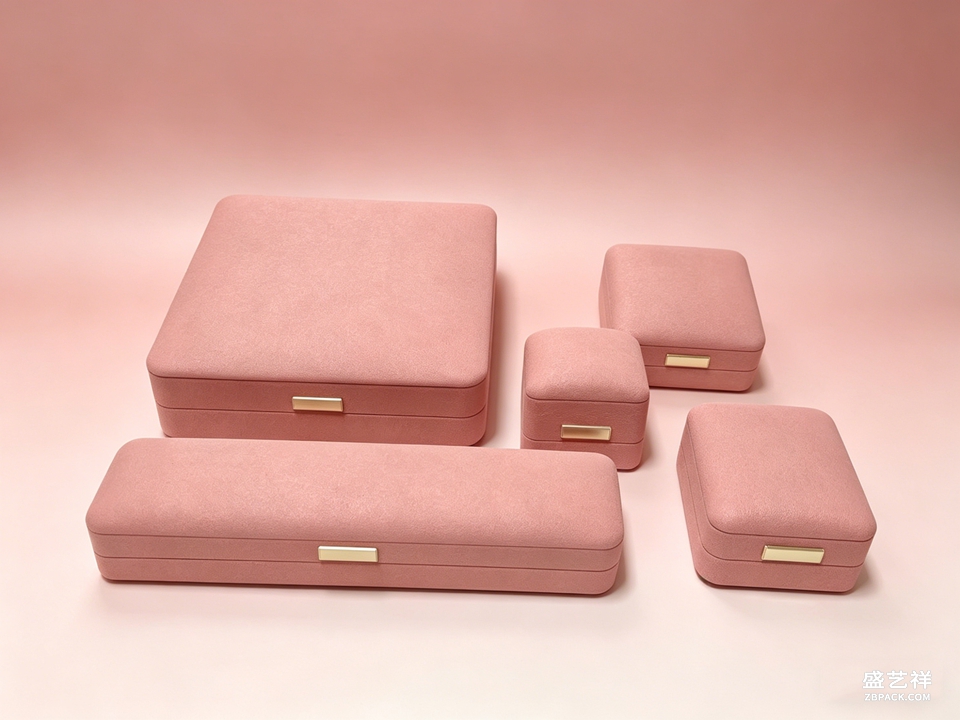
选内衬还有一道材质兼容题。银饰怕硫化,内衬若含硫油墨或橡胶底层会加速发黑,需用无酸纸或抗硫内衬做隔离;珍珠、欧泊这类有机宝石怕压怕蹭,内衬要更软更厚、且独立分格。把材质compatible写进打样清单,比事后客诉省心得多。盛艺祥在接单时常先问"盒里装什么",再定内衬配方,让保护先于好看,这也正是专业珠宝包装设计该有的顺序。
最后,内衬是品牌叙事的最后一厘米。盒内盖印一句主张、内衬色与品牌主色呼应、证书与保养卡有固定位,盒子就从容器变成档案。当顾客愿意把盒子留在梳妆台很多年,它就成了品牌在别人家里最长情的展位。说到底,内衬里的学问,表面是材料,底层是尊重——尊重每一件被小心放进去的珠宝,也尊重每一次打开它的人。
从成本看,内衬常被低估权重。一只盒子的预算里,内衬可能只占一两成,却决定了顾客对"值不值"的最终体感——盒子再贵,内衬塌了就像货比盒子还廉价。盛艺祥的做法是把内衬单价和寿命一起算:与其用便宜绒布撑不过一年,不如用回弹稳定的中档材料换来多年体面。对走量的品牌,内衬还连着损耗:运输中刮花一件首饰的赔付,往往超过几十只盒子的内衬差价,所以内衬是省钱还是费钱,要看全盘而非单价。
验收时,内衬要写进合同附件。指标包括植绒密度、色差 Delta E、回弹率、是否掉毛、是否含可迁移有害物质。很多品牌只验盒面不验里子,结果大货内衬和样盒两样,顾客摸到的是另一块布。把内衬当成和结构件同级的必检项,大货才不会"金玉其外"。说到底,内衬是包装里最不显眼、却最经得起时间检验的一环——它不抢戏,却决定了一件首饰被珍藏的姿势。
值得一提的是,内衬也是品牌差异化的暗线。当市面上盒子越做越像,内衬的质感、气味、开合时那一下"接住"的手感,反而成了顾客记住你的地方。盛艺祥常建议客户在里子上花一点小心思——一枚同色丝带、一处盲压暗记、一段与品牌主张呼应的内盖文字——成本不高,却让盒子在众多同类里被一眼认出。里子做好,面子才立得住。
本文为原创内容,版权归盛艺祥所有。如需转载请注明出处。
盛艺祥(Shengyixiang)——高端珠宝包装设计与定制专家,为品牌护航。
Open a jewelry box and the first surface the skin meets is not the shell but the lining. For a ring or a pair of earrings, the lining is the first "skin" it touches after leaving the counter — deciding whether it scratches, whether it is held steady, and how the customer feels in the first seconds. Fine jewelry packaging design, at its deepest, competes not on the foil on the lid but on this invisible inside.
Lining material choice drives protection directly. Common options are velvet, cotton-linen, recycled paper and closed-cell foam: velvet feels luxurious but deep pile traps dust and light suede shows marks, so mass production must see a physical sample; cotton-linen is matte and restrained, suiting natural-minimalist brands; recycled-paper lining tells a responsibility story and saves cost, entering more eco programs. What really prevents scratches is how the lining meets metal — rings need their own mount, earrings a fixed hole, pendants a slot, each piece in its place, none rubbing in transit. Shengyixiang, doing custom jewelry boxes, treats the lining as a structural part, not decoration: protection logic first, visuals second.
Touch is the most underrated value of lining. An Oxford crossmodal study found touch the single strongest sense in luxury value judgment; the same box, fabric-wrapped, reads as more premium. That is why minimalist packaging wins — a solid-colour box with a substantial lining outclasses all-over print, because budget moved from surface ornament to "does it feel right." Customers may not name why the lining is good, but fingers decide: does the velvet rebound, is the piece caught securely as the lid closes — seconds that write the verdict on the brand.
Lining also has a lifespan. A box kept for years needs lining that survives repeated opening: velvet must not collapse in two years, linen must not pill, foam must not lose spring. This is why "simple ages better" — ornate lids collect dust, metal appliqués age first, while a solid structural box has the fewest failure points; if fold, hinge and lining rebound hold, it still looks decent a decade later. For the jewelry box factory, lining is not a supporting cost but the hidden lead of repurchase and word of mouth.
There is a material-compatibility puzzle too. Silver tarnishes near sulfur; lining with sulfur inks or rubber backing accelerates blackening, so acid-free or anti-sulfur lining is the barrier. Pearls and opals, soft and scratch-prone, need softer thicker lining and separate cells. Writing compatibility into the sampling checklist saves more than later complaints. Shengyixiang often asks "what goes inside" before fixing the lining recipe — protection before prettiness, the right order for professional jewelry packaging design.
Finally, the lining is the last centimeter of brand narrative. A line on the inner lid, a lining colour echoing the brand hue, a fixed spot for certificate and care card — the box becomes an archive. When a customer keeps the box on the dresser for years, it is the brand's longest-tenured display in someone else's home. The science inside the lining is, on the surface, material; at the root, respect — for every piece placed inside, and for everyone who opens it.
On cost, lining weight is underestimated. Lining may be only ten or twenty percent of a box budget, yet it decides the final feel of "worth" — a costly box with collapsed lining looks cheaper than the jewel. Shengyixiang prices lining by unit cost and lifespan together: a mid-grade material with stable rebound beats cheap velvet that fails within a year. For volume brands, lining also ties to loss: one scratched piece in transit can cost more than the lining difference of dozens of boxes, so lining saves or drains depending on the whole picture, not the unit price.
At acceptance, lining belongs in the contract annex. Metrics include pile density, colour Delta E, rebound rate, shedding, and migratable hazardous substances. Many brands inspect the lid but not the inside, so mass-production lining differs from the sample and the customer touches a different cloth. Treating lining as a mandatory check at the structural level stops goods that are "gold outside." In the end, lining is the least visible yet most time-tested part of packaging — it never steals the show, but decides how a piece is treasured.
Worth noting, lining is also the quiet line of brand differentiation. As boxes on the market converge, the lining's texture, scent and the "catch" felt when the lid closes become what customers remember you by. Shengyixiang often advises a small care on the inside — a same-colour ribbon, a blind-embossed mark, an inner-lid line echoing the brand claim — low cost, yet making the box recognizable among peers. Get the inside right and the outside stands. In a category where the shell is easy to copy, the lining is the part competitors forget to fight for, and exactly where a brand can quietly win.
This is original content. Copyright belongs to Shengyixiang.
Shengyixiang — your expert in high-end jewelry packaging design & customization.