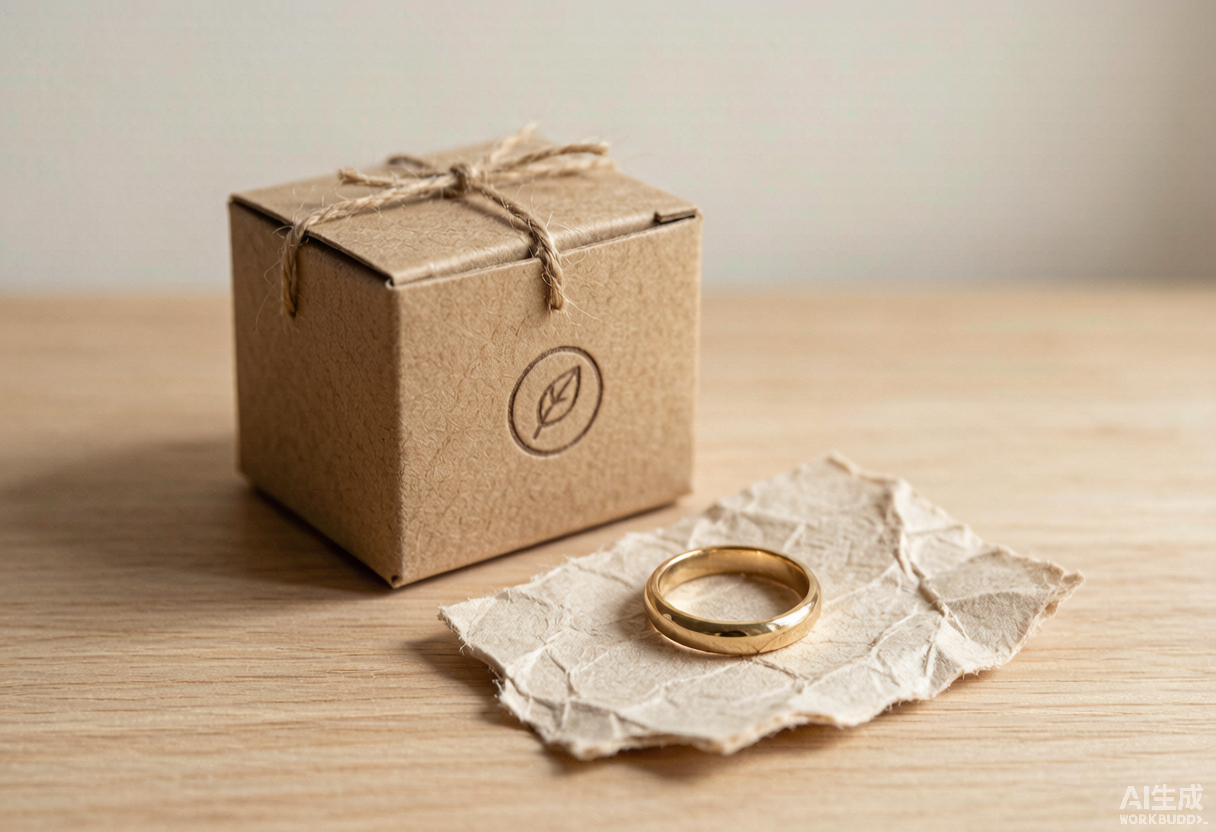
让包装转起来 When Packaging Goes Circular
一只珠宝盒的旅程,过去在顾客拆开那刻就结束了。如今,它正被要求"转起来"——从一次性礼盒,变成能回收、能复用、甚至能回到工厂重生的循环单元。可循环包装设计不是给盒子加一句环保口号,而是从结构、材料到回收路径的整套重做,也是珠宝包装设计当下最实在的一道题。
循环的第一步是"单一材料"。传统礼盒常把纸、塑、绒、胶、金属五金层层粘死,到了回收端谁也分不出来,只能当混合垃圾。设计师改用单一纸基或单一可回收塑料作主体,磁吸扣、丝带做成可分离件,盒子就能进正常的回收流。right-sizing(适度瘦身)也在帮忙:按产品真实尺寸反向设计盒型,拿掉假底和填充,单箱体积降一两成,用料和运费一起省。盛艺祥在接环保线订单时,会先画一张"材料地图",把每一种成分是否可回收标清楚,避免好看却不可拆。
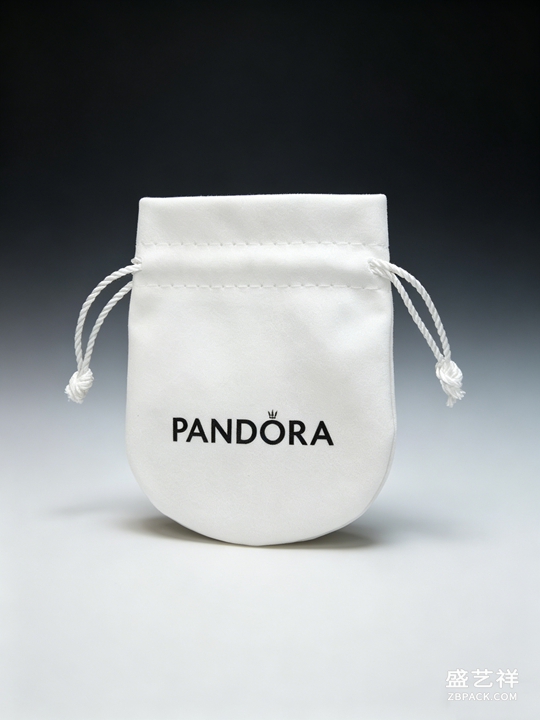
复用是循环的第二层。一只结构稳、外观克制的盒子,天生适合被留下装别的首饰——这比它用一次就进垃圾桶值钱得多。品牌可以顺手做两件事:一是用不透光、可水洗、印一枚干净标识的首饰袋承接"离店之后"的曝光;二是把盒型做成标准尺寸,方便顾客归位收纳。小批量首饰盒定制在这里有优势:起订量低,品牌可以先上一款"通用回收盒",验证市场反应再放大,不必押一大堆专用盒。
回收路径要写进设计。再好的材料,若没有回收入口也是空谈。成熟做法是在外箱印清晰标识与二维码,告诉顾客"盒到这里去";品牌侧建立简单的take-back或合作回收点,让包装真正闭环。欧盟 PPWR 这类法规已经把"包装最小化""可回收率"写成了硬指标,国内消费者也越来越多把"能不能回收"当成购买考量。对珠宝盒工厂来说,循环设计正从加分项变成出海的入场券。
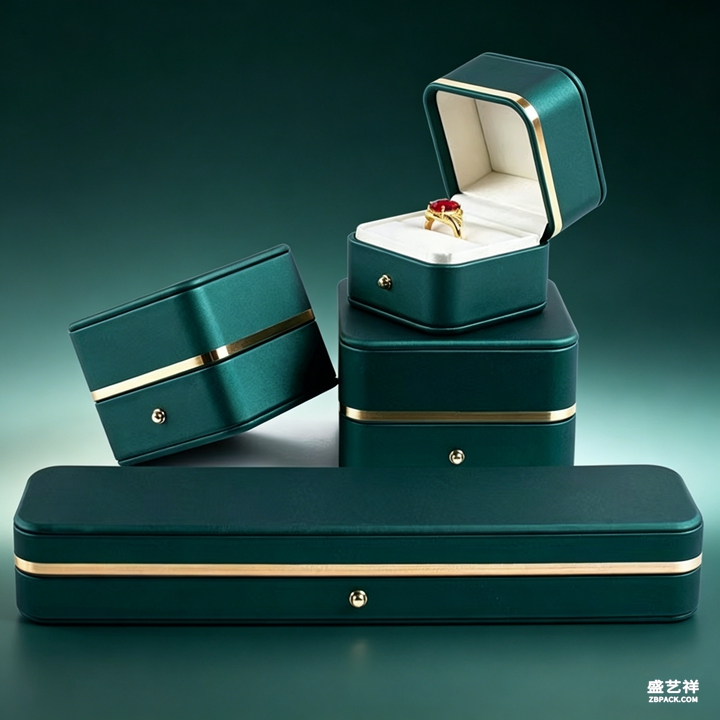
循环不等于丑,也不等于贵。恰恰相反,极简结构往往最易循环:纯色特种纸、可分离磁吸、无复合夹层,既好拆又好回收,还显贵。把预算从表面工艺挪到材料选择与可回收性,盒子反而更干净。盛艺祥的经验是,循环设计和高端简约其实是同一件事的两面——都主张少即是贵、都拒绝为好看牺牲结构与责任。
对中小品牌,循环是低成本建立好感的机会。不必一步到位做全套回收体系,先从"可换季节封套+通用盒身""无塑填充""外箱印回收标识"这三件小事做起,顾客就能感知到品牌的用心。当一只盒子被用完之后还能被认真对待,品牌在顾客心里的分量,也会跟着转起来。说到底,让包装转起来,转的不只是材料,还有顾客对品牌的信任。
循环设计的难点不在材料,而在系统。很多品牌乐于用再生纸,却没人告诉顾客盒子该去哪;印了回收标,城市里却没有对应入口,盒子最终还是进了其他垃圾。所以循环要"两头都通":产品端做可回收结构,消费端给清楚路径,中间靠品牌把两者连起来。盛艺祥在给出海客户做方案时,会先问目标市场有没有回收基础设施,再决定用哪种基材——在欧洲能进蓝袋的纸基,到了设施不全的市场可能要改可复用路线。循环不是一句口号,是一张从工厂到家门再回工厂的地图。
对顾客来说,循环包装还是一种参与感。当一只盒子被明确告知"我可以回来",顾客和品牌之间就多了一段持续关系,而不只是一次交易。品牌可以借回收做轻互动:寄回旧盒换小礼、扫码看这只盒的来路、把回收做成可分享的仪式。这些动作成本不高,却把"环保"从贴在盒上的词,变成顾客亲手参与的事。当更多人愿意为"能转起来"的包装多停留一眼,循环才真正开始转——转的不只是材料,还有人与品牌之间的那点长久。
也有人担心循环包装会显得"素"。其实恰恰相反,去掉不可拆的复合层之后,盒子反而更干净、更像样。盛艺祥见过太多"为环保而环保"的粗糙纸盒翻车,也见过把单一纸基做出挺括手感的精品——差别不在材料贵贱,而在结构到不到位。循环设计和高端感并不冲突,前提是把可回收当成设计约束,而不是偷工减料的借口。
本文为原创内容,版权归盛艺祥所有。如需转载请注明出处。
盛艺祥(Shengyixiang)——高端珠宝包装设计与定制专家,为品牌护航。
A jewelry box's journey used to end the moment it was opened. Now it is asked to "go circular" — from a one-time gift box into a unit that can be recycled, reused, even returned to the factory and reborn. Circular packaging design is not an eco slogan on the lid; it is a full rework of structure, material and recovery path, and the most practical problem in jewelry packaging design today.
The first step is mono-material. Traditional gift boxes glue paper, plastic, velvet, glue and metal hardware into layers no recycler can separate, so they become mixed waste. Designers switch to a single paper base or single recyclable plastic as the body, make the magnet and ribbon detachable, and the box enters a normal recovery stream. Right-sizing helps too: design the box backward from the product's true size, drop false bottoms and fillers, and single-carton volume falls by 10–20%, saving both material and freight. Shengyixiang, on eco-line orders, draws a "material map" first, marking every component's recyclability so the box is pretty yet separable.
Reuse is the second layer. A structurally sound, visually restrained box is born to be kept for other jewelry — far more valuable than landing in the bin after one use. Brands can do two easy things: a light-blocking, washable pouch with one clean mark carries the "after leaving the store" exposure; and a standard box size helps customers re-home and store. Small-batch custom boxes help here: low minimums let a brand launch one "universal recyclable box," test reaction, then scale, without betting on a pile of dedicated boxes.
Recovery path must be designed in. Good material with no intake point is still talk. The mature move is a clear mark and QR code on the outer carton telling the customer where the box goes; the brand side sets up a simple take-back or partner drop-off to close the loop. Regulations like the EU's PPWR have written "minimization" and "recyclability" into hard targets, and domestic consumers increasingly weigh "can it be recycled" when buying. For the jewelry box factory, circular design is moving from a plus to an entry ticket for export.
Circular is not ugly, nor expensive. Minimalist structure is often the easiest to cycle: solid-colour specialty paper, detachable magnet, no composite layers — easy to separate, easy to recycle, and premium-looking. Moving budget from surface craft to material choice and recyclability makes the box cleaner. Shengyixiang's experience: circular design and high-end minimalism are two faces of one idea — both preach less-is-precious and refuse to sacrifice structure or responsibility for looks.
For small brands, circularity is a low-cost way to build goodwill. No need for a full recovery system at once; start with three small acts — a swappable seasonal sleeve over a universal box body, plastic-free filler, a recycle mark on the carton — and customers feel the care. When a box is taken seriously even after it is used up, the brand's weight in the customer's mind starts to turn as well. Making packaging circulate moves not only material but the customer's trust in the brand.
The hard part of circular design is not material but system. Many brands happily use recycled paper yet tell the customer nowhere the box should go; a recycle mark is printed, but the city has no matching intake, and the box ends in general waste. So circular must connect both ends: a recyclable structure at the product side, a clear path at the consumer side, linked by the brand in the middle. Shengyixiang, for export clients, asks first whether the target market has recovery infrastructure, then picks the base material — paper that enters the blue bag in Europe may need a reusable route where facilities are thin. Circularity is a map from factory to door and back, not a slogan.
For customers, circular packaging is a sense of participation. When a box is explicitly told "I can come back," the relationship with the brand gains a continuing thread, not just a transaction. Brands can turn recovery into a light interaction: return the old box for a small gift, scan to see the box's origin, make recycling a shareable ritual. Low cost, yet it turns "eco" from a word on the lid into something the customer does by hand. When more people pause for a box that "keeps moving," the loop truly starts — moving not only material but the longevity between people and brand.
Some fear circular packaging looks "plain." The opposite is true: once non-separable composites are gone, the box reads cleaner and more proper. Shengyixiang has seen both the rough paper box that failed by "eco for eco's sake" and the premium piece made from a single paper base with a crisp handfeel — the difference is not material cost but structural rigor. Circular design and a premium feel do not conflict, provided recyclability is treated as a design constraint, not an excuse to cut corners. The brands that do it well turn the limit into a look: restrained, honest, and quietly more expensive-feeling than a box buried in plastic and foil.
This is original content. Copyright belongs to Shengyixiang.
Shengyixiang — your expert in high-end jewelry packaging design & customization.