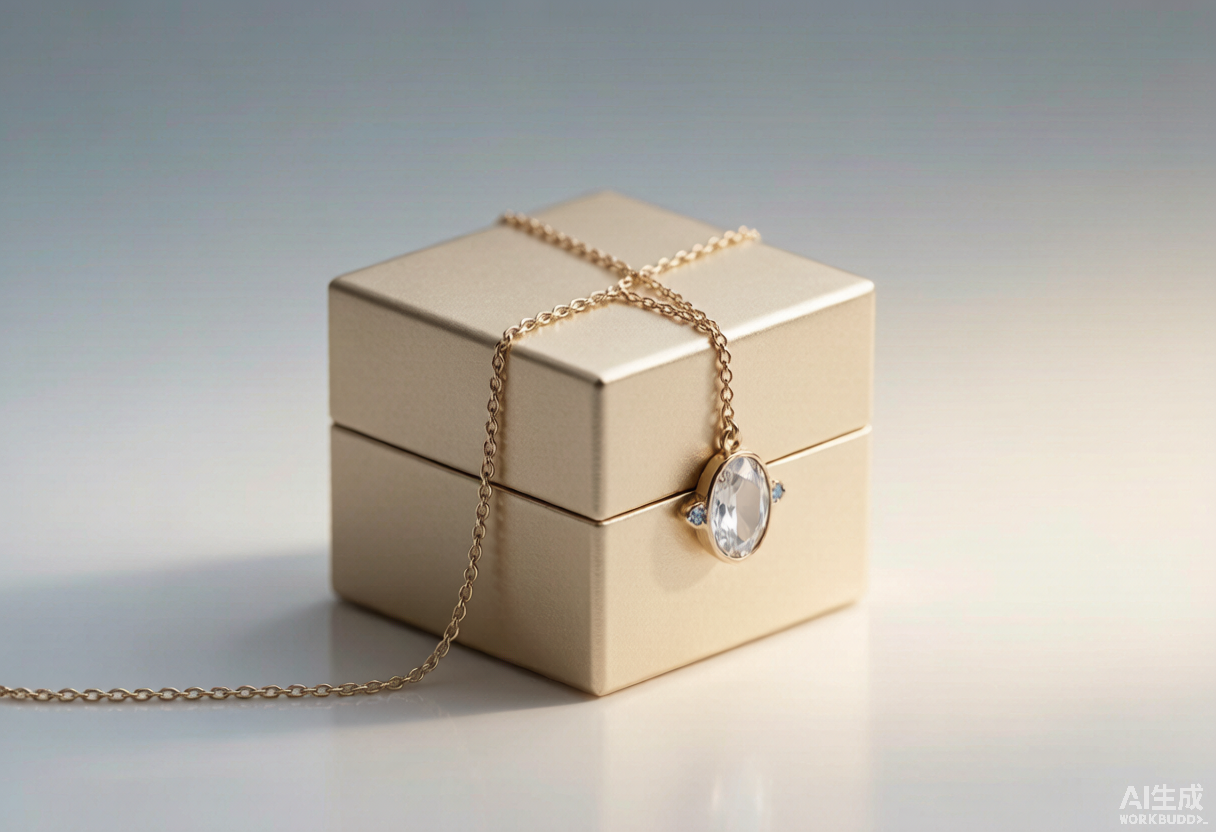
盒子定义首饰 When the Box Shapes the Jewel
我们习惯先有首饰、再配盒子。但越来越多品牌把顺序反过来:先想清楚盒子要怎么开、怎么装、怎么被留下,再倒推首饰本身的形态。这种"包装定义产品"的反向设计,正在成为珠宝包装设计里最前沿也最容易被忽略的一环。
反向设计的起点是佩戴场景。一枚常被旅行的戒指,若从一开始就知道要进一只扁平可旋的戒托盒,它的造型就会主动避开易刮的尖角;一套每日叠戴的耳钉,若预设了分层内衬,设计师就会把单只尺寸压到能并列不缠。盒子不再是首饰的"外衣",而是首饰形态的联合定义者。盛艺祥在接定制单时,常先问"它平时怎么戴、怎么收",再给首饰提结构建议,让产品与包装从草图阶段就彼此成全。
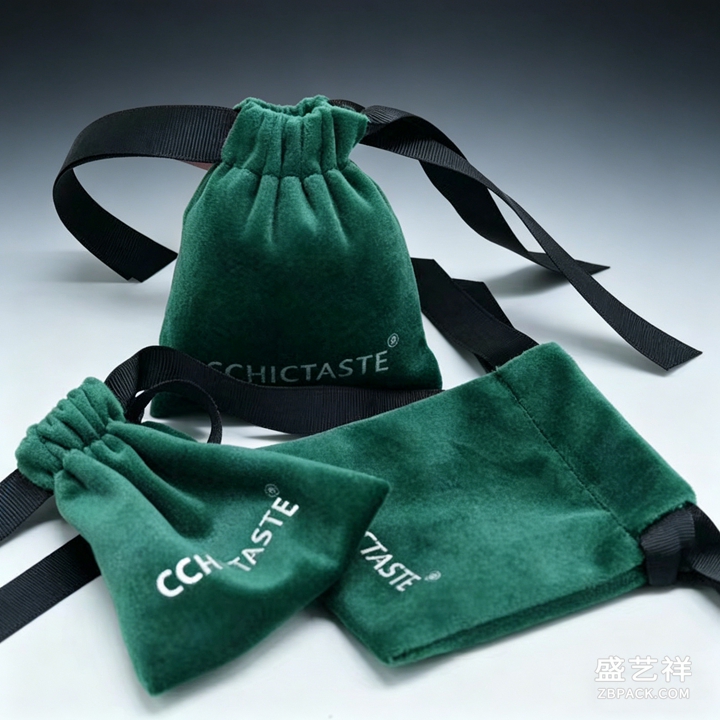
反向设计也重塑价值感。当盒子被设计成"值得留",首饰的完整体验就被拉长——拆开、佩戴、收回、再打开,每一次都体面。很多品牌忽略的是,顾客对一件首饰的记忆,有大量发生在盒子上:开合的咔哒、内衬的暖度、合上时那一下稳妥。把盒子当体验的起点而非终点,首饰的溢价就有了容器。这也是高端简约更受青睐的深层原因:盒子越克制,越把焦点还给首饰本身,反向证明"产品为主、包装为仆"的秩序。
对珠宝盒工厂,反向设计意味着更早进场。过去工厂在首饰定型后才拿到尺寸,只能将就;现在参与前期定义,就能把磁吸力度、内衬厚度、盒高这些指标前置锁定,减少后期返工。小批量首饰盒定制尤其受益:柔性产线本就适合"盒子与产品同步打样",让包装不再是交付前的将就,而是研发里的一环。
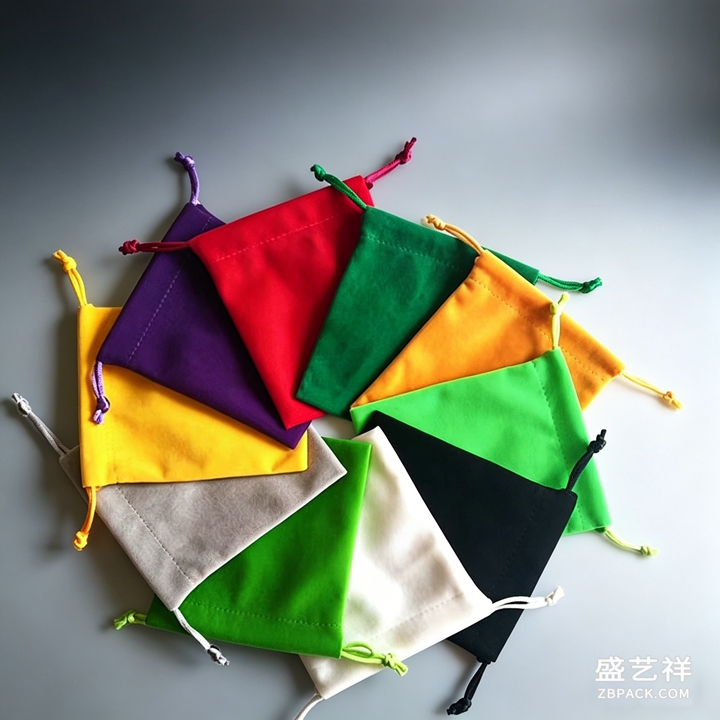
反向设计还有生意上的巧劲。一个热门做法是"通用盒型 + 可换内衬/封套",同一只盒子承载不同系列,品牌上新快、库存轻、包装成本低;顾客则得到一只能长期陪伴的容器。首饰盒设计若从一开始就按"盒能复用"来规划,产品线的扩展反而更自由——新款项链可以直接套进已有的吊坠卡槽,不必每只都重新发明盒子。
当然,反向设计不是让包装凌驾产品。它的分寸在于:盒子定义的是"如何被拥有与珍藏",而不是"首饰该长什么样"。真正高级的反向设计,是让盒子隐入背景,把每一件首饰托到最该被看见的位置。当一只盒子被设计得恰好,顾客记住的会是里面的珠宝,以及打开它时那份妥帖——这才是一流式珠宝包装设计想要的结局:盒子定义了首饰被爱的样子。
反向设计也改变团队的协作语言。过去设计师画首饰、包装师画盒子,两拨人在不同阶段各说各话,最后才发现盒子装不下、或首饰戴起来和盒里看到的不一样。反向设计把两者拉到同一张草图前:首饰的重心、开合的角度、佩戴后的归位,都提前和盒子一起定。盛艺祥习惯在定型会上同时摆出首饰草模和盒型泡沫样,让造型与包装在同一刻被质疑、被调整,省下大量后期返工。当"盒子怎么装"和"首饰长什么样"同时被回答,出来的产品才是一个整体,而不是两件勉强拼在一起的东西。
对消费者而言,反向设计的结果是"刚刚好"的体感。一只为旅行戒指生的盒,开合单手、厚度刚好塞进内袋;一套为叠戴耳钉生的盒,分层清晰、摘戴不乱。顾客未必知道这背后是反向设计,但身体的反馈最诚实:好收好戴,就愿意天天戴、常常买。这也是为什么高端简约更受青睐在反向设计里有了新解——盒子的克制不是少做,而是为了让首饰的存在感刚刚好,让每一次打开和佩戴都顺畅得像没被设计过。当包装隐入背景,产品才真正站到前台,这正是一流式珠宝包装设计想达到的:盒子定义了首饰被爱的样子。
反向设计对品牌还有一个隐性好处:包装成本更可控。因为盒型从一开始就按"能复用、能同步打样"规划,上新的边际成本被压低,品牌敢更频繁地试新系列。盛艺祥把这称为"包装跟着产品一起迭代"——不再是一季一套全新盒子,而是核心盒型微调内衬与封套就接住新款。当盒子不再是一次性消耗,而是可延续的资产,品牌的节奏自然就快了起来。
本文为原创内容,版权归盛艺祥所有。如需转载请注明出处。
盛艺祥(Shengyixiang)——高端珠宝包装设计与定制专家,为品牌护航。
We are used to designing the jewel first, then its box. But more brands reverse the order: decide first how the box opens, holds and gets kept, then derive the jewel's very form. This "packaging defines product" reverse design is becoming the most forward — and most overlooked — part of jewelry packaging design.
Reverse design starts with the wearing scene. A ring meant for travel, if it is known from the start to sit in a flat rotatable mount box, will avoid scratch-prone sharp corners; a daily stacked earring set, given a layered lining, pushes single-piece size down so they sit side by side without tangling. The box is no longer the jewel's "coat" but a co-author of its form. Shengyixiang, on custom orders, often asks "how is it worn and stored" before advising the jewel's structure, so product and package complete each other from the sketch stage.
Reverse design also reshapes perceived value. When the box is designed to be kept, the jewel's full experience lengthens — open, wear, return, reopen, each time dignified. What brands miss is that much of a customer's memory of a piece lives on the box: the click of opening, the warmth of the lining, the settle of the lid. Treating the box as the start of experience, not the end, gives the jewel's premium a container. This is the deeper reason minimalism wins: the more restrained the box, the more it returns focus to the jewel, proving the order "product first, packaging second."
For the jewelry box factory, reverse design means entering earlier. The factory once received sizes only after the jewel was fixed and had to compromise; now, joining upfront, it locks magnet force, lining thickness and box height early, cutting later rework. Small-batch custom boxes benefit most: flexible lines suit "box and product sampled together," making packaging a step in R&D rather than a last-minute compromise.
Reverse design has a commercial cleverness too. A popular move is "universal box plus swappable lining or sleeve" — one box carries different collections, so the brand launches faster, holds lighter stock and spends less on packaging; the customer gets a container that stays. If jewelry box design plans from the start for "the box can be reused," line extension is freer — a new necklace drops into the existing pendant slot without reinventing a box per piece.
Of course, reverse design does not put packaging above product. Its measure is: the box defines "how it is owned and treasured," not "what the jewel should look like." True high-end reverse design lets the box fade into the background and lift each piece to where it should be seen. When a box is designed exactly right, the customer remembers the jewel inside and the settle of opening it — the ending first-rate jewelry packaging design wants: the box defines how the jewel is loved.
Reverse design also changes the team's language. Designers once drew jewels, packagers drew boxes, two groups speaking at different stages until they found the box could not hold the piece, or the worn jewel looked unlike its cased photo. Reverse design pulls both to one sketch: the jewel's balance, the opening angle, the resting place after wear are fixed with the box up front. Shengyixiang keeps a foam box mock beside the jewel sketch in shaping meetings, so form and package are questioned and adjusted at the same moment, saving much later rework. When "how the box holds" and "what the jewel looks like" are answered together, the output is one whole, not two things forced together.
For the consumer, reverse design yields a "just right" feel. A box born for a travel ring opens one-handed and slips into a pocket; a box born for stacked earrings layers clearly so on-off stays tidy. Customers may not know reverse design behind it, but the body answers honestly: easy to keep, easy to wear, so they wear daily and buy often. This is why minimalism wins a new reading in reverse design — the box's restraint is not less doing, but letting the jewel's presence land exactly, every open and wear smooth as if un-designed. When packaging fades to background, the product truly steps forward, the goal of first-rate jewelry packaging design: the box defines how the jewel is loved.
Reverse design has a hidden benefit for the brand: more controllable packaging cost. Because the box is planned from the start to be reusable and sampled in sync, the marginal cost of a new launch drops and the brand dares to test series more often. Shengyixiang calls it "packaging iterates with the product" — no longer a brand-new box per season, but a core box tweaked in lining and sleeve to catch the new style. When the box is no longer a one-time consumable but a continuing asset, the brand's rhythm naturally speeds up. The package stops being the slow pole of the calendar and becomes a parallel track that finishes with the jewel.
This is original content. Copyright belongs to Shengyixiang.
Shengyixiang — your expert in high-end jewelry packaging design & customization.