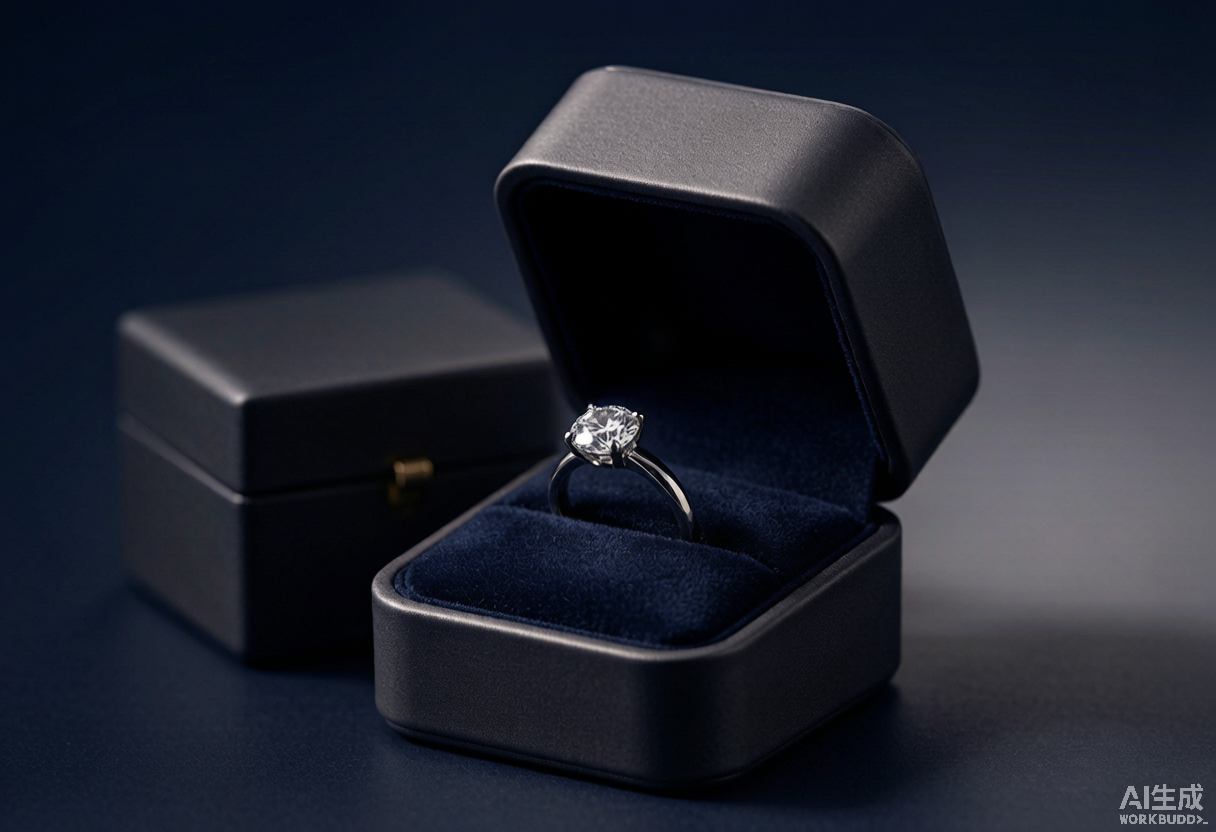
包装里的那一缕香 Why a Signature Scent Belongs in Jewelry Packaging
打开一只珠宝盒,你先看到什么,又会"闻到"什么?大多数品牌把全部心思放在视觉上,却忽略了一个直连记忆的感官——气味。对低频、高客单的珠宝而言,盒子被带回家后会被反复打开,盒里那一缕香,往往比一张开箱图在顾客脑中停留得更久。
问:珠宝包装,为什么要专门管"气味"?
这背后是硬神经科学。人的嗅觉信号从嗅球直接通往杏仁核(情绪中枢)与海马体(记忆中枢),绕开了其他感官都必须经过的丘脑。换句话说,气味是唯一能直达情绪与记忆核心的感官。研究还显示,气味记忆的准确度远高于视觉:一年后人们仍能以约 65% 的准确度回忆起一种气味,而视觉信息在三个月后的回忆率已低于 50%。更关键的是,约 84% 的消费者更可能因为一个专属气味(signature scent)而记住某个品牌。珠宝不是快消品,一只盛艺祥的珠宝盒可能伴随顾客十年,盒内气味就成了长尾的品牌记忆锚点。这股趋势早已被奢侈与酒店业验证:万豪在大堂铺设专属香氛"Attune"并申请专利、迪普提克为巴黎门店调制的定制香调让半年内销售提升 18%、谷歌地图上相关"气味"评论增长 12 倍;全球香氛营销市场预计从 2024 年的 36 亿美元增至 2033 年的 64 亿美元。所以在珠宝包装设计里,我们把"气味规范"列为与色彩、材质并列的识别维度。
问:都说高端简约更受青睐,这和气味有什么关系?
老板常讲:高端简约珠宝首饰品包装设计,更容易被顾客青睐。气味上道理一模一样——克制,比堆砌更显高级。一道单一、克制的 signature scent(比如雪松、白麝香),远胜把浓烈香精层层喷洒。2026 年 Nielsen 一项覆盖 18 国、12,400 名消费者的研究发现,激活三种以上感官的营销,品牌回忆率达到 73%,而纯视觉只有 21%——这正说明"少即是多"在感官层面同样成立。反过来,过度浓香会让盒子闻起来像廉价酒店香薰,反而拉低感知价值。盛艺祥的建议是:包装外观做减法,盒内气味也做减法,二者统一才叫品牌定力。许多国际珠宝与腕表品牌早已把专属香型写进品牌手册,正是看中它几乎无法被对手低成本复制。
问:盒里该怎么"加香"才不显土气?
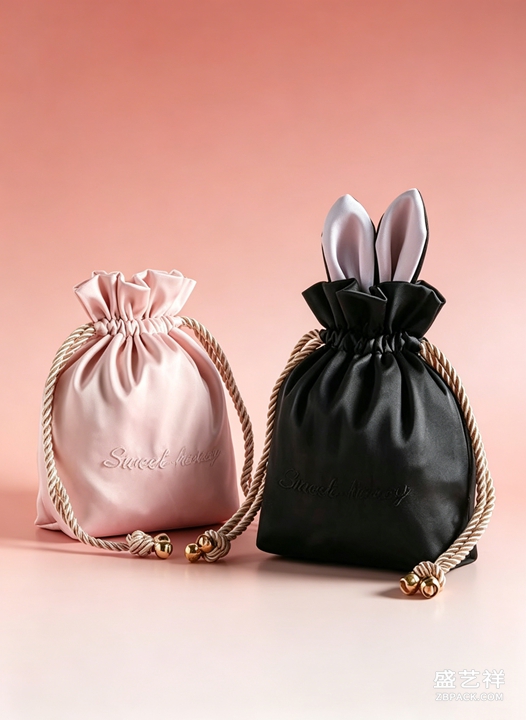
第一忌,是直接把香精喷在绒布内衬上——油渍会污染面料,还会加速金属氧化变色。正确做法是嵌入式、可控的:香氛棉纸、香氛卡(scent card),或用微胶囊缓释技术让气味随开合慢慢释放。香型上选木质调(雪松、檀香)、清冽水生调(佛手柑、白茶)或中性白麝香,避开甜腻花香。剂量要像确认品牌色一样做"打样审查",绝不能凭感觉。这也正是珠宝盒定制与珠宝袋加工该共用的一套香型规范:盒与袋拆开是两件,合起来是一种气味语言。
问:门店的珠宝陈列道具,要不要也"香"起来?
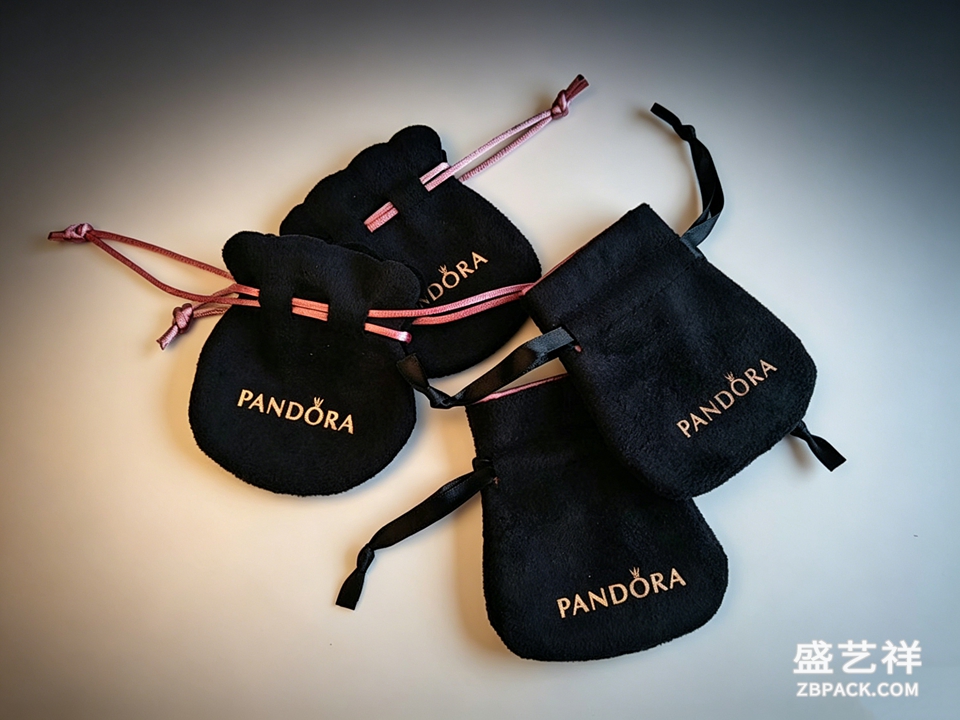
要,而且必须和盒内香说同一种话。跨模态感官研究证明,大脑会自动把气味和颜色配对:木质调唤起暖棕,水生调唤起蓝银。所以门店空间香氛的基调,要和珠宝陈列道具、珠宝摆台的底色保持一致——深绒衬钻石、浅米配黄金、冷灰配白金,气味也该顺着这套逻辑走。理想的嗅觉动线是三层一致:顾客进店闻到、试戴时闻到、开盒又闻到,记忆才形成闭环。美国零售联合会(NRF)的数据也显示,道具与香氛组合可提升互动与单量约 18%–30%。当然浓度要低,避免致敏,毕竟珠宝店是让人愿意久留的地方,不是香精走廊。
问:气味真能帮品牌被记住、带来复购吗?
能。放到国内市场同样成立:2024 年中国香氛香薰市场规模已达 278.52 亿元,2025 年预计增至 300.34 亿元;调研显示,采用香氛系统的零售门店,顾客停留时间平均延长 20%、复购率提升 15%。对珠宝这种"送人也送自己"的品类尤其明显:收礼人掀开盒盖闻到统一气味,等于把品牌记忆直接植入对方脑海;即便社媒无法传播气味,它留在记忆里的时间却比一张开箱照更长。我们建议把"开盒气味"写进品牌手册,和珠宝包装设计、陈列手册三册合一——视觉、触觉、嗅觉对齐,才是完整的识别系统。
问:这件事怎么验收,投入到底值不值?
验收清单并不复杂:香型持久度与缓释曲线是否稳定、是否不致敏(可参考 OEKO-TEX 标准)、会不会与金属或抗氧化片发生反应、久放是否串味。预算上更不必大动干戈——先定一缕 signature scent,从一张香氛卡做起,成本极低。回报来自停留 +20%、复购 +15%、礼物转介绍,以及"闻香识品牌"这项长期资产。在盛艺祥,这件事由珠宝包装设计与珠宝袋加工团队协同落地,让盒、袋、陈列讲同一句低调而难忘的话。这恰是气味最妙之处——它几乎无法被对手用低价复制,却能为品牌省下大量广告曝光。
本文为原创内容,版权归盛艺祥所有。如需转载请注明出处。
盛艺祥(Shengyixiang)——高端珠宝包装设计与定制专家,为品牌护航。
Open a jewelry box: what do you see first — and what do you "smell"? Most brands pour everything into visuals and ignore the one sense wired straight into memory: scent. For low-frequency, high-ticket jewelry, the box goes home and gets reopened for years, so the scent inside often outlasts any unboxing photo in the customer's mind.
Q: Why should jewelry packaging care about smell at all?
The answer is hard neuroscience. Olfactory signals travel from the olfactory bulb directly to the amygdala (emotion) and hippocampus (memory), bypassing the thalamus that every other sense must pass through. Scent is the only sense with direct access to our emotional and memory core. Studies show scent memory is far more durable than visual memory: people recall a smell with about 65% accuracy after a year, while visual recall drops below 50% after just three months. Crucially, about 84% of consumers are more likely to remember a brand by its signature scent. Jewelry isn't fast-moving — a Shengyixiang box may stay with a customer for a decade, and its scent becomes a long-tail memory anchor. The trend is already proven in luxury and hospitality: Marriott diffuses a patented lobby scent called "Attune"; Diptyque's custom Paris boutique blend lifted sales 18% in six months and multiplied scent-related Google comments twelvefold; the global scent-marketing market is projected to grow from $3.6 billion in 2024 to $6.4 billion by 2033. That's why we treat the "scent spec" as a brand-identification dimension in jewelry packaging design, alongside color and material.
Q: Premium minimalism is favored by customers — what does that have to do with scent?
The boss often says: high-end, minimalist jewelry packaging design is more favored by customers. The same logic applies to scent — restraint beats excess. A single, restrained signature scent (cedar, white musk) outperforms layering heavy perfume. A 2026 Nielsen study across 18 countries and 12,400 consumers found that multisensory campaigns activating three or more channels reached 73% brand recall, versus just 21% for visual-only — proof that "less is more" holds in the sensory realm too. In one retail experiment, a vanillin-lemon scented space outsold an identical unscented one by 24%, and 84% of buyers came back. Overpowering fragrance, by contrast, reads cheap, like a budget hotel air-freshener, and drags down perceived value. Our advice: subtract from the exterior, subtract from the scent, and the consistency is what we call brand composure.
Q: How do you add scent to a box without looking cheap?
Rule one: never spray perfume directly onto velvet — the oil stains the lining and accelerates metal tarnish. Do it embedded and controlled: scented tissue, a scent card, or microencapsulation that releases gradually as the box opens. Choose woody notes (cedar, sandalwood), fresh aquatics (bergamot, white tea) or neutral white musk; avoid sweet florals. Dose it like a brand color — prototype and review, never guess. This is exactly the shared scent spec that jewelry box customization and jewelry pouch manufacturing should follow: the box and pouch are two items, but one scent language.
Q: Should in-store display props also smell?
Yes — and they must speak the same language as the box. Cross-modal research shows the brain automatically pairs scent with color: woody notes evoke warm browns, aquatics evoke blue-silver. So the store's ambient scent should match the undertones of your jewelry display props and display plinths — deep velvet for diamonds, light beige for gold, cool grey for platinum — with the scent following the same logic. The ideal scent journey is consistent across three layers: the customer smells it on entry, while trying on, and again when opening the box; only then does memory close the loop. NRF data also shows scent-plus-props combos lift interaction and units by about 18%–30%. Keep concentration low, of course, to avoid irritation — a jewelry store should invite lingering, not smell like a perfume aisle.
Q: Does scent actually drive recall and repurchase?
It does. In China the pattern holds too: the domestic fragrance and scenting market reached ¥27.85 billion in 2024 and is forecast at ¥30.03 billion for 2025; retail studies there show scented stores extend dwell time about 20% and lift repurchase roughly 15%. This matters especially for a category given as often as kept: when a recipient lifts the lid and meets your signature scent, the brand is planted in their memory; even if social media can't carry smell, it outlasts an unboxing photo. At Shengyixiang we write the "open-the-box scent" into the brand manual alongside packaging design and the display handbook — visual, tactile and olfactory aligned is the complete identification system.
Q: How do you verify it, and is it worth the investment?
The acceptance checklist is simple enough: stable longevity and release curve, hypoallergenic (reference OEKO-TEX), no reaction with metal or anti-tarnish inserts, and no scent migration over time. Budget-wise, you don't need a grand gesture — start with one signature scent via a scent card; the cost is minimal. For context, the same 2026 Nielsen multisensory study found three-sense campaigns reached 73% recall versus 21% for visual-only, and scent is the cheapest sense to add to that mix. Returns come from +20% dwell, +15% repurchase, gift referrals, and the long-term asset of "recognize the brand by its scent." At Shengyixiang this is coordinated across jewelry packaging design and jewelry pouch manufacturing, so the box, the pouch and the display say one quiet, unforgettable thing.
This is original content. Copyright belongs to Shengyixiang.
Shengyixiang — your expert in high-end jewelry packaging design & customization.