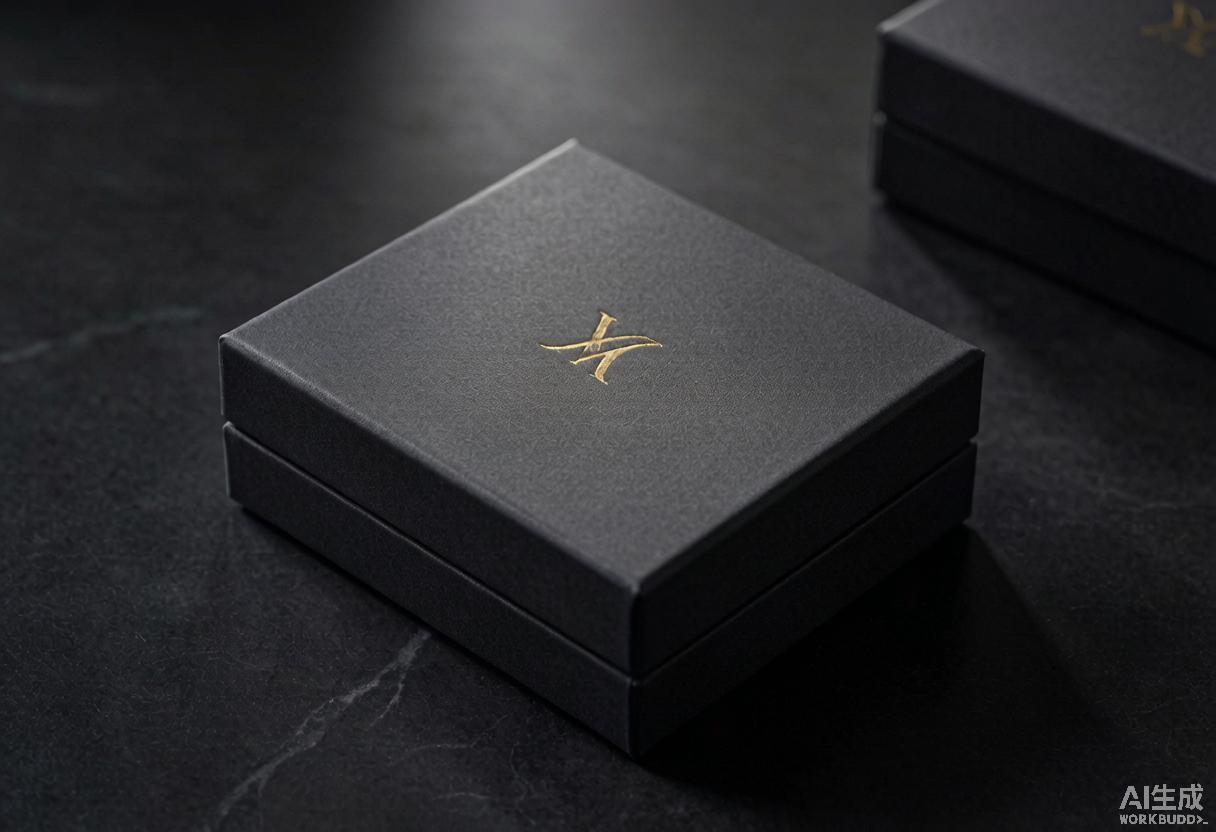
压手的盒子更显贵 Why a Heavy Jewelry Box Feels More Luxurious
问:为什么拿在手里“压手”的珠宝盒,会让人觉得里面更值钱?
这不是错觉,是刻在大脑里的“重量启发式”。2009 年 Jostmann、Lakens 与 Schubert 的著名实验让受试者分别手持重、轻两种写字板评估同一对象,结果拿重板的人普遍把对象评得更重要、更值钱。牛津大学实验心理学教授 Charles Spence 进一步证实:当产品装在更重的包装里,消费者会不由自主地认为它更高级、更值得花钱——哪怕里面的东西一模一样。“密度等于投入”是潜意识里最朴素的等式:盒子压手,意味着有人在材料上花了本钱。美国包装协会 2024 年的研究给出更直接的证据——72% 的消费者在第一次上手的三秒内就完成了对产品价值的判断,而这个判断对象往往是包装而非珠宝本身。另一项跨品类测试显示,同样的商品放进高端包装,被感知的价值平均高出 32% 到 45%。这也是为什么盛艺祥在首饰盒里坚持用高密度灰板,并在盒底做隐蔽配重,让顾客拿起的第一秒就接收到“这是真材实料”的信号。
问:高端简约为何更受青睐?
一个被反复验证的事实是:高端简约的珠宝首饰品包装设计,更容易被顾客青睐。这里“简约”和“压手”并不矛盾,反而是同一枚硬币的两面。极简的外观把视觉重心让给珠宝,但盒子的体感却不能空——它要靠厚实的灰板、克制的配重、顺滑的磁吸阻尼和丝带的手感来说话。换句话说,预算从外表的堆砌挪到了指尖可感的地方:外观做减法,工艺做加法。市场数据支撑这种直觉:简约礼盒品类年复合增长率连续三年超过 25%,单价 500 元以上的礼盒偏好度从 38% 升到 67%,78% 的受访者把“极简”与“高品质”划等号,并愿意为此多付约 40%。在珠宝包装上,少即是多从来不是省料,而是把成本精准投到顾客能摸到的地方。
问:哪些材料真正“压手”,又各自适合什么珠宝?
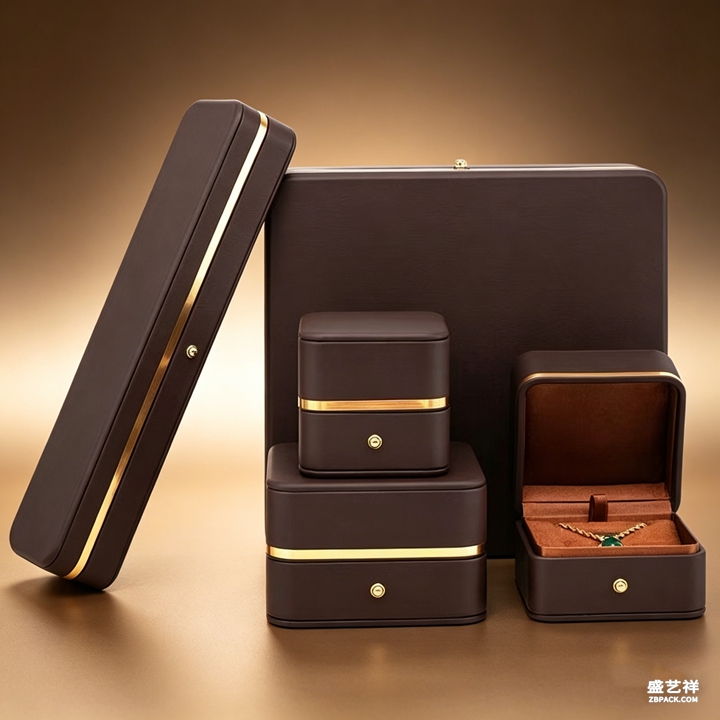
体感的重量来自材料密度。常见的包装基材里,高密度灰板(约 600–900 kg/m³)、实木与石座最压手,金属配件与皮革次之,植绒和绒布提供的是“软”的贵气而非“重”。一个可参考的硬指标是纸板克重:高端盒普遍把纸板做到 1200–1800gsm,明显高于普通折叠卡盒,拿起时挺括、不塌、不飘。不同珠宝该配不同密度:收藏级翡翠、彩宝适合木座或石座,压手感与传世感匹配;日常通勤的银饰、金饰用皮革盒,轻便又不掉价;临展陈活用亚克力,轻透显钻;而需要讲品牌故事的硬质礼盒,则是珠宝盒工厂把密度与结构一起做足的地方。选材的本质,是让盒子的重量和里面那件珠宝的身价对得上。
问:盒子越重,运费和碳排不就越高?怎么平衡?
问到点子上了。重量是把双刃剑:物流普遍按“体积重”计费(约 78% 的包裹实际按体积重计价),盒子越重越大,运费越高;更要紧的是,为“显得贵”而无脑堆重,本身是个环保陷阱——葡萄酒行业就曾为了感知把瓶子越做越重,结果一次性使用后造成实实在在的浪费。聪明的做法是 right-sizing:按珠宝真实尺寸定做盒子,减少空隙与多余层板,把密度集中到“指尖可感”的盒壁和底座,而不是整体堆料。配合 FSC 认证纸基与局部配重,既能保留压手的高级感,又能减重约 27%、生产成本降 15%–30%、运输碳排同步下降。对珠宝包装来说,真正的高级是“该重的地方重,该轻的地方轻”。
问:柜台里的珠宝陈列道具,也要讲“重量感”吗?
要,而且逻辑和包装完全一致。一只轻飘飘、一碰就晃的展示托,会悄悄拉低顾客对珠宝价值的判断;而带配重的深绒托盘、石座或金属铭牌,则传递“这件东西值得被稳稳托住”的信号。这就是珠宝陈列道具与包装要讲同一套语言的原因:盒子的压手感,和柜台里珠宝摆台的稳重感,共同构成顾客对品牌的第一重量印象。实操上,道具也讲究高度差——主看台抬高、次层下沉,既让珠宝获得更好采光,也让“稳”与“贵”在视觉上站得住。当包装与陈列都“压得住场”,价格的说服力自然就上来了。
问:怎么验收一只“压手又高级”的盒子,投入值不值?
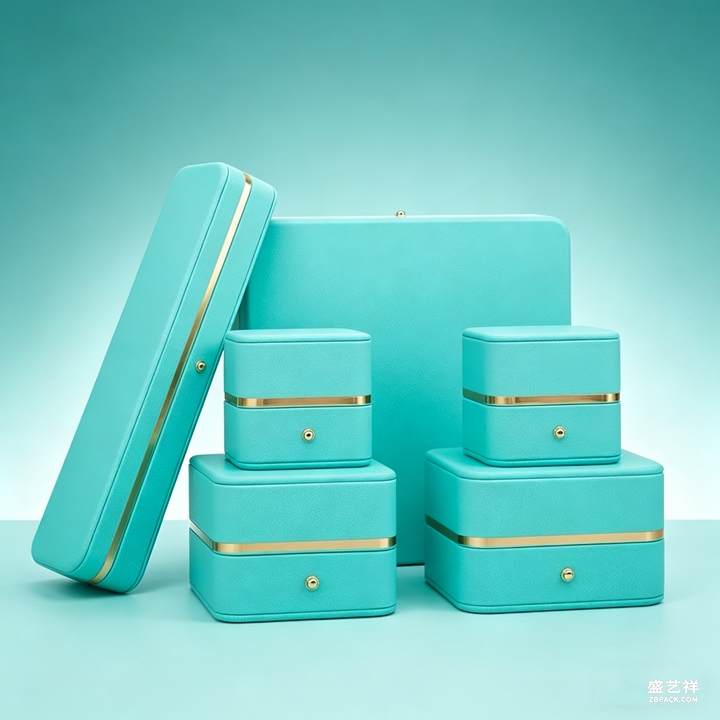
把体感写进验收单,而不是凭手感拍脑袋。几个可量化指标:纸板克重是否达到 1200–1800gsm、盒壁挺度是否按压不塌、配重位置是否居中不偏、开合阻尼是否单手可开且合后不弹、磁吸是否稳固不松动。这些细节决定了一只盒子是“一次性容器”还是“可留存的品牌资产”。回报也很清楚:光环效应下,高端包装能把支付意愿拉高至多 30%,73% 的消费者认为装在体面包装里的东西品质更高,复购与自发分享也随之提升。对于需要做珠宝盒定制的品牌,把“克重与配重”作为验收项写进合同附件,往往比多印一道烫金更值钱——因为它卖的不是装饰,而是顾客拿起盒子那一刻真真切切的“这东西不便宜”。
本文为原创内容,版权归盛艺祥所有。如需转载请注明出处。
盛艺祥(Shengyixiang)——高端珠宝包装设计与定制专家,为品牌护航。
Q: Why does a jewelry box that feels heavy in the hand make people think its contents are more valuable?
It is not an illusion—it is the "weight heuristic" hardwired into the brain. In a now-classic 2009 experiment, Jostmann, Lakens and Schubert asked participants to evaluate the same object while holding either a heavy or a light clipboard; those holding the heavy one consistently rated the object as more important and more valuable. Professor Charles Spence of the University of Oxford then showed that when an identical product is placed in heavier packaging, consumers unconsciously judge it as more premium and worth more money—even though nothing inside changed. "Density equals investment" is the brain's most primitive equation: a weighty box signals that someone spent real money on materials. The Packaging Institute of America (2024) puts it bluntly—72% of consumers form a value judgment within three seconds of first physical contact, and that judgment is about the package, not the jewelry. Cross-category tests go further: the same product in premium packaging is perceived as 32% to 45% more valuable. This is exactly why Shengyixiang builds its jewelry boxes from high-density greyboard with a hidden base weight, so the very first lift sends a "this is the real thing" signal.
Q: Why is understated, minimalist design more favored by customers?
A fact proven again and again: high-end, minimalist jewelry packaging design is more readily favored by customers. Here "minimal" and "heavy" are not opposites—they are two sides of the same coin. A clean exterior hands the visual focus to the jewelry, but the box must not feel empty; it speaks through thick greyboard, restrained weighting, smooth magnetic damping and the tactility of a ribbon. In other words, the budget moves from surface decoration to what the fingertips can feel: subtract on the outside, add in the craft. The data backs the instinct. Minimalist gift boxes have posted compound annual growth above 25% for three straight years; preference for gift boxes above ¥500 rose from 38% to 67%; 78% of respondents equate "minimalist" with "high quality" and will pay roughly 40% more for it. In jewelry packaging, less is never less material—it is spending precisely where the customer can touch.
Q: Which materials actually feel heavy, and which suit which jewelry?
The in-hand weight comes from material density. Among common packaging substrates, high-density greyboard (roughly 600–900 kg/m³), solid wood and stone bases feel heaviest; metal fittings and leather follow; velvet and suede contribute a "soft" luxury rather than heft. A usable hard metric is board weight: premium boxes push board to 1200–1800 gsm, far above ordinary folding cartons, so they feel rigid, never floppy. Match density to jewelry: collectible jade and colored gems deserve wood or stone bases whose heft matches their heirloom status; everyday silver and gold suit leather cases—light enough to carry, never cheap; acrylic works for display pieces where clarity shows the stone; and the rigid gift box that tells a brand story is where the jewelry box factory does density and structure together. The point of material choice is to make the box's weight match the value of what sits inside.
Q: Doesn't a heavier box just mean higher shipping cost and carbon? How do you balance it?
Exactly the right question. Weight is a double-edged sword. Logistics mostly bills by volumetric weight (about 78% of parcels are charged on volume, not actual grams), so a bigger, heavier box costs more to ship. More importantly, piling on weight just to "look expensive" is an environmental trap—the wine industry did exactly this, making bottles needlessly heavy for perception, then discarding them after a single use. The smart move is right-sizing: build the box to the jewelry's true dimensions, cut empty space and redundant layers, and concentrate density into the fingertip-sensitive walls and base rather than the whole mass. Pair FSC-certified board with local weighting, and you keep the premium heft while cutting weight about 27%, production cost 15%–30%, and shipping carbon together. Real luxury in jewelry packaging is "heavy where it should be, light where it should be."
Q: Should the display props in the counter also feel weighty?
Yes—and the logic is identical to packaging. A flimsy display bust that wobbles at a touch quietly lowers the perceived value of the jewelry; a weighted velvet tray, stone base or metal plaque says "this piece deserves to be held steady." That is why jewelry display props must speak the same language as the box: the box's heft and the display plinth's stability together form the customer's first impression of a brand's weight. In practice, props also play with height—raising the hero piece, lowering the secondary tier—which both catches light better and makes "steady" and "valuable" visually stand. When packaging and display both hold their ground, the price argument makes itself.
Q: How do you inspect a "heavy yet premium" box, and is it worth the spend?
Put the feel into the inspection sheet instead of guessing by hand. Quantifiable checks: board weight at 1200–1800 gsm, wall rigidity that does not collapse under press, a centered base weight that does not tip, a closure damping you can open one-handed without rebound, and a magnet that stays put. These details decide whether a box is a disposable container or a retained brand asset. The return is clear: under the halo effect, premium packaging lifts willingness to pay by up to 30%, 73% of consumers see contents in decent packaging as higher quality, and repurchase and spontaneous sharing follow. For brands commissioning custom jewelry boxes, writing "board weight and base weighting" into the acceptance annex often pays more than one extra foil line—because it sells not decoration, but the customer's undeniable, lift-by-lift sense that "this was not cheap."
This is original content. Copyright belongs to Shengyixiang.
Shengyixiang — your expert in high-end jewelry packaging design & customization.