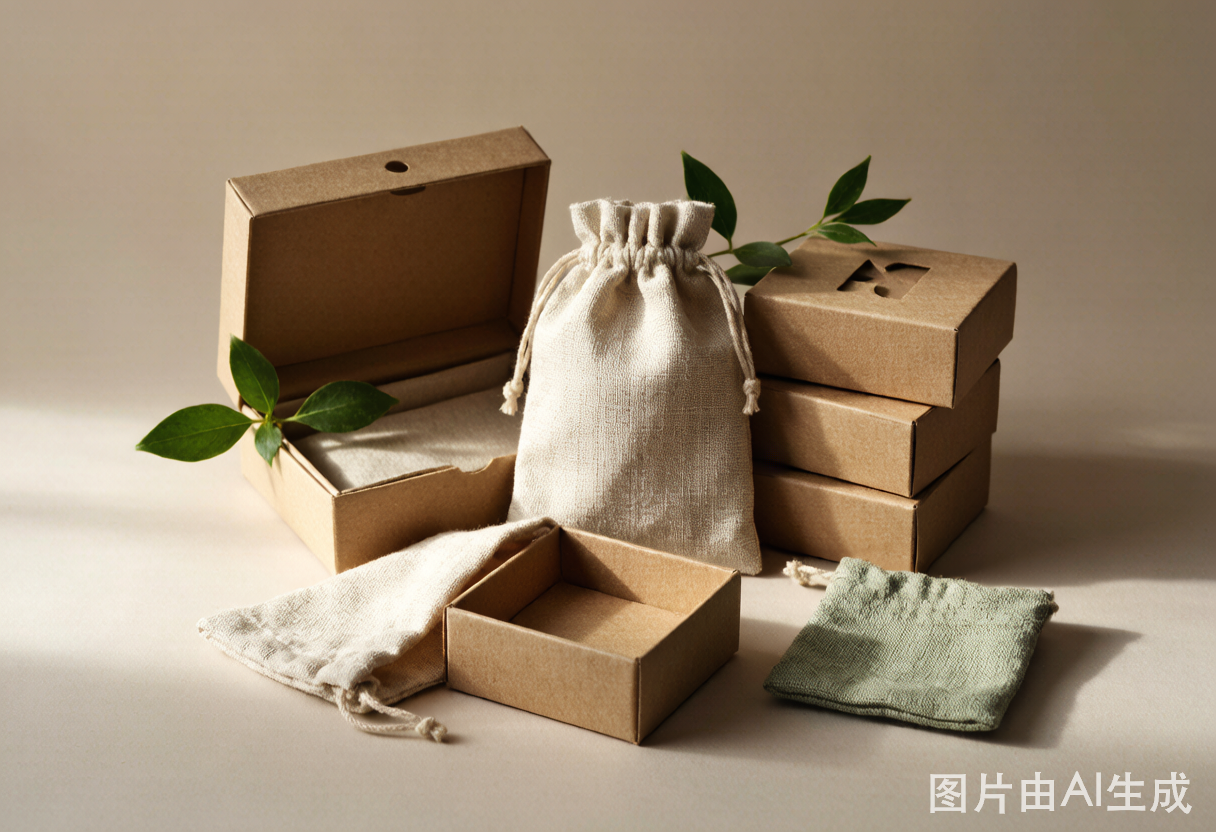
环保包装成新标配 Why Sustainable Packaging Is Jewelry's New Standard
2026年的珠宝行业,有一个变化正在悄然完成:可持续,不再是品牌宣传册上的加分项,而是消费者默认的入场券。多份行业趋势报告不约而同地指出,今年的买家在意的不只是首饰本身,还有它来自哪里、装在什么里、用完之后去向何处。透明溯源、再生材料、小批量精工,正在从口号变成采购清单上的硬性指标——而珠宝包装,正是这场转变中最直观的战场。
一、从“看起来贵”到“经得起问”。过去评价一只首饰盒,标准是够不够挺括、够不够有质感;如今顾客会翻过盒底找认证标识,会问纸张是否FSC认证、绒布内衬能否再生降解。对品牌而言,一只用回收纸浆压制、以水性油墨印刷的首饰盒,讲出来的故事比烫金logo更打动新一代消费者。包装不再只是保护与装饰,它成了品牌价值观的第一份书面声明。
二、可复用,是最高级的环保。比“可降解”更进一步的思路,是让包装根本不被丢弃。2026年增长最快的品类之一,是可以二次使用的珠宝包装:抽屉式盒身日后变成桌面收纳,棉麻首饰袋直接充当旅行收纳袋,木质托盘可以留在梳妆台上长期使用。当包装的生命周期从“开盒即弃”延长为“常伴左右”,品牌的曝光时间也随之成倍增长——这是环保与营销罕见的双赢。
三、供应链要跟得上承诺。环保不能只停留在成品端。越来越多品牌在选择珠宝盒工厂时,会实地考察材料来源、边角料回收与生产能耗,要求供应商提供完整的环保材料证明。模块化设计也在流行:统一规格的外盒搭配可更换内衬,既减少开模浪费,也让补货更灵活。对零售商来说,与其等到客户追问时手忙脚乱,不如从源头就把可持续写进采购标准。
四、给品牌方的三点建议。其一,优先选择单一材质或易分离结构的包装,方便回收;其二,把环保信息用小字印在盒内而非大字印在盒面——克制的表达反而更可信;其三,为高端线配置可长期使用的收纳型包装,让首饰盒成为顾客生活的一部分,而非抽屉里的负担。
作为深耕珠宝包装领域多年的盛艺祥,我们相信:真正的奢华,是对材料、工艺与地球的三重尊重。当可持续成为行业新标配,提前布局的品牌,赢得的不只是口碑,更是下一个十年的顾客。
本文为原创内容,版权归盛艺祥所有。如需转载请注明出处。
In 2026, a quiet shift has been completed across the jewelry industry: sustainability is no longer a bonus line in brand brochures — it is the price of admission that consumers now assume by default. Trend reports agree that today's buyers care not only about the piece itself, but where it came from, what it is wrapped in, and where that wrapping goes afterwards. Traceable sourcing, recycled materials, and small-batch craftsmanship have moved from slogans to hard requirements — and packaging is the most visible battleground of this transformation.
From looking expensive to standing up to questions. A jewelry box used to be judged by its stiffness and tactile luxury. Now customers flip it over to look for certification marks, asking whether the paper is FSC-certified and whether the velvet lining can be recycled. A box molded from recycled pulp and printed with water-based ink tells a story that resonates with younger buyers far more than gold foil ever could. Packaging is no longer mere protection and decoration — it is the first written statement of a brand's values.
Reusability is the highest form of eco-design. One step beyond biodegradable is packaging that never gets thrown away at all. Among the fastest-growing categories this year is second-life packaging: drawer-style boxes that become desktop organizers, cotton-linen pouches that double as travel cases, and wooden trays that stay on the dressing table for years. When packaging's life cycle stretches from unbox-and-discard to a daily companion, brand exposure multiplies with it — a rare win-win between sustainability and marketing.
The supply chain must keep the promise. Sustainability cannot stop at the finished product. More brands now audit their manufacturing partners in person, checking material origins, offcut recycling, and production energy use, and requiring full documentation of eco-certified materials. Modular design is also on the rise: standardized outer shells with replaceable inserts reduce tooling waste and make restocking flexible. For retailers, writing sustainability into procurement standards from day one beats scrambling when customers start asking questions.
Three practical tips for brands. First, choose mono-material or easily separable structures that simplify recycling. Second, print eco credentials in small type inside the box rather than large claims outside — restraint reads as credibility. Third, equip premium lines with keep-forever storage packaging, so the box becomes part of the customer's life instead of clutter in a drawer.
At Shengyixiang, with years of dedication to jewelry packaging, we believe true luxury is a threefold respect — for materials, for craftsmanship, and for the planet. As sustainability becomes the industry's new baseline, the brands that move early will win not just reputation, but the customers of the next decade.
This is original content. Copyright belongs to Shengyixiang.