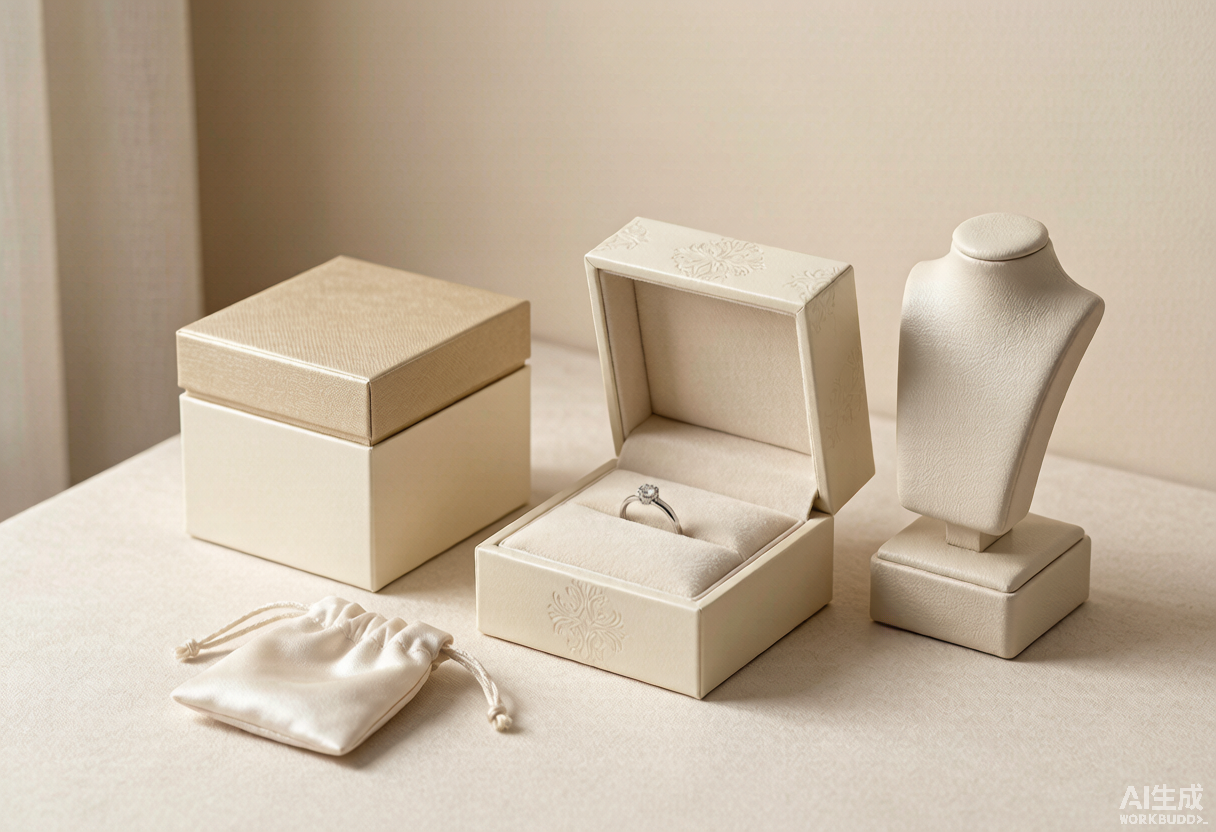
同款包装通全渠道 Why In-Store and Online Jewelry Packaging Must Match
珠宝消费早已不是“线上买或门店买”的二选一。麦肯锡的研究显示,超过一半的 B2C 顾客每次购买都会穿越 3–5 个渠道;更普遍的数据是,73% 的购物者会在一次购买旅程中使用两个及以上渠道,2025 年平均每位顾客要接触近 6 个触点。当一个人先在门店试戴、回家又在手机上下单,他手里最终拿到的是一只快递箱——这只箱子和店里那只礼盒,讲的是不是同一个品牌故事,直接决定他会不会回来。
问:顾客在门店看中的那只礼盒,和快递送到家的包裹为什么最好是“同一套”?
答:全渠道(omnichannel)顾客的价值早已被反复验证:他们比单渠道顾客多花约 30%,留存率高达 89%,而单渠道只有 33%;强全渠道品牌的年营收增速约 9.5%,是弱策略者的近三倍。更关键的是品牌一致性——一项品牌一致性研究发现,跨渠道统一呈现品牌,营收可提升约 23%,而不一致会让品牌每年损失约三分之一的营收。值得注意的另一组数据是,75% 的购物者会在数字与实体触点之间来回切换。门店里是精致的珠宝包装,快递来却是毫无标识的牛皮箱,等于亲手切断了这条连续叙事。盛艺祥建议把“盒”当作跨渠道的统一资产来经营,而不是门店一套、电商另一套。
问:线上买珠宝看不到实物,包装为什么成了唯一的“实体品牌触点”?
答:对线上买家而言,包裹是品牌递到手里的唯一一次“握手”。Dotcom Distribution 2025 年的调研显示,72% 的消费者表示包装设计会影响购买决策,61% 的人更愿意再次购买采用高级包装的品牌;Shorr 的电商包装研究进一步给出数字:高级开箱体验带来的复购率高达 52.5%,而普通牛皮箱只有 19.5%。换句话说,盒子不是物流成本,而是转化率本身。一只好的首饰盒,要把门店里那句“我们很讲究”原样带进顾客的玄关。而且包裹还是免费的广告位——40% 的消费者会把开箱体验发到社媒,千禧一代与 Z 世代中这一比例升至 55%;YouTube 开箱年播放超 200 亿次,TikTok 上 #unboxing 话题累计超 850 亿次。盒子好不好看,决定品牌能不能被自发传播。
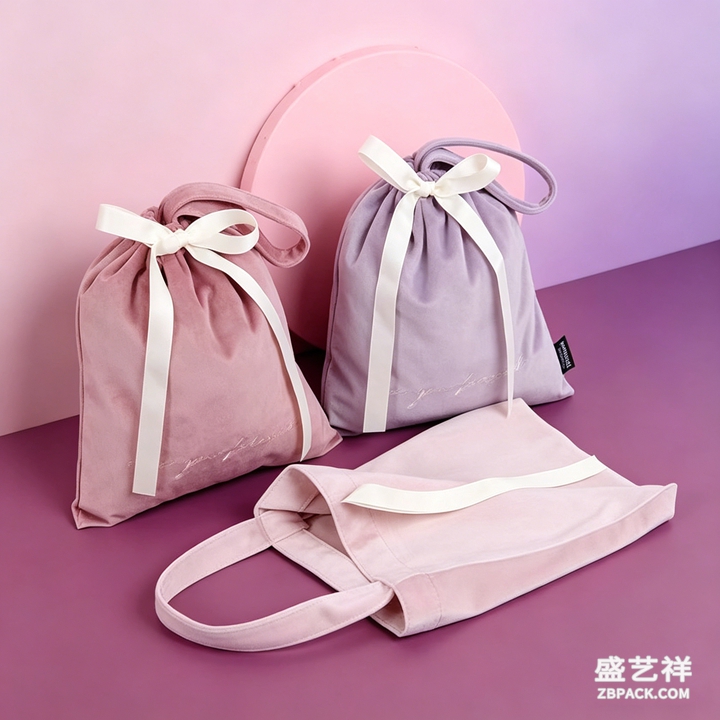
问:高端简约为什么反而更受顾客青睐?
答:这正是老板常强调的那句话:高端简约的珠宝首饰包装,更容易被顾客青睐。放到全渠道语境里,原因更清晰——2025 年的开箱趋势几乎一边倒地偏向新极简(neo-minimalism):留白、克制的烫印、单一主色。行业数据也支撑这一点:高端简约礼盒近年的复合增速超过 25%,一项超 500 人的调研里,偏好极简包装的比例从 38% 升到 67%,78% 的消费者把“极简”直接等同于“更高品质”。一套干净简约的系统,在门店和快递箱上读起来是“同一只盒子”,设计成本更低、记忆点更牢。盛艺祥在珠宝盒定制时,常建议客户用一套极简语言贯穿全渠道,而不是为电商另做一套花哨版——简约,恰恰是跨渠道一致性的最大杠杆。
问:线上买珠宝最怕“开箱落差”,包装能兜底吗?
答:能,而且应该。2025 年电商平均退货率达 18.1%(高于 2024 年的 16.9%),贵重品类(含珠宝)可达 20%–30%;全美零售联合会估算,2024 年消费者退回的商品总值高达 8900 亿美元,其中逾半数源于货品受损或瑕疵。一致的品牌化防护包装能把退货率压低约 15%(Shorr),而线上珠宝消费者中已有 67% 使用虚拟试戴来减少误差。包装在这里扮演“所见即所得”的承诺:盒子越稳重、内衬越贴合,顾客开箱时的预期落差就越小,退货自然更少。把门店同款的高级感延续到快递箱,本身就是对“货不对版”最有效的预防。
问:怎么把门店的陈列道具和电商包裹做成“同一条品牌动线”?
答:把包裹想成“售后精品店”——它把门店的那一刻体验,一路延伸到顾客家里。数据很说明问题:在美国,77% 的头部零售商已提供 BOPIS(线上下单门店自提);使用该服务的顾客中,85% 会在到店时顺手再买;路边自提 2025 年规模已达 1543 亿美元;80% 的顾客会在店内用手机比价。要让这条动线不脱节,珠宝陈列道具与珠宝摆台所用的底色、材质、铭牌语言,必须和快递箱、首饰袋完全一致。盛艺祥同时交付陈列与包装,正是为了让“看”和“收”是同一段故事,而不是两套各说各话的视觉。
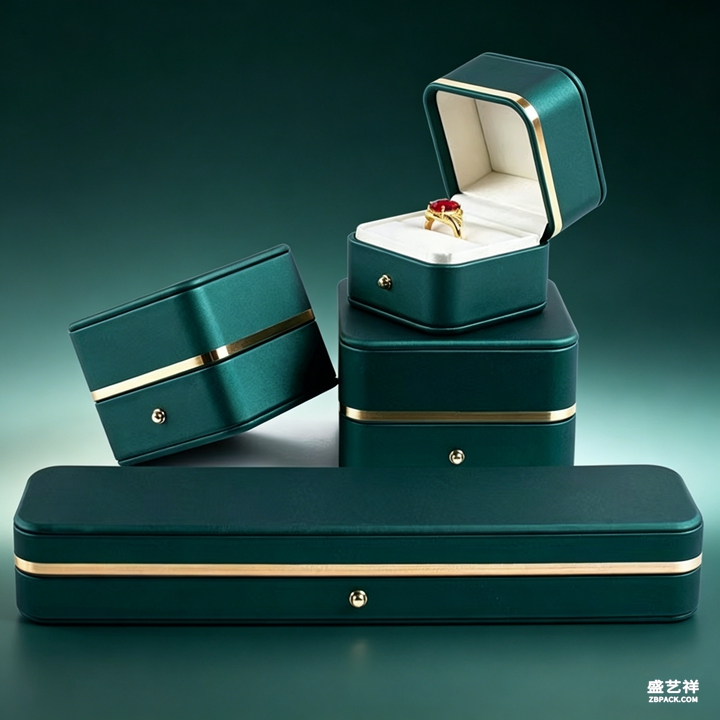
问:小品牌刚上线,怎么做才不花冤枉钱?
答:不必一步到位。三件性价比最高的升级加起来单件不到 0.5 美元:品牌胶带、雪梨纸加贴纸封缄、一张感谢卡。预算按“七三开”——七成打底(一致的主色与 logo),三成做亮点。Shorr 测算,定制包装通常在 2–3 单内回本,并带来约 26% 的复购提升;珠宝盒工厂小批量起订的珠宝盒定制如今已很普遍,起订量宽松到几十只即可。衡量的指标就三个:复购率、社媒提及量、退货率。把这三件事盯住,全渠道包装一致性自然水到渠成,也不必一开始就重金投入。
本文为原创内容,版权归盛艺祥所有。如需转载请注明出处。
盛艺祥(Shengyixiang)——高端珠宝包装设计与定制专家,为品牌护航。
Jewelry is no longer "buy online or buy in store." The modern shopper moves between both: McKinsey finds more than half of B2C customers engage through three to five channels on every purchase, and the broader data shows 73% use two or more channels on a single journey, touching nearly six touchpoints in 2025 before they buy. When someone tries a piece in the boutique, then orders from their phone at home, what lands on the doorstep is a parcel. Whether that parcel and the in-store box tell the same brand story decides if they come back.
Q: Why should the box a customer loves in the store and the parcel that arrives at home be "the same system"?
A: The value of omnichannel shoppers is well documented: they spend about 30% more than single-channel buyers and retain at a rate of 89% versus just 33%; strongly omnichannel brands grow revenue about 9.5% a year, nearly three times weaker strategies. Brand consistency is the multiplier — one brand-consistency study found presenting a brand uniformly across channels lifts revenue roughly 23%, while inconsistent branding can cost a brand about a third of its annual revenue. Another telling figure: 75% of shoppers weave back and forth between digital and physical touchpoints. A refined jewelry package in the boutique and a blank brown carton at the doorstep sever that continuous narrative. Shengyixiang treats the box as one unified cross-channel asset, not one system for the store and another for e-commerce.
Q: Online, packaging is the only physical brand touchpoint — why does that matter so much?
A: For the e-commerce buyer, the parcel is the brand's only handshake. Dotcom Distribution's 2025 research shows 72% of consumers say packaging design influences their purchase decisions, and 61% are more likely to buy again from a brand that uses premium packaging. Shorr's e-commerce packaging study is sharper: a premium unboxing experience drives a repurchase rate of 52.5%, against just 19.5% for a plain box. The carton is not a logistics cost; it is the conversion itself. A good jewelry box carries the boutique's "we care about detail" into the customer's hallway. And the parcel is also free advertising — 40% of consumers post their unboxing online, rising to 55% among millennials and Gen Z; YouTube unboxing videos top 20 billion views a year and TikTok's #unboxing has passed 85 billion. Whether the box is share-worthy decides if the brand gets spread for free.
Q: Why does high-end minimalism win customers over?
A: This is the point the boss makes often: high-end, minimalist jewelry packaging is simply favored by customers. In an omnichannel context the reason is clearer — 2025 unboxing trends lean overwhelmingly toward neo-minimalism: negative space, restrained foil, a single hero color. The data backs it: premium minimalist boxes have grown at a CAGR above 25% in recent years, and in one survey of 500+ buyers the share preferring minimalist packaging rose from 38% to 67%, with 78% equating "minimal" directly with "higher quality." One clean, minimal system reads as "the same box" on the shelf and in the parcel, lowering design cost and strengthening recall. When Shengyixiang does jewelry box customization, we usually recommend one minimalist language across every channel rather than a separate loud version for e-commerce. Minimalism, in fact, is the biggest lever for cross-channel consistency.
Q: Online jewelry buyers fear the "unboxing gap" — can packaging close it?
A: It can, and it should. The average e-commerce return rate reached 18.1% in 2025 (up from 16.9% in 2024), and for high-value items including jewelry it runs 20%–30%; the National Retail Federation estimates consumers returned $890 billion of goods in 2024, over half of it due to damaged or defective products. Consistent, branded protective packaging cuts returns by about 15% (Shorr), and 67% of online jewelry shoppers now use virtual try-on to reduce misfit. Packaging is the "what you see is what you get" promise: the more solid the box and the better the insert fits, the smaller the expectation gap at opening — and the fewer returns. Extending the boutique's premium feel into the carton is the most direct defense against "the item didn't match the photos."
Q: How do you turn in-store display props and the parcel into one brand journey?
A: Think of the parcel as an "after-sales boutique" that extends the in-store moment all the way home. The numbers are telling: in the US, 77% of leading retailers now offer BOPIS (buy-online-pick-up-in-store); 85% of those shoppers make an extra purchase when they come to collect; curbside pickup reached $154.3 billion in 2025; and 80% of shoppers use their phone inside the store to compare. To keep that journey seamless, the colors, materials, and nameplate language of your jewelry display props and jewelry display stands must match the carton and the pouch exactly. Shengyixiang delivers both display and packaging so that "seeing" and "receiving" are one continuous story, not two visuals telling different tales.
Q: For a small brand just going online, how do you do this without wasting money?
A: You don't need everything at once. Three highest-ROI upgrades together cost under $0.50 per order: branded tape, tissue with a sticker seal, and a thank-you card. Budget "seven-three": seventy percent on the baseline (one consistent color and logo), thirty percent on the highlight. Shorr estimates custom packaging pays for itself within two to three orders and lifts repurchase by about 26%; small-batch jewelry box customization from a jewelry box factory is easier to source than ever, with minimums relaxed to just a few dozen units. Track three metrics — repurchase rate, social mentions, return rate — and cross-channel packaging consistency will follow naturally, without a heavy upfront investment.
This is original content. Copyright belongs to Shengyixiang.
Shengyixiang — your expert in high-end jewelry packaging design & customization.