陈列道具到货验收六细节 Six Details to Check When Receiving Display Props
采购珠宝陈列道具和首饰盒,最怕的不是设计不满意,而是货到了才发现问题。物流路途遥远,包装再好也经不起颠簸;工厂赶单再严谨,也难免有疏漏。因此,到货验收是第一道也是最后一道关卡。养成按清单验收的习惯,能省下大量返工与扯皮的精力。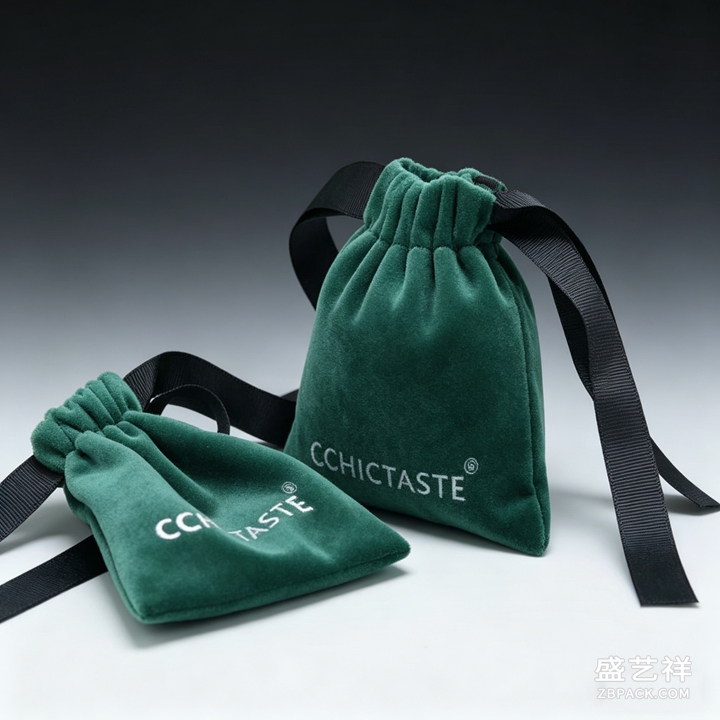
第一步看外包装。检查纸箱是否完好、有无受潮或挤压痕迹,拍照留证。外箱破损往往意味着内部受损,先别急着开箱,联系物流与厂家确认责任。拆箱时保留所有缓冲材料与包装单据,退货理赔时都用得上。这是很多采购者最容易跳过的一步,却是最划算的一步。
第二步清点数量。对照采购合同或装箱单,逐项核对道具名称、规格与数量。植绒托盘、戒指托这类小件数量多,务必一件一件数清,不要只数箱子。数量短缺要在签收当天反馈,逾期厂家通常不再认账。清点时顺手按型号分堆,后面验货更方便。
第三步检查表面工艺。烤漆件看是否有划痕、流挂、色差;烫金件看金箔是否脱落、边缘是否清晰;植绒件看绒毛是否均匀、有无起球脱绒。这些瑕疵在灯光下最容易暴露,建议在自然光或强光下逐一过目。批量验收时,可随机抽检10%重点检查,发现异常再全检。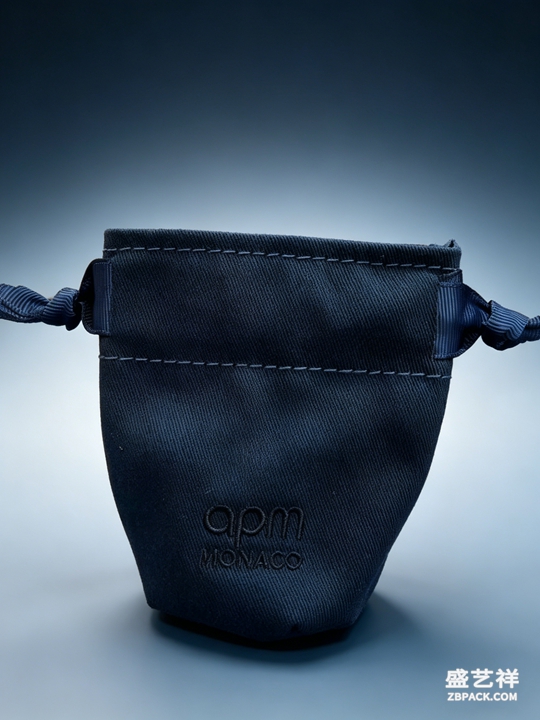
第四步测试结构功能。翻盖盒看合页是否顺畅、开合是否无声;抽屉盒看抽拉是否顺滑、有无卡顿;金属件看螺丝是否紧固、有无松动。功能性问题比外观问题更隐蔽,一定要上手操作,不能只看外观。尤其是定制首饰盒的锁扣,要反复开合验证。
第五步核对规格尺寸。用卷尺抽查关键尺寸:托盘内径、盒子长宽高、卡槽深度,与图纸或样品比对。尺寸偏差几毫米在照片上看不出来,但摆进柜台就会露馅。定制件务必逐一核对外观尺寸,现货件抽查即可。
第六步留好证据与反馈。验收中发现的问题,拍照记录并列出清单,第一时间发给厂家确认处理方案:补发、返修还是折扣。处理方案以书面确认为准,避免口头承诺。验收单签字前,确认所有问题都有明确答复。
道具验收看似繁琐,实则是采购链条里性价比最高的环节。把六个细节养成习惯,你的首饰盒与陈列道具就能一直维持出厂时的质感。对厂家而言,认真验收的客户也是最值得长期合作的伙伴。验收不是找茬,是双方共赢的开始。
本文为原创内容,版权归骏依美所有。如需转载请注明出处。
深圳骏依美首饰包装,21年专注首饰盒定制与珠宝袋加工,源头工厂一站供货,欢迎垂询。
When purchasing jewelry display props and boxes, the biggest fear is not the design but discovering problems upon delivery. Transport is long, and packaging suffers bumps; factories may also overlook details under rush orders. Acceptance upon arrival is the first and last line of defense. Building a checklist habit saves huge amounts of rework and dispute energy.
Step one: inspect the outer packaging. Check whether cartons are intact, free of moisture or crush marks, and photograph evidence. Damaged outer boxes often mean internal damage; before opening, contact the carrier and factory to confirm responsibility. Keep all cushioning materials and shipping documents for claims. This is the step most buyers skip, yet the most cost-effective.
Step two: count quantities. Against the purchase contract or packing list, verify names, specs, and quantities item by item. Small items like velvet trays and ring stands come in large numbers; count every piece, not just boxes. Report shortages on the day of receipt; factories usually refuse claims afterward. Sort by model while counting for easier inspection.
Step three: check surface finishing. For painted items, look for scratches, runs, and color difference; for foil, check peeling and edge clarity; for flocking, check evenness and pilling. These flaws show best under light, so review under natural or strong light. For bulk orders, spot-check 10 percent first, then full-check if issues appear.
Step four: test structure and function. Flip boxes: check hinge smoothness and quiet closure. Drawer boxes: check smooth sliding without jamming. Metal parts: check screw tightness. Functional problems hide more than visual ones, so handle every piece. For custom jewelry box clasps, open and close repeatedly.
Step five: verify sizes. Use a tape measure on key dimensions: tray inner diameter, box length-width-height, slot depth, compared with drawings or samples. A few millimeters of deviation is invisible in photos but obvious in a counter. Verify every custom piece; spot-check stock items.
Step six: keep evidence and feedback. Document issues with photos, list them, and confirm solutions with the factory immediately: replacement, repair, or discount. Confirm in writing, not verbally. Before signing acceptance, ensure all issues have clear answers.
Acceptance seems tedious but is the most cost-effective link in procurement. Make these six details habits, and your jewelry boxes and props maintain their factory quality. For factories, serious customers are the best long-term partners. Acceptance is not fault-finding; it is the start of mutual benefit.
This article is original content, copyrighted by JUNYIMEI. Please credit the source when reposting.
JUNYIMEI Jewelry Packaging: 21 years of custom jewelry boxes and pouches, OEM/ODM from the source factory. Welcome to inquire.