节日礼盒定制成新风口:珠宝袋与开箱营销如何放大品牌记忆 Festive Gift-Box Customization Becomes the New Frontier: How Jewelry Pouches and Unboxing Marketing Amplify Brand Memory
节日季是珠宝消费最浓的场次,也是礼盒最能出彩的时刻。当一枚戒指先被妥帖地放进珠宝盒,再连同珠宝袋一起封进烫金礼盒,拆开的瞬间就成了一段值得被记录的仪式。越来越多品牌意识到,包装不是成本清单里最后一项,而是品牌与顾客对话的第一句话,开箱营销所带来的情绪价值,正被重新计算与重视。
在深圳珠宝包装厂的车间里,定制需求这几年明显升温。客户早已不满足于通用盒型,而是希望首饰盒定制能够贴合单品的真实轮廓,让丝绒内托与戒指、项链严丝合缝。一只真正贴合的盒子,既能在运输中减少晃动、降低损耗,也顺势省去大量缓冲填充物,反而更环保。设计的巧思往往就藏在毫厘之间,既体面,又省料。
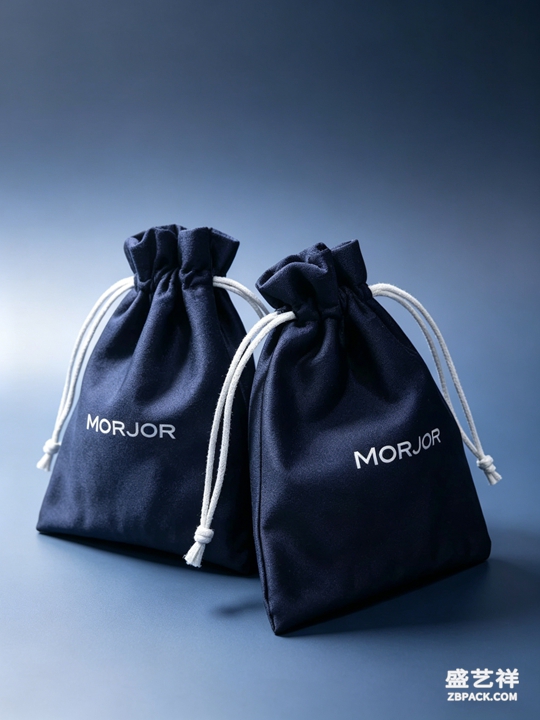
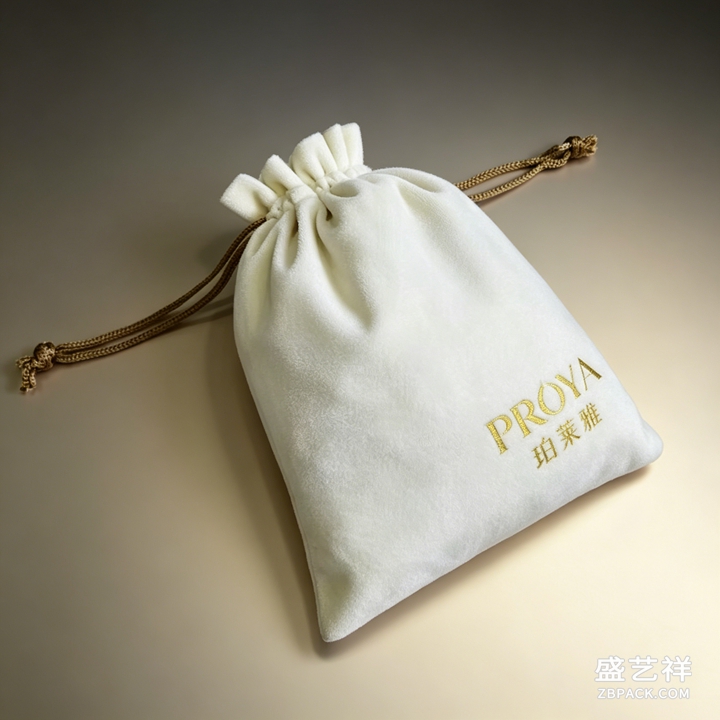
我们常建议品牌把珠宝袋视作第二触点来认真打磨。它轻巧、可反复使用,顾客带回家后仍会一次次看到品牌印记,是性价比极高的移动广告。相比用完即弃的豪华包装,一只质感在线的珠宝袋反而更容易被长期留存,在潜移默化间延长了品牌陪伴顾客的时间。这种克制,往往比铺张更有力量。
当然,节日礼盒不必一味堆料。成熟的供应链会先用结构把体量做小,再用工艺把质感做足,让有限的预算落在最显贵的位置。对中小品牌而言,找到一个既懂设计又懂省料的工厂伙伴,远比盲目追大盒、追厚料更务实。把每一分预算花在对的地方,节日才会真正转化为可见的增长。
包装最终要回到人。当礼盒被一双手轻轻打开,灯光下那一抹反光与那一瞬惊喜,便是品牌想传递的全部温柔。盛艺祥愿与每一个认真做产品的品牌并肩,把节日里的心意,做成可以被反复拆开、反复回味的那份美好。
本文为盛艺祥原创内容,版权归盛艺祥所有,如需转载请注明出处。
盛艺祥珠宝包装定制,懂设计更懂省料,让每一分预算花在刀刃上,体面实用真省心。
The holiday season is the most intense stage for jewelry consumption, and also the moment when gift boxes shine brightest. When a ring is first placed gently into its jewelry box and then sealed together with a jewelry pouch into a foil-stamped gift box, the act of opening becomes a ritual worth recording. More and more brands realize that packaging is not the last line of the cost sheet, but the first sentence in the brand-customer dialogue; the emotional value brought by unboxing marketing is being recalculated and taken seriously anew.
Inside Shenzhen jewelry packaging factories, customization demand has clearly heated up in recent years. Clients are no longer satisfied with generic box shapes; they want customized jewelry boxes that fit the true contour of each piece, so the velvet insert hugs the ring or necklace perfectly. A truly fitted box reduces shaking and damage during shipping and eliminates excessive padding, making it greener. The cleverness of design often hides in millimeters—presentable yet material-saving.
We often advise brands to treat the jewelry pouch as a second touchpoint worth polishing. It is light and reusable; customers keep seeing the brand mark at home, making it a highly cost-effective mobile advertisement. Compared with disposable luxury packaging, a well-made jewelry pouch is more likely to be kept long term, quietly extending the time the brand accompanies its customer. This restraint is often more powerful than excess.
Of course, festive gift boxes need not pile on materials. A mature supply chain first shrinks the structure and then builds up quality through craft, so the limited budget lands on the most premium-looking spot. For small and mid-sized brands, finding a factory partner that understands both design and material-saving is far more pragmatic than blindly chasing bigger boxes or thicker stock. Spend every budget where it counts, and the holiday truly turns into visible growth.
Packaging ultimately returns to people. When a gift box is gently opened by a pair of hands, the glint of light and the instant of surprise are all the tenderness a brand wishes to convey. Shengyixiang stands alongside every brand that takes its products seriously, turning holiday sentiment into a beauty that can be opened and savored again and again.
本文为盛艺祥原创内容,版权归盛艺祥所有,如需转载请注明出处。
盛艺祥珠宝包装定制,懂设计更懂省料,让每一分预算花在刀刃上,体面实用真省心。