出差随身也稳妥:旅行珠宝盒的便携与防护平衡盛艺祥 · 行业资讯
出差随身也稳妥:旅行珠宝盒的便携与防护平衡 Travel-Ready and Protected: Balancing Portability in a Jewelry Case
出差或旅行时,最让人纠结的从不是带不带首饰,而是怎么带才不糟心。项链缠成一团、戒指在包里滚丢、耳钉掉了找不着——这些狼狈,往往毁掉了一趟原本愉快行程里的体面时刻。一只称职的旅行珠宝盒,要解决的正是这个矛盾:既要轻巧到愿意随身带,又要稳妥到敢把珍爱交给你。不少人误以为旅行盒就是缩小的家用盒,其实二者逻辑相反:家用盒求全,旅行盒求准,只装当下要用的几件反而最省心。
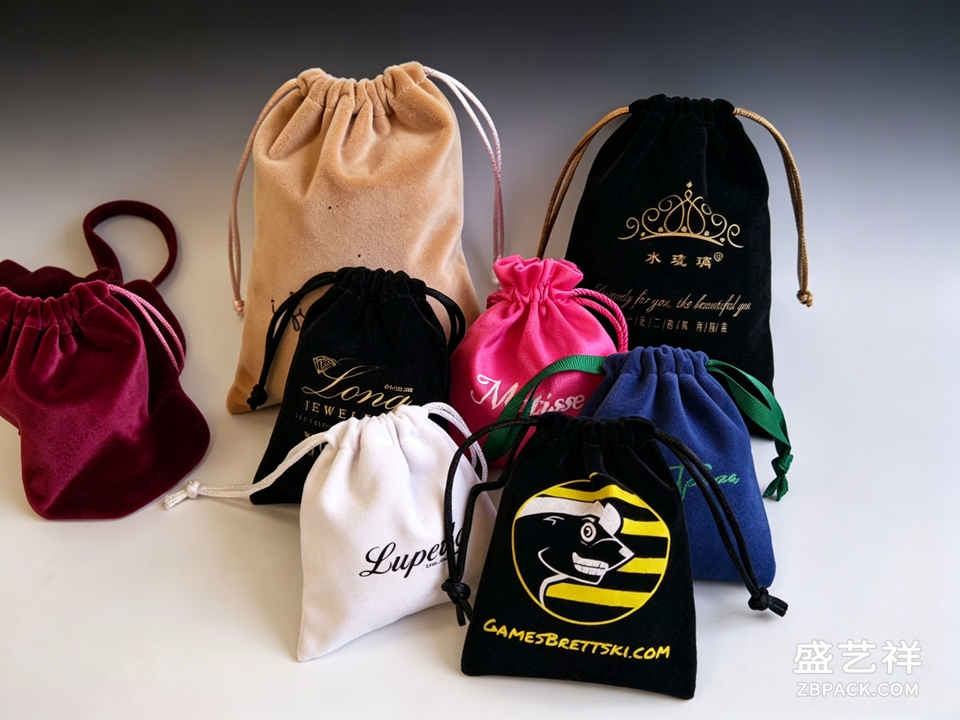 便携的前提是小与轻。旅行盒不该复制家用大盒的尺寸,它只需要容纳当下这趟行程真正要戴的几件。扁平的翻盖或薄抽屉结构最省空间,能直接塞进化妆包或行李箱夹层;重量上,以能单手轻松拿起为宜。当盒子本身成了负担,它就会被留在家里——便携性决定了它会不会被用上。
防护的关键则在固定与分隔。好的旅行盒内部用独立绒格把每件首饰分开,项链有专属卡槽防缠绕,戒指有弹性织带定位,耳钉有独立小兜。再配一层薄海绵或硬壳外框,应对托运途中的挤压与磕碰。便携与防护看似拉扯,其实靠的是内部结构的巧思,而非外部体积的无谓增大。
便携的前提是小与轻。旅行盒不该复制家用大盒的尺寸,它只需要容纳当下这趟行程真正要戴的几件。扁平的翻盖或薄抽屉结构最省空间,能直接塞进化妆包或行李箱夹层;重量上,以能单手轻松拿起为宜。当盒子本身成了负担,它就会被留在家里——便携性决定了它会不会被用上。
防护的关键则在固定与分隔。好的旅行盒内部用独立绒格把每件首饰分开,项链有专属卡槽防缠绕,戒指有弹性织带定位,耳钉有独立小兜。再配一层薄海绵或硬壳外框,应对托运途中的挤压与磕碰。便携与防护看似拉扯,其实靠的是内部结构的巧思,而非外部体积的无谓增大。
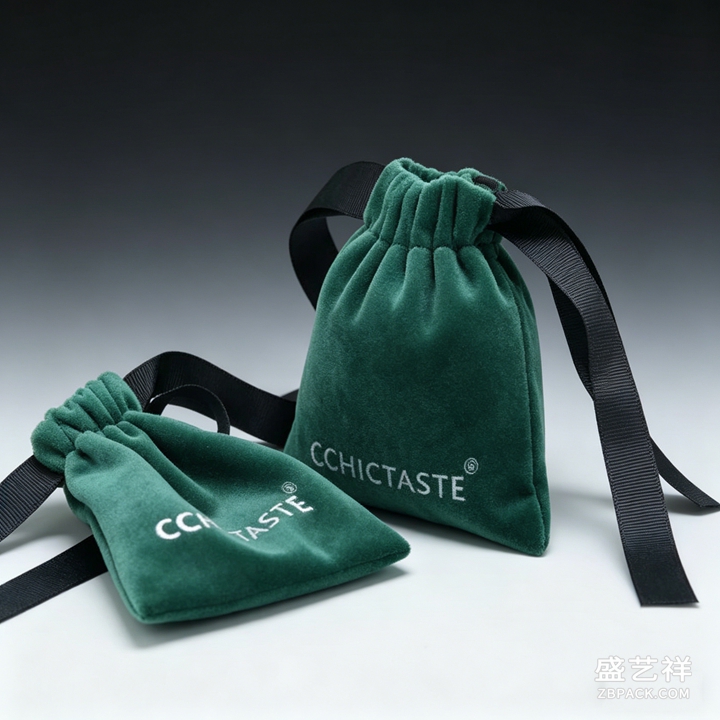 材质上,旅行盒更看重耐用与易洁。牛津布或超纤外皮耐磨抗污,内里绒布亲肤护饰;若常飞长途,可选手风琴式多层盒,展开是完整收纳,合起仅占巴掌大。对经常往返各地参展或见客户的珠宝从业者来说,一只可靠的旅行盒更是移动的工作台——它让样品在路途与展示之间无缝切换,省去现场翻找的慌乱。
选购时别只看颜值,先问自己:它能不能在颠簸的行李里,替我把珍爱守得安稳。把便携与防护都做扎实,旅行珠宝盒才真正配得上随身二字。无论去哪,珍品的体面,都该一路相随。一只好盒还能顺手收进登机包外侧袋,过安检时一眼可取,免去开箱翻找的尴尬。
本文为原创内容,版权归骏依美所有。如需转载请注明出处。
ZBPACK专注首饰盒与珠宝袋定制,以扎实工艺为每件饰品安一个体面的家。
ZBPACK crafts jewelry boxes and pouches that give every piece a dignified home.
While traveling for business or leisure, the real headache is rarely whether to bring jewelry, but how to bring it without regret. Necklaces tangled into a knot, a ring rolling loose in the bag, an earring lost with no way to find it—such embarrassment often ruins the dignified moments of an otherwise pleasant trip. A capable travel jewelry case solves exactly this tension: light enough that you actually carry it, yet secure enough that you trust it with your treasures.
Portability starts with small and light. A travel case should not copy the size of a home box; it only needs to hold the few pieces you will actually wear on this trip. A flat flip-lid or slim drawer saves space and slips into a cosmetic pouch or suitcase compartment; in weight, it should lift easily with one hand. The moment the case itself becomes a burden, it gets left at home—portability decides whether it gets used at all.
Protection lives in fixation and separation. A good travel case uses individual velvet compartments to keep each piece apart: a dedicated slot prevents necklace tangles, an elastic band secures the ring, a small pocket cradles the earrings. Add a thin foam layer or rigid shell to absorb the crush and bumps of checked baggage. Portability and protection may seem to pull apart, but the trick lies in clever internal structure, not needless external bulk.
In material, travel cases prize durability and easy cleaning. Oxford cloth or microfiber exteriors resist wear and stains, while velvet interiors stay gentle on the pieces; for frequent long-haul flights, an accordion multi-layer case unfolds into full storage yet closes to the size of a palm. For jewelry professionals shuttling between shows and clients, a reliable travel case is also a mobile workstation—it lets samples move seamlessly between transit and display, sparing the panic of on-site searching.
When choosing, don't judge by looks alone; ask first whether it can keep your treasures steady through bumpy luggage. Build both portability and protection solid, and a travel jewelry case truly earns the word 'carry-on.' Wherever you go, a treasure's dignity should travel with you.
This article is original content, copyrighted by Junyimei. Please cite the source if reprinted.
ZBPACK specializes in jewelry boxes and pouches, giving every piece a dignified home.
ZBPACK crafts jewelry boxes and pouches that give every piece a dignified home.
材质上,旅行盒更看重耐用与易洁。牛津布或超纤外皮耐磨抗污,内里绒布亲肤护饰;若常飞长途,可选手风琴式多层盒,展开是完整收纳,合起仅占巴掌大。对经常往返各地参展或见客户的珠宝从业者来说,一只可靠的旅行盒更是移动的工作台——它让样品在路途与展示之间无缝切换,省去现场翻找的慌乱。
选购时别只看颜值,先问自己:它能不能在颠簸的行李里,替我把珍爱守得安稳。把便携与防护都做扎实,旅行珠宝盒才真正配得上随身二字。无论去哪,珍品的体面,都该一路相随。一只好盒还能顺手收进登机包外侧袋,过安检时一眼可取,免去开箱翻找的尴尬。
本文为原创内容,版权归骏依美所有。如需转载请注明出处。
ZBPACK专注首饰盒与珠宝袋定制,以扎实工艺为每件饰品安一个体面的家。
ZBPACK crafts jewelry boxes and pouches that give every piece a dignified home.
While traveling for business or leisure, the real headache is rarely whether to bring jewelry, but how to bring it without regret. Necklaces tangled into a knot, a ring rolling loose in the bag, an earring lost with no way to find it—such embarrassment often ruins the dignified moments of an otherwise pleasant trip. A capable travel jewelry case solves exactly this tension: light enough that you actually carry it, yet secure enough that you trust it with your treasures.
Portability starts with small and light. A travel case should not copy the size of a home box; it only needs to hold the few pieces you will actually wear on this trip. A flat flip-lid or slim drawer saves space and slips into a cosmetic pouch or suitcase compartment; in weight, it should lift easily with one hand. The moment the case itself becomes a burden, it gets left at home—portability decides whether it gets used at all.
Protection lives in fixation and separation. A good travel case uses individual velvet compartments to keep each piece apart: a dedicated slot prevents necklace tangles, an elastic band secures the ring, a small pocket cradles the earrings. Add a thin foam layer or rigid shell to absorb the crush and bumps of checked baggage. Portability and protection may seem to pull apart, but the trick lies in clever internal structure, not needless external bulk.
In material, travel cases prize durability and easy cleaning. Oxford cloth or microfiber exteriors resist wear and stains, while velvet interiors stay gentle on the pieces; for frequent long-haul flights, an accordion multi-layer case unfolds into full storage yet closes to the size of a palm. For jewelry professionals shuttling between shows and clients, a reliable travel case is also a mobile workstation—it lets samples move seamlessly between transit and display, sparing the panic of on-site searching.
When choosing, don't judge by looks alone; ask first whether it can keep your treasures steady through bumpy luggage. Build both portability and protection solid, and a travel jewelry case truly earns the word 'carry-on.' Wherever you go, a treasure's dignity should travel with you.
This article is original content, copyrighted by Junyimei. Please cite the source if reprinted.
ZBPACK specializes in jewelry boxes and pouches, giving every piece a dignified home.
ZBPACK crafts jewelry boxes and pouches that give every piece a dignified home.
返回资讯列表
Back To News List
便携的前提是小与轻。旅行盒不该复制家用大盒的尺寸,它只需要容纳当下这趟行程真正要戴的几件。扁平的翻盖或薄抽屉结构最省空间,能直接塞进化妆包或行李箱夹层;重量上,以能单手轻松拿起为宜。当盒子本身成了负担,它就会被留在家里——便携性决定了它会不会被用上。
防护的关键则在固定与分隔。好的旅行盒内部用独立绒格把每件首饰分开,项链有专属卡槽防缠绕,戒指有弹性织带定位,耳钉有独立小兜。再配一层薄海绵或硬壳外框,应对托运途中的挤压与磕碰。便携与防护看似拉扯,其实靠的是内部结构的巧思,而非外部体积的无谓增大。
材质上,旅行盒更看重耐用与易洁。牛津布或超纤外皮耐磨抗污,内里绒布亲肤护饰;若常飞长途,可选手风琴式多层盒,展开是完整收纳,合起仅占巴掌大。对经常往返各地参展或见客户的珠宝从业者来说,一只可靠的旅行盒更是移动的工作台——它让样品在路途与展示之间无缝切换,省去现场翻找的慌乱。
选购时别只看颜值,先问自己:它能不能在颠簸的行李里,替我把珍爱守得安稳。把便携与防护都做扎实,旅行珠宝盒才真正配得上随身二字。无论去哪,珍品的体面,都该一路相随。一只好盒还能顺手收进登机包外侧袋,过安检时一眼可取,免去开箱翻找的尴尬。
本文为原创内容,版权归骏依美所有。如需转载请注明出处。
ZBPACK专注首饰盒与珠宝袋定制,以扎实工艺为每件饰品安一个体面的家。
ZBPACK crafts jewelry boxes and pouches that give every piece a dignified home.
While traveling for business or leisure, the real headache is rarely whether to bring jewelry, but how to bring it without regret. Necklaces tangled into a knot, a ring rolling loose in the bag, an earring lost with no way to find it—such embarrassment often ruins the dignified moments of an otherwise pleasant trip. A capable travel jewelry case solves exactly this tension: light enough that you actually carry it, yet secure enough that you trust it with your treasures.
Portability starts with small and light. A travel case should not copy the size of a home box; it only needs to hold the few pieces you will actually wear on this trip. A flat flip-lid or slim drawer saves space and slips into a cosmetic pouch or suitcase compartment; in weight, it should lift easily with one hand. The moment the case itself becomes a burden, it gets left at home—portability decides whether it gets used at all.
Protection lives in fixation and separation. A good travel case uses individual velvet compartments to keep each piece apart: a dedicated slot prevents necklace tangles, an elastic band secures the ring, a small pocket cradles the earrings. Add a thin foam layer or rigid shell to absorb the crush and bumps of checked baggage. Portability and protection may seem to pull apart, but the trick lies in clever internal structure, not needless external bulk.
In material, travel cases prize durability and easy cleaning. Oxford cloth or microfiber exteriors resist wear and stains, while velvet interiors stay gentle on the pieces; for frequent long-haul flights, an accordion multi-layer case unfolds into full storage yet closes to the size of a palm. For jewelry professionals shuttling between shows and clients, a reliable travel case is also a mobile workstation—it lets samples move seamlessly between transit and display, sparing the panic of on-site searching.
When choosing, don't judge by looks alone; ask first whether it can keep your treasures steady through bumpy luggage. Build both portability and protection solid, and a travel jewelry case truly earns the word 'carry-on.' Wherever you go, a treasure's dignity should travel with you.
This article is original content, copyrighted by Junyimei. Please cite the source if reprinted.
ZBPACK specializes in jewelry boxes and pouches, giving every piece a dignified home.
ZBPACK crafts jewelry boxes and pouches that give every piece a dignified home.