智能戒指读懂身体 How Smart Rings Are Quietly Redefining Modern Jewelry
一枚重约4克的钛金属指环,刚刚把一个芬兰公司送上了IPO申请书——估值110亿美元。它不闪、不镶钻、没有显眼的Logo,却让全球近八成智能戒指用户把它常年戴在食指上。这枚“会读身体的戒指”,正在悄悄改写珠宝行业的游戏规则:当科技以一种克制、安静、几乎像首饰的方式爬上指尖,珠宝店要面对的,不再只是金重与克拉。
市场研究机构的数据,给这个故事最硬的注脚。2025年全球智能戒指出货量约380万枚,同比增长36%;2026年预计冲到500万枚,批发口径营收逼近10亿美元,同比再涨近四成。IDC更给出49%的出货增速预测,是同周期智能手表6%增速的八倍。更值得玩味的是结构:Circana的美国零售数据显示,智能戒指已占该国健身追踪设备收入的75%,一年前这一比例还只有46%。换句话说,美国人买来追踪健康的硬件,十之有七选了“戒指”这个形态——一个传统上完全属于珠宝的语汇。
Oura是这场浪潮的旗手,2025年份额约79%,2026年预计升至84%,估值站上110亿美元并递交保密招股书;RingConn、Ultrahuman则在订阅制之外开辟无月费路线,印度、西欧成为新增长极。但真正有意思的,从来不是谁卖了更多,而是“戒指”为什么会成为健康科技的落脚形态。
答案藏在这种形态本身的气质里。智能戒指卖的从来不是功能堆砌,而是一种“几乎无感的陪伴”——它不亮屏、不震你、不抢话,却日夜记录睡眠、心率变异性、体温与恢复状态。这与珠宝一直以来的价值逻辑惊人地相似:最好的首饰,也是不喧哗地长在身上、成为你的一部分。当科技学会用珠宝的语法说话,边界就开始模糊。
而这恰恰给珠宝行业抛出一个新命题:当一枚“戒指”既要当健康监测设备,又要当日常首饰,它的呈现方式该听谁的?
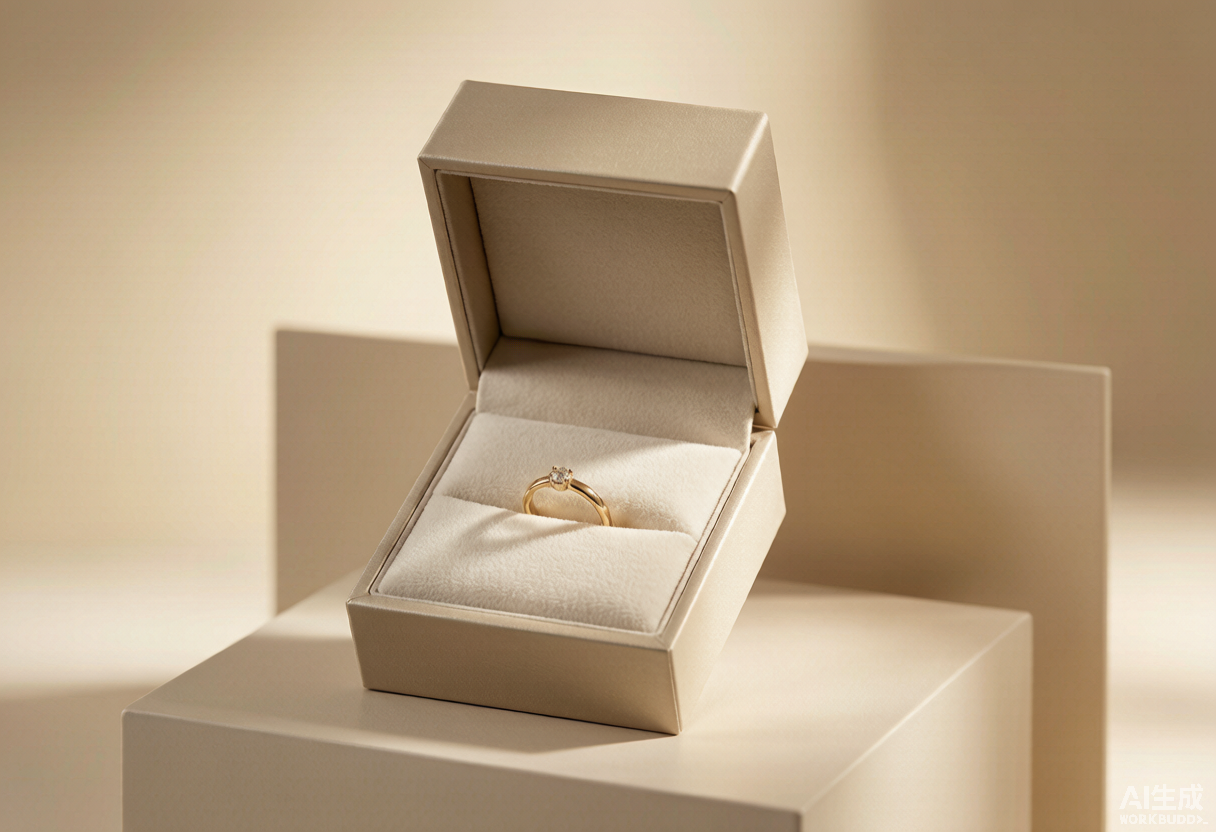
这正是盛艺祥这类高端珠宝包装设计与定制方被推到前场的原因。智能戒指的零售交付,比传统珠宝复杂得多——盒子里往往要同时容纳指环本体、一个充当充电坞的底座,以及一套让顾客先确定尺寸的试戴环(sizing kit)。如果按消费电子的方式去堆泡棉和说明书,整件事会瞬间掉回“数码配件”的廉价感;可如果完全照搬高级珠宝的丝绒天地盖,又未必给得足充电与收纳的功能空间。
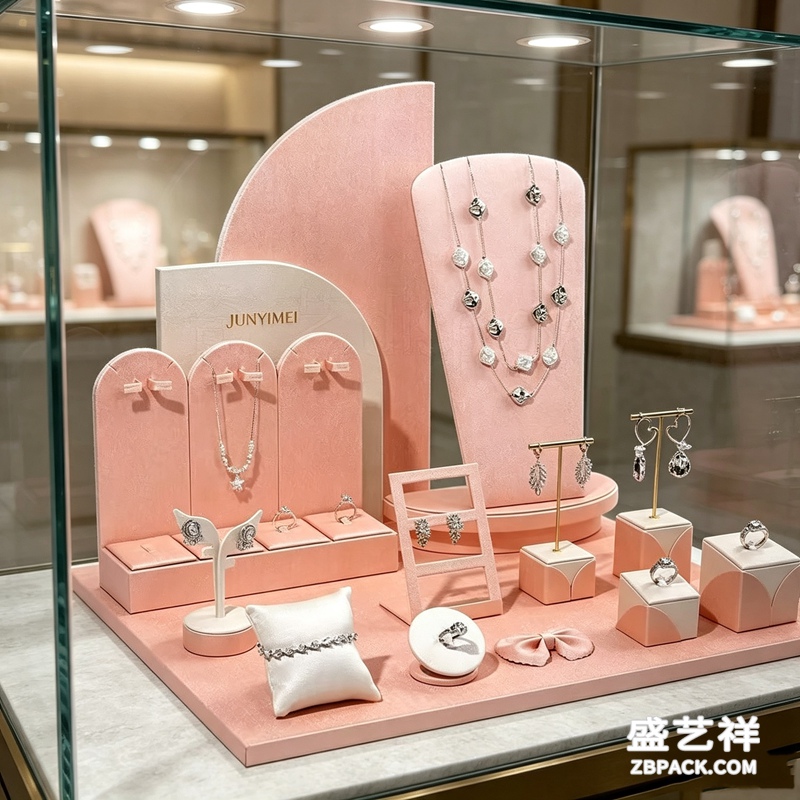
所以这一类产品的首饰盒,往往要做“克制的复合”:外观是首饰盒的安静与克制,内里却是为充电触点、磁吸定位和防刮卡位预留的工程结构。珠宝陈列道具也面临同样的更新——试戴台不再只是托起一枚钻戒,而要能演示“取下即充电、戴上即监测”的场景,让顾客在柜台前就理解这件东西既是首饰也是设备。珠宝摆台的高度差与留白,于是从“显贵”转为“显懂”,帮品牌把科技讲成一种生活方式,而不是一串让人犯困的参数。
从材质看,这场潮流和包装设计的审美也彼此呼应。智能戒指大多采用钛金属一体成型,表面哑光,几乎没有任何多余装饰——这种“极奢式极简”,恰好也是高端珠宝盒正在走的路:把预算从炫目的五金转移到指尖可感的触感与公差。当指环本身已经足够克制,盛艺祥给出的方案往往是“外观做减法、结构做加法”,让开盒三秒里,顾客的目光先落到戒指,再落到那点恰到好处的工艺。
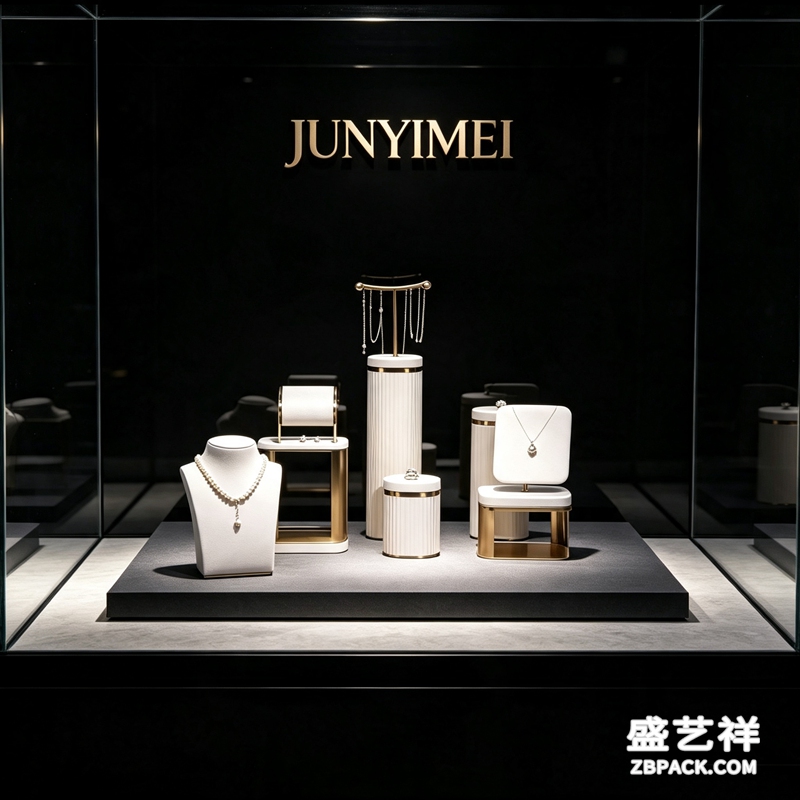
更宽的视角下,智能戒指只是“可穿戴即首饰”这股潮流的尖兵。当健康监测、身份验证甚至支付都开始往指间迁徙,珠宝的语义正在被重写:它不再只是装饰与保值,也是一双安静贴在身体上的眼睛。线下门店也因此变得更重要——指围必须现场量准,试戴与 sizing 成了柜台的新功课,珠宝陈列道具要同时承担“体验”与“成交”两件事。
对于品牌而言,谁能率先把“科技感”翻译成“珠宝感”,谁就握住了下一代消费者的第一印象。而第一印象,九成发生在开盒的那三秒。把这关键的几秒做对,或许就是智能戒指时代,留给珠宝包装设计最值得回答的问题。
本文为原创内容,版权归盛艺祥所有。如需转载请注明出处。
盛艺祥(Shengyixiang)——高端珠宝包装设计与定制专家,为品牌护航。
A four-gram titanium band has just put a Finnish company on the IPO path at an $11 billion valuation — and it looks more like jewelry than a gadget. It does not sparkle, it carries no loud logo, yet nearly eight in ten smart-ring wearers keep it on their index finger year-round. This “ring that reads your body” is quietly rewriting the rules of the jewelry business: when technology climbs onto the fingertip in a restrained, almost ornamental way, the jewelry store is no longer selling only gold weight and carats.
The data gives the story its hardest spine. Global smart-ring shipments reached roughly 3.8 million units in 2025, up 36% year over year; 2026 is forecast to hit 5 million, with wholesale revenue approaching $1 billion — another near-40% jump. IDC projects 49% shipment growth for the category, roughly eight times the 6% clip of smartwatches. The more telling shift is structural: Circana's US retail data shows smart rings already account for 75% of fitness-tracker revenue in the country, up from just 46% a year earlier. In other words, when Americans buy hardware to track their health, seven in ten now choose the “ring” — a word that has always belonged to jewelry.
Oura is the flag-bearer of this wave, holding about 79% share in 2025 and projected to reach 84% in 2026, with an $11 billion valuation and a confidential IPO filing. RingConn and Ultrahuman carve out a no-subscription lane beneath it, while India and Western Europe emerge as fresh growth poles. But the interesting question was never who sold more — it was why the “ring” became the landing shape for health technology at all.
The answer lives in the temperament of the form itself. A smart ring sells not feature piles but a near-weightless companionship: it does not light up, it does not buzz, it does not interrupt, yet it logs sleep, heart-rate variability, temperature and recovery around the clock. That is strangely close to jewelry's oldest logic — the best pieces grow onto the body quietly and become part of you. When technology learns to speak in precious-metal grammar, the boundary blurs.
And that hands the jewelry industry a new brief: when a “ring” must be both a medical-grade sensor and an everyday ornament, whose rules should its presentation follow?
This is exactly where Shengyixiang, a high-end jewelry packaging design and customization house, gets pulled to the front of the stage. The retail handoff of a smart ring is far more complex than traditional jewelry — the box must hold the band, a base that doubles as a charging dock, and a sizing kit so the customer can find the right fit first. Build it like consumer electronics and the whole thing collapses into “accessory” cheapness; build it like a pure velvet ring box and you lose the function it needs.
So these jewelry boxes practice a “restrained composition”: a quiet, minimal exterior wrapped around an engineered interior with charging contacts, magnetic alignment and scratch-proof cradles. Jewelry display props face the same update — the try-on stand no longer merely lifts a solitaire, it must demo “take it off to charge, put it on to track,” letting the customer understand at the counter that this object is both adornment and device. The jewelry display prop's sense of height and negative space shifts from “showing wealth” to “showing understanding,” helping a brand tell technology as a lifestyle rather than a spec sheet.
On materials, the trend rhymes with packaging aesthetics. Most smart rings are milled from a single piece of titanium with a matte finish and almost no ornament — a “stealth luxury minimalism” that mirrors where high-end jewelry boxes are heading: moving the budget from flashy hardware to fingertip-level touch and tolerance. When the ring itself is already this restrained, Shengyixiang's answer tends to be “subtract on the surface, add in the structure,” so that in the three seconds of unboxing the eye lands on the ring first, then on the right amount of quiet craft.
Zoom out, and the smart ring is merely the vanguard of a “wearable-as-jewelry” current. As health monitoring, identity and even payments migrate toward the finger, the meaning of jewelry is being rewritten: no longer just decoration and store of value, but a quiet eye resting on the body. Physical stores matter more for exactly this reason — ring size must be measured on the spot, and try-on plus sizing become new counter rituals that jewelry display props must serve as both experience and closing.
There is a quieter reason the ring wins where wristbands and clips failed: intimacy. A ring sits on a finger you rarely remove, closer to pulse and skin than almost any object we own. That closeness turns data into something personal rather than clinical — the same reason a wedding band or a signet carries meaning no app can. Smart rings succeed because they borrow jewelry's oldest trick: make the instrument feel like a keepsake. For packaging, that raises the bar. The box is no longer just a protector of value; it is the first keeper of a relationship that may last years. A flimsy case quietly undermines the promise of something worn daily, while a considered one extends the brand's care from the product into the routine of living with it.
The practical takeaway for packaging houses is to design for the hybrid, not the pure. Tech-jewelry fusions will keep arriving — rings that authenticate, pendants that coach, bracelets that pay — each demanding a case that is part velvet tray, part engineered cradle. The winners will be structures that look unmistakably like jewelry yet hide just enough function to keep the object feeling effortless. Shengyixiang's work on these pieces tends to start from the question a customer never voices: not “what does this do,” but “does this deserve a place on my hand, and in my life.” Answering that at the level of material, weight and the three seconds of opening is where the next decade of jewelry packaging will be won.
For brands, whoever first translates “tech” into “jewelry” owns the next generation's first impression. And ninety percent of that impression is forged in the three seconds of opening the box. Getting those seconds right may be the most worthwhile question smart-ring-era jewelry packaging design has to answer.
This is original content. Copyright belongs to Shengyixiang.
Shengyixiang — your expert in high-end jewelry packaging design & customization.