雕塑美学重塑珠宝格局 Sculptural Aesthetics Reshape Jewelry Landscape
2026年珠宝界正经历一场深刻的审美转向
从巴黎高级定制周到米兰时装周,从T台到街头,"雕塑感"成为最具辨识度的关键词。粗链条、立体肌理、建筑轮廓的珠宝作品,正从配饰配角跃升为造型主角,彻底改写着珠宝的穿搭逻辑。
一、极繁美学强势回归
持续数年的低调极简风潮终于迎来拐点。2026秋冬时装周上,Chanel、Chloe、Fendi等品牌不约而同将配饰推至造型C位,宣告"more is more"的极繁哲学全面回归。纤细细链退场,取而代之的是宽版肌理金属手镯、做旧扭转耳环和双色拼接粗古巴项链。这些作品不再甘当穿搭点缀,而是以雕塑般的体量和结构感,直接定义整体造型的风格基调。
行业数据印证了这一趋势。Grand View Research报告显示,全球珠宝市场预计2026年达590亿美元,年复合增长率7.8%。其中,具备视觉冲击力的statement piece成为增长最快的品类,消费者越来越愿意为设计感和情绪表达买单。
二、建筑结构感的工艺探索
雕塑感珠宝的核心不在于体量堆砌,而在于形式张力与工艺精度的统一。设计师从自然界曲线、非对称构造和建筑语汇中汲取灵感,将金属弯折、扭转、堆叠,形成类似山川起伏或建筑梁柱的视觉结构。
这种趋势催生了混搭金属的全面解禁。黄金与白银的撞色组合打破了"金银不可同戴"的陈旧穿搭信条,双色拼接链条和中性风格男女通用款成为市场上的爆款单品。银色作为2026年的高级中性色彩,让大廓形珠宝的入手门槛显著降低,更多消费者得以体验雕塑美学的表达力。
三、场景化佩戴的实用指南
雕塑感珠宝的日常适配需要兼顾气场与场合。正式商务场合中,宽版金镯、几何大戒指和垂坠感金属耳饰能弱化轻浮感,凸显干练气场;商务晚宴则可大胆选择建筑感项链或夸张圈环耳饰,hold住灯光与正式着装。
叠戴逻辑同样关键。不同宽度、金属与色调的组合,能形成丰富的视觉层次。从单条粗链到多层叠戴的渐进过渡,让佩戴者既能保持日常通勤的得体,又能在社交场合释放个性张力。
四、珠宝陈列与包装设计的协同进化
雕塑感珠宝的崛起,对珠宝陈列道具和包装设计提出了全新的协同要求。立体结构感强烈的作品,需要陈列方案能充分展现其三维形态和光影效果,而非简单平铺。盛艺祥深谙此道,在珠宝陈列道具设计中融入雕塑美学理念,让每件作品在展柜中都能呈现最佳角度与光影层次。
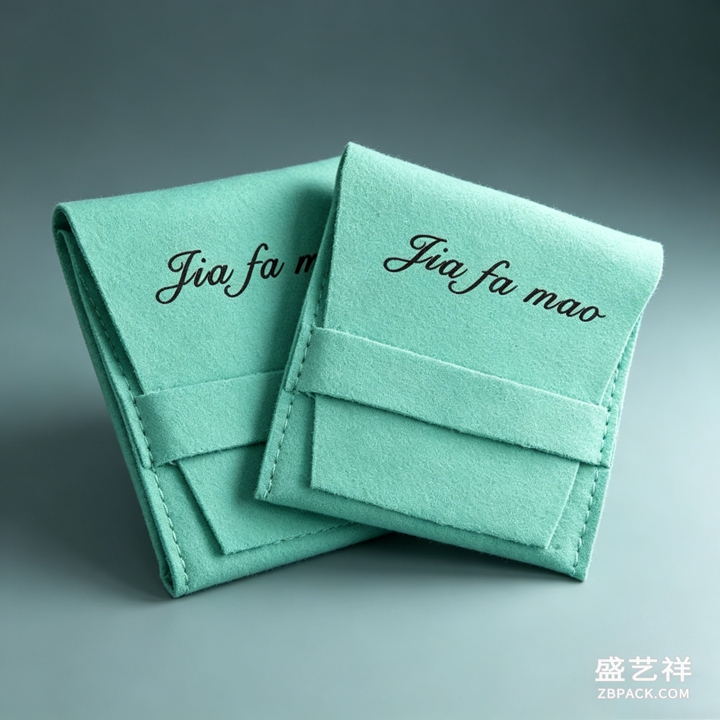
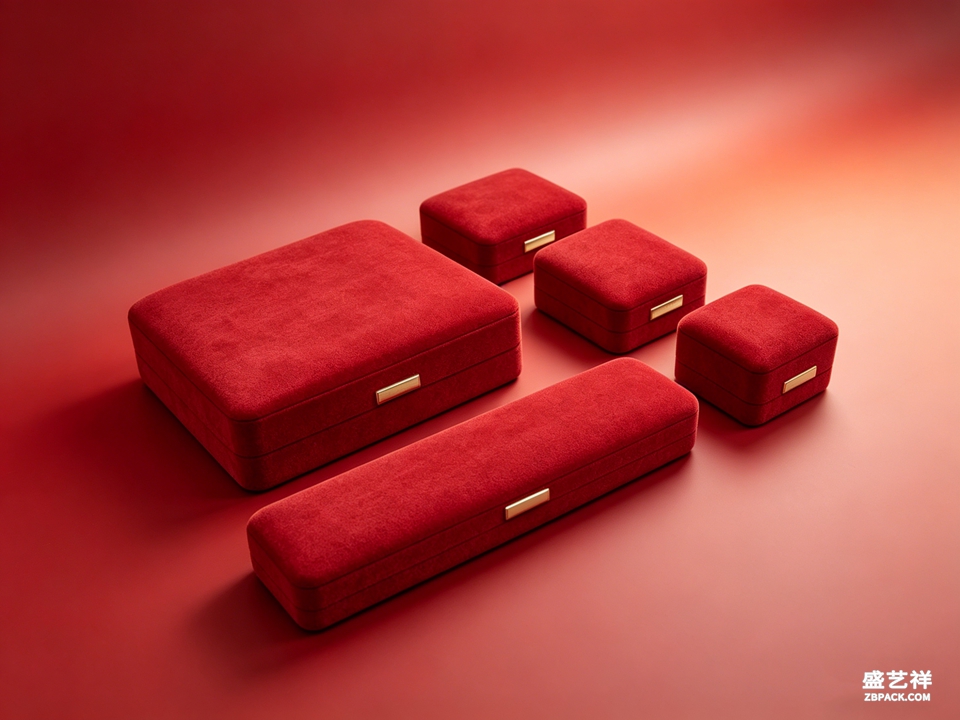
珠宝包装设计同样面临升级。粗链条手镯、建筑感胸针等立体作品,对首饰盒的内部结构和防护要求更高。盛艺祥在珠宝包装设计领域持续探索,通过定制化内衬结构和高质感材质搭配,让包装本身成为珠宝美学表达的延伸。从珠宝摆台到首饰盒设计,每一个环节都在回应"珠宝即雕塑"的时代命题。
五、可持续与个性化的双重驱动
雕塑感珠宝的流行并非昙花一现。消费者对个性化表达的持续需求,推动设计师不断探索新材料和新工艺。3D打印技术让复杂雕塑结构的制作成本大幅降低,再生金属的运用则呼应了可持续消费的价值取向。从高级珠宝到轻奢配饰,雕塑美学正在以更亲民的价格和更多元的表达,渗透到日常穿搭的每个角落。
这场审美转向的本质,是珠宝从"保值资产"向"自我表达媒介"的身份蜕变。当一件雕塑感手镯比一套职业套装更先定义你的风格,珠宝便真正成为了可佩戴的艺术宣言。
本文由盛艺祥原创发布,21年专注于珠宝盒、手表陈列、首饰陈列道具、珠宝包装生产及设计领域。
The Jewelry World Is Undergoing a Profound Aesthetic Transformation in 2026
From Paris Haute Couture Week to Milan Fashion Week, from runway to street style, "sculptural" has emerged as the most defining keyword. Bold chains, three-dimensional textures, and architectural silhouettes are elevating jewelry from supporting accessory to style protagonist, fundamentally rewriting the rules of personal adornment.
1. The Triumphant Return of Maximalism
The era of understated minimalism has finally reached its turning point. At the Autumn/Winter 2026 fashion weeks, Chanel, Chloe, and Fendi unanimously placed jewelry at the visual center of their collections, declaring the full return of the "more is more" maximalist philosophy. Delicate chains have yielded to wide textured metal bangles, distressed twisted earrings, and two-tone chunky Cuban-link necklaces. These pieces no longer serve as mere accents but define the overall styling direction through sculptural volume and structural presence.
Industry data confirms this trend. According to Grand View Research, the global jewelry market is projected to reach $59 billion in 2026, with a compound annual growth rate of 7.8%. Statement pieces with visual impact represent the fastest-growing category, as consumers increasingly invest in design and emotional expression.
2. Craftsmanship in Architectural Expression
The essence of sculptural jewelry lies not in volume accumulation but in the unity of formal tension and craft precision. Designers draw inspiration from natural curves, asymmetrical structures, and architectural vocabularies, bending, twisting, and layering metal to create visual structures reminiscent of mountain ridges or building columns.
This trend has catalyzed the complete liberation of mixed metals. The gold-and-silver combination has shattered the outdated dictum that gold and silver should never be worn together. Two-tone chains and gender-neutral designs have become bestsellers. Silver, as the premium neutral tone of 2026, has significantly lowered the barrier to bold jewelry, allowing more consumers to experience the expressive power of sculptural aesthetics.
3. A Practical Guide to Everyday Wear
Adapting sculptural jewelry for daily wear requires balancing impact with appropriateness. In formal business settings, wide gold bangles, geometric statement rings, and cascading metal earrings project competence and authority. For evening occasions, architectural necklaces or bold hoop earrings can hold their own under dramatic lighting and formal attire.
Layering logic is equally essential. Combining different widths, metals, and tones creates rich visual depth. The gradual transition from a single bold chain to multi-layered stacking allows the wearer to maintain professional polish during the day while releasing personal expression in social settings.
4. The Co-evolution of Display and Packaging Design
The rise of sculptural jewelry has introduced new collaborative demands on jewelry display props and packaging design. Pieces with strong three-dimensional structures require display solutions that fully showcase their form and light interaction, rather than simple flat presentation. Shengyixiang understands this deeply, integrating sculptural aesthetics into jewelry display prop design so that each piece achieves its optimal angle and lighting dimension in the showcase.
Jewelry packaging design faces parallel upgrades. Bold chain bangles and architectural brooches demand higher standards for interior structure and protection in jewelry boxes. Shengyixiang continues to explore jewelry packaging design, using customized interior structures and premium material pairings to make the packaging itself an extension of the jewelry's aesthetic expression. From jewelry display stands to jewelry box design, every element responds to the era's proposition that jewelry is sculpture.
5. Sustainability and Personalization as Twin Drivers
The popularity of sculptural jewelry is no fleeting trend. Consumers' sustained demand for personal expression drives designers to continuously explore new materials and techniques. 3D printing technology has dramatically reduced the cost of producing complex sculptural structures, while recycled metals respond to the growing emphasis on sustainable consumption. From high jewelry to accessible luxury, sculptural aesthetics are penetrating every corner of daily styling at more approachable prices and through more diverse expressions.
The essence of this aesthetic shift is jewelry's identity transformation from store of value to medium of self-expression. When a sculptural bangle defines your style before your outfit does, jewelry truly becomes a wearable artistic declaration.
This article is originally published by Shengyixiang, with 21 years of dedication to jewelry boxes, watch displays, jewelry display props, and jewelry packaging production and design.