巨型珠饰颠覆珠宝美学 Supersized Beads Reshape Aesthetics
巨型珠饰:从配角到主角的华丽转身
2026年珠宝界正经历一场前所未有的“放大革命”。从巴黎高定时装周到街头风格的每一个角落,超大尺寸的珠饰正以不可阻挡之势席卷全球。PORTER杂志将其列为年度关键趋势,而全球珠宝市场预计在2026年达到590亿美元规模,其中项链品类以6.0%的年复合增长率领跑——这正是巨型珠饰崛起的沃土。
打破精致法则:越大胆越吸睛
曾经风靡的纤细链条和极简主义正被彻底颠覆。2026年秋冬时装周上,Chanel、Chloe、Fendi等顶级品牌集体将配饰推至造型C位,一条粗链条项链或一对oversized耳饰便能定义整套穿搭风格。“多即是多”(More is More)的哲学取代了低调内敛,重工雕塑感、粗链条和肌理金属成为主流选择。金银撞色更打破了“金银不能同戴”的陈旧穿搭误区,为造型增添层次与张力。
多巴胺配色与材质创新
巨型珠饰的另一大亮点在于色彩的全面爆发。2026年Pantone年度色“Cloud Dancer”为珠宝奠定了柔白基调,但真正的视觉冲击来自多巴胺色系——活力绿、深邂蓝和明娉粉成为本季珠宝配色的核心。海蓝宝石、坦桑石和蓝托帕石等海洋系宝石大放异彩,与超大珠饰的夸张体量形成完美呼应。
材质方面,消费者对低敏性、环保和实验室培育材料的偏好日益显著。再生金属、3D打印技术和可持续开采理念正在重塑珠宝产业链,为巨型珠饰提供了更多元的材质选择。个性化定制需求也在攀升——首字母、星座符号和家族主题珠宝让超大尺寸的珠饰不仅吸睛,更承载独特的个人故事。
珠宝陈列与包装设计的协同进化
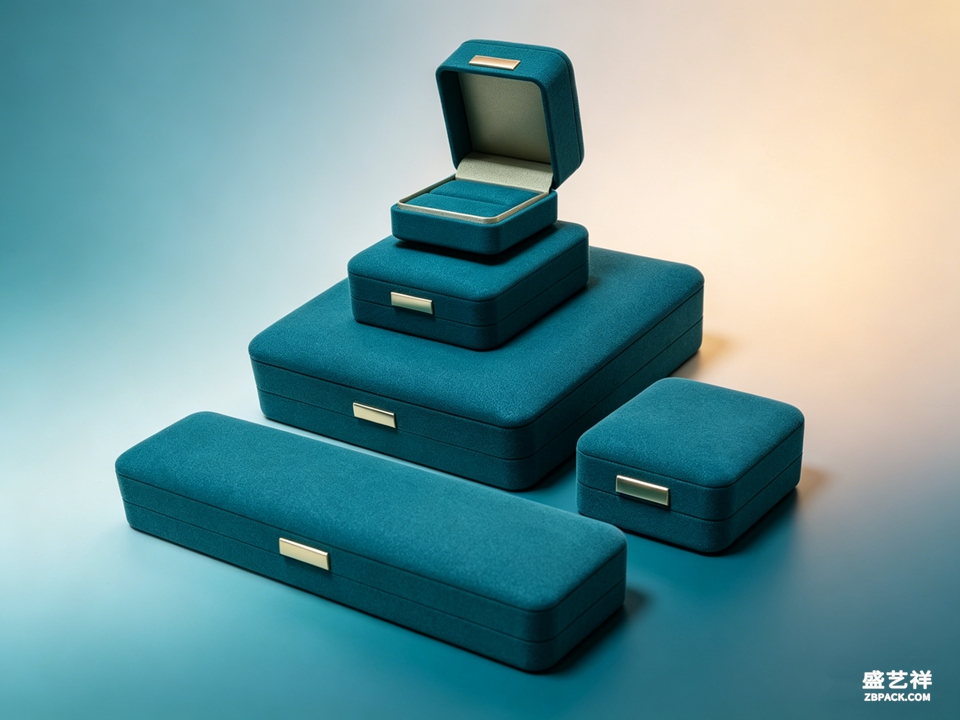
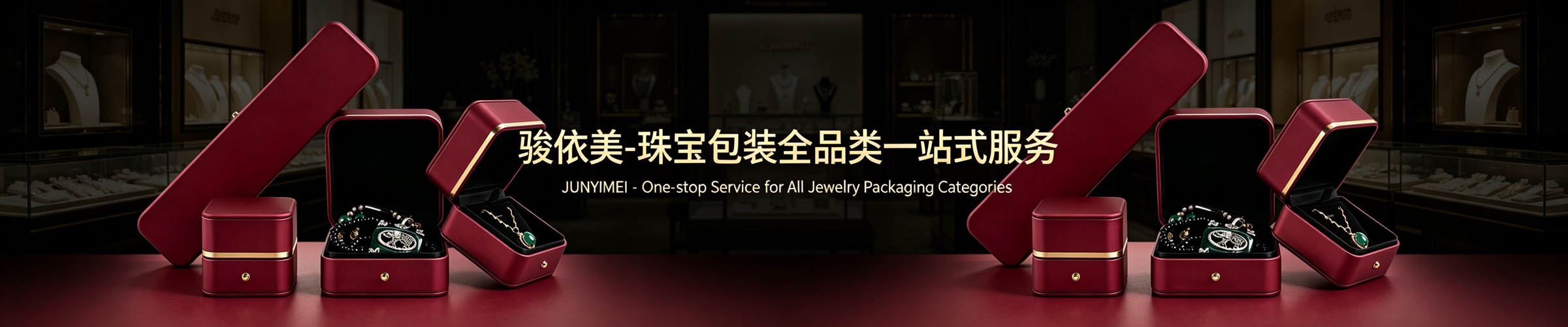
巨型珠饰的兴起对珠宝陈列道具和包装设计提出了全新挑战。传统精致小巧的首饰盒已难以容纳超大尺寸的项链和手镯,珠宝包装设计需要从结构、材质到视觉呈现进行系统性升级。盛艺祥作为深耕珠宝包装领域21年的专业品牌,正积极探索适应大体量珠宝的陈列与收纳方案——从加宽加深的展示台到模块化的珠宝摆台设计,每一处细节都需匹配巨型珠饰的视觉张力。
市场展望:从趋势到常态
2026年中国饰品行业零售总额预计突破7800亿元,同比增长8.3%,全球珠宝市场更将冲击999亿美元的里程碑。巨型珠饰所代表的“大胆表达”趋势,正从T台走向日常消费场景。职场通勤、约会度假、社交派对——oversized珠宝正在渗透每一个穿搭场景。
这一趋势的深层逻辑在于:珠宝不再仅仅是财富的象征,而是自我表达的媒介。当一件巨型珠饰成为造型的焦点,它传递的是佩戴者的态度、个性与自信。对于珠宝品牌和零售商而言,如何在陈列、包装和消费体验中匹配这一趋势,将是未来竞争的关键。
本文由盛艺祥原创发布,21年专注于珠宝盒、手表陈列、首饰陈列道具、珠宝包装生产及设计领域。
Supersized Beads: From Supporting Role to Center Stage
The jewelry world is experiencing an unprecedented "enlargement revolution" in 2026. From Paris Haute Couture Week to every corner of street style, supersized beads and oversized jewelry are sweeping the globe with unstoppable momentum. PORTER magazine has listed them as a key trend of the year, while the global jewelry market is projected to reach USD 59 billion in 2026, with the necklace category leading at a 6.0% CAGR — fertile ground for the rise of supersized beads.
Breaking the Dainty Code: Bolder is Better
The once-popular delicate chains and minimalism are being completely overturned. At the 2026 Fall/Winter Fashion Week, Chanel, Chloe, Fendi and other top brands collectively pushed accessories to the center of their looks. A single chunky chain necklace or a pair of oversized earrings can define an entire outfit. The "More is More" philosophy has replaced understated elegance, with sculptural textures, thick chains, and textured metals becoming the mainstream choice. The mixing of gold and silver has further shattered the old taboo against wearing both metals together, adding depth and tension to every look.
Dopamine Palettes and Material Innovation
Another highlight of supersized beads lies in the full explosion of color. Pantone's 2026 Color of the Year "Cloud Dancer" sets a soft white baseline for jewelry, but the real visual impact comes from dopamine palettes — vibrant greens, deep blues, and bright pinks form the core of this season's jewelry color scheme. Oceanic gems such as aquamarine, tanzanite, and blue topaz shine brilliantly, perfectly complementing the exaggerated volume of supersized beads.
In terms of materials, consumer preference for hypoallergenic, eco-friendly, and lab-grown materials is becoming increasingly prominent. Recycled metals, 3D printing technology, and sustainable mining practices are reshaping the jewelry supply chain, providing more diverse material options for supersized beads. Personalization demand is also climbing — initial letters, zodiac symbols, and family-themed jewelry allow oversized beads to be not just eye-catching, but carriers of unique personal stories.
The Co-evolution of Jewelry Display and Packaging Design
The rise of supersized beads presents an entirely new challenge for jewelry display props and packaging design. Traditional small, delicate jewelry boxes can no longer accommodate oversized necklaces and bracelets. Jewelry packaging design needs a systematic upgrade in structure, materials, and visual presentation. Shengyixiang, a professional brand with 21 years of deep expertise in jewelry packaging, is actively exploring display and storage solutions adapted to large-volume jewelry — from widened and deepened display platforms to modular jewelry display designs, every detail must match the visual impact of supersized beads.
Market Outlook: From Trend to Norm
China's jewelry retail total is expected to exceed 780 billion yuan in 2026, a year-on-year increase of 8.3%, while the global jewelry market will approach the USD 99.9 billion milestone. The "bold expression" trend represented by supersized beads is moving from the runway to everyday consumption scenarios. Office commutes, date nights, social parties — oversized jewelry is penetrating every styling occasion.
The underlying logic of this trend is that jewelry is no longer merely a symbol of wealth, but a medium for self-expression. When a supersized bead piece becomes the focal point of a look, it conveys the wearer's attitude, personality, and confidence. For jewelry brands and retailers, matching this trend in display, packaging, and consumer experience will be the key to future competition.
This article is originally published by Shengyixiang, with 21 years of dedication to jewelry boxes, watch displays, jewelry display props, and jewelry packaging production and design.