克拉自由改写钻饰 How Lab-Grown Diamonds Are Redefining Luxury's New Rules
当一颗两克拉的钻石不再是婚礼上的奢侈悬念,而是年轻人「给自己买」的日常奖励,「克拉自由」四个字,正在悄悄重写整个钻石行业的消费语法。
2026 年,培育钻石越过了那道被等待多年的临界点。The Knot 的 Real Weddings 研究显示,美国订婚戒指主石中培育钻石占比已升至约六成;LearningJewelry 的年度报告更直言,培育钻石以 52% 的份额首次反超天然钻石,成为新人的主流选择。价格是最直接的推手:五年间培育钻石批发价下挫约七成,2026 年 5 月一颗一克拉高品质培育钻的均价仅约 564 美元,而同级天然钻仍在 4200 美元上下——同样预算,年轻人能把主石从一克拉拉到两至三克拉。
这条曲线在中国更陡。戴瑞珠宝的 2026 市场分析指出,国内 95 后新人已有 43% 选择培育钻,全球婚庆市场占比突破四成;中国掌握全球约 63% 的产能(河南集群为核心),一克拉高品质裸石约 3500 元,仅为天然钻的四到五分之一。更值得注意的是消费心智的迁移:过去钻石绑定「婚嫁符号」,如今悦己、纪念日、自我奖励与轻奢叠戴成为主场景。施华洛世奇 CEO 在八月直言,美国钻戒中培育钻占比已超 60%,且越来越多女性走进门店「为自己买」。
行业的估值锚正在从「亿年地质稀缺」转向「人类精密合成工艺」。当稀缺不再唯一,消费者追问的不是「它真不真」,而是「我的预算能换多大、多好的石头,以及怎样的佩戴体验」。CVD 工艺还能稳定产出粉钻、蓝钻、绿钻等稀有彩钻,把小众审美定制变成常态。一个被忽视的信号是价格筑底:2026 年 6 月,河南头部厂商统一上调全品类毛坯出厂价 5%–12%,长达两年的以价换量告一段落,盈利修复拐点确立。
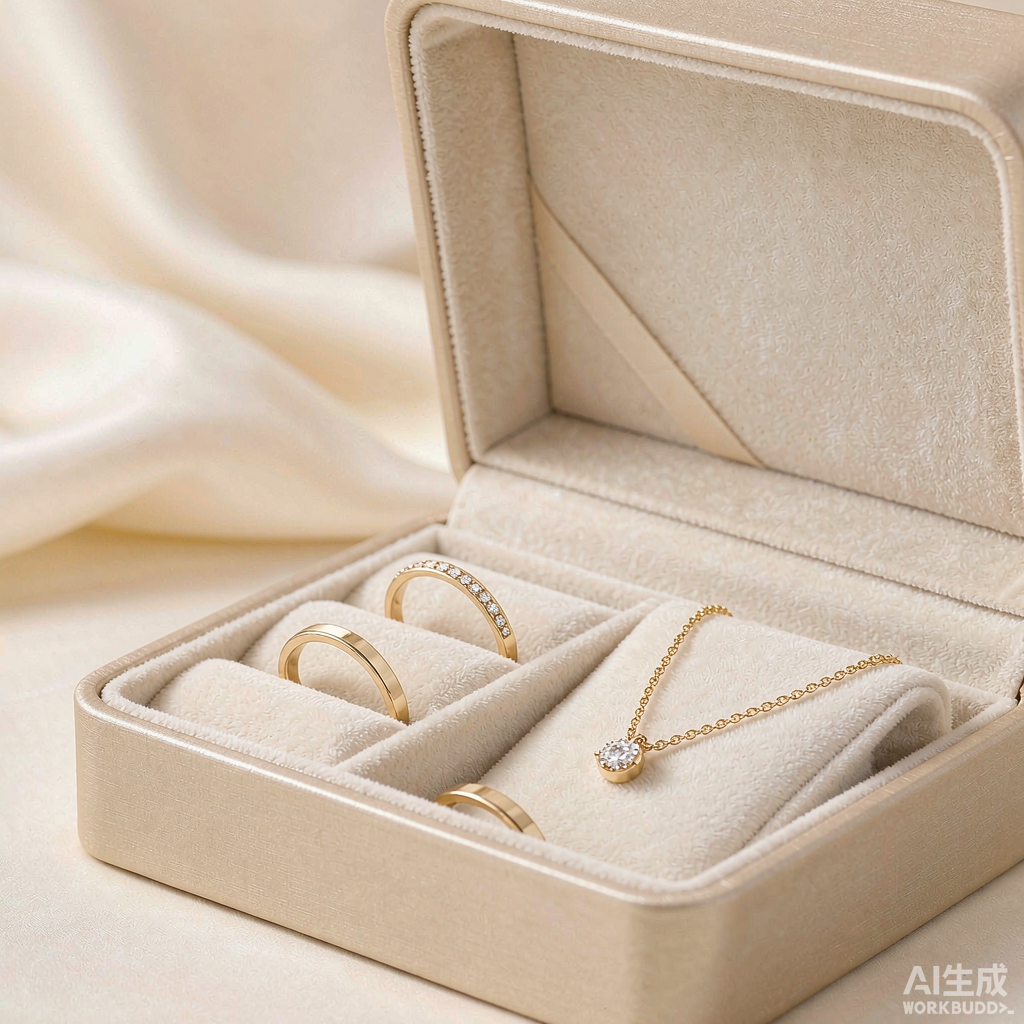
对品牌而言,培育钻降低了高端珠宝的入场门槛,也让「设计」第一次压过「石头本身」成为购买理由。当产品趋于同质,开盒的质感、首饰盒的触感、珠宝陈列道具讲述的故事,就成了品牌被记住的方式。越来越多 DTC 品牌把预算从「克拉」挪到「体验」,用一只体面的首饰盒与一枚可复用的首饰袋,把一次购买变成长期曝光——这正是珠宝盒定制与饰品包装盒最能发力的地方。
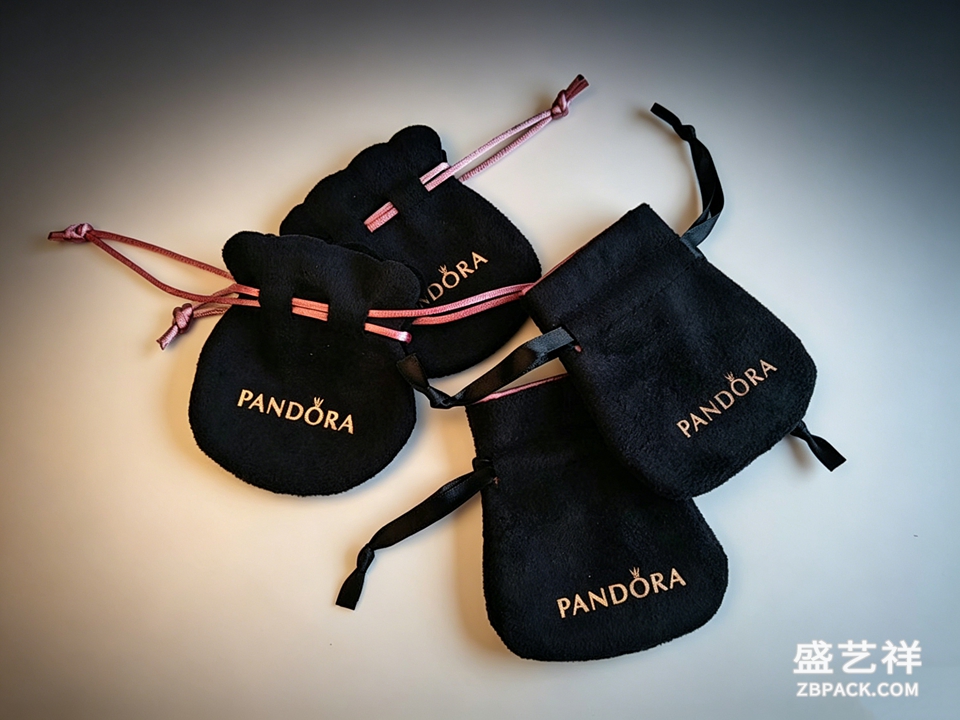
天然钻并未退场,而是退守「高端稀缺与传承」的高地——大克拉、高净度天然石依旧坚挺;培育钻则主攻轻奢、日常与婚戒替代。两种逻辑并存,意味着品牌的包装策略也要分层:传承级天然钻需要证书位齐备、沉稳压手的珠宝盒定制;日常悦己的培育钻则更适合轻盈、可复用、带品牌识别的首饰袋与饰品包装盒。用同一套视觉语言贯穿两端,正是珠宝包装设计该解决的课题。
分级之下,供应链也在变轻。小批量、柔性化的珠宝盒工厂让新品牌不必压货也能拥有专属包装,几只首发款配一套统一视觉的盒与袋,便能在社媒上形成连续曝光。当钻石变得「人人可得」,谁把呈现做到位,谁就留住了下一次相遇。
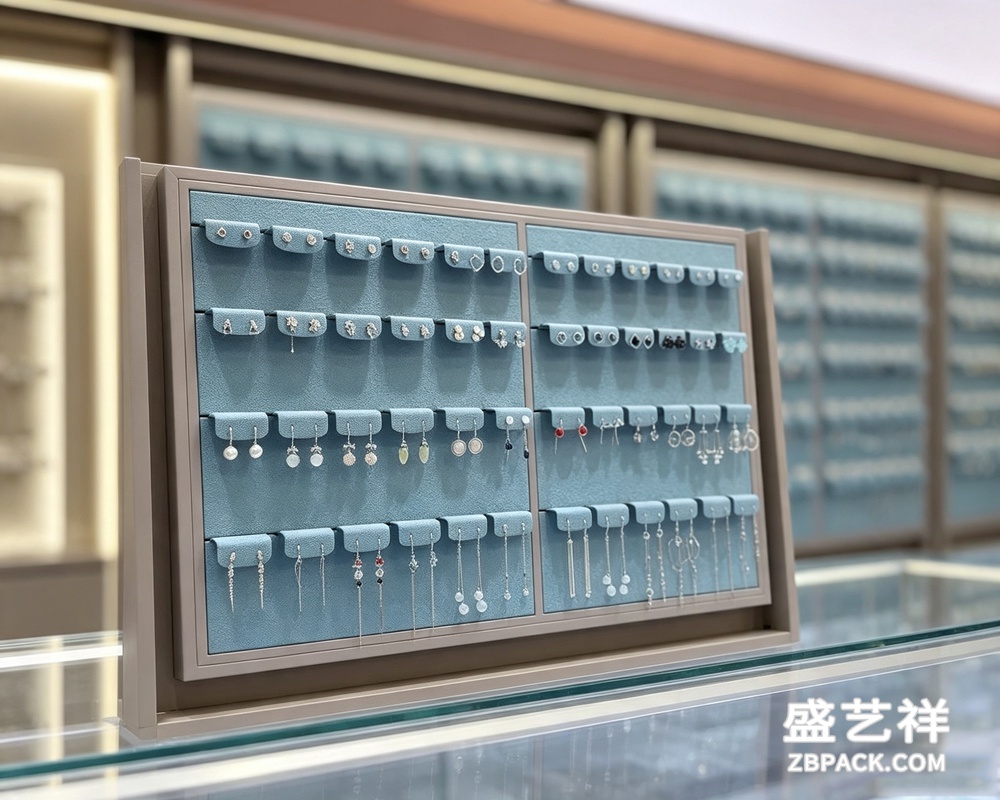
克拉更大、佩戴更日常,反而对呈现提出了更细腻的要求。大克拉主石的日常通勤与叠戴,需要更稳妥的独立卡位与抗静电内衬,避免磕碰刮花;悦己消费强调「自我奖赏」的仪式感,品牌需要用更高级的珠宝包装设计来承接这份情绪——一枚为自己买的钻,值得一只体面的首饰盒。当培育钻把钻石从「传家资产」拉回「日常配饰」,线下体验店与集合店成了新的叙事场,珠宝陈列道具与珠宝摆台要会讲「工艺与美学」的故事,而非只标「珍稀」。这也正是盛艺祥(Shengyixiang)作为高端珠宝包装设计与定制专家持续打磨的方向:让每一件被重新定义的钻饰,都有与之匹配的呈现。
克拉自由不是钻石的贬值,而是钻石民主化的开始。当更多人能轻松拥有一颗闪亮的石头,真正稀缺的反而是「被好好呈现」的能力——而这,恰恰是包装与陈列这门手艺长青的理由。
本文为原创内容,版权归盛艺祥所有。如需转载请注明出处。
盛艺祥(Shengyixiang)——高端珠宝包装设计与定制专家,为品牌护航。
When a two-carat diamond stops being a wedding-day suspense and becomes a self-gifted everyday reward, "carat freedom" begins quietly rewriting the grammar of the entire diamond industry.
In 2026, lab-grown diamonds crossed the tipping point the market had long awaited. According to The Knot's Real Weddings Study, lab-grown now accounts for roughly 60% of U.S. engagement-ring center stones; LearningJewelry's annual index goes further, putting lab-grown at 52%—the first time it has overtaken natural diamonds as the default choice for couples. Price did the heavy lifting: wholesale lab-grown prices fell about 74% between 2020 and 2025, and by May 2026 a one-carat high-quality stone averaged just $564, against roughly $4,200 for a comparable natural. Same budget, and younger buyers can leap from one carat to two or three.
The curve is steeper in China. DARRY's 2026 analysis notes that 43% of post-95 couples now choose lab-grown, with the category taking over 40% of the global bridal market; China controls about 63% of worldwide capacity (Henan cluster at its core), and a one-carat high-grade loose stone runs around ¥3,500—a quarter to a fifth of natural. The bigger shift is in mindset: diamonds once signaled "marriage"; today self-purchase, anniversaries, and everyday stacking dominate. Swarovski's CEO said in August that lab-grown already exceeds 60% of U.S. engagement diamonds, and more women are walking in "to buy it for myself."
The industry's anchor is moving from "billions of years of geological scarcity" to "precision human craft." When rarity is no longer the only story, buyers ask not "is it real?" but "how big and how good can my budget buy, and what will wearing it feel like?" CVD processes also reliably yield rare fancy colors—pink, blue, green—turning niche aesthetic customization into the norm. A telling signal: prices have bottomed. In June 2026, leading Henan producers lifted rough prices 5%–12% across the board, ending two years of price war and marking an earnings-recovery inflection.
For brands, lab-grown lowers the barrier to entry in fine jewelry and lets "design" finally outweigh "the stone itself" as the reason to buy. When products converge, the feel of the unboxing, the texture of the jewelry case, and the story told by display props become what makes a brand memorable. More DTC labels are shifting budget from carats to experience—a proper jewelry case and a reusable pouch turn a single purchase into lasting exposure. This is exactly where custom jewelry boxes and accessory boxes earn their keep.
The numbers frame the scale. The global lab-grown diamond market reached about $33.5 billion in 2026 and is projected to climb past $90 billion by 2034; China's market is estimated near ¥158.5 billion with penetration at 32%. This is no fringe experiment—it is the new center of gravity for entry luxury. Sustainability moved from slogan to specification: over 60% of top-tier manufacturers have shifted to 100% renewable energy, and CVD's lower footprint resonates with a generation that treats ESG as a purchase criterion. For brands, that story deserves to be told at the unboxing, not buried in a footnote.
Natural diamonds haven't vanished; they've retreated to the "high-end scarcity and heritage" high ground, where large, flawless stones stay firm. Lab-grown leads in lightweight luxury, daily wear, and engagement-ring substitution. Two logics coexist, so a brand's packaging strategy must also stratify: heritage-grade naturals need certificate-ready, reassuringly weighty custom jewelry boxes; everyday lab-grown favors light, reusable, brand-recognition pouches and accessory boxes. One visual language across both is exactly the problem fine jewelry packaging design should solve.
Tiering also lightens the supply chain. Small-batch, flexible box factories let newcomers own a signature package without overstocking; a few launch SKUs with one coherent box-and-pouch visual can compound into continuous social exposure. When diamonds become "available to all," the brand that nails the presentation keeps the next encounter.
Consumers, for their part, have grown sophisticated. They understand lab-grown's lower resale value and ask for honest framing rather than inflated claims—a maturity that rewards brands investing in genuine craft and transparent presentation. The diamond did not lose its shine; the conversation around it simply grew up. A quieter shift is circularity: as volumes rise, some brands test trade-in and upgrade programs, treating a diamond as a relationship rather than a one-off sale. Here too presentation matters—a well-made jewelry case keeps the piece pristine for its second life, and a branded pouch carries the story forward, so packaging becomes part of the product's longevity.
What lab-grown ultimately unlocks is design freedom. Larger center stones and reliable fancy colors let designers be bolder, and bolder jewelry needs smarter presentation—display plinths that flatter vivid hues, cases that protect delicate settings, and packaging that signals intent without shouting. The stone may be more attainable, but the craft of making it feel precious is harder than ever. That is the work Shengyixiang cares about: ensuring the package is never the weakest link in a piece's journey from workshop to wrist.
Bigger stones worn daily raise the bar for packaging and display. Daily commute and stacking demand secure individual slots and anti-static liners to prevent scratches; the "self-reward" narrative calls for more refined jewelry packaging design to hold the emotion—a diamond bought for oneself deserves a proper jewelry case. As lab-grown pulls diamonds from "family heirloom" back to "daily accessory," experience stores and curated boutiques become the new storytelling stage, where jewelry display props and display plinths must tell a story of craft and aesthetics, not merely "rare." This is precisely where Shengyixiang, as a high-end jewelry packaging design and customization expert, keeps refining: making sure every redefined diamond piece has a presentation to match.
Carat freedom is not the devaluation of diamonds, but the beginning of their democratization. As more people easily own a brilliant stone, what grows truly scarce is the ability to present it well—and that is exactly why the craft of packaging and display endures.
This is original content. Copyright belongs to Shengyixiang.
Shengyixiang — your expert in high-end jewelry packaging design & customization.