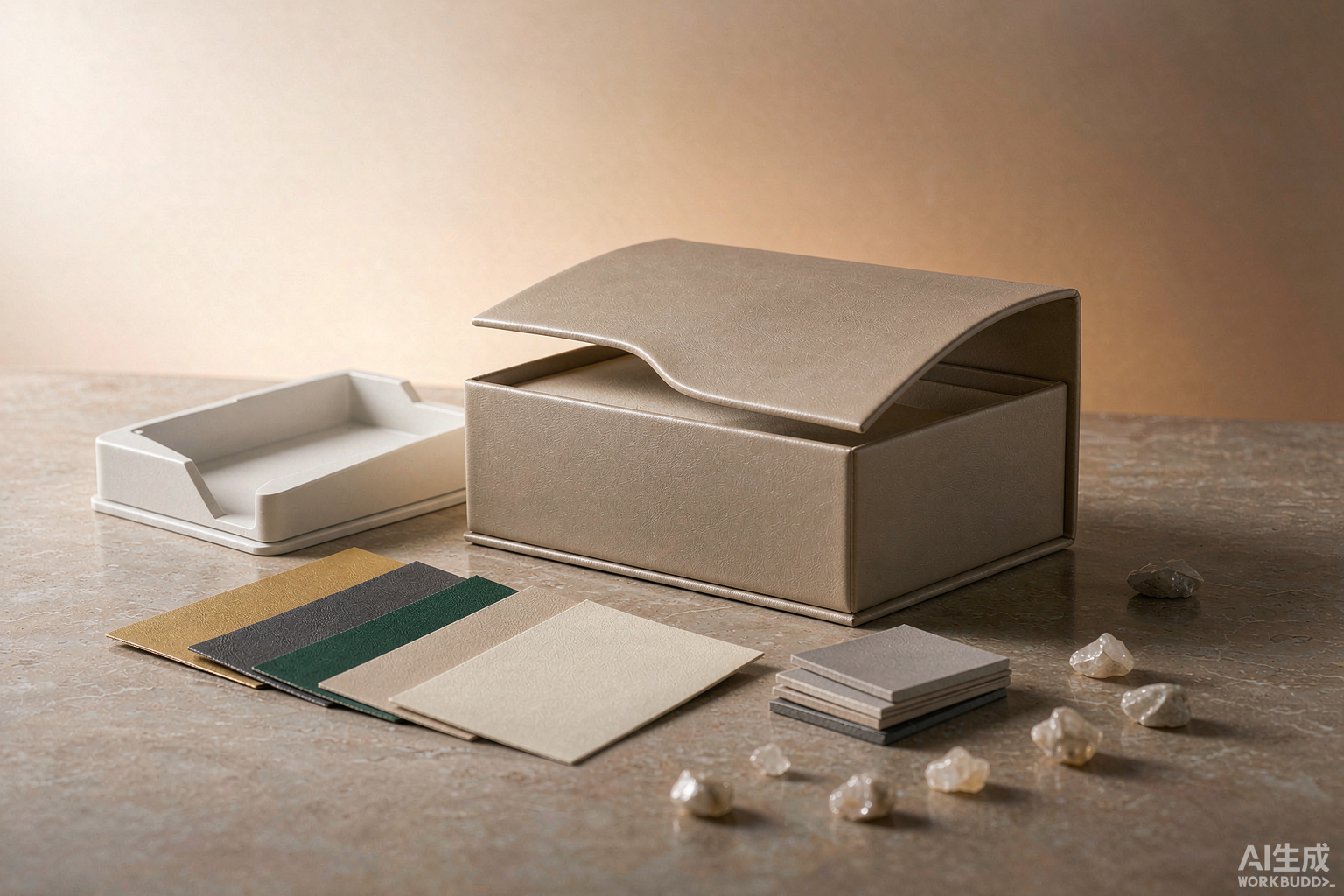
数字打样少走弯路 How Digital Prototyping Speeds Up Jewelry Packaging Development
一款珠宝礼盒从图纸到签样,过去常要来回折腾三四轮。如今屏幕先跑一遍,实物只跑最后一遍——数字化打样正在把珠宝包装的开发节奏,从"周"压到"天"。
问1:珠宝包装打样为什么总在等?
卡点不在做,而在等。《包装世界》2026 年的统计显示,超过 60% 的品牌方把"打样周期过长"列为产品开发阶段的最大痛点;在数字工具普及之前,一款中等复杂度彩盒的平均打样周期是 15 至 20 个工作日,其中超过 40% 的时间消耗在等待与异地往返沟通上,仅一次模具与刀版调整就可能吃掉 3 到 5 天。珠宝盒的麻烦还要多一层:它同时是结构件(卡位、磁吸、抽屉滑配)和面子活(专色、烫金、触感),三方常拿着 2D 平面图讨论立体结构,理解偏差几乎注定发生。结果是品牌方看到实物才提意见,一轮变两轮、两轮变四轮,旺季窗口就这样错过去。盛艺祥在珠宝包装设计流程里把这段"等"拆开看:能在屏幕上判断的,就别拿实物去换时间。
问2:3D 渲染真能替掉第一轮实物样吗?
能替一大半,但要说清替的是哪一半。用 3D 建模加实时渲染,把真实材质贴图(特种纸纹理、覆膜光泽、绒布起绒)套进模型,客户可以 360 度旋转、缩放,甚至模拟开盒动作,比例、结构、图案位置、开合逻辑这些问题被前置到设计阶段。行业估算,仅这一步就能避免至少 60% 的初次实物打样需求,直接省下 5 到 7 个工作日;采用实时 3D 预览的厂商,设计确认阶段的修改轮次平均减少 65%。更大的样本来自快消:联合利华在 2026 世界人工智能大会上展示的"AI for Packaging",用生成式 AI、数字孪生、工程仿真与 3D 数字化打通全流程,把包装设计周期缩短 50%、创意方案产出提升 10 倍,走的正是"先数字验证、再快速落地"。多家数字打样服务商也把整体周期压缩幅度报到了 70%。
问3:高端简约的盒子,是不是也更好打样?
是,而且这是简约被低估的一笔账。高端简约珠宝首饰品包装设计,更容易被顾客青睐——从数字打样的角度看,它还更容易被"提前判定"。简约结构的好坏在屏幕上就能看清:留白比例、盒盖折边、开合节奏、logo 位置,渲染图足以下判断;反过来,堆满纹样、多层压凸、拼贴材质的方案在渲染里最占便宜,到实物最容易翻车——细笔画烫金断线、专色在覆膜后偏深、层次一多就显乱。简约还意味着少一副模、少两道工序、少一轮打样:市场端的数据也站在这边,简约礼盒的偏好度连续三年复合增长超过 25%,500 元以上礼盒的偏好从 38% 升到 67%。把省下来的预算移到公差与手感上——折边 0.2 毫米以内、磁吸吸力区间、哑光触感——比继续加装饰划算得多。
问4:颜色和手感,为什么还得靠实物?
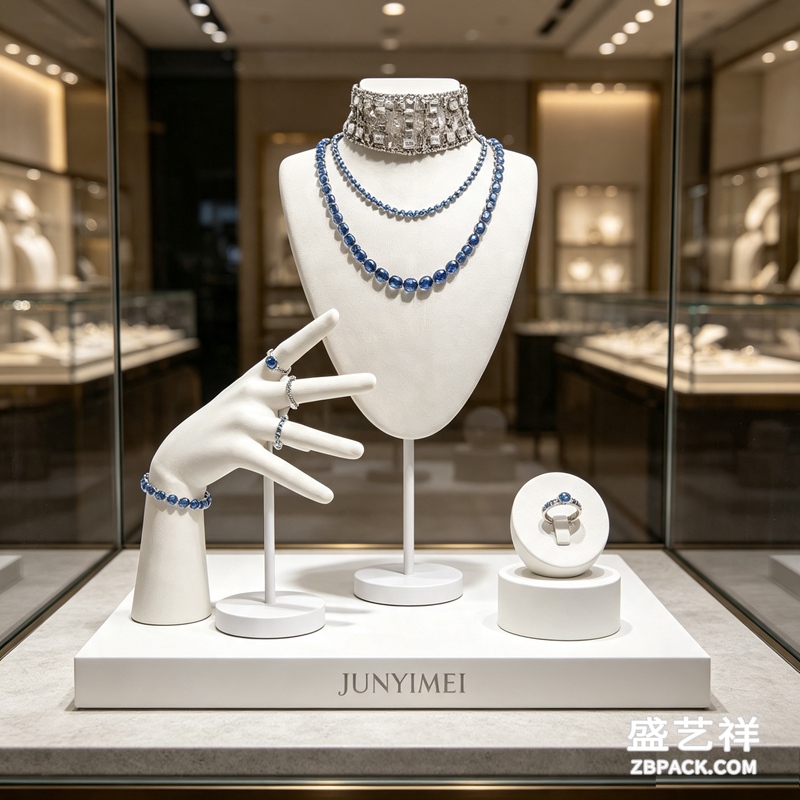
因为屏幕给的是近似值。Pantone 专色是一个定义,不是一份配方,显示器只能给出接近值;同一支油墨印在铜版纸、非涂布纸、覆哑膜或过 UV 上,观感都会变,这也是 Pantone 要分涂布与非涂布两套色卡的原因。做得规范的软打样需要校准显示器、标准 D50 光源和正确的 ICC 特性文件(显示端的门槛写在 ISO 12646 里),条件不齐,客户在咖啡馆手机上点头的那版,跟工厂看到的根本不是一回事。行业常用的色差口径也说明了边界:分光光度计测量可做到 ΔE00 小于 1 到 2,ICC 软打样约 1 到 3,纯目视判断 2 到 5。所以合理分工是:数字样定结构、版式与位置,实物样定颜色、工艺与手感——烫金、击凸、异形模切、局部 UV 这几项,必须留一轮实际基材上的打样与签字。有彩盒厂的案例就是靠定制专色加特定上光配比,把 ΔE00 稳定压到 1.3 才敢开机。
问5:3D 打印白模在珠宝盒上怎么用才值?
把它当结构评审工具,而不是外观样。SLA、DLP 光固化树脂的最小层厚可达 0.025 毫米,中小件数小时就能打完,能精准还原细小卡扣、精细纹路和孔位;快速成型件常见精度在正负 0.1 毫米,制作周期 1 到 7 天,成本仅为模具费的十分之一到百分之一,小件 3D 打印单价大致在一百到五百元区间,CNC 中型件在五百到三千元。对珠宝盒来说,最值得先打的是内衬:戒指槽的夹持力、项链卡位的防缠、抽屉的滑配间隙、磁吸位置与吸力手感,这些拿白模一试就知道,不必等彩盒。局限也要认:树脂件与量产材料在强度、各向异性和长期耐久上有差异,层纹通常仍需打磨喷漆,所以它不能当颜色与质感的标准。在珠宝盒工厂端做珠宝盒定制,白模的正确位置是"结构签样"这一关。
问6:陈列道具能不能也先在虚拟里验一遍?
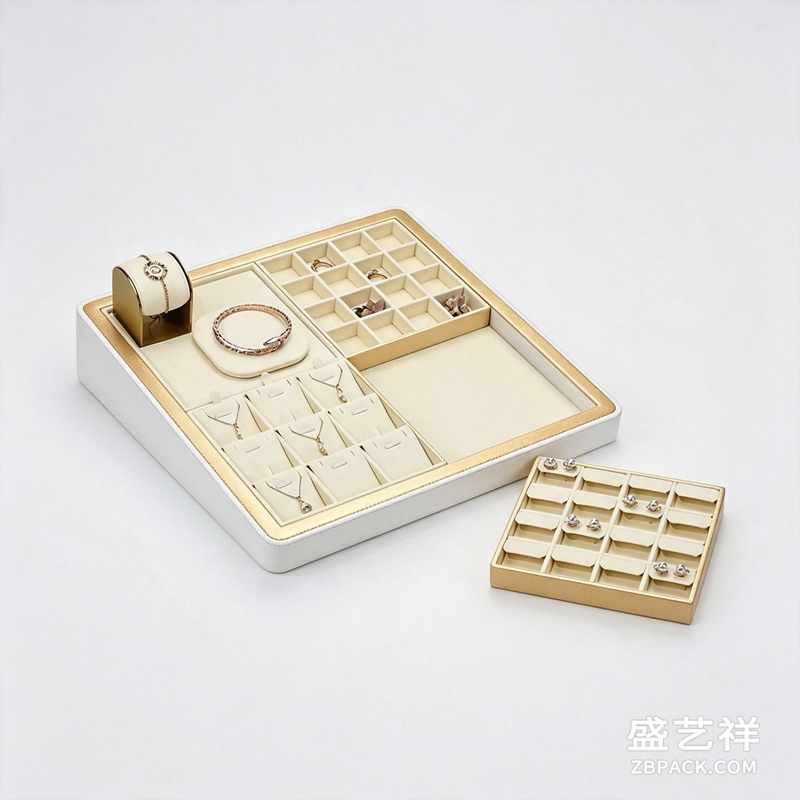
可以,而且这件事的学术与商业验证都不算新。哈佛商业评论 1996 年就登过虚拟购物研究,虚拟店与真实店的销量相关系数在 0.90 到 0.94 之间;2015 年一项虚拟超市验证研究发现,虚拟与真实的支出结构相当接近(生鲜果蔬 14.3% 对 17.4%、肉与鱼 16.5% 对 16.8%);对照实验还显示,沉浸式 VR 比 2D 图片更接近实体店里的真实取货行为。埃森哲与高通、家乐氏合作的 VR 加眼动测试,结论与传统方法高度一致,测试期该品牌整体销售提升 18%;如今的商业虚拟货架服务,几百到上千名目标购物者、一周内出结果,宣称与实店试点的一致性可达 96%,用于优化执行常见带来 5% 到 8% 的提升。落到珠宝:先在 3D 场景里排珠宝陈列道具的密度、珠宝摆台的高度差、主推位是否落在坐姿视线带,再做实物道具。一张排期账很好算——把轮次数、上市提前天数、改模返修率三项写进项目表,数字打样省下的通常不是打样费,而是错过的窗口期。
本文为原创内容,版权归盛艺祥所有。如需转载请注明出处。
盛艺祥(Shengyixiang)——高端珠宝包装设计与定制专家,为品牌护航。
A jewelry gift box used to take three or four physical rounds to sign off. Today the screen runs first and the physical sample runs last — digital prototyping is compressing jewelry packaging development from weeks into days.
Q1: Why does jewelry packaging prototyping always involve waiting?
The bottleneck is not making, it is waiting. A 2026 packaging industry survey found more than 60% of brands rank "prototyping takes too long" as the biggest pain point in product development. Before digital tools became common, a medium-complexity printed box took 15 to 20 working days to prototype, and over 40% of that time was consumed by waiting and long-distance back-and-forth; a single die and tooling adjustment could eat 3 to 5 days. Jewelry boxes carry an extra layer of difficulty: a box is simultaneously an engineered part (ring slots, magnets, drawer clearance) and a finish job (spot colors, foil, texture). When brand, designer, and factory discuss a three-dimensional structure using two-dimensional drawings, misreading is close to inevitable. Feedback then arrives only after the physical sample lands, one round becomes two, two becomes four, and the peak-season window quietly closes. Shengyixiang treats that waiting as the real target: anything judgeable on a screen should not be paid for in shipping days.
Q2: Can 3D rendering really replace the first physical sample?
It can replace most of it, provided you are clear about which half. With 3D modelling and real-time rendering — real material maps for specialty paper grain, lamination gloss, flocked lining — a client can rotate, zoom, and even simulate the opening motion, so proportion, structure, artwork placement, and closing logic are settled during design. Industry estimates put the saving from this single step at avoiding at least 60% of first-round physical samples and 5 to 7 working days; manufacturers using real-time 3D preview report an average 65% reduction in revision rounds at the design sign-off stage. The largest sample comes from FMCG: Unilever's "AI for Packaging", shown at the 2026 World AI Conference, combines generative AI, digital twins, engineering simulation, and 3D digitalisation to cut packaging design cycles by 50% while producing ten times more concepts, following a simple order — validate digitally, then execute physically. Several prototyping providers now claim total cycle compression of up to 70%.
Q3: Are minimalist boxes also easier to prototype?
Yes, and this is minimalism's most underrated advantage. High-end minimalist jewelry packaging designs are more favored by customers — and from a prototyping angle they are also easier to judge early. Whether a restrained structure works is visible on screen: white-space ratio, lid edge, opening rhythm, logo position. Renderings are enough to decide. The opposite is true for schemes piled with pattern, multi-level embossing, and mixed materials: they flatter a rendering and fail in reality, where fine foil strokes break up, spot colors deepen under matte lamination, and layered detail simply reads busy. Minimalism also means one less mould, two fewer processes, one fewer sampling round. The market agrees: preference for minimalist gift boxes has compounded above 25% for three straight years, and preference for boxes above 500 yuan rose from 38% to 67%. Moving that budget into tolerance and touch — folded edges within 0.2 mm, a defined magnetic pull range, a true matte hand — pays better than more decoration.
Q4: Why do color and texture still require a physical proof?
Because a screen only offers an approximation. A Pantone spot color is a definition, not a recipe, and a monitor can only ever show an approximation of it. The same ink shifts on coated stock, uncoated stock, matte lamination, or spot UV, which is precisely why Pantone publishes separate coated and uncoated guides. Proper soft proofing requires a calibrated display, a standard D50 light source, and the correct ICC profile — the display requirements are defined in ISO 12646 — and without them, the version a client approves on a phone in a café is not the version the factory sees. Common color-difference ranges mark the boundary: spectrophotometric measurement can reach ΔE00 below 1 to 2, ICC soft proofing lands around 1 to 3, and expert visual matching varies between 2 and 5. So the division of labour is clear: digital samples fix structure, layout, and position; physical samples fix color, finishing, and feel. Foil stamping, embossing, irregular die cuts, and spot UV all deserve one round of proofing on the real substrate. One carton plant only released a press run after a custom spot ink and specific varnish held ΔE00 at 1.3.
Q5: How should 3D-printed white models be used for jewelry boxes?
Treat them as a structural review tool, not an appearance sample. SLA and DLP resin printing reaches a minimum layer thickness of 0.025 mm and finishes small to medium parts in hours, reproducing small clips, fine texture, and hole positions accurately. Rapid prototypes commonly hold tolerances around plus or minus 0.1 mm, take 1 to 7 days, and cost between one tenth and one hundredth of tooling; small printed parts typically run 100 to 500 yuan, while mid-size CNC parts run 500 to 3,000 yuan. For a jewelry box the highest-value first print is the insert: grip force in a ring slot, anti-tangle placement for necklaces, drawer clearance, magnet position and pull. A white model answers all of these without waiting for a printed box. The limits matter too: resin parts differ from production materials in strength, anisotropy, and long-term durability, and layer lines usually still need sanding and painting, so they cannot serve as the standard for color or finish. In custom jewelry box work at the factory level, the white model belongs at the structural sign-off gate.
Q6: Can display props be validated virtually as well?
They can, and the evidence is neither new nor thin. Harvard Business Review published virtual shopping research back in 1996, reporting correlations of 0.90 to 0.94 between virtual and real store sales. A 2015 virtual supermarket validation study found spending structures close to reality — fresh produce 14.3% versus 17.4%, meat and fish 16.5% versus 16.8% — and controlled experiments show immersive VR tracks real in-store picking behaviour more closely than flat 2D images. Accenture, with Qualcomm and Kellogg's, ran VR testing with eye tracking that correlated highly with traditional methods and coincided with an 18% lift in total brand sales during the test. Commercial virtual shelf services now run several hundred to a few thousand targeted shoppers, return results within a week, claim 96% agreement with in-store trials, and typically deliver 5% to 8% uplift when used to optimise execution. Applied to jewelry: arrange the density of jewelry display props, the height differences of jewelry showcases, and whether the hero position sits in the seated sightline inside a 3D scene first, then build the physical props. The business case is simple — track revision rounds, days gained to launch, and mould-rework rate; what digital prototyping really saves is not sample fees but missed windows.
This is original content. Copyright belongs to Shengyixiang.
Shengyixiang — your expert in high-end jewelry packaging design & customization.