莫桑石跻身奢侈圈 How Moissanite Became Fine Jewelry's Smart New Standard
当一颗"不是钻石"的石头,开始被二十多岁的买家当作订婚主石、被独立设计师当作创作主角,我们对"什么是奢侈珠宝"的默认答案,正在悄悄松动。它的名字叫莫桑石(Moissanite)——一种由碳化硅构成的实验室宝石,如今正从"钻石平替"的标签里挣脱,站上高端珠宝的台面。
数据比情绪更有说服力。Persistence Market Research 2026 年初发布的报告显示,全球莫桑石市场当年规模约 686 亿美元,预计到 2033 年将达到 1123 亿美元,复合年增长率 7.3%。北美以约 45% 的份额领跑,亚太地区则以 9% 的增速成为最快增长极。在品类内部,圆形明亮式切割占据约 43% 的主流,而合成(实验室培育)莫桑石已占市场的 98%——换句话说,今天你见到的莫桑石,几乎全部来自实验室。
更值得玩味的是渠道。线上零售以约 9% 的复合增速成为增长最快的销售通路,透明定价、丰富选择与"在家下单"的体验,把莫桑石推成了典型的 DTC(直面消费者)品类。研究机构普遍指出,65%—70% 的年轻消费者在选购奢侈品时主动寻找更可持续的选项,而莫桑石"无矿采、低水耗、零冲突"的出身,恰好回应了这代人的伦理焦虑。它的莫氏硬度高达 9.25,折射率 2.65—2.69,比钻石还高,意味着更强的火彩与闪烁——这是它能"以假乱真"、又被忠实拥趸视为"另一种真"的物理底气。
但莫桑石真正颠覆的,从来不是钻石的工艺,而是"奢侈必须昂贵、且必须来自老牌"的叙事。当美国联邦贸易委员会(FTC)收紧珠宝指南、要求明确标注实验室出身,市场非但没有萎缩,反而被推向更透明的定价与更可信的来源证明。梧州及广西集中了全球超过 70% 的莫桑石原石产能,中国、印度主导合成毛坯,成品需求则集中在欧美婚嫁市场;领军的 Charles & Colvard、Brilliant Earth、MoissaniteCo 等品牌,正把这门生意从"便宜的替代品"做成"讲得通的选择"。甚至连袖扣、领带夹、印章戒指等男士线,也被视为尚未饱和的新增量。
这里出现了一个被很多人忽略的拐点:莫桑石的崛起,本质上是一场"没有柜员、没有橱窗、没有百年招牌"的奢侈实验。它靠设计、伦理与性价比重构价值坐标,也就意味着——在没有线下仪式感托底的前提下,品牌必须靠"开箱那一刻"来说服人。于是,包装从配角变成了主角。
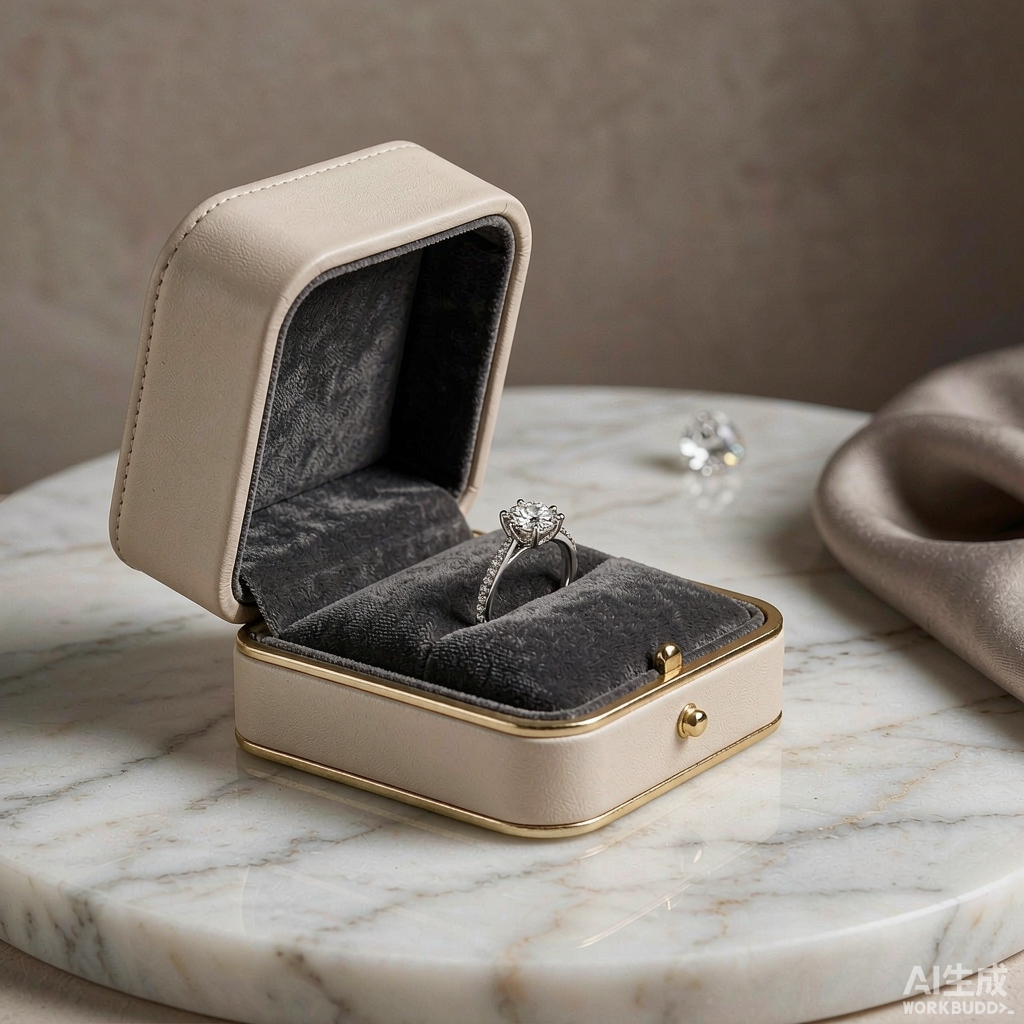
当一个品牌卖的不是钻石而是莫桑石,它的首饰盒、它的陈列、它的开盒手感,就不再是锦上添花,而是把"这也算奢侈"讲圆的关键道具。这也是为什么像盛艺祥这样专注珠宝包装设计与定制的角色变得更重要:用克制的设计语言、可信的触感、稳定的结构,把消费者心里的"平替"翻译成"另一种讲究"。在线上成交的场景里,一只手感扎实、内衬服帖、开合有阻尼的盒子,往往比一句广告语更能证明"你买到的不廉价"。
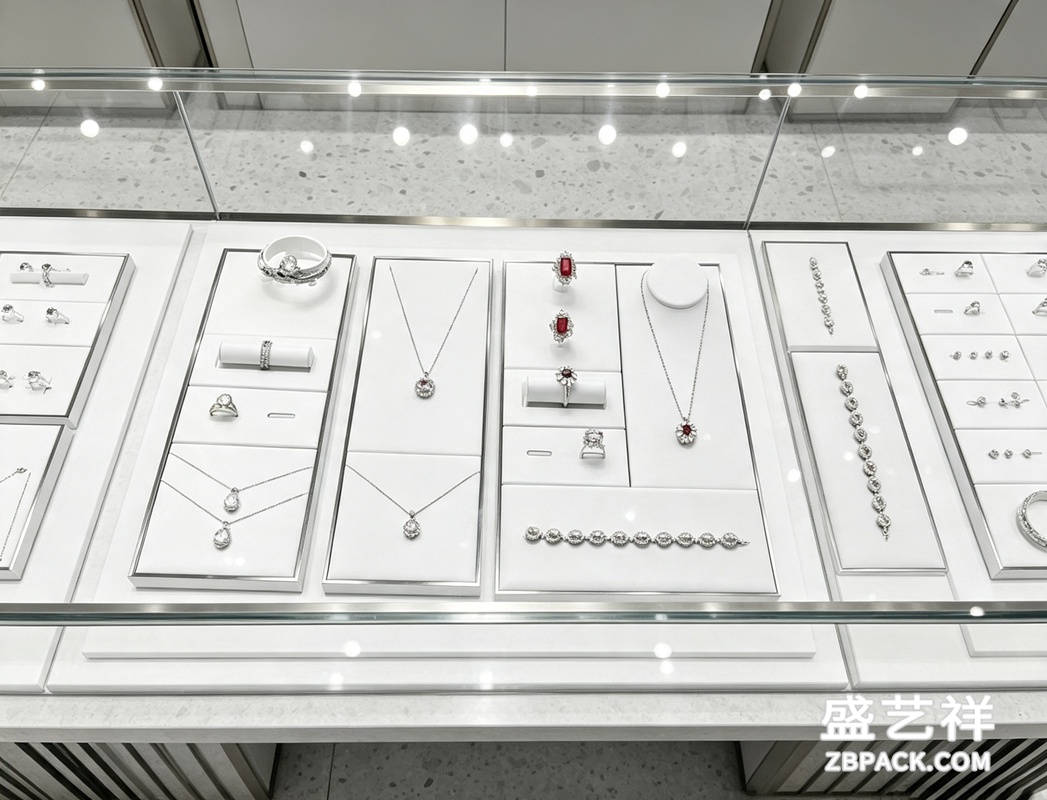
同样的逻辑作用于珠宝陈列道具。当莫桑石以更高的火彩示人,深绒托盘、暖光角度、负空间留白,都会放大它"比钻石更闪"的视觉优势;而糟糕的打光与杂乱的堆叠,则会让这种优势瞬间归零。呈现,正在成为产品力的一部分,而非附属。
当然,莫桑石不是要取代钻石,而是把"拥有一件闪亮、体面、合乎价值观的珠宝"的门槛,降到了更多人力所能及的位置。它的流行提醒整个行业:年轻一代为"意义"付费,比为"标签"付费更坚决。当奢侈的定义从"来自哪里"转向"为何值得",包装与陈列所承载的叙事权重,只会越来越重。
本文为原创内容,版权归盛艺祥所有。如需转载请注明出处。
盛艺祥(Shengyixiang)——高端珠宝包装设计与定制专家,为品牌护航。
When a stone that "isn't a diamond" starts being chosen as the center stone of an engagement ring by twenty-somethings — and embraced as a creative medium by independent designers — our default answer to "what counts as luxury jewelry" begins to quietly shift. The stone is moissanite: a lab-grown gem made of silicon carbide that is stepping out from under the "diamond alternative" label and onto the fine-jewelry stage.
The data is more persuasive than the sentiment. A January 2026 report from Persistence Market Research puts the global moissanite market at roughly US$68.6 billion in 2026, projected to reach US$112.3 billion by 2033, a CAGR of 7.3%. North America leads with about 45% of the share, while Asia-Pacific grows fastest at 9%. Within the category, the round brilliant cut holds about 43%, and synthetic (lab-created) moissanite already accounts for 98% of the market — meaning virtually every moissanite you encounter today comes from a laboratory.
The more interesting shift is in channel. Online retail is the fastest-growing path at roughly 9% CAGR, driven by transparent pricing, wide selection, and the comfort of buying from home. Analysts consistently note that 65%–70% of younger consumers actively seek more sustainable luxury, and moissanite's "no mining, low water use, conflict-free" origin speaks directly to that ethical anxiety. With a Mohs hardness of 9.25 and a refractive index of 2.65–2.69 — higher than diamond — it delivers more fire and sparkle, which is both the physical reason it can pass for diamond and the reason its fans call it "a different kind of real."
But what moissanite truly disrupts is not diamond's craftsmanship; it is the narrative that luxury must be expensive and must come from an old house. When the U.S. Federal Trade Commission tightened its Jewelry Guides to mandate clear disclosure of lab-grown origin, the market did not shrink — it was pushed toward more transparent pricing and more credible provenance. Wuzhou and Guangxi concentrate over 70% of global rough production; China and India dominate synthetic supply while finished demand clusters in Western bridal markets. Brands such as Charles & Colvard, Brilliant Earth, and MoissaniteCo are reframing the business from "cheap substitute" to "a choice that makes sense" — and even men's categories like cufflinks, tie bars, and signet rings are flagged as unsaturated new growth.
Here is the inflection point most people miss: moissanite's rise is essentially a luxury experiment conducted "without a sales associate, without a window display, without a century-old name." It rebuilds the value equation through design, ethics, and price — which means that, without offline ritual to lean on, the brand has to convince you at the moment of unboxing. Packaging stops being a supporting act and becomes the lead.
When a brand sells moissanite rather than diamond, its jewelry box, its display, and the feel of opening it are no longer finishing touches — they are the props that make "this counts as luxury too" believable. This is why players focused on high-end jewelry packaging design and customization, like Shengyixiang, matter more: with restrained design language, credible tactility, and solid construction, they translate a buyer's "alternative" into "a different kind of considered." In an online transaction, a box with real heft, a snug lining, and a damped closure often proves "you didn't buy something cheap" more convincingly than any tagline.
The same logic applies to jewelry display props. Because moissanite shows more fire, a deep-velvet tray, a warm lighting angle, and deliberate negative space amplify its "shinier than diamond" advantage; poor lighting and cluttered stacking erase that edge instantly. Presentation is becoming part of the product, not an accessory to it.
There is a second reason designers love it: freedom. Because a two-carat moissanite costs a fraction of a comparable diamond, makers can spec larger center stones, bolder settings, and more experimental silhouettes without pushing the price beyond reach. That economic headroom is exactly what lets a small studio punch above its weight visually — and why moissanite has become a favorite of the owner-led, design-wise movement that prizes individuality over heritage logos. The stone becomes a canvas rather than a status tax.
It also fits the way jewelry is now bought. Industry trackers note self-purchase — buying for oneself rather than waiting for a gift — now drives a large and growing share of fine-jewelry demand, especially among women marking career milestones and men entering the category for the first time. Moissanite's accessible price turns "treating myself" into a realistic monthly decision rather than a once-a-decade event, which is precisely the cadence that builds lasting brand relationships online.
Trust, finally, is the quiet engine. As disclosure rules tighten and buyers grow fluent in terms like "lab-created" and "single-origin," moissanite's straightforward provenance becomes an asset rather than a caveat. Brands that publish cut grade, certification, and supply-chain detail convert hesitant first-time buyers far more reliably than those leaning on vague "diamond-like" copy. In a category where honesty is part of the pitch, clarity is the cheapest growth lever available.
The geography is shifting too. While North America remains the largest single market, Asia-Pacific is the fastest-growing region at a 9% CAGR, fueled by rising middle-class incomes in China and India and the rapid spread of digital retail. Analysts also flag men's categories — cufflinks, tie bars, signet rings — as unsaturated adjacency where moissanite's price logic opens doors that natural diamonds keep closed. For a category built on "more for the same budget," the whitespace is still large.
To be clear, moissanite is not here to replace diamond — it lowers the threshold for owning something brilliant, dignified, and aligned with one's values. Its popularity reminds the industry that younger buyers pay for meaning more decisively than for labels. As luxury's definition moves from "where it comes from" to "why it's worth it," the storytelling weight carried by packaging and display will only grow.
This is original content. Copyright belongs to Shengyixiang.
Shengyixiang — your expert in high-end jewelry packaging design & customization.