独立设计师珠宝热 How Independent Jewelry Studios Redefined Luxury in 2026
2026 年,珠宝柜台前发生了一件安静却深刻的事:越来越多消费者绕过百年老牌,把预算交到了一个个名字还陌生的独立设计师手里。这不是小众癖好,而是一场正在改写行业规则的结构性迁徙。
数据最先露出信号。BoF 与麦肯锡联合发布的《2026 时尚业态》显示,在全球奢侈品增长普遍放缓的年份里,珠宝却逆势跑出约 4%–5% 的年增速,而服装品类同期仅约 1%。更关键的是增量来自谁——调研指出,超过 40% 的女性为自己购买珠宝,男性比例也在快速追赶。"悦己"正取代"送礼",成为高级珠宝的第一购买动机。
消费逻辑随之翻转。过去十年,"大 LOGO + 高溢价"是奢侈的通用语言;如今年轻买家把 status 的标尺换成了手艺、出处与故事。他们愿意为一件由真实匠人手工打造、能讲清金属合金与钻石来源的作品,支付比百货柜台更公道的价格。Jewelers of America 的观察印证了这一点:独立与定制工坊近三年拿下了奢侈市场明显更大的份额,买家甚至要求看主石原产、金合金配比与镶嵌匠人的名字。
这正是"独立设计师黄金时代"的底色。当大集团还在用 300%–800% 的"品牌税"覆盖全球门店与广告时,主理人工作室用透明的成本加成模式,把同级别 1.5 克拉主石戒指的零售价压低了四到五成。省下的不是品质,而是中间环节——买家要么保留预算,要么把克拉与成色直接升级。
审美也因此被解放。没有市场部的焦点小组,独立主理人敢于把"有机张力""混合冶金""刻意的不完美"推到前台。不对称镶嵌、做旧黄铜、锤纹拉丝,这些在量产体系里被嫌"不够规整"的痕迹,反而成了手工价值的可视化凭证。手艺,重新成为奢侈品最硬的通货。
但对独立设计师而言,真正的挑战才刚开头:当作品离开工作台,如何把"故事感"延续到交付那一刻?这正是包装与陈列要接住的地方。一只考究的首饰盒,不该只是容器,而是品牌叙事的最后一页——磁吸轻响、哑光触感、盲压的极简 logo,把"我买的是一个人"的信任,在开合之间悄悄坐实。越来越多主理人选择把珠宝包装设计交给像盛艺祥这样专注高端定制的伙伴,用可控的成本,拿到大牌同级的开箱体面。
线下也一样。快闪、市集、买手店,是独立品牌与顾客第一次面对面之处。一组得体的珠宝陈列道具,在 2700K–3000K 暖光下把金属与宝石的火彩托起来,让"小工作室"在视觉上并不输给玻璃幕墙。盛艺祥在这类场景里提供的,是把包装语言与陈列语言统一成同一套材质与底色——顾客从线上第一只盒子,到线下第一眼柜台,读到的是同一个品牌。
这股浪潮在中国尤其清晰。被业内称为"慢工"的风潮,把传统手艺与非遗技法抬升为可欲的奢侈——手工锻造、花丝、炸珠,这些需要岁月打磨的技艺,正成为独立匠人最硬的护城河。技术也在替他们去摩擦:3D 渲染、虚拟试戴与线上顾问,让顾客在信任的品牌处安心消费千元以上。2026 最具商业张力的,不是高街也不是顶奢,而是"可负担的进阶奢侈"——正好是独立工作室的主场。
个性化则把粘性做实。定制不再只是婚嫁专利:传承重做、刻字、生辰石、主石自选,都在把"量产风格"替换成"只属于我"。当一件作品承载了里程碑、关系与记忆,它便成了会生长的资产,也顺理成章地把首饰盒与珠宝陈列道具推到复购与私域的前台。
说到底,2026 的珠宝消费不再问"你戴的是哪个牌",而问"这背后是谁、为什么值得"。独立设计师赢下的,不只是份额,更是定义奢侈的话语权。而对盛艺祥这样的高端珠宝包装设计与定制专家来说,最大的机会,正是陪这一代匠人,把每一份手作的温度稳稳装进盒子、摆上展台、交到懂得的人手里。
本文为原创内容,版权归盛艺祥所有。如需转载请注明出处。
盛艺祥(Shengyixiang)——高端珠宝包装设计与定制专家,为品牌护航。
Something quiet but fundamental is happening at the jewelry counter in 2026: more and more buyers are bypassing the heritage houses and handing their budgets to independent designers whose names they had never heard a year ago. This is not a niche quirk. It is a structural migration rewriting the rules of the trade.
The data moved first. The Business of Fashion and McKinsey State of Fashion report shows that while global luxury growth slowed across most categories, fine jewelry still posted roughly 4%–5% annual growth through 2028, against about 1% for apparel. And the growth is coming from a new direction: surveys indicate that over 40% of women now buy jewelry for themselves, with men catching up fast. Self-purchase, not gifting, has become the number-one motive for fine jewelry.
The logic of consumption has flipped. For a decade, the universal language of luxury was the big logo plus a heavy markup. Today's younger buyers have moved the yardstick of status to craftsmanship, provenance and story. They will pay a fairer price for a piece made by a real artisan, one they can interrogate about alloy composition and stone origin. Jewelers of America has noted that independent and bespoke ateliers have taken a visibly larger share of the luxury market over the past three years; collectors now ask to see the melee diamond's source, the gold alloy ratio, and the setter's name.
This is the bedrock of the golden age of indie jewelry. While conglomerates still bury 300%–800% brand tax into global real estate and advertising, owner-led studios run a transparent cost-plus model that cuts the retail price of a comparable 1.5-carat solitaire by 40%–50%. What is saved is not quality but the middle layer — so the buyer either keeps the capital or upgrades the carat and color directly.
Aesthetics are freed as a result. With no marketing focus groups, independent owners dare to push organic tension, mixed metallurgy and deliberate imperfection to the front. Asymmetric tension settings, oxidized brass, hammered finishes — traces once rejected by mass production as not regular enough — become visible proof of handmade value. Craft, again, is the hardest currency in luxury.
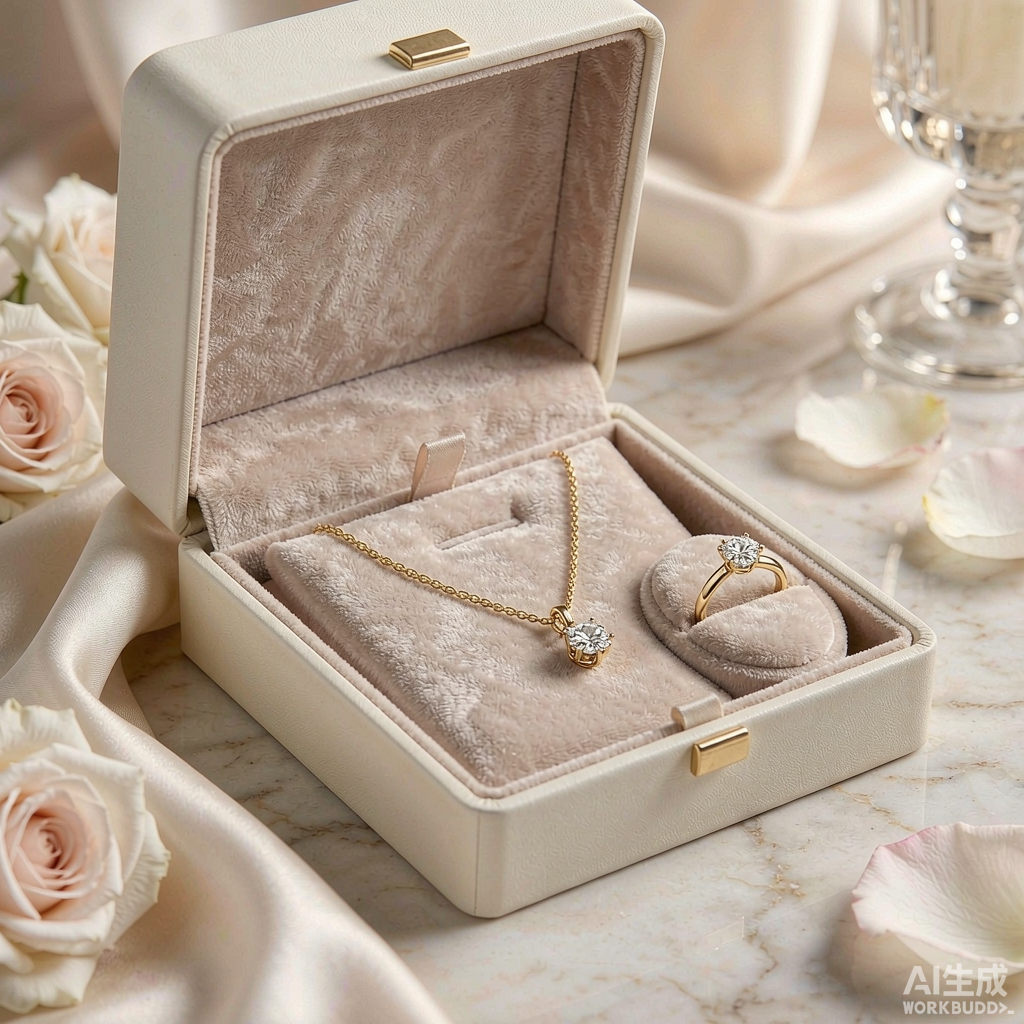
But for independent designers the real test begins when the piece leaves the bench: how do you carry the sense of story into the moment of delivery? This is exactly where packaging and display must step in. A considered jewelry box is not a container; it is the last page of the brand narrative. A soft magnetic click, a matte touch, a blind-embossed minimal logo — these quietly confirm the trust of "I bought a person," in the act of opening. More and more owners now entrust their jewelry packaging design to specialists like Shengyixiang, gaining boutique-grade unboxing at a controllable cost.
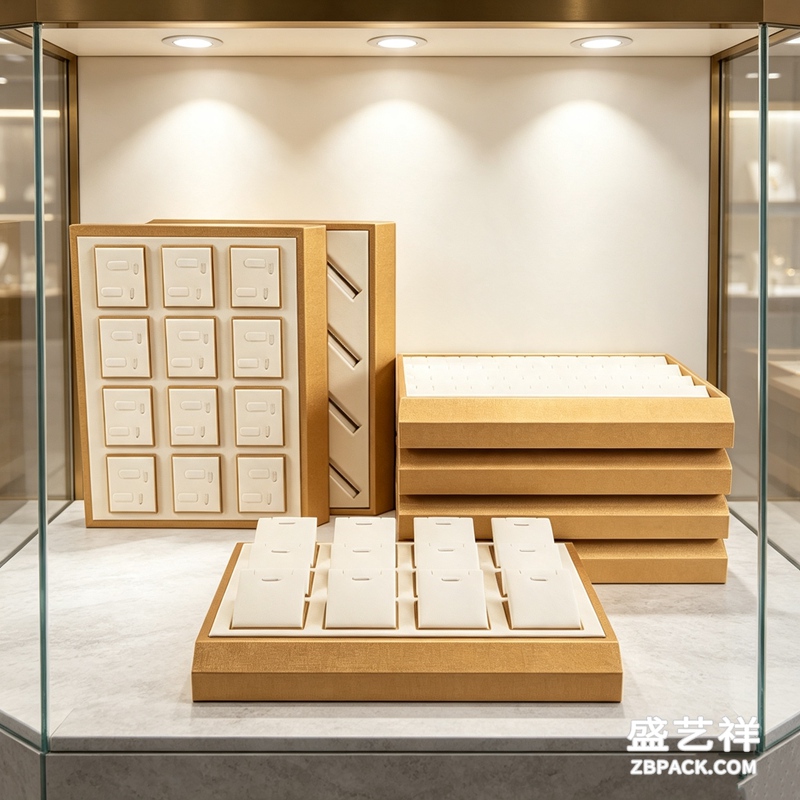
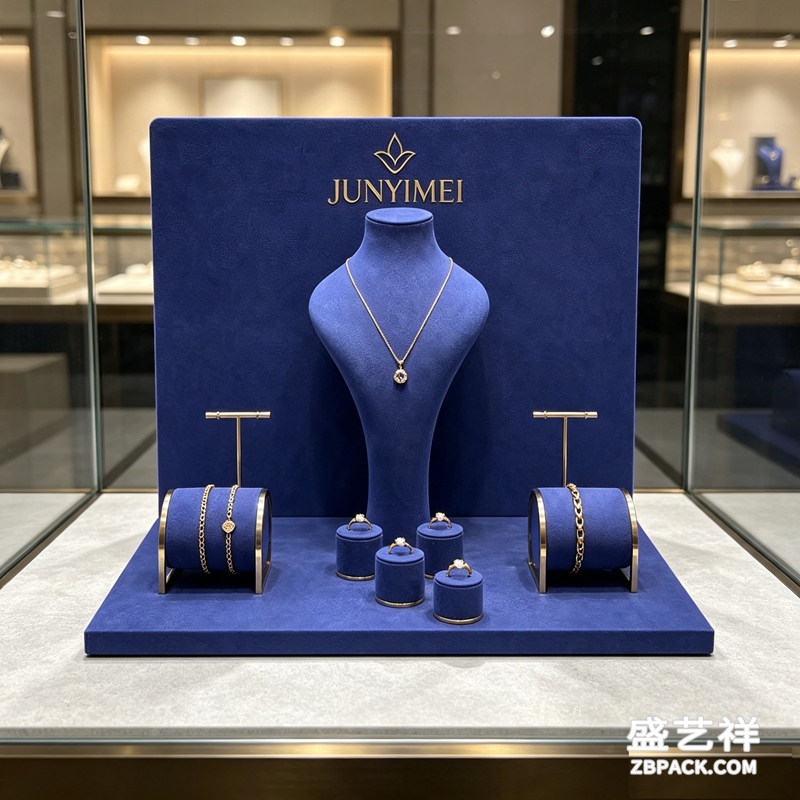
The same holds offline. Pop-ups, markets and multi-brand stores are where indie brands meet customers face to face for the first time. A set of well-made jewelry display props, under 2700K–3000K warm light, lifts the fire of metal and stone so that a small studio reads visually on par with a glass facade. What Shengyixiang offers in these scenes is a single material and color language shared by packaging and display — so the customer reads the same brand from the first box online to the first glance at the counter.
In China this arrives as the slow-craft movement, where artisanal processes and traditional techniques are elevated as desirable luxury — a tailwind squarely behind independent jewelers. Technology is removing friction too: 3D rendering, virtual try-on and online consultations mean customers now comfortably spend well over a thousand dollars online when the brand feels trustworthy. The most dynamic tier of 2026 is neither the high street nor ultra-luxury, but elevated accessible luxury — exactly where independent studios live.
Personalization makes the loyalty stick. Bespoke is no longer only for bridal: heirloom resets, engraving, birthstones and stone selection are replacing mass style with "only mine." When a piece carries a milestone, a relationship and a memory, it becomes a growing asset — and naturally pushes the jewelry box and display props to the front of repeat purchase and private-domain storytelling.
The maker's mark tells the story, too. Under FTC jewelry guides, any precious-metal stamp must sit beside a registered maker's mark; in the owner-led world that mark is often the artisan's own initials, binding their reputation to the metallurgical integrity of the piece. A logo becomes a person. That intimacy is precisely what heritage conglomerates cannot mass-produce — and what packaging must protect, never dilute.
The supply side confirms the shift. Even the minimalist segment stays fragmented below the top tier, with hundreds of independent jewelers serving micro-niches through Etsy and Instagram, while names like Mejuri, Wolf Circus and Young Frankk scale internationally on the strength of clear design handwriting. Clarity, not loudness, converts cautious buyers — and a coherent package is part of that clarity from the very first touch.
In the end, jewelry consumption in 2026 no longer asks "which house are you wearing" but "who is behind this, and why does it matter." Independent designers have won not just market share but the right to define luxury. And for a high-end packaging and customization expert like Shengyixiang, the greatest opportunity is to stand with this generation of makers, sealing every degree of handmade warmth into a box, onto a display, and into the hands of those who understand.
This is original content. Copyright belongs to Shengyixiang.
Shengyixiang — your expert in high-end jewelry packaging design & customization.